Spain urges EU rules as Chinese factories move in

John E. Kaye
- Published
- News
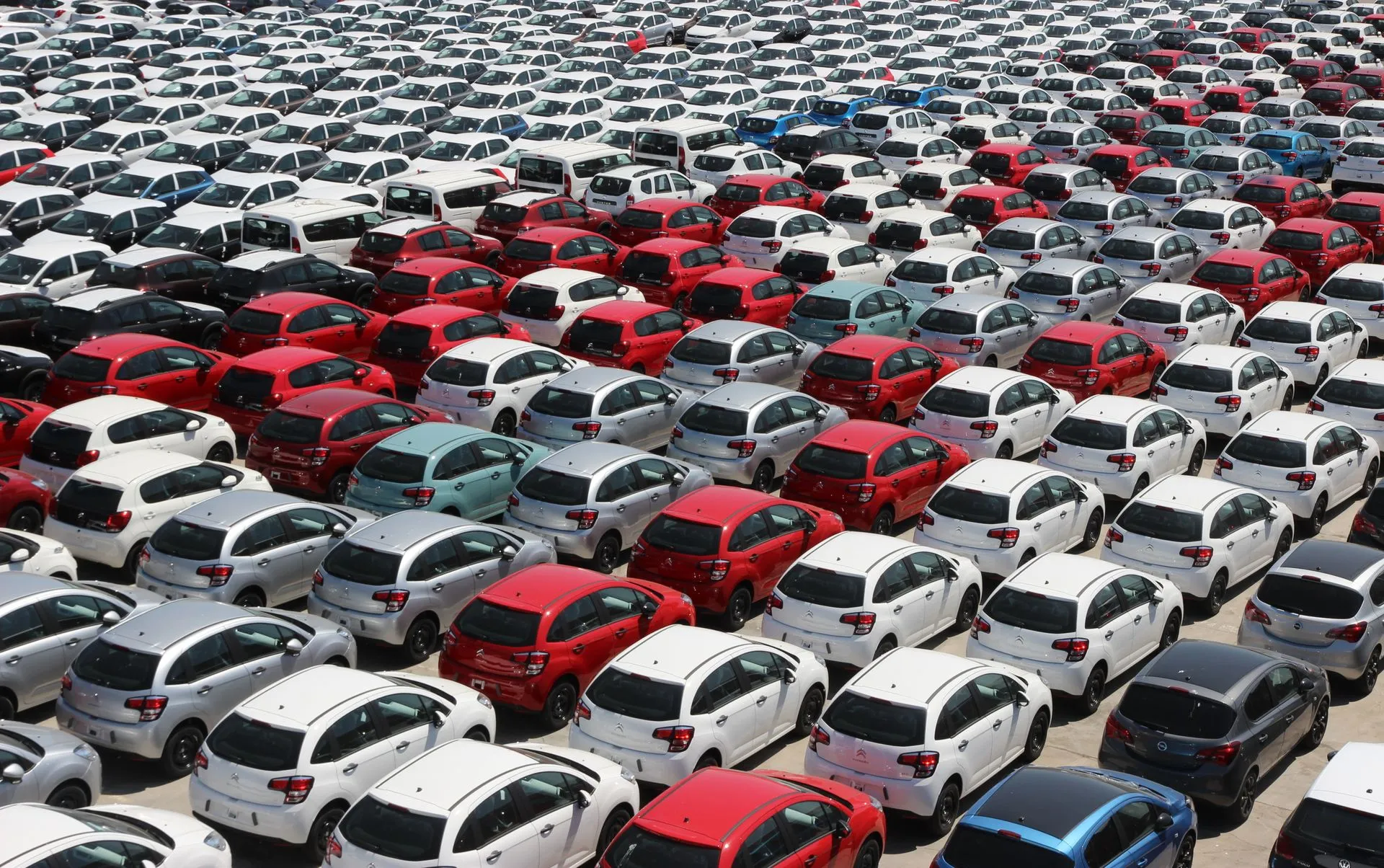
Spanish regions are competing for investment from Chinese car and battery manufacturers while pressing Brussels to impose common safeguards for European jobs, technology and strategic industries
Spain has urged the EU to introduce common conditions for Chinese industrial investment as its regions compete to attract factories from some of China’s largest car and battery manufacturers.
Officials, regional governments and trade unions want proposed ‘Made in Europe’ rules to cover local employment, European-made components, technology transfer and limits on foreign ownership of strategic assets.
Supporters say an EU-wide framework would stop investment conditions varying sharply from one member state to another and give Brussels greater control over the long-term economic benefits attached to major projects.
“We can’t be competing between member states – we need common norms for everyone,” Juan José Picazo, of the CCOO industry union in Valencia, told Reuters.
Spain’s approach reflects a wider challenge for Brussels: how to draw productive Chinese capital into the EU while ensuring that European businesses retain skilled employment, technical expertise and a meaningful share of the resulting supply chains.
The country is Europe’s second-largest car producer after Germany. About 600,000 people work in the sector, which contributes roughly 10 per cent of Spanish GDP.
Spain already builds large numbers of vehicles for foreign-owned brands, but the industry still depends on Spanish workers, suppliers and engineering expertise.
Officials fear that future investment could preserve factory output while shifting more control over technology, management and strategic assets outside Europe
Yet the pressure to secure new projects remains intense.
Spanish autonomous communities including Catalonia, Aragón, Navarre, Galicia and Extremadura have established offices or specialist teams to attract Chinese companies.
Manufacturers including SAIC, Chery, CATL and AESC are developing car or battery projects in Spain, independently or through partnerships with European businesses.
Chinese carmaker Geely has also agreed to use vacant space at Ford’s plant in Valencia, while electric-vehicle manufacturer BYD and luxury marque Hongqi are considering possible production sites.
One of the largest projects is a €4.1 billion battery factory being developed in Zaragoza by Chinese battery maker CATL and European car group Stellantis.
The equal joint venture is expected to begin production by the end of 2026 and could eventually reach an annual capacity of 50 gigawatt hours. The companies intend to produce lithium iron phosphate batteries for smaller and less expensive electric vehicles.
CATL has said that up to 1,700 Chinese workers could be brought in to construct the plant, while about 4,000 Spanish employees would eventually be recruited and trained to operate it.
The CATL-Stellantis agreement does not contain binding commitments on local sourcing, although the company expects more than 70 per cent of the plant’s content to come from within the EU once it reaches full capacity.
Other deals contain different conditions.
AESC Battery Spain, which is majority-owned by China’s Envision Group, has committed to targets including 40 per cent European employment and 40 per cent Spanish management at its planned factory in Extremadura by 2030.
By contrast, employment and sourcing conditions were not included in the agreement for SAIC’s proposed factory in Galicia, with regional officials expecting future EU legislation to determine the requirements.
Mikel Irujo, who leads business development for Navarre, has secured a €400 million investment from battery-materials producer Hithium after making five visits to China over the past year.
“We are hugely worried for the future of industrial manufacturing in Europe because we are not competitive with China on any level,” Irujo told Reuters.
“This isn’t about good versus bad. We just want them to locate production in Europe.”
Spain already screens investments by companies from outside the EU when they involve critical infrastructure, sensitive technology or strategically important industries.
Investors must disclose ownership and financing arrangements, previous investments, regulatory penalties and the results of earlier screening procedures. Authorities can also request a three-year business plan and details of expected employment and capital commitments.
However, requirements involving jobs, sourcing and technology transfer are currently negotiated individually, and the terms of many agreements are not publicly disclosed.
The Spanish government has established a Committee for Strategic Investments to examine major deals more closely and expects it to begin operating in the autumn.
Madrid has nevertheless made clear that it wants Chinese investment to continue.
During an official visit to Beijing in April, Prime Minister Pedro Sánchez said Chinese investment should help develop technological knowledge, strengthen Spanish industry, create local jobs and integrate companies into domestic supply chains.
Spain and China signed 19 agreements covering economic, cultural and scientific cooperation during the visit.
A separate survey of 82 Chinese-owned companies operating in Spain, published by ICEX-Invest in Spain and KPMG in July, examined their investment plans and assessments of the country’s infrastructure, regulation, workforce and business climate.
Spain’s economy ministry said the government wanted productive investment that supported technological development, secure supply chains and long-term employment.
But officials maintain that national negotiations alone cannot protect European industry if neighbouring countries offer Chinese investors fewer conditions.
The final shape of the EU’s proposed rules remains under discussion as member states prepare for further negotiations over trade and investment relations with Beijing.
In the meantime, investment decisions are continuing under the existing patchwork of national and regional arrangements, potentially leaving Brussels to regulate projects that are already under way.
READ MORE: ‘Shell earnings more than double as Middle East conflict lifts energy prices‘. Higher oil and gas prices, stronger trading and improved refining margins have pushed the energy group’s adjusted quarterly earnings to US$9.84 billion.
Do you have news to share or expertise to contribute? The European welcomes insights from business leaders and sector specialists. Get in touch with our editorial team to find out more.
Main Image: Renato Rocca/Pexels
TOP STORIES
-
 NASA backs space ‘air brake’ that could cut years off missions to Uranus and Neptune
 -
MPs and peers call for UK ban on AI that could evade human control
-
France orders €1.3bn in extra cuts as growth falls behind European neighbours
-
Bioweapons research, Russian-linked spies, guided rockets and cyber-attacks on Europe used Claude AI, Anthropic reveals
-
Cadbury Takes a Break as KitKat tops Britain’s social media sweet rankings
-
European network alliance doubles in size as digital sovereignty drive accelerates
-
European insurance giants join New York summit on future of AI
-
Oxford leads £10m international study as resistance threatens new TB treatments
-
Inside the world’s wildest new mini golf course with caves, 13ft waterfalls… and sharks
-
Apple’s new boss bets £1,999 on first folding iPhone
-
‘Double delight’ as rare red pandas born at Whipsnade Zoo
-
This Japanese ski resort has just been named the world’s best place for seasonal work
-
Nearly 4m Londoners experienced mental health challenges last year, study finds
-
Card fraud accounts for more than one-in-three UK identity fraud cases
-
Breast cancer campaigners target Burnham at PMQs over £20m research fund
-
Europe leads world in quantum research despite deep industry scepticism
-
Australia plans social media algorithm ‘off switch’ in move Europe could follow
-
European central banks move gold out of U.S as 'geopolitical risks' mount
-
Volkswagen plans another 50,000 job cuts in sweeping overhaul
-
Uber launches UK’s first autonomous ride-hailing service in London
-
Hackers could plunge Britain into darkness in less than two minutes, report warns
-
BP appoints Ian Tyler chairman after Albert Manifold ousting
-
Del Boy’s bent cop nemesis inspired David Jason to become a TV detective
-
Products made in space move closer to commercial reality
-
Snickers creates ‘world’s first digital chocolate bar’ for misbehaving AI