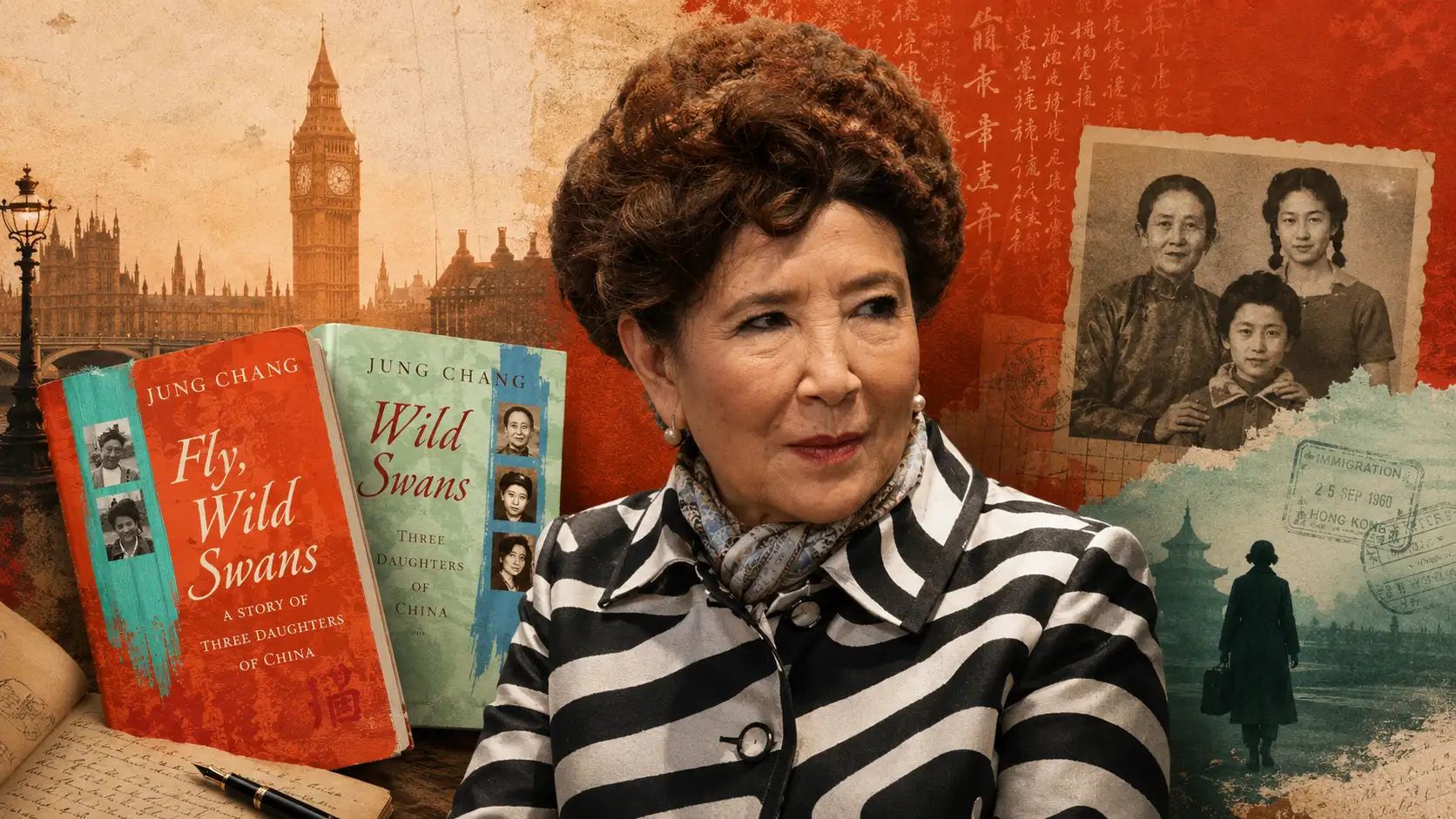
The international bestselling author of Wild Swans speaks to The European about her new book Fly, Wild Swans, her life in London with her brother, and the debt she owes to her late mother
Jung Chang has lived in London for almost half a century, far longer than she lived in the country that has shaped every one of her books.
Arriving in Britain in 1978 at the age of 26, she was among the first wave of citizens permitted to leave China after Deng Xiaoping’s post-Mao reforms. In the decades that followed, London provided her with the intellectual freedom and vital distance needed to write Wild Swans, the multi-million-selling masterpiece that re-examined modern Chinese history through the lives of three generations of women.
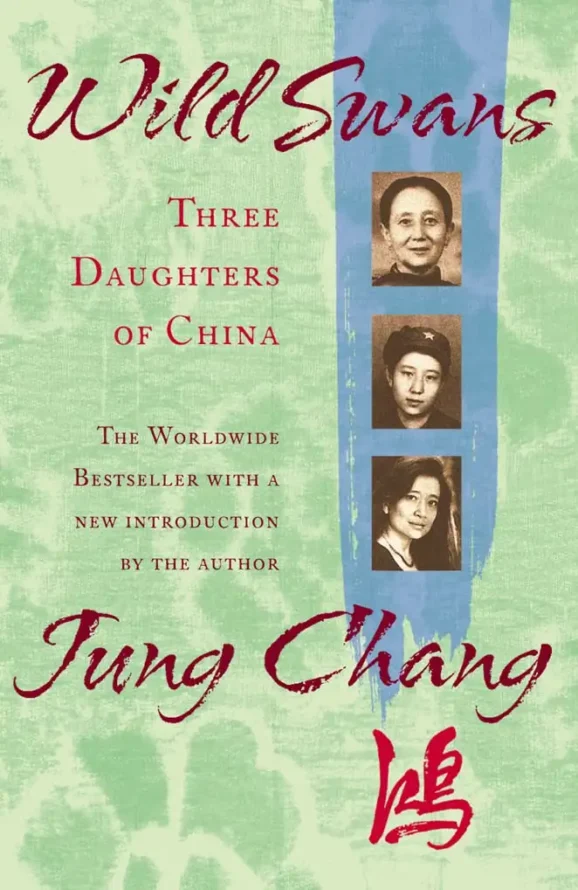
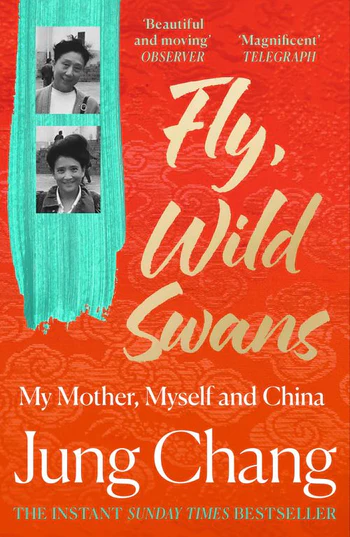
Now, Chang returns with Fly, Wild Swans, a poignant follow-up that brings her family’s narrative, and China’s turbulent trajectory, into the 21st -Century.
At the emotional core of this new work is her mother, Xia De-hong, who passed away in Chengdu in April this year at the age of 94. Chang was unable to be at her deathbed having been denied entry to China due to official censorship of her historical work.
In this exclusive Q&A with The European, Chang – who received a CBE for her services to literature in 2024 – reflects on her life in exile, her close creative partnership with her brother, the novelist Zhang Pu, whose work is also restricted in China, and the ongoing friction between political authority and historical truth.
Wild Swans changed how millions of readers understood modern China through the lives of three women in one family. With Fly, Wild Swans, what did you feel still needed to be said?
Wild Swans ends in 1978, when Deng Xiaoping officially ended the Mao era and started the ‘reforms’. I became one of the first Chinese from Communist China to leave the country and come to the West. Since then, nearly half a century has gone by, and China has come to another watershed moment. It has risen from a decrepit and isolated state to a global power, challenger to the United States’ number-one position; and yet it is now turning back and trying to build a neo-Maoist state only with some capitalist features. The dramatic changes in these decades greatly affected the lives of my mother and myself. Fly, Wild Swans brings the story of my family up to date, along with that of China.
Your latest book returns to your mother, yourself and China. What did you discover in writing it that you could not have known when you wrote Wild Swans?
I discovered many things and realised just how much I owed my mother, for my happiness, for my career as a writer, and for being the person I am. It is so much thanks to her that I live freely and write freely today.
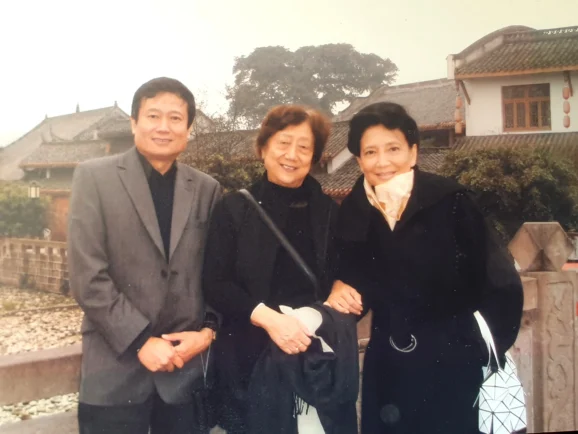
Your mother’s life sits at the heart of so much of your work. How do you now understand her courage, her suffering and her influence on you as a writer?
Ten days after my mother died, after the publication of Fly, Wild Swans, I wrote a piece about her, which sums up my feelings.
Your mother died this year, at the age of 94. How has her death changed the way you think about memory, exile and the responsibility of recording family history?
My mother’s death does not change my way of thinking. She always wished me to live and write freely and truthfully. That is what I have done and will be doing.
London has been your home for almost half a century. What did the city give you, personally and intellectually, that made your writing life possible?
London gave me complete freedom and intellectual stimulation, which made my writing life possible.
Do you feel London changed your sense of China, or did distance make China clearer?
Coming to London aged 26, from a country completely isolated from the world, I have learned a million new things here, including new things about China. My mother told me her stories when she came to stay, and I was able to carry out research for my books all over the world with London as my home and my base. Distance also made China clearer.
Your brother Zhang Pu has also written about China, Tibet, exile and political danger. How would you describe your relationship with him, as a sibling and as a fellow writer?
My brother and I have a very close relationship, as siblings and as fellow writers.
Zhang Pu has said his novel A Tibetan Girl Called Ata was banned in China. What does his experience say about the reach of political control into literature and personal life?
All books that do not toe the Party line are banned. That is the sad reality of China today. My brother’s book and my own books are some of them. We are actually quite lucky, as we are able to write our books at all, thanks to living outside China. People who live there are unable to write our kinds of books.
How important was Zhang Pu to the creation of your own books, particularly Mao: The Unknown Story?
I discussed with him every now and then when I was writing my books, especially Mao: The Unknown Story. He translated Wild Swans into Chinese and read the Chinese-language manuscripts of my other books (which I translated myself). His views are always useful and important.
Your family history includes loyalty to revolution, disillusionment, persecution and exile. How difficult is it to write about people you love when history has placed them inside such painful moral choices?
It was very hard emotionally to write about my father, his youthful devotion to communism and eventual disillusionment that led to him speaking up in the Cultural Revolution and to his premature death. His battle with moral dilemmas made him difficult to live with for my mother and his children. But we admired him and never stopped loving him.
Wild Swans is still banned in China, despite being read across the world. What does that continuing ban tell us about the Chinese state’s fear of memory?
The continuing ban tells us that the Chinese Communist Party is determined to keep its monopoly of power, and that it sees memory as a threat to its legitimacy.
You have said in recent interviews that returning to China could put you at risk. What does permanent exile mean when the country you cannot safely return to is also the country that made you?
I love Britain, the country I choose to live in and the country I regard as my home. I feel happy and fulfilled here. Still, although I have lived here nearly twice as long as in my native land, all my books are about China. I feel strongly about that place, and care about its people. I care deeply about Chinese civilization.
Your work has challenged official versions of history. What, in your view, is the writer’s duty when a state seeks to control memory?
A writer’s duty is to tell the truth. We also owe it to our readers.
After Fly, Wild Swans, do you feel you have completed the family story, or are there still things left unsaid?
For more than 30 years after I wrote Wild Swans, I thought there was not much more to say. And yet I came to feel compelled to write a follow-up, Fly, Wild Swans. I shall wait and see.
When readers finish Fly, Wild Swans, what would you like them to understand about your mother, your brother, London, China and yourself?
I would like my readers to feel they know us a bit more.
READ MORE: The European Reads: A Tibetan Girl Called Ata. Jung Chang’s brother Zhang Pu steps out from the long shadow of Wild Swans with his first English-language novel, a haunting Tibetan love story set against the unrest in Lhasa and the private grief of a family still shaped by China’s history, writes John E. Kaye.
Do you have news to share or expertise to contribute? The European welcomes insights from business leaders and sector specialists. Get in touch with our editorial team to find out more.
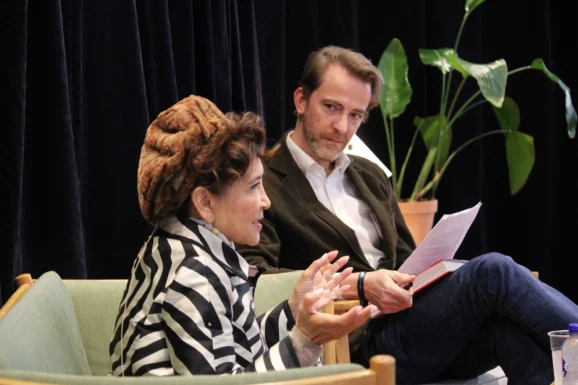
Main image: Jung Chang, author of Wild Swans and Fly, Wild Swans, reflects on London, exile, family memory and the mother whose courage shaped her life as a writer. Main portrait of Jung Chang by Christian Ursilva, CC BY-SA 4.0, via Wikimedia Commons.