As Netflix prepares to broadcast one of the most dangerous feats ever attempted on television, the real spectacle may be what it reveals about our discomfort with fear and mortality, writes Alan Lawson
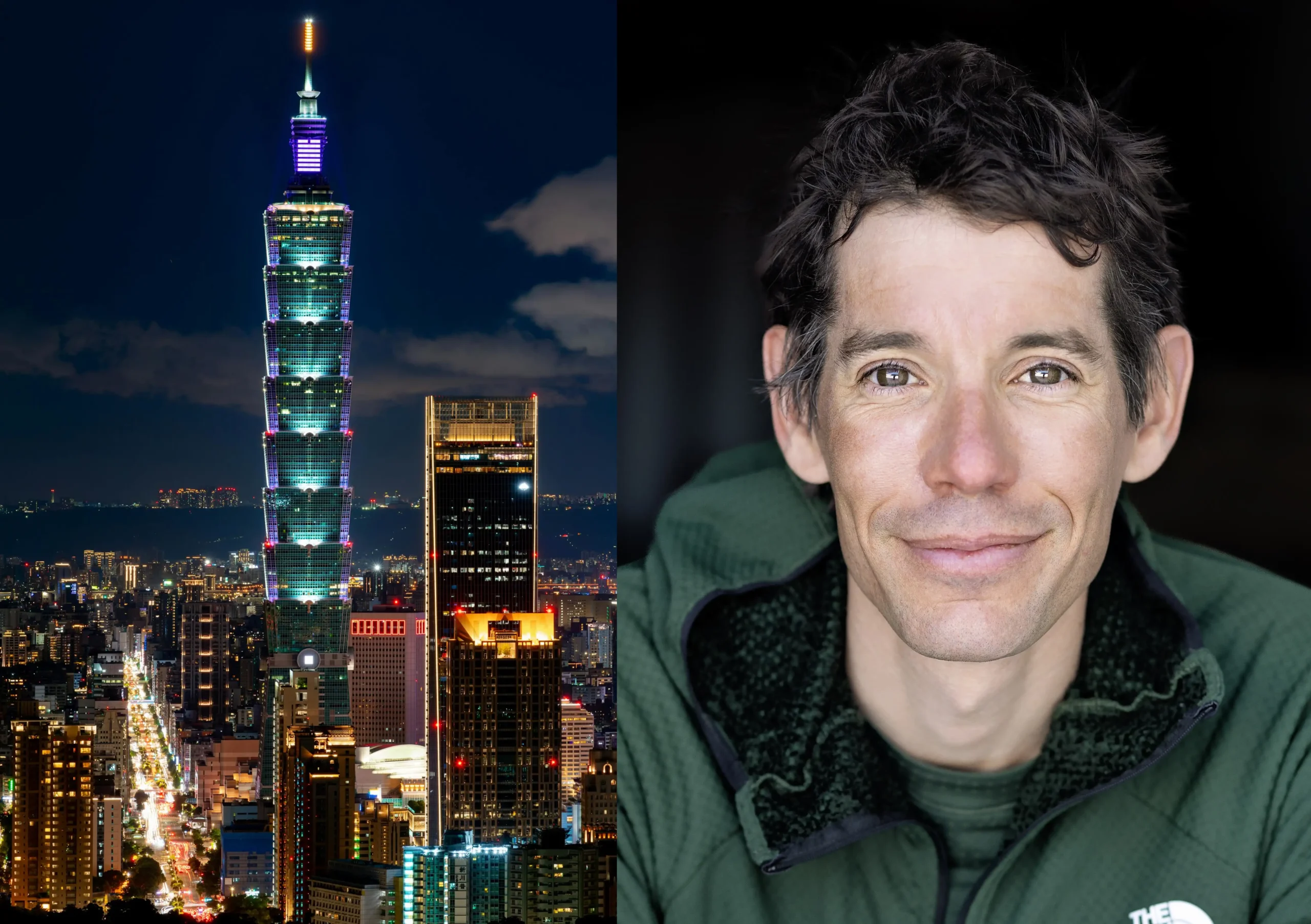
Tomorrow, Alex Honnold will solo-climb Taipei 101, a skyscraper in Taiwan standing at 508 meters (1,667 feet). He won’t use any protective rope or harness. If he slips he will die.
Oh, and it’s being live streamed on Netflix.
Honnold has faced criticism, with some questioning whether the climb is irresponsible, whether it is ethical to live-stream it, and whether there will be any broadcast delay in the event of a fall.
Honnold has nearly three million followers on Instagram and is clearly an influencer, so it is not unreasonable for people to question the moral implications of both undertaking this challenge and broadcasting it to a global audience.
Personally, I think it’s great, and I’ll tell you why.
In my view, all the hand-wringing is not really about whether Honnold might fall to his death. If he climbed Taipei 101 untelevised, people would likely not know about it, or care about it, and at most people would think he’s just some fringe lunatic that may or may not get what’s coming to him. What seems to trouble people most is the live-streaming, as though viewers are complicit in a potential blood sport; add the Netflix ‘tudum’ and dramatic score, and it becomes a spectacle worthy of the Roman amphitheatre.
So when I hear negative comments about this climb, I rather fancy that it comes less from a care for him, and more out of a general disgust with media and commercialism. Rock climbing was a counterculture activity and now its ambassador is apparently selling out to mainstream media.
And I understand that reaction. When I began climbing nearly three decades ago, it was still countercultural. It gave many of us a sense of belonging in a world we struggled to fit into, and for some, it kept us out of prison.
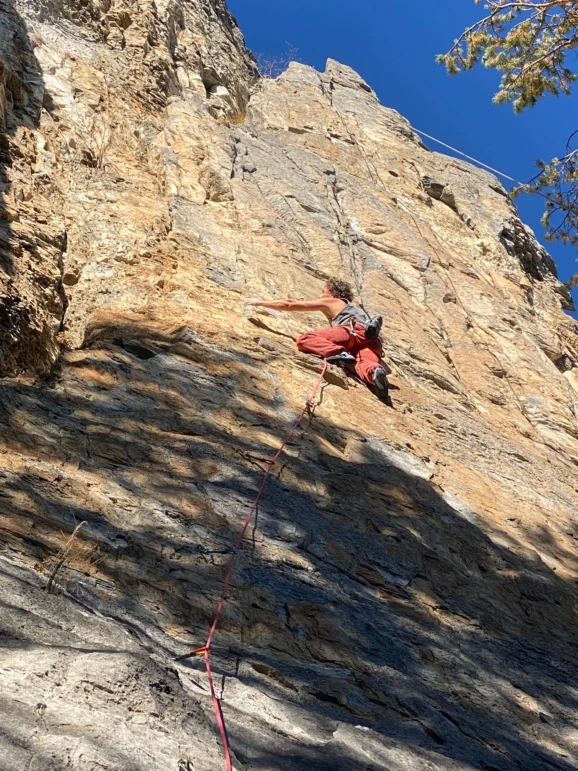
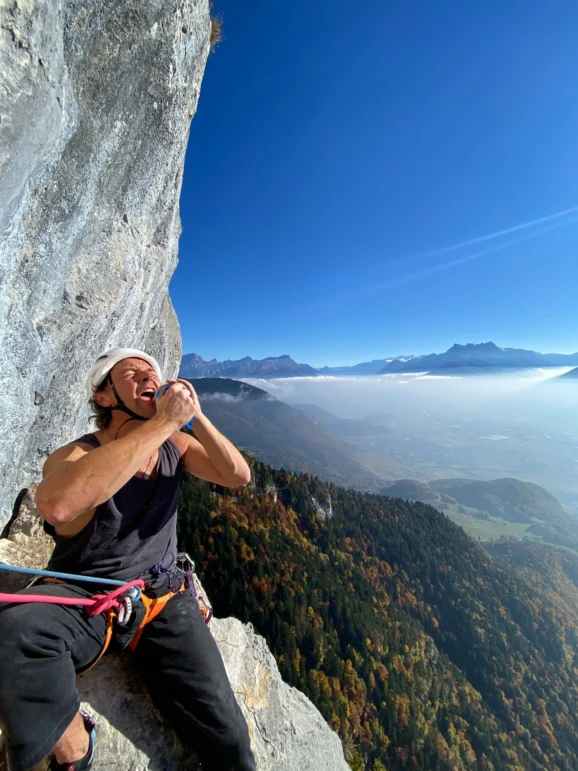
It’s still perhaps my greatest outdoor passion, and some of my happiest days last year were swinging around on one of our local faces high above the Rhone valley, Lammergeiers gliding past, on limestone with beautiful water droplet formations. It is a place of peace, camaraderie and humour, drawn together by the magnetic pull of a smooth rock face. The season is now closed for bird nesting, and rightly so, and we will travel to other spots until it reopens.
That contrast between quiet limestone and a Netflix skyscraper feels like a category mistake, and tomorrow’s event will either be the most boring live stream ever, or a gut-wrenching denouement to possibly the greatest climbing career, ever. Or perhaps it will be something else entirely: an opportunity for contemplation. Because Honnold is no longer simply a climber, but a kind of modern Socrates, and this event becomes a dialogue on fear and death to which we are all invited.
By broadcasting this so blatantly and with no room for error, this is not some armchair conversation about mortality but a direct interrogation of what it means to take risks, feel fear, and ultimately how to live purposefully. Nietzsche had a way of naming this without sentimentality. He suggested that the prospect of death should add a kind of levity and brightness to life: “The greatest fruitfulness and the greatest enjoyment is: to live dangerously! Build your cities on the slopes of Vesuvius! Send your ships into uncharted seas!”.
But there’s another distinction Honnold asks us – one between fear and anxiety. Fear is often useful; it’s the body reading a situation correctly. Anxiety is perhaps fear with nowhere to go, or fear that has no basis, and for many people in modern life anxiety has become chronic. This may be because so much of contemporary life is organised around avoiding the sensation of fear: children are heavily sheltered, and technology promises safety at every turn. Yet anxiety seems only to grow. Honnold’s climbing, whatever you think of it, is the opposite. It’s a deliberate encounter with fear in arguably its proper habitat, and therefore, paradoxically, a way of keeping it meaningful and contained.
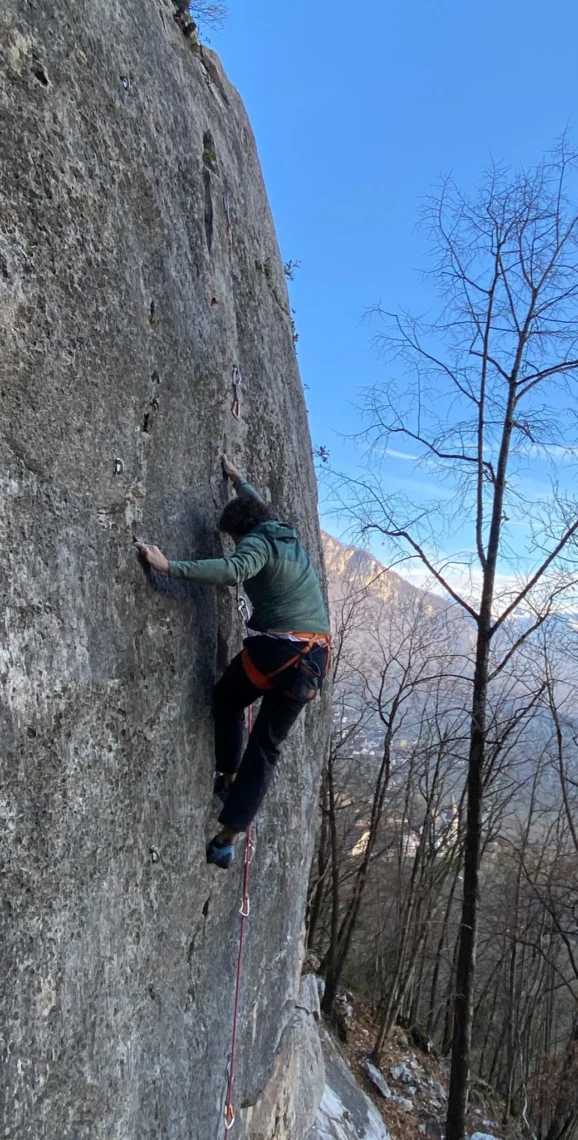
If there is a philosophy in all this, it is not bravado but a reminder that fear is not always an enemy. At times it acts as a gatekeeper to presence, and at others it helps place the rest of our lives in perspective. And if Honnold is like me or any other climber I know, he probably just thinks the idea of climbing this skyscraper is really cool. There is an unusual aesthetic to climbing that is difficult to articulate to those who do not practise it. Climbers look at bridges, clock towers, and small irrelevant boulders and they are seduced by an inexplicable desire to flow up them. It is completely pointless and irrational, yet at the same time it makes a strange, internal sense. That alone will always keep it from becoming mainstream.
That doesn’t mean Honnold is not a lunatic, but then so was Socrates who famously died for it. And yes, spoiler alert, we’re all going to die, eventually. So, the question isn’t just ‘what if he falls?’ but also: how do we encounter the fear that the question exposes? Thinking about soloing that skyscraper makes my guts turn, it terrifies me, which is why I don’t think the right response is outrage, or even applause. It’s something else, it demands we encounter our fears authentically.
I will likely be sound asleep when Alex Honnold makes this climb. I’ll say a little prayer for him, and I wish him well.
The climb will take place in Taiwan tonight. Viewers in the UK will be able to watch it live on Netflix at 1am on January 24.
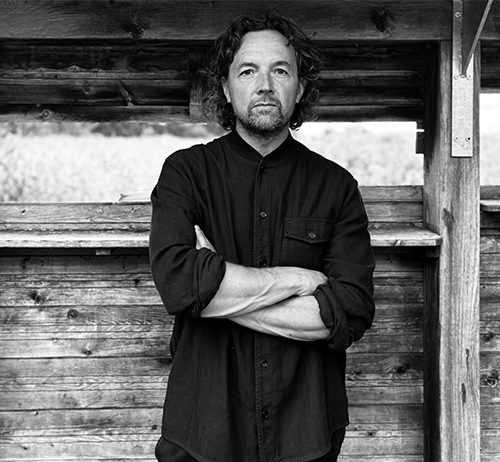
Alan Lawson is an award-winning artist, writer and climber of Scottish–Spanish descent, with paintings held in public collections including the Scottish National Portrait Gallery. A graduate of the Florence Academy of Art and co-founder of The Alpine Fellowship, his writing has appeared in journals such as Studies in Photography, American Arts Quarterly and Bare Hands Poetry Magazine, and he was shortlisted for the 2014 Bridport Poetry Prize.
Main image: Timo Volz/Christopher Michel, CC BY-SA 4.0, via Wikimedia Commons