The Svalbard archipelago, once a symbol of cooperation between East and West, is now becoming a focus of rising tensions as Russia seeks to flex its power in the Arctic, writes historian Dr Linda Parker
Situated between mainland Norway and the North Pole, the Svalbard archipelago became strategically important during the Second World War, both for its proximity to the Arctic convoy routes and as a base for weather stations vital to Allied operations.
The cooperation displayed between Russia and the Western Allies on Svalbard during WW2 was followed by a successful coexistence of East and West during the Cold War which has continued to the present day.
However, the previously undramatic international relations on the archipelago are now being threatened by the war between Ukraine and Russia and the increasing drives to strengthen national security and exploit the rich natural resources in the Artic.
Svalbard’s strategic value
Under the terms of the Arctic treaty of 1920 (the Svalbard Treaty), full and undivided sovereignty of the archipelago was granted to Norway but other countries, such as Russia, were given the right to continue mining activities on the coal-rich islands.
This continued until August 1941, when the islands were evacuated by the Allied forces during Operation Gauntlet. The operation’s purpose was to prevent the Germans using the coal for the Nazi war effort, achieved by setting the mines on fire.
However, the Germans were still able to establish weather stations—crucial for their naval and aerial operations in the North Atlantic and Arctic—when they arrived the following month. This continued until the spring of 1942, when Operation Fritham was landed to deny this advantage to Germany, reaffirming Norwegian control. The weather stations operated by the small British and Norwegian garrison were a vital resource for the remainder of the war, both for establishing ice conditions for Arctic convoys and planning operations in Europe including D-Day.
Drifting apart
After the war, mining resumed, with Russia establishing a coal-mining settlement, Barentsberg, and Norway resuming mining at Longyearbyen, some 30 miles away.
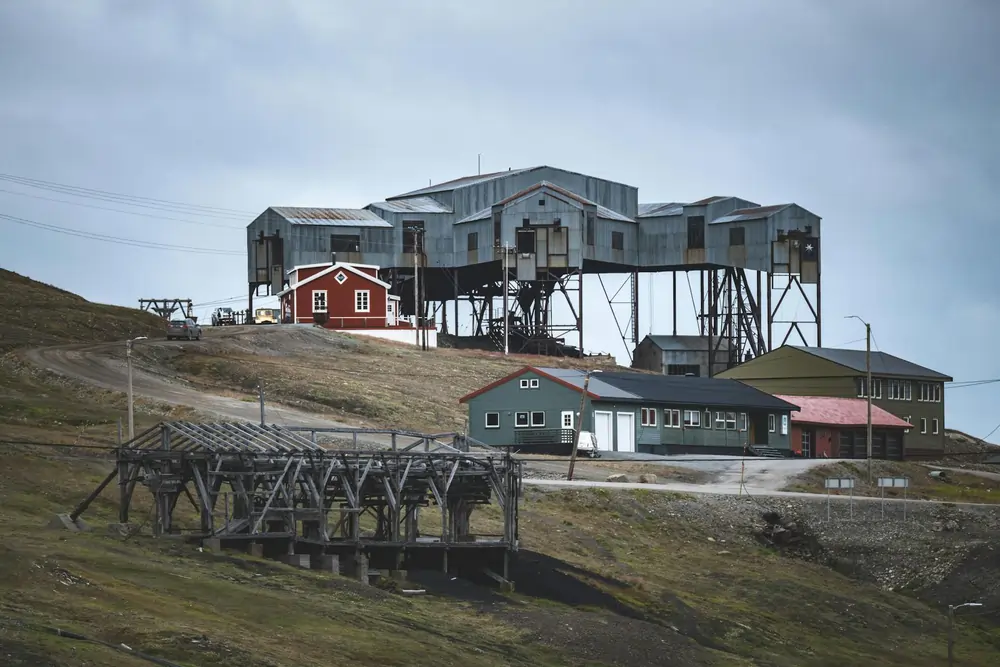
Although Svalbard is under the control of Norway, a member of NATO, Barentsberg—the second largest habitation on Svalbard and home mainly to Russian and Ukrainian miners—is served by a Russian consulate. It has developed as a typical Russian mining town, with austere barrack-like buildings and a large statue of Lenin in front of the living quarters.
The two settlements managed to live together peacefully—if not convivially—during the Cold War era and after the breakup of the Soviet Union. While communication between the mining communities is difficult—each settlement is supplied by its own country and with no road between Barentsberg and Longyearbyen, access is gained exclusive via boat or snow mobile—there has been a history of official contact through sports and cultural exchange.
The decline of the mining industry in both Barentsberg and Longyearbyen has resulted in the towns examining a new stream of income: tourism. Accordingly, I visited Barentsberg in 2016 and found it to retain a distinctly Soviet-style atmosphere, perhaps not surprising as it is very much controlled by Arktikugol, the Russian mining company. It could be said that it is more Russian than Russia.
But more recently, this tiny town of barely 400 adults has become a microcosm of Russia’s rising nationalism and aggression on the world stage.
Each year on May 9th, there is a military-style parade through Barentsberg, marking the victory of Soviet Russia over Germany in 1945. The parade in 2023, led by the Russian consul of Barentsberg, Andrei Chemerilo, was noteworthy in the sense that it had never previously been marked in such an ostentatious manner. And in May 2024, three Soviet flags were hoisted in Barentsberg and the nearby abandoned coal mining settlement of Pyramiden, replacing the Norwegian and Russian flags. .
Many of the Ukrainians living and working in Barentsberg have been from the Donbas region, known for its mining, but the war between Russia and Ukraine has had a significant effect on the community, with many leaving the settlement since its outbreak in 2022.
The rising tensions in the town have been documented in the press, with Timofey Rogozhin, former head of the tourist arm of Arktikugol, claiming to the Barents Observer that residents were told not to discuss the war and not to post opinions about it on social media. Russian tour guide and historian Natalia Maksimishina, meanwhile, admits that “Opinions are polarised“. Speaking to French TV station France 24, Julia Lytvyona, a former Barentsberg resident, commented on the success of Arktikugol in suppressing negative comments: “People just shut up, work and live their lives like nothing happened.”
A snapshot of a sobering new reality
Many see the emphasis on Soviet history and symbols as a way of boosting ideas of Russian supremacy and maintaining a noticeable presence in the archipelago, which is once more strategically important in an era of shifting alliances and power struggles. Professor Kari Aga Myklebost of the Arctic University of Norway explains that “Russia’s self-perception as a great power in world politics very much relies on its Arctic territories.”
There has been much commentary on the reemergence of a Cold War between East and West since Russia’s invasion of Ukraine and with the troubling situation in Svalbard, we see a snapshot of this sobering new reality.

Dr. Linda Parker is widely considered to be one of Britain’s leading polar and military historians. She is the author of six acclaimed books, an in-demand public speaker, the co-founder of the British Modern Military History Society, and the editor of Front Line Naval Chaplains’ magazine, Pennant, which examines naval chaplaincy’s historical and contemporary role.
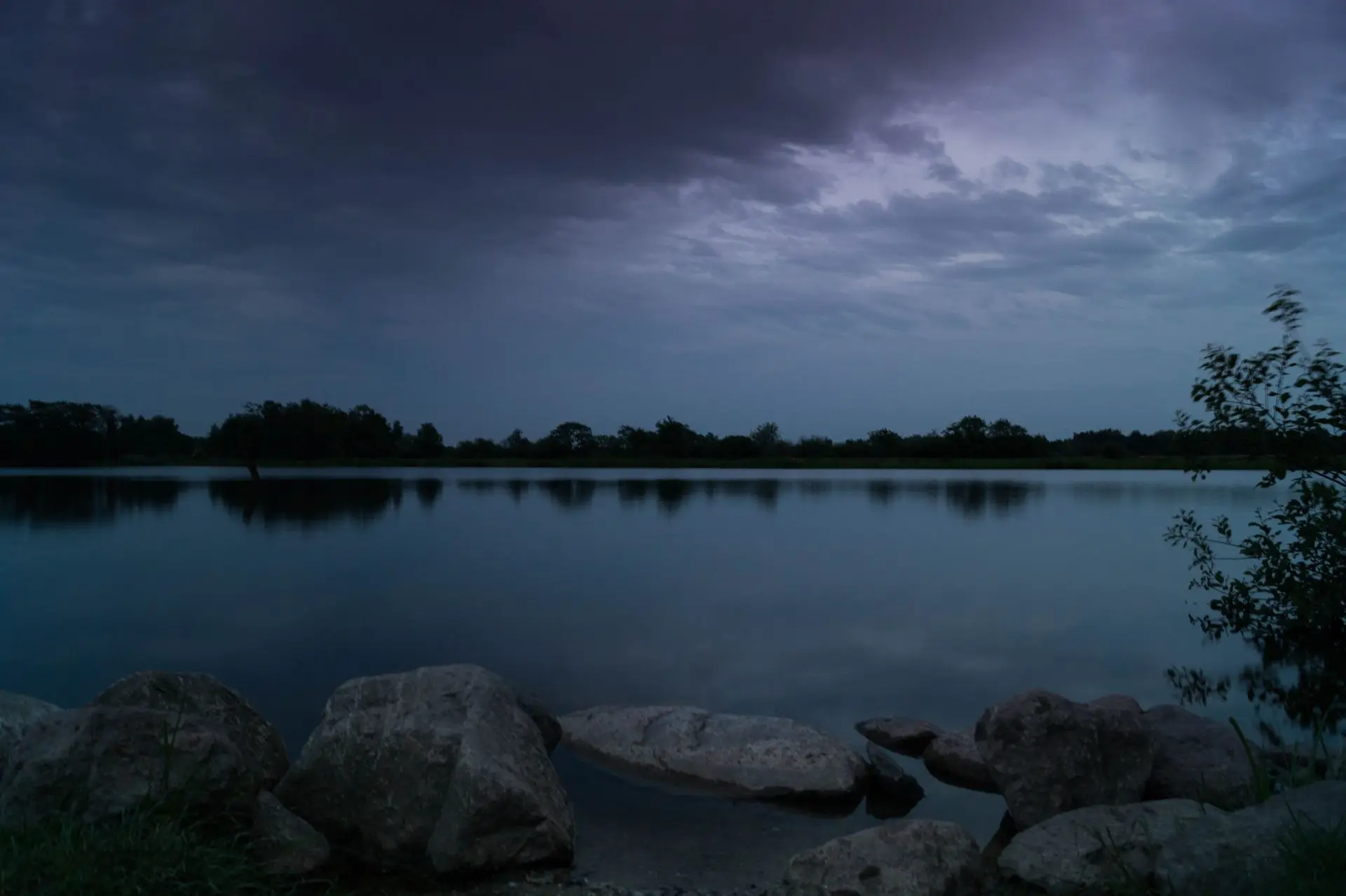
Main image: Courtesy Francesco Ungaro/Pexels