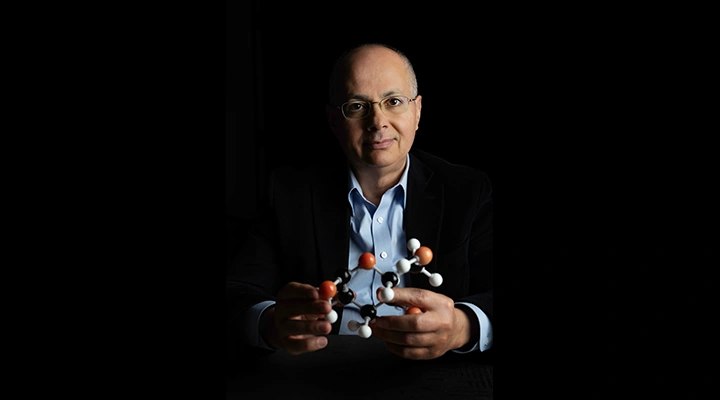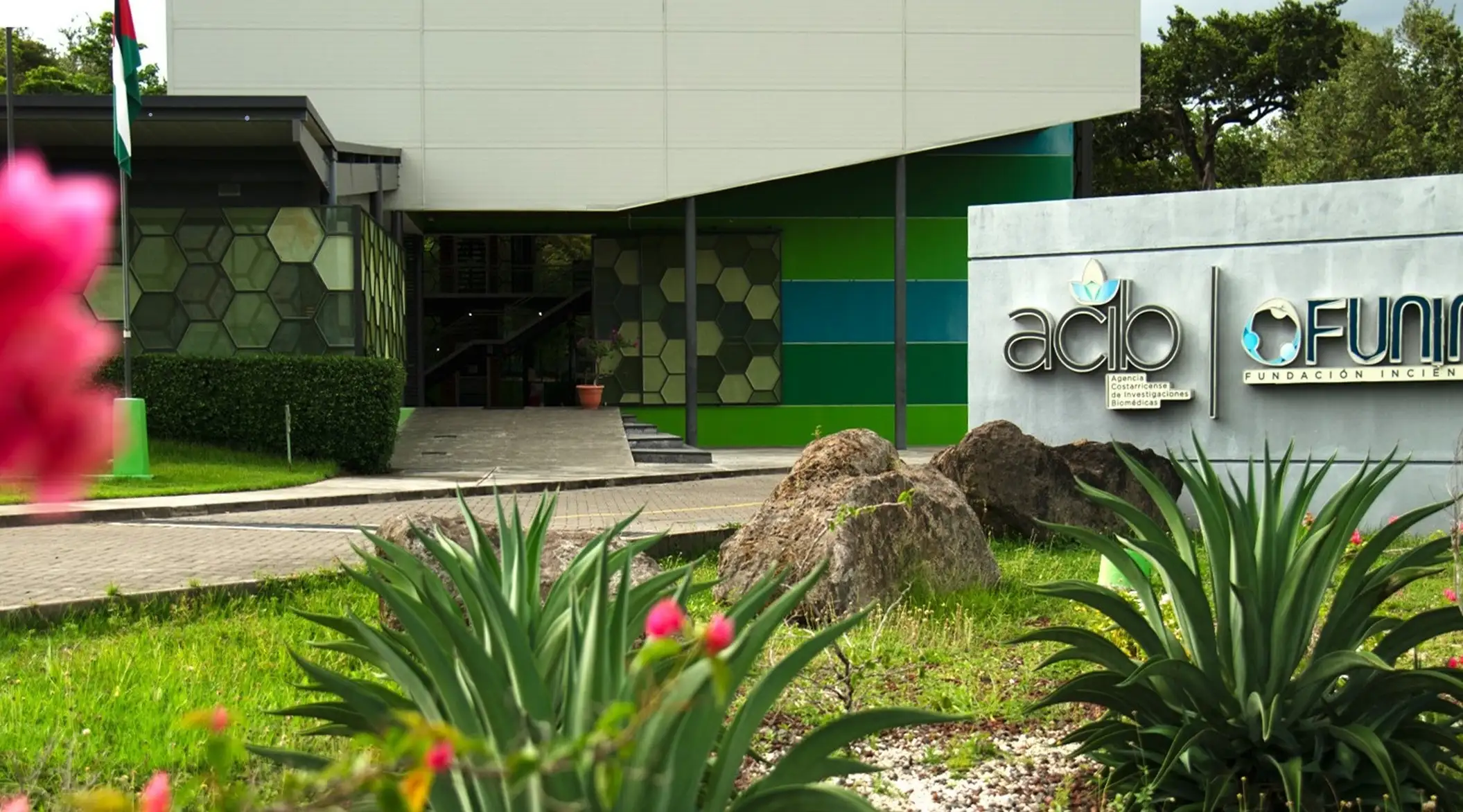
ACIB-FUNIN’s participation in LSF26 reflects Costa Rica’s growing potential to lead clinical research, biomedical innovation and evidence generation for global health
Costa Rica has established itself as one of Latin America’s leading life sciences hubs, supported by a strong medical device industry, a skilled workforce and a well-established reputation for quality. Building on this foundation, the country has an opportunity to further strengthen its role in the life sciences sector by expanding its capabilities in health research, clinical studies and the generation of scientific evidence. In this context, strong local research institutions are essential to support studies that address national, regional and global health priorities.
This was the broader context behind ACIB-FUNIN’s participation in the Life Sciences Forum 2026, one of the most influential gatherings for the MedTech and life sciences ecosystem in Latin America. As sponsors of the event, ACIB-FUNIN joined executives, researchers, investors, academic leaders and strategic suppliers in a conversation that is highly relevant for the region: how can Costa Rica consolidate itself as a preferred destination for clinical research and biomedical studies?
The Costa Rican Agency for Biomedical Research of the INCIENSA Foundation, known as ACIB-FUNIN, is a non-governmental, non-profit organisation with decades of experience leading epidemiological and clinical studies in Costa Rica. Its work is grounded in scientific rigour, ethical oversight and operational experience. The organisation supports biomedical studies through services that include study design, scientific and methodological guidance, regulatory management, participant recruitment, data collection, data analysis, project coordination and study completion.
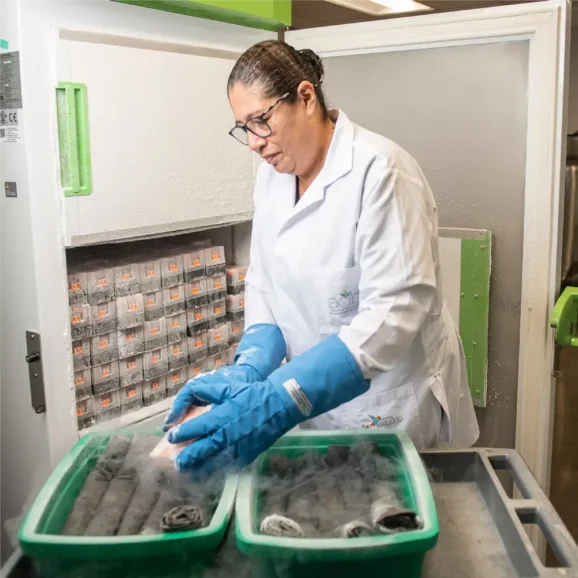
This experience is especially relevant for sponsors seeking a reliable partner in Costa Rica. ACIB-FUNIN has the capacity to support different types of biomedical research, including epidemiological studies, clinical studies, vaccine studies, molecular and genomic research, biospecimen management, and projects requiring specialised fieldwork with participants across the country. Through its infrastructure, the organisation can accompany studies from early planning to implementation and close-out, helping ensure that each stage follows ethical, technical and regulatory standards.

ACIB-FUNIN also offers capabilities that are essential for organisations looking to invest in clinical research in Costa Rica. While its headquarters and main operational facilities are located in Liberia and San José, the organisation has the capacity to conduct and coordinate research activities throughout the country, according to the needs and scope of each study. Its biobank services, genomics laboratory, secure data centres and quality assurance system enable ACIB-FUNIN to support complex studies across different settings and populations.
For international companies and organisations, this matters because successful research depends on more than a study protocol. It requires local knowledge, participant engagement, regulatory follow-up, quality control, logistics, ethical compliance and continuous coordination among multiple actors. ACIB-FUNIN’s model responds precisely to that need.
The organisation is accredited to provide services under both CRO- and SMO-related functions. As a Contract Research Organisation, or CRO, ACIB-FUNIN can contribute technical and scientific expertise for epidemiological and clinical studies. As a Site Management Organisation, or SMO, it can support contract administration, mediation among parties, logistical coordination and operational management. Together, these capabilities allow sponsors to work with a partner that understands both the scientific and administrative demands of conducting research in Costa Rica.
ACIB-FUNIN’s trajectory shows that research conducted in Costa Rica can have international relevance. Its researchers have spent more than 20 years studying the human papillomavirus, contributing to evidence that has helped shape cervical cancer prevention strategies worldwide. More recently, the organisation announced the first results of ESCUDDO, a landmark study from Costa Rica that showed that a single dose of the HPV vaccine is as effective as two doses in protecting against the main virus types that cause cervical cancer.

ESCUDDO included more than 20,000 adolescent girls over a five-year period across more than 200 districts in Costa Rica. The study’s findings support more efficient, accessible and equitable vaccination schedules. For public health systems, this type of evidence is highly valuable: a one-dose schedule can simplify implementation, reduce costs and help expand protection to more people.
This is also an example of the kind of impact Costa Rica can generate when scientific capacity, community participation and international collaboration come together. The country already has important assets: a recognised public health system, specialised talent, experience with multinational companies, strong life sciences exports and institutions with proven research experience. The challenge is to connect those strengths through a more coordinated national strategy that encourages investment in research and development, supports infrastructure, facilitates regulatory processes and promotes collaboration among government, academia, industry and research organisations.
At LSF26, ACIB-FUNIN also had the opportunity to present Dr Elia Lima-Walton, MD, PA, an expert in artificial intelligence and healthcare innovation. Her participation offered a timely reminder for the sector: technology is not the final objective; it is a tool. In clinical research, artificial intelligence can improve efficiency, support data management, strengthen analysis and create new opportunities for patient-centred solutions. But its value depends on the quality of the research questions, the reliability of the data and the ethical framework behind its use.
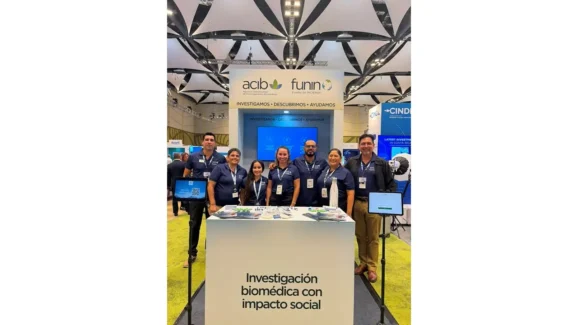
That message is particularly important as Costa Rica looks towards the next frontier of life sciences. The country’s competitiveness will increasingly depend on its ability to combine manufacturing excellence with scientific evidence, advanced technologies, regulatory trust and research capabilities. For investors and sponsors, Costa Rica offers a compelling environment: a stable country, a growing life sciences sector, qualified professionals and experienced organisations that can support biomedical studies with rigour and local understanding.
ACIB-FUNIN’s work demonstrates that Costa Rica is not only a place where life sciences products can be manufactured. It is also a place where evidence can be generated, studies can be conducted with quality, and research can contribute to health decisions beyond national borders.
LSF26 was a valuable platform to reaffirm this vision. Costa Rica has the conditions to become a regional centre of excellence in clinical research. Organisations such as ACIB-FUNIN show that the country also has the experience, infrastructure and purpose to make that ambition credible for partners, sponsors and investors seeking to conduct meaningful biomedical research in Latin America.
Further information
Produced with support from ACIB-FUNIN. To find out more about its clinical research, biomedical studies and laboratory services, visit www.acibfunin.com
READ MORE: The Costa Rican university teaching entrepreneurship as a survival skill. Entrepreneurial thinking is becoming central to the way people innovate, solve problems and lead change inside organisations of every kind. ULACIT in Costa Rica is placing that mindset at the heart of university education, training students to create companies, strengthen institutions and adapt to a world being reshaped by technology, writes Allan Matarrita-Chinchilla.
Do you have news to share or expertise to contribute? The European welcomes insights from business leaders and sector specialists. Get in touch with our editorial team to find out more.