Europe adds enough new wind power for 7m homes as record year beckons

John E. Kaye
- Published
- News, Sustainability
New turbines capable of replacing fossil-fuel imports equivalent to 25 LNG tankers a year were installed in the first half of 2026 – but industry leaders warn planning and grid delays could halt the boom
Europe installed enough new wind power in the first half of this year to generate electricity for around seven million homes as the continent heads towards a record year for new turbines.
Some 8.8 GW of capacity was added between January and June, 30 per cent more than during the same period in 2025, with Germany responsible for 3.4 GW of the total.
Industry group WindEurope now expects 24 GW to be installed across Europe by the end of 2026, putting the industry at the beginning of an anticipated expansion towards consistently installing around 30 GW a year during the 2030s.
The new turbines installed during the first six months could generate enough electricity for around seven million European households and replace fossil-fuel imports equivalent to 25 LNG tankers each year, according to the industry body.
Investment is also continuing to flow into future projects. Around €9bn was committed to new wind farms during the first half of the year, while national governments awarded more than 17 GW of capacity through auctions and are expected to tender another 26 GW before the end of 2026.
But WindEurope warns that the momentum could be broken unless governments address problems around permitting, grids and electrification.
Permitting volumes fell in several major markets, including Spain, France, the UK, Italy and Ireland, even as Germany approved more than 9 GW of new onshore wind during the first six months.
Tinne Van der Straeten, WindEurope’s chief executive, said: “2026 may well be a record wind year. But we can’t take that momentum for granted. Just when we need wind the most to boost Europe’s economic resilience, permitting volumes are down in key markets.
“Government decisions on permitting, auctions, grids and electrification in the coming months will make or break this momentum.”
Germany led new installations during the first half, but capacity additions were also significantly higher in Denmark, Poland, Portugal and France.
Ukraine installed more than 400 MW despite the continuing war.
WindEurope expects Europe to have 436 GW of wind capacity installed by 2030, including 342 GW within the European Union, representing 27 per cent of EU electricity demand.
Such capacity would be capable of supplying 27 per cent of the bloc’s electricity demand by the end of the decade, according to WindEurope’s latest forecast.
Germany is also being held up by the organisation as an example of what can happen when governments implement EU permitting rules.
More than 9 GW of new onshore projects received permits there during the first half of 2026, putting the country on course for another record year for approvals.
WindEurope wants similar progress elsewhere and is calling for EU permitting rules to be agreed and implemented so projects can move more quickly towards grid connection.
It also wants governments to accelerate investment in electricity networks and clear queues of projects waiting to connect.
Other proposals include directing revenues from the EU Emissions Trading System towards industrial electrification, establishing a binding renewable-energy target for 2040 and making greater use of two-sided Contracts for Difference in renewable-energy auctions.
The organisation argues that those decisions will determine whether the momentum expected in 2026 can be maintained into the 2030s.
READ MORE: Germany could run on full renewables by 2045, study reveals. Fraunhofer analysis says solar, batteries, hydrogen storage and flexible demand can provide reliable low-carbon electricity.
Do you have news to share or expertise to contribute? The European welcomes insights from business leaders and sector specialists. Get in touch with our editorial team to find out more.
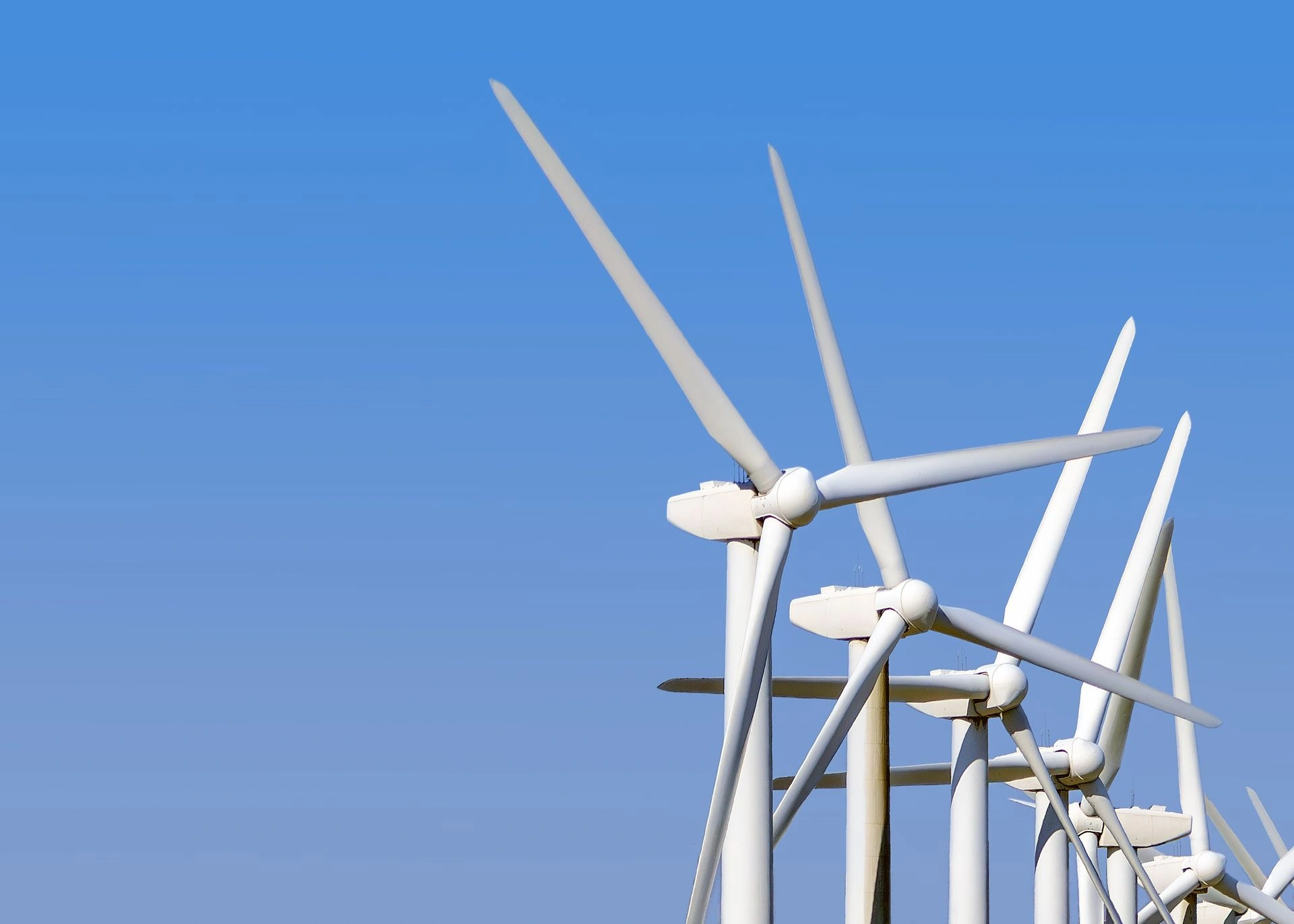
Main image: Wind turbines across Europe are set to generate record levels of new capacity in 2026, with 8.8 GW installed in the first half of the year alone. Credit: Thomas Parker / Pexels
TOP STORIES
-
 Gamers face gridlock as latest Grand Theft Auto download 'nears two days'
 -
Samsung profits soar ninefold to record £61bn amid AI chip boom
-
New Springer books put the UN’s struggling sustainability goals to the real-world test
-
Europe’s solar boom set for two-year slowdown after record growth
-
Let it pea. Musicians turn vegetables into instruments at Beatles' Abbey Road studios
-
Golden naked Trump statue unveiled at European Parliament
-
Jaguar puts controversial rebrand on the road with £130K 1,030PS Type 01
-
Deepfakes and identity fraud drive new wave of post-hire background checks
-
Spain crowned Europe’s top retirement destination
-
More than half of UK professionals report workplace burnout
-
More than 1.2m English drivers may have eyesight too poor for the road, study finds
-
David Reuben, Britain’s second richest person, leaves London for Monaco
-
UK prisoner release plan faces a major lag as tougher rules risk sending inmates back to jail
-
Brits trust AI with their health but not their money
-
Britain still hungry for Italian food as exports hit €4.56bn despite Brexit
-
Women who earn more than their partners still pay the price at work, landmark study finds
-
Vape expectations go up in smoke as new UK tax sparks fury
-
Robot sales rocket 24% as 250,000 machines snap up jobs in warehouses, hotels and hospitals
-
New-build homeowners should not be left with ‘mud and a fence’, campaigners warn
-
Bank of England governor warns AI poses growing ‘increasingly significant’ threat to financial stability
-
UK economy grows faster than first thought as household incomes bounce back
-
UK unveils ‘Great British Grid’ in bid to cut energy bills
-
British Chambers unite against 'Made in Europe' rules amid fears for UK industry
-
Bouncy castle firms urged to sign new safety pledge following child deaths
-
Remembering Matthew Jukes, The European’s Wine & Fine Drinks Correspondent