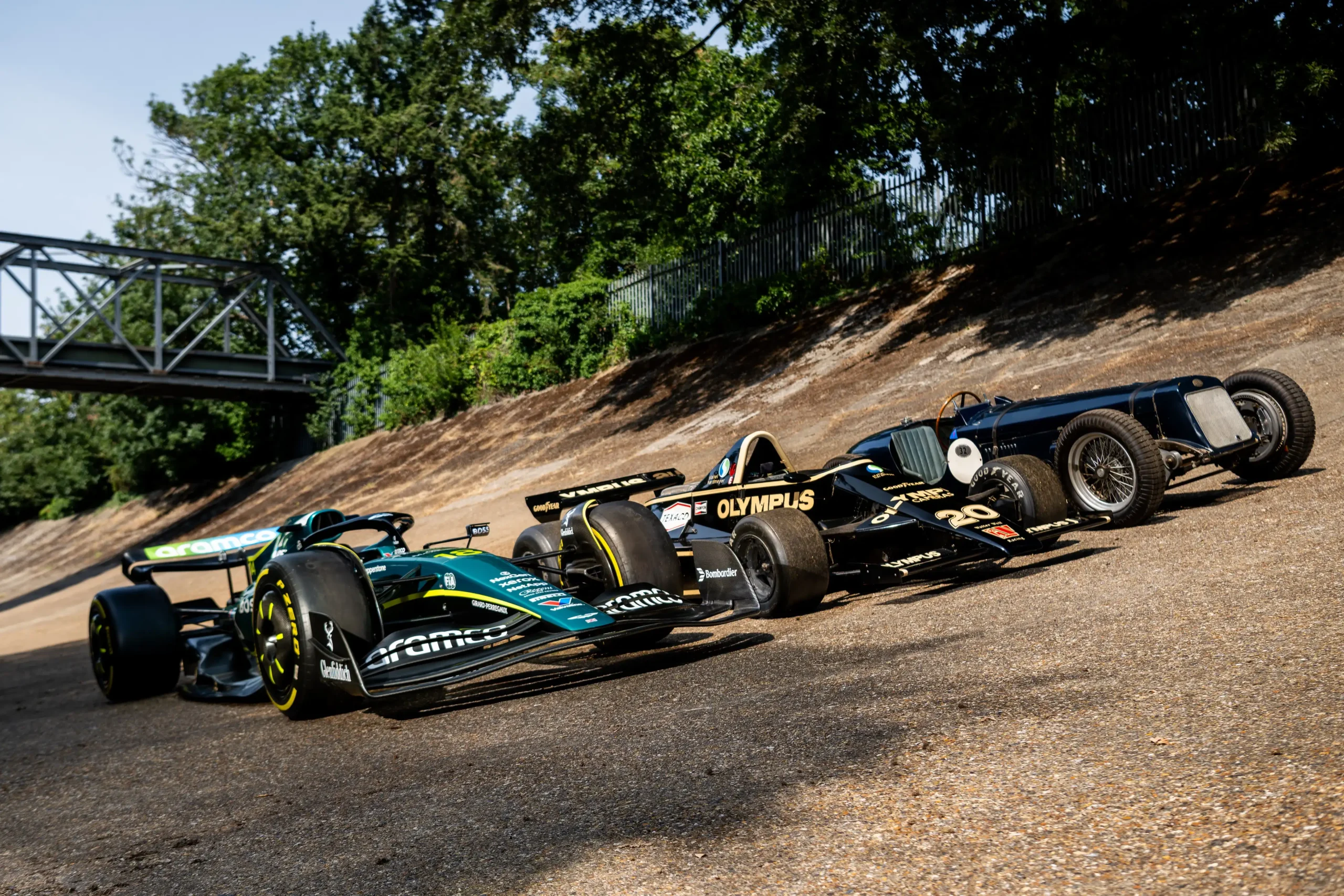
One hundred years after Britain staged its first Grand Prix at Brooklands, Mark G. Whitchurch looks back at the race that helped shape the country’s motorsport history – and ahead to a landmark celebration next month bringing 100 vintage and modern Grand Prix cars back to the circuit
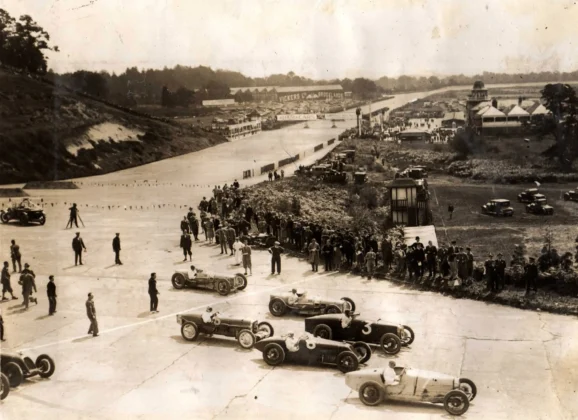
On a warm August morning in 1926, nine Grand Prix cars rolled onto the steep concrete banking of Brooklands, their engines crackling against the Surrey air as thousands of spectators pressed forward to witness something unprecedented. Britain, long a nation of engineers, aviators and speed chasers, was about to host its very first Grand Prix. The Royal Automobile Club had chosen Brooklands, the world’s first purpose-built motor racing circuit, as the stage for a race that would change the trajectory of British motorsport forever.
One hundred years later, that moment returns to life. On Saturday 8 August 2026, a century after Louis Wagner and Robert Sénéchal steered their Delage 15-S-8 to victory, Brooklands Museum will host the most ambitious celebration in its history: a gathering of 100 Grand Prix cars, spanning the entire evolution of top-level motor racing. The event is already sold out, a testament to the enduring pull of the birthplace of British motorsport. But on Friday 7 August, a limited number of tickets remain for the VIP Preview Night, offering enthusiasts a rare chance to experience the centenary festivities in a more intimate, atmospheric setting.
Brooklands was the creation of Hugh and Ethel Locke King, who envisioned a vast, banked circuit carved into the Surrey countryside. When it opened in 1907, it became the world’s first purpose-built motor racing track, a sweeping 2.75-mile oval whose steep concrete curves demanded bravery and rewarded innovation. With road racing banned on the British mainland, Brooklands quickly became the nation’s motorsport capital, attracting engineers, aviators and racers who saw speed not as spectacle but as progress.
By 1926, the Royal Automobile Club sought to bring Britain into the international Grand Prix arena. A bespoke circuit layout was created using the outer banking and temporary earthwork chicanes. On 7 August 1926, nine cars lined up for a gruelling four-hour contest. Wagner and Sénéchal’s Delage triumphed, with Malcolm Campbell finishing second in his Bugatti 39A. Aston Martin also competed, a name that, remarkably, remains on the modern Formula 1 grid today.
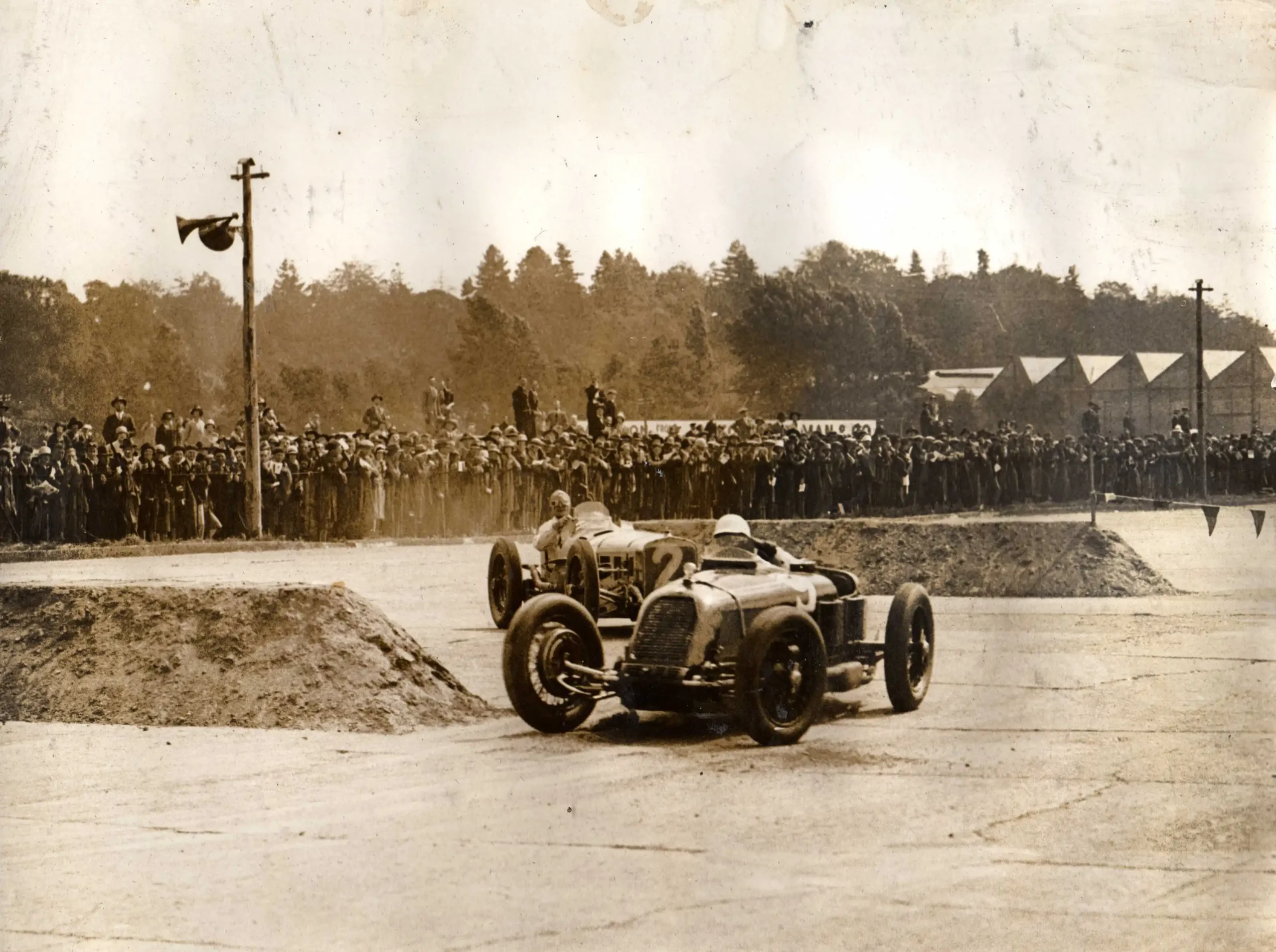
The 2026 centenary celebration is unprecedented in scale. Brooklands Museum will assemble 100 Grand Prix cars, from early pioneers to modern Formula 1 machinery, creating one of the largest gatherings of Grand Prix cars ever staged. Many will run in action: early cars on the preserved sections of the historic banking, and contemporary racers on the adjoining Mercedes-Benz World test track.
Among the most emotional returns is the Thomas ‘Flatiron’ Special, designed and built at Brooklands by Welsh engineer and racing driver J.G. Parry Thomas. Debuting in 1926, the car became a regular competitor at the circuit, its low centre of gravity and bespoke straight-eight engine making it one of the most advanced British racing machines of its era.
After Thomas’s death in 1927, the surviving car continued racing until the outbreak of war. One chassis was later scrapped in Canada, but the other endured – and has now been painstakingly restored by Geraint Owen, son of Owen Wyn Owen, who famously rebuilt Thomas’s land-speed car Babs. The Flatiron returns to Brooklands for the first time since 1958, and for the first time with a running engine in nearly a century.
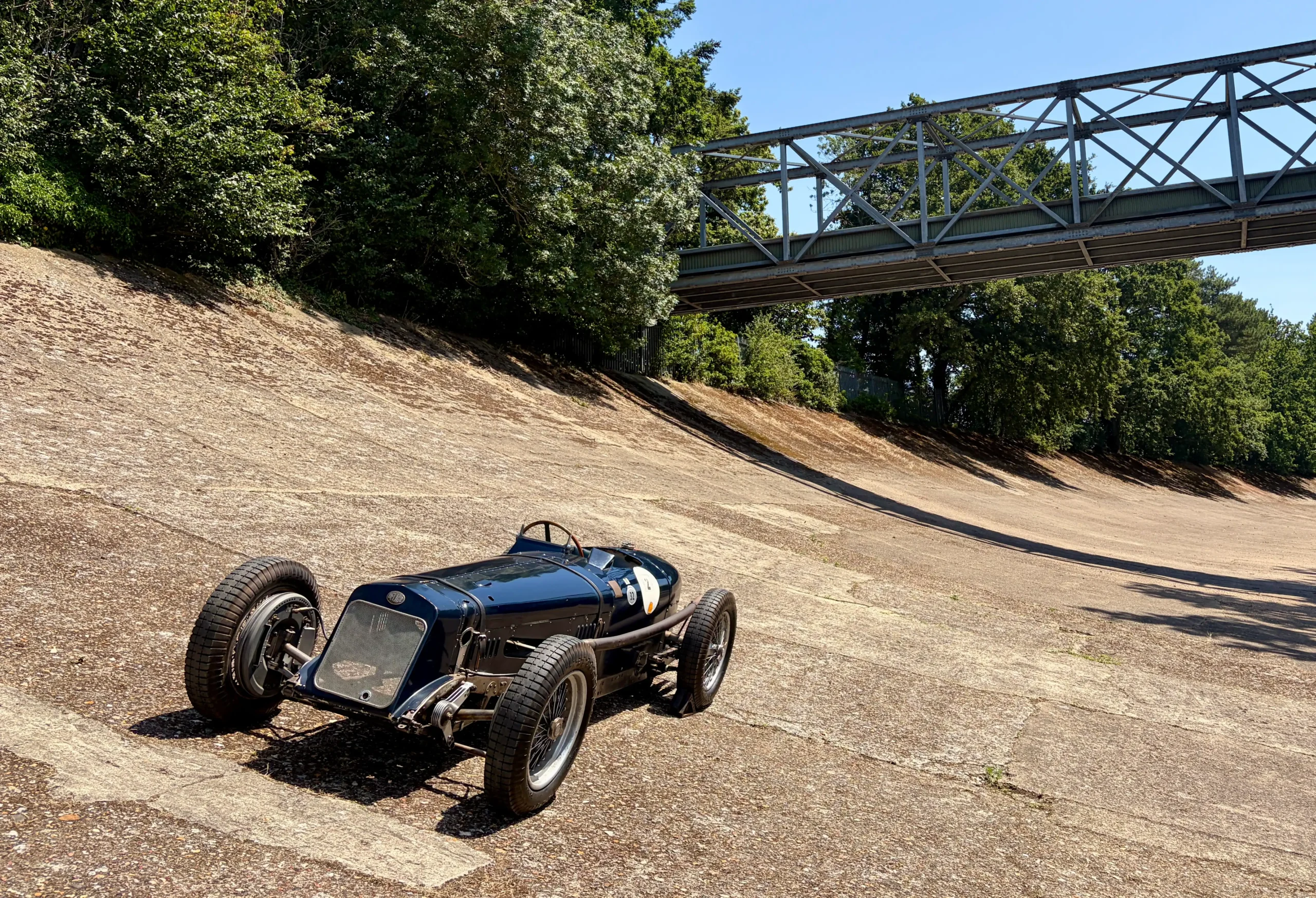
“It’s the first time the car has returned since 1958,” Owen said, “and back then it was not even complete with an engine. To see it running again at its birthplace, in its 100th year, is something truly remarkable.”
Representing the original winner from 1926, two Delage 15-S-8s will appear, including the chassis later raced at Brooklands by Richard ‘Dick’ Seaman. Their supercharged 1.5-litre straight-eight engines produce one of the most evocative soundtracks in motorsport history, a reminder of the mechanical ferocity that defined the 1920s Grand Prix era.
The Halford Special, one of the nine starters in the 1926 Grand Prix, returns as a symbol of British engineering ingenuity. Built on an Aston Martin chassis and originally fitted with a turbocharger – making it widely regarded as the world’s first turbo-assisted racing car – it ran inside the top three before retiring with transmission failure.
The mighty Sunbeam Tiger, which set a Land Speed Record of 152.33 mph in 1926, will be reunited with its sister car Tigress for the first time in more than 80 years. Both machines embody the era when British engineering straddled the worlds of circuit racing and land-speed record breaking.
The legendary Alfa Romeo 158/9, the ‘Alfetta’, also returns. Dominant in the early Formula One World Championship, it won 47 of 54 Grand Prix starts and carried both Farina and Fangio to titles. Its thunderous supercharged straight-eight remains one of historic racing’s greatest sounds.
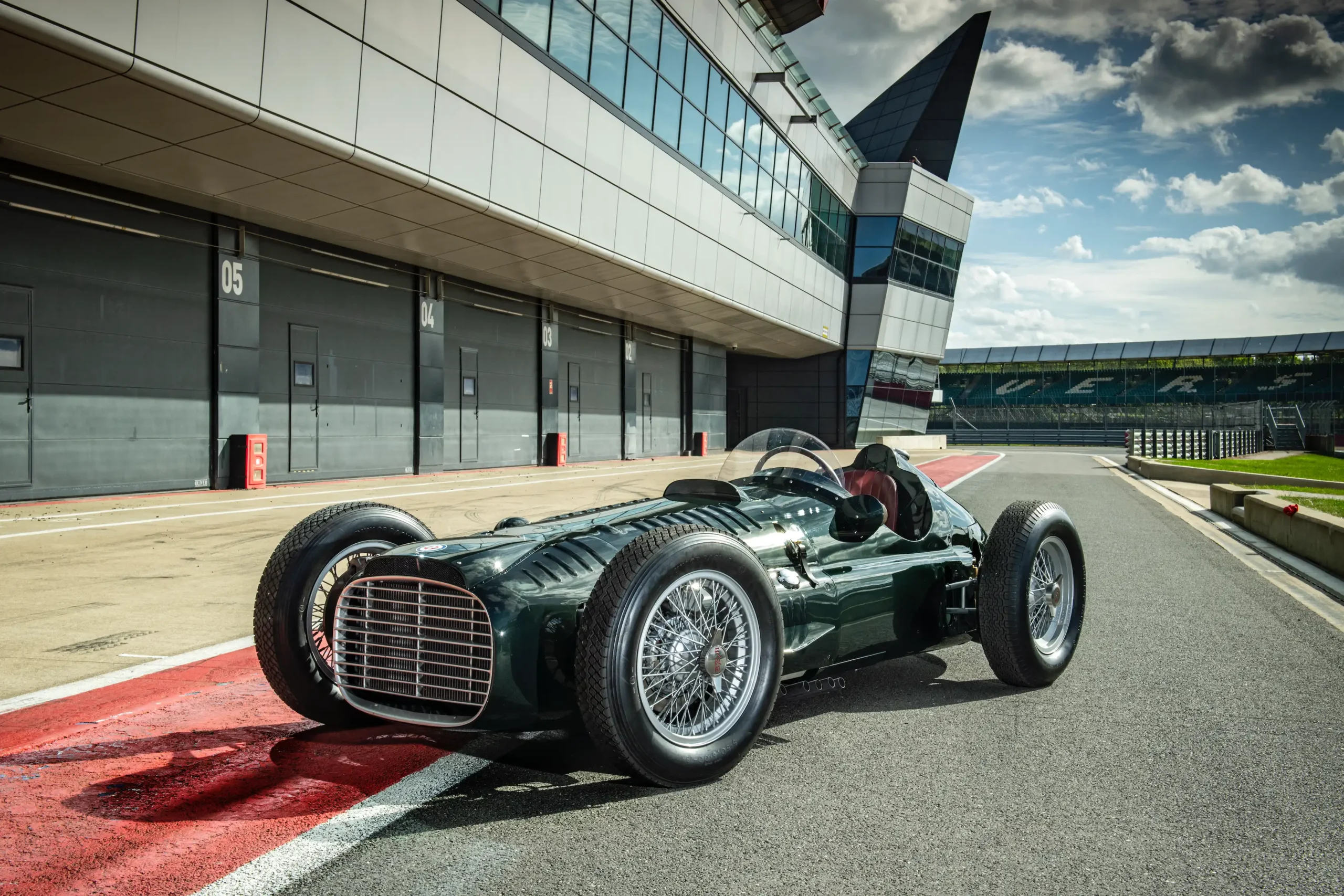
Post-War Icons are represented by BRM, McLaren, Brawn and Mercedes. The BRM V16, conceived as a showcase of British engineering, will run in action – its supercharged 1.5-litre V16 producing more than 600 bhp and an unforgettable, high-pitched scream.
McLaren Racing, based just miles from Brooklands, will bring three championship-winning cars, including the M23 (titles for Fittipaldi and Hunt) and the MP4/6, the V12-powered machine in which Ayrton Senna clinched his third World Championship in 1991. A modern papaya-liveried hybrid Formula 1 car will also appear, representing the reigning World Champions.
The Brawn BGP 001, the fairy-tale car that carried Jenson Button to the 2009 title, will be reunited in all three chassis built for Button and Barrichello.
And the Mercedes AMG Petronas W01, raced by Michael Schumacher in 2010, represents the modern era of British-based Formula 1 dominance – an era in which British teams and drivers have amassed 21 World Championships.
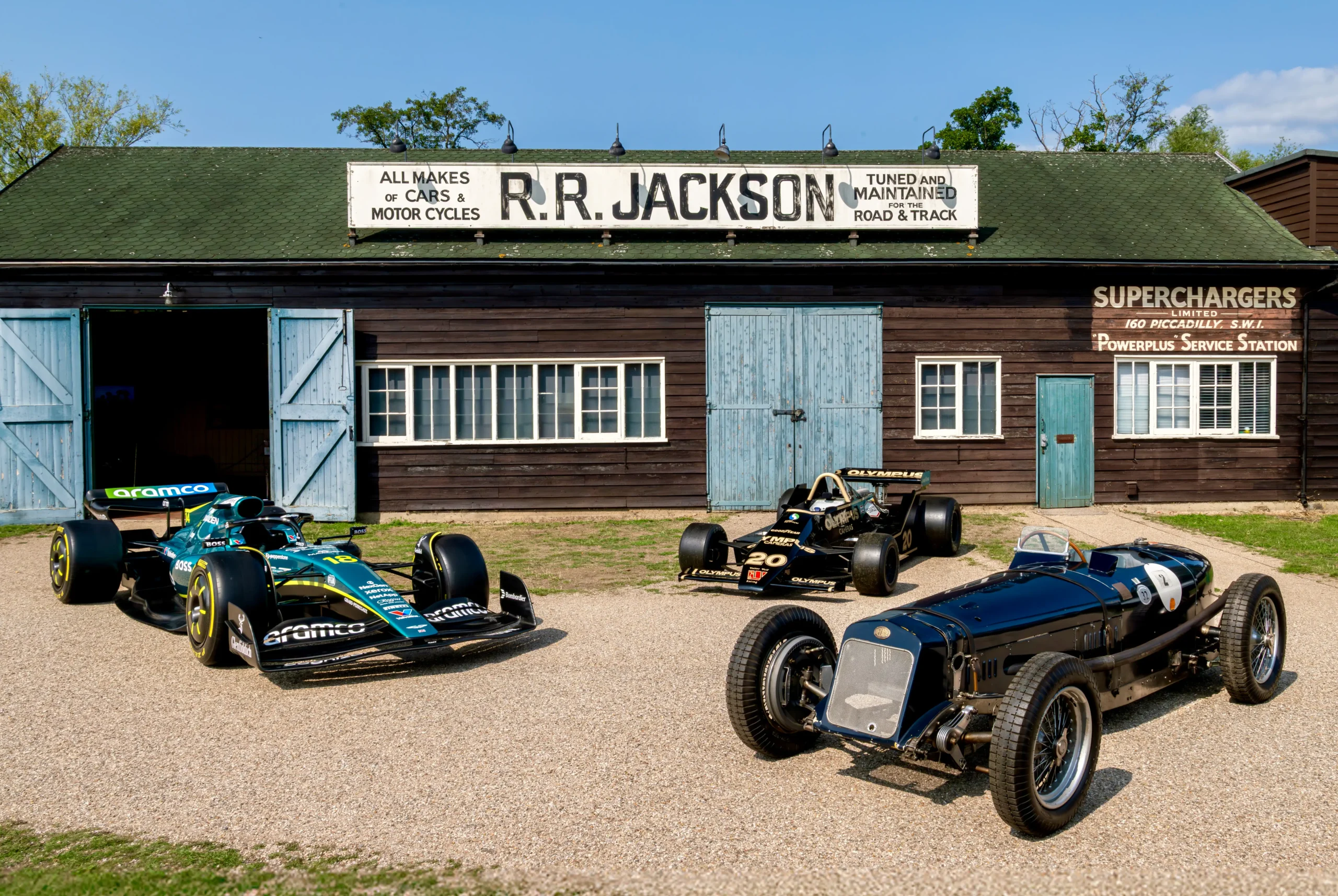
Alongside the outdoor celebrations, Brooklands Museum has opened a major new exhibition: Britain’s Grand Prix Story, housed in the historic Jackson Shed. It traces more than 100 years of Grand Prix racing, from the thunderous machines of the early 20th century to the cutting-edge technology of modern Formula 1.
The exhibition unfolds across themed sections: Where It All Began, recreating the atmosphere of the 1926 Grand Prix. Innovation Through the Decades, engines, aerodynamics, safety and materials. Driven by People, celebrating drivers, engineers, marshals and the human ecosystem of racing. Into the Future, featuring a mural of winning entries from the ‘Design a Grand Prix Car of the Future 2026’ competition.
Alex Patterson, Chief Executive of Brooklands Museum, describes the centenary as “a once-in-a-lifetime celebration” – a moment when the past and present of Grand Prix racing converge at the very place where Britain’s story began.
The 1926 Grand Prix was fraught with danger and bravery. It marked the moment Britain joined the world’s greatest racing nations. Its legacy can still be seen today in the remarkable success of British teams, drivers and engineers on the Formula One stage.
One hundred years later, the machines return. The banking echoes again. And Brooklands – dormant for decades after the war, yet preserved with care – becomes once more the beating heart of British motorsport.
For a century, Brooklands has symbolised Britain’s relationship with speed: daring, inventive, unafraid of the future. In 2026, that story is told not through nostalgia but through noise, motion and the living presence of the machines that made history.

Mark G. Whitchurch is a seasoned motoring journalist whose work—covering road tests, launch reports, scenic drives, major races, and event reviews—has appeared in The Observer, Daily Telegraph, Bristol Evening Post, Classic & Sports Car Magazine, Mini Magazine, Classic Car Weekly, AutoCar Magazine, and the Western Daily Press, among others. He won the Tourism Malaysia Regional Travel Writer of the Year in 2003 and is a member of The Guild of Motoring Writers.
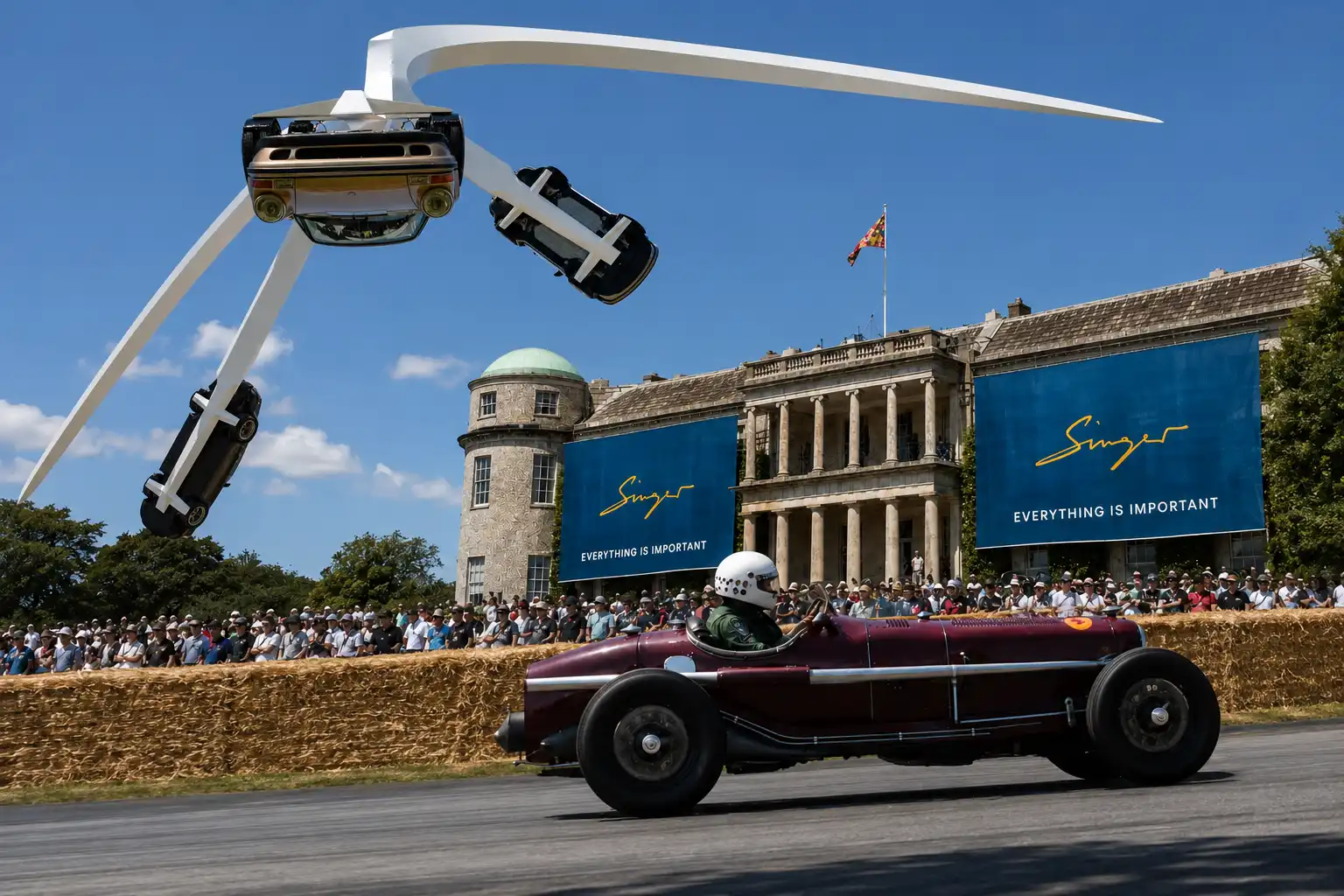
READ MORE: ‘Singer takes centre stage at Goodwood Festival of Speed‘. Boutique Porsche specialist becomes the first small marque honoured with the Festival’s central sculpture as Mark G Whitchurch reports from a hot and dusty Goodwood.
Do you have news to share or expertise to contribute? The European welcomes insights from business leaders and sector specialists. Get in touch with our editorial team to find out more.
Main Image: A modern Aston Martin Formula 1 car, a ground-effect Lotus and the Thomas ‘Flatiron’ Special illustrate the extraordinary century of engineering development being celebrated at Brooklands. Picture: Mark G Whitchurch