King Charles to reveal personal tax bill for first time

John E. Kaye
- Published
- News
Buckingham Palace says tomorrow’s publication will form part of wider drive for transparency after scrutiny of royal finances
King Charles will tomorrow become the first British monarch in modern times to reveal how much personal tax he pays.
The King’s tax payments will be published as part of the annual royal financial accounts, in a move Buckingham Palace said was personally decided by the monarch.
The disclosure will show the tax paid for 2024–25 on income including profits from the Duchy of Lancaster, personal investments and earnings from private estates such as Sandringham and Balmoral.
The decision follows growing pressure for greater openness over royal finances after scandals involving Andrew Mountbatten-Windsor.
Buckingham Palace told the BBC that the move formed part of a modernising drive to improve transparency and “encourage wider understanding of our accountability”.
A palace spokesman said: “To put it simply, we continue to modernise and evolve.”
The spokesman said the palace was committed to publishing the King’s tax payments every year.
Monarchs have no legal obligation to pay income tax, capital gains tax or inheritance tax on assets received from a previous monarch.
King Charles voluntarily pays income tax and capital gains tax on the sale of private assets.
He also disclosed how much tax he paid while Prince of Wales.
The Duchy of Lancaster, a property and investment portfolio that provides much of the monarch’s private income, made profits of about £24 million last year.
The estate includes land in the north of England and property in central London.
Tomorrow’s financial report will also include details of the Sovereign Grant, the annual public funding used to support the Royal Household.
The grant covers official costs including staff, building upkeep and travel for public engagements.
The Sovereign Grant has risen to a record £137.9 million, with a temporary increase used to help pay for renovations to Buckingham Palace.
A review by the Treasury, Downing Street and the Royal Household is expected to lead to the first reduction in the grant since it was introduced in 2012.
MPs will have a chance to debate the Sovereign Grant when legislation comes before Parliament.
Royal property and leases will also face closer scrutiny from the Public Accounts Committee, which is preparing an inquiry after an initial National Audit Office report on royal accommodation.
The rent for their accommodation was paid by the King from his private income.
Buckingham Palace said parliamentary oversight already applied to the Sovereign Grant.
The palace said publishing the King’s personal tax information would “enhance this transparency still further” in a way “in keeping with our public service priorities”.
READ MORE: The legality of tax planning in an age of moral outrage. Tax planning provokes moral outrage far beyond its legal meaning. Harry Margulies examines how everyday, lawful decisions are recast as suspect behaviour, why legality remains the only workable standard in a free society, and how differing tax regimes create incentives that individuals and businesses are rational to follow.
Do you have news to share or expertise to contribute? The European welcomes insights from business leaders and sector specialists. Get in touch with our editorial team to find out more.
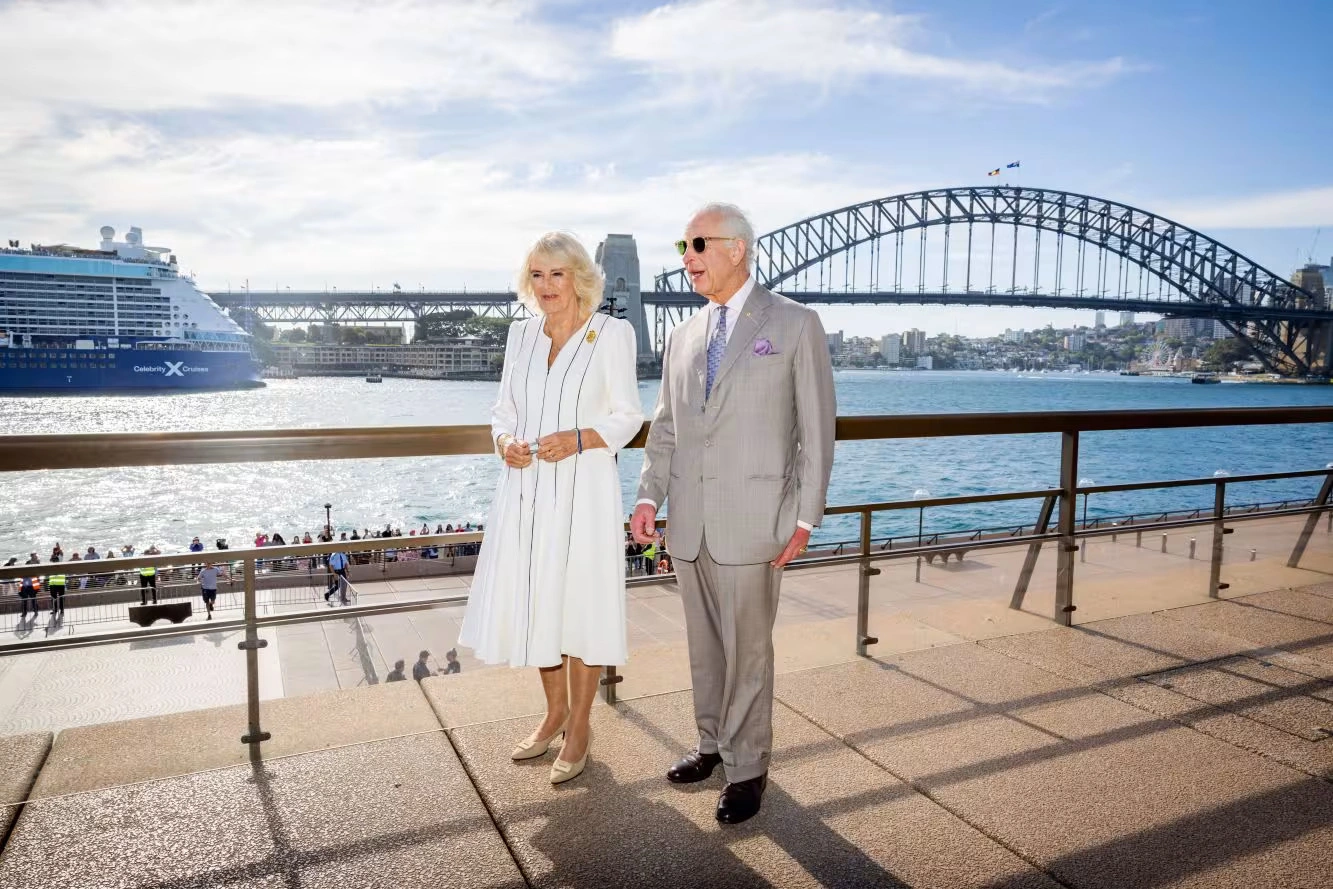
Main image: King Charles III and Queen Camilla in front of the Sydney Harbour Bridge during their royal visit to Australia in October 2024. The King’s tax affairs will be revealed tomorrow for the first time, according to Buckingham Palace. Credit: NSW Government / CC BY 4.0
TOP STORIES
-
 Britain faces higher winter energy prices as reliance on European electricity imports grows
 -
Andy Burnham to make special Gogglebox appearance for Stand Up To Cancer
-
WPSL Golf targets £120 million valuation as billionaire-backed corporate deals and other commercial deals drive explosive global growth
-
Hackers could bring Britain’s essential services to a standstill, security chief warns after global website shutdowns
-
We're talking to almost twice as many people on the phone as a decade ago, study finds
-
TalkTalk sells majority stake in Telecom Acquisitions as founder Nigel Barnett regains control
-
Company closures soar ahead of tax rises as new Budget looms
-
Himalayan mountainside moved 40cm before avalanche killed 1,451 in Nepal, scientists reveal
-
Russia takes control of more European corporate assets amid Ukraine tensions
-
EU leaders resist calls to delay carbon rules as energy costs soar
-
‘A big step forward’ – PM Andy Burnham hails plans for Great British Railways HQ in Derby
-
UK economy grows just 0.1 per cent as construction falls and services stall
-
Germany risks losing €155bn a year under tighter AI data rules, new study warns
-
Pope Leo XIV diagnosed with lung cancer after surgery in Rome
-
France faces freezer meltdown as hackers strike supermarket chains
-
Bumble shares soar 50% amid $1bn takeover talks
-
China slump drives Volkswagen to sharpest quarterly fall in more than four years
-
Hollywood mega-powerhouse created as Paramount completes Warner Bros Discovery takeover
-
Gamers face gridlock as latest Grand Theft Auto download 'nears two days'
-
Samsung profits soar ninefold to record £61bn amid AI chip boom
-
New Springer books put the UN’s struggling sustainability goals to the real-world test
-
Europe’s solar boom set for two-year slowdown after record growth
-
Let it pea. Musicians turn vegetables into instruments at Beatles' Abbey Road studios
-
Golden naked Trump statue unveiled at European Parliament
-
Jaguar puts controversial rebrand on the road with £130K 1,030PS Type 01