Ahead of the International Day of Action for Rivers later this month, Alan Lawson reflects on rivers as dynamic natural systems that shape landscapes, sustain ecosystems and influence how human societies live alongside the natural world
Most of us feel too self-conscious to dance in public. Last summer we passed a middle-aged Thai woman dancing beside a fountain in Lausanne, music blasting from a small speaker while the Swiss crowd shuffled past in disbelief. Her smile and obvious joy were infectious. I felt the urge to join her, though not strongly enough to overcome a lifetime of British reserve. I shuffled past like everyone else, offered an awkward, approving smile, and concluded that with people like this there are only two choices: treat them as odd and walk on, or join them.
Rivers are weird things. Heraclitus, the ancient Greek pre-Socratic philosopher, once said, “You cannot step into the same river twice’”. He understood, as children often do when puzzling over ideas such as everlasting life, that describing the world as a collection of fixed things simplifies reality without truly explaining it. We cannot visit a river more than once because the water has gone, it is being replaced by new waters every second of every day. All we can do is return to the place, the scar in the earth carved by centuries of erosion, and what we witness is a movement traced from source to sea rather than a fixed form.
In that sense rivers are a little like the infectious dance I witnessed in Lausanne — fleeting, memorable and soon gone. In many ways they are a kind of ‘happening’: something that exists as movement rather than as a fixed object. Language makes them seem more solid than they are. We give them names and treat them as places we can return to, fish, dam or use to generate kilowatts of power. Others, though, sense something more mysterious in them, closer to the presence the German poet Hölderlin evokes in the final lines of Der Ister, his poem about the Danube: “Yet what that one does, that river. No one knows.”
In his 2025 book ‘Is a River Alive?’, the British nature writer and poet Robert MacFarlane takes us on three journeys into the spirit of rivers. It’s both a philosophical book, a meditation, and at times a eulogy. MacFarlane’s lyricism moves easily between natural history, the people involved in the protection of rivers, and the moral argument. His undeniable reverence for the spirit of a river is, however, what convinces the reader that they are not simply resources but presences.
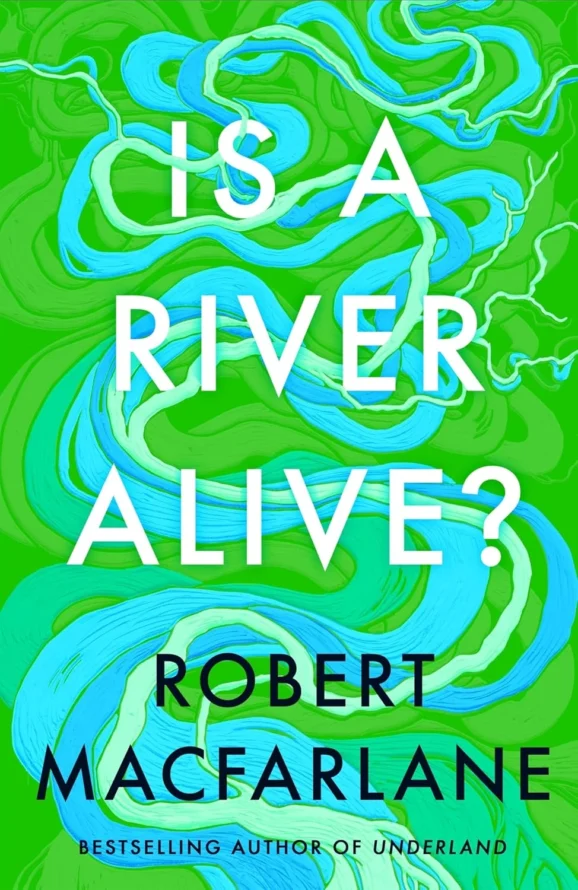
Macfarlane tells us that, “Each river is differently spirited and differently tongued, and so must be differently honoured’”. The success of the book lies in how it brings that idea to life, drawing readers away from their sofas and out into the landscape to seek out rivers for themselves. But the search is not straightforward. MacFarlane reminds us that, “If you interrogate a mystery, don’t expect answers in a language you can understand”. This is precisely my experience of trying to confront the rivers in my local area.
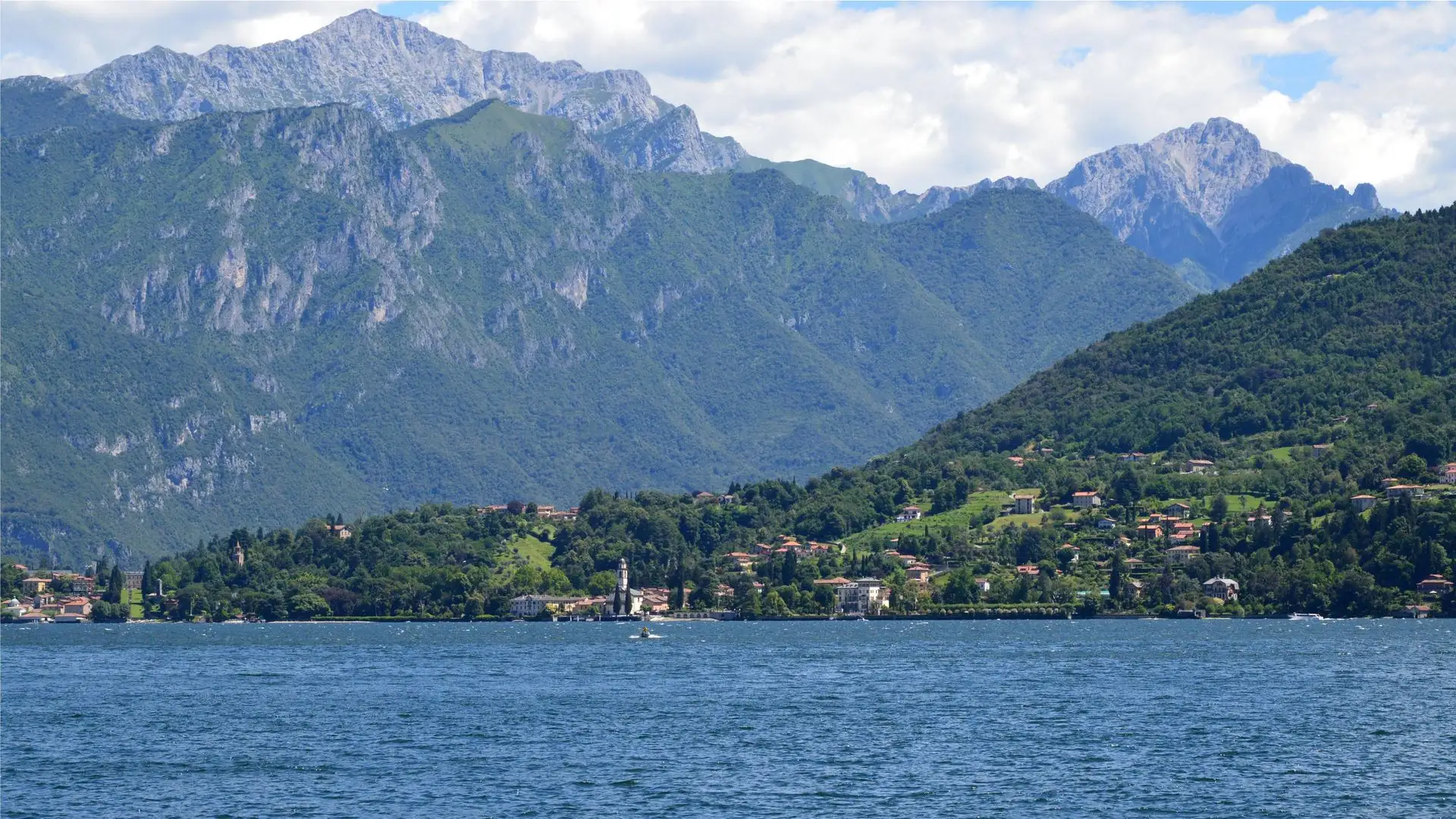
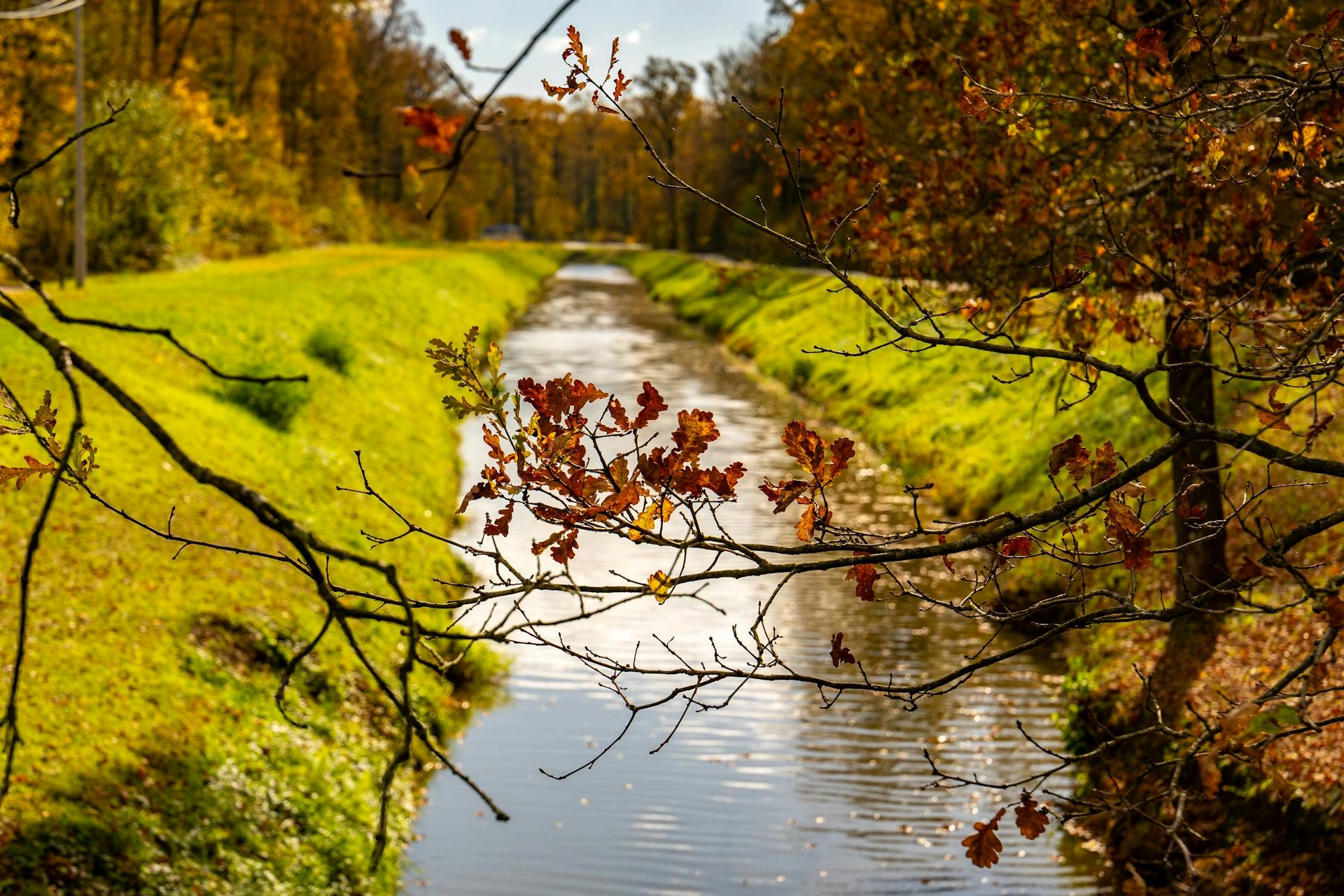
It’s still winter here in the Alps, snow covers the land, and the rivers are frozen in places. It’s a special moment because water is briefly held, captured by the cold air. Water that will soon go hurtling to the Rhone valley, to be absorbed in the milky eddies, is stuck fast.
On a recent walk, I was listening to a record called ‘Song with no name’ by Johnny Flynn, written incidentally with Robert MacFarlane. I struggle to express what happened next, except that it was monumental, eviscerating, and wonderful. Whether it was the rusting vibrato of Flynn’s voice, MacFarlane’s words (“Ache for the ones who’ve walked before me, joy for the ones who walk beside me”), or the half-frozen stream before me, I suddenly found myself dancing. Well, not quite dancing, but at least unencumbered, as though music and river tempted me out of myself for a few long minutes.
Is a river alive? MacFarlane believes so, and I think I agree, but they need our help.
On 14th March it is International Day of Action for Rivers. Cities, agriculture, and industry of course rely on rivers. For centuries we have used and treated them primarily as assets: channels for trade, reservoirs of hydroelectric power, and dams, and engines of economic development. But a quiet shift is underway. The More-Than-Human Life (MOTH) collective, of which MacFarlane is a part, brings together writers, lawyers and environmental thinkers who argue that human societies do not stand above nature but exist within a wider community of living systems. Their work often focuses on the idea that rivers, forests and ecosystems sustain entire webs of life and culture, and that the way we think about them should reflect that relationship rather than seeing them only as assets to manage or exploit.
In this sense the argument echoes the philosopher Peter Singer’s critique of “speciesism”, the belief that human interests automatically matter more than those of other beings simply because they are human. Writing mainly about animals, Singer posed a simple question: “The question is not, can they reason? nor can they talk? but, can they suffer?” The point was that the capacity to suffer, rather than intelligence or speech, should guide how we treat other living creatures. In many places that idea has helped change attitudes towards animal welfare, with greater recognition that the suffering of non-human species also matters.
Rivers complicate this question further. They are not animals. They do not feel pain in the way Singer describes. Yet they are perhaps alive in another sense: dynamic, self-shaping systems that sustain entire ecologies and cultures. Much like humans. The category of the human is less stable than we like to think. Each of us is not a single organism but a teeming ecosystem of bacteria, microbes and symbiotic life. What we call a ‘person’ is already a collaboration. And the thing we revere in our friends and loved ones is not reducible to the sum of the parts.
Seen this way, the question ‘Is a river alive?’ may be less about biology than about imagination. It asks whether we can move beyond the old metrics of personhood, ownership, utility, and recognise forms of value that do not fit easily on a balance sheet.
Because if a river is alive, the correct response is not simply to manage it.
It is to listen.
And perhaps, sometimes, to dance.
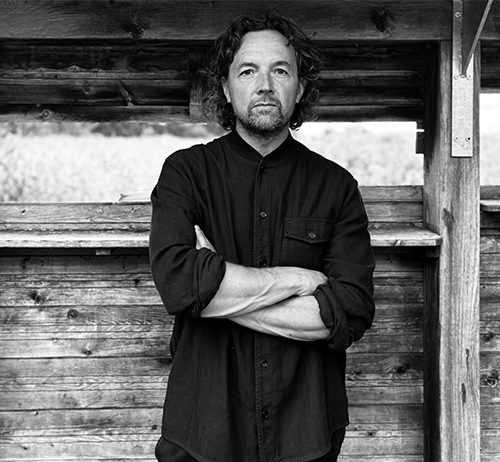
Alan Lawson is an award-winning artist, writer and climber of Scottish–Spanish descent, with paintings held in public collections including the Scottish National Portrait Gallery. A graduate of the Florence Academy of Art and co-founder of The Alpine Fellowship, his writing has appeared in journals such as Studies in Photography, American Arts Quarterly and Bare Hands Poetry Magazine, and he was shortlisted for the 2014 Bridport Poetry Prize. His debut novel The Birdwatchers will be published by Foreshore Books in March
READ MORE: ‘Fipronil: the silent killer in our waterways‘. A routine flea and tick treatment used on millions of pets may be quietly poisoning Europe’s rivers, threatening wildlife and raising unanswered questions about drinking water safety, warns retired vet and environmental campaigner Dr Ueli Zellweger.
Do you have news to share or expertise to contribute? The European welcomes insights from business leaders and sector specialists. Get in touch with our editorial team to find out more.
Main image: Vladimir Srajber/Pexels