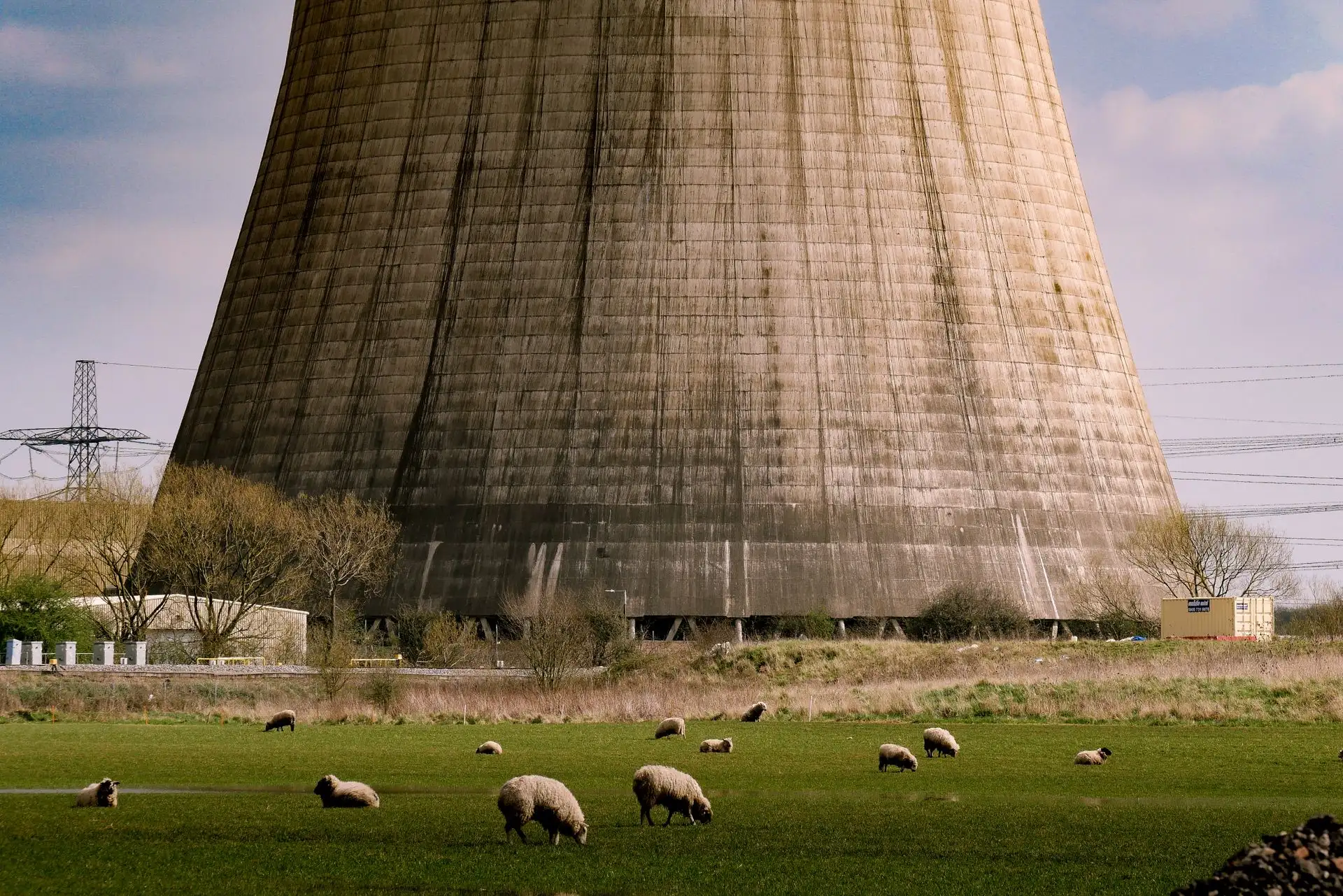
The Silicon Valleys
John E. Kaye
- Published
- Home, Opinion & Analysis, Technology

Thanks to major Government investment, ambitious plans to level-up the Welsh Valleys and transform them into the UK’s largest tech hub represent huge potential for the savvy entrepreneur, writes Julian Ruck
Earlier this year, ambitious plans were revealed to create the UK’s largest tech hub stretching across South Wales and the south-west of England. The “supercluster” of firms could rival Silicon Valley, according to Western Gateway, the cross-board partnership behind the venture. Its aim is to attract exciting start-ups and the world’s biggest firms working in artificial intelligence, quantum technology and advanced manufacturing to the region. This will create new jobs and “further strengthen the UK’s position as a cyber power”, according to Viscount Camrose, the government’s cyber minister.
Western Gateway’s vision looks likely to succeed, in part because the Welsh Government is already doing everything it can to change the torrid reputation of its Valleys – where job losses across numerous industries have left gaping holes in local employment and regional income – and to transform the region into a hotbed of emerging technologies. Its £100m ‘Tech Valleys’ scheme hopes to leverage £4bn of private investment across South East Wales and create a springboard for a new generation of high-growth companies.
But Western Gateway’s plan is likely to succeed for an altogether different reason, too. Despite heavy investment – from the Welsh Government and from Brussels – and matching hyperbole, the Welsh Valleys remain a place of low employment and high deprivation. Not so long ago, the region – stretching north from Cardiff – was part of one of the biggest coal-producing areas in the world, but its de-industrialisation has been deep and long-lasting, and decades of attempts to overcome economic blight have failed. Sugar-coat it we might, but the process of levelling-up the area will be long and expensive.
But for savvy investors and ‘think-outside-the-box’ start-ups, the region’s historic challenges represent a golden opportunity. Commercial property, for instance, is relatively cheap and plentiful; space does not, for the most part, come at a hefty premium. And firms working in or setting-up in the wider technology sector are, on balance, likely to receive substantial government backing. SIMBA Chain, a cloud-based tech company, is a case in point. The US firm set up shop in Ebbw Vale in 2021 and benefited from £737,000 funding – from the Tech Valleys scheme – in the process.
Spin aside, the Welsh Valleys are a world away from Silicon Valley in more ways than one, But their potential – untapped for the most part – is huge. Now, more than ever, is the time to cash in on the action.

Julian Ruck is an academic lawyer-turned political commentator, newspaper columnist and broadcaster with a focus on legal, societal, and political injustices in the Welsh and UK governments. He is the author of seven acclaimed novels and remains a columnist for two of Wales’ largest newspapers.
Main image: Courtesy Pexels/Sam Crowson
TOP STORIES
-
Rewilding improves wellbeing and community connection, charity report says -
RABAM raises $500,000 ahead of Series A round -
Prologis agrees £14.3bn takeover of UK warehouse group Segro -
Germany’s former coal heartland makes pitch as Europe’s next AI hub -
Iran war shock hits Eurozone spending twice as hard as expected -
Spain urges EU rules as Chinese factories move in -
Shell earnings more than double as Middle East conflict lifts energy prices -
Deutsche Bank profits rise as trading business booms -
Europe’s worst wildfires in modern times could cost billions -
The European Summer 2026 edition – out now -
British buyers fuel Greek luxury property boom after non-dom tax change -
New York named world’s most attractive city for tourists -
Saab lands German frigate deal after Poland submarine order -
Students unveil world’s first solar-powered ambulance -
Burnham told to tackle Britain’s cyber weak spots on day one -
Doctors using AI before health systems set the rules -
Humanoid robots could become the next K-pop stars -
Hormuz flashpoint keeps global shipping on high alert -
Scientists to gather in Lisbon to tackle next pandemic threats -
Burnham warned digital exclusion is now a national security risk -
Masts from Kent ‘doomsday wreck’ to be cut to prevent catastrophic explosion -
GigaCloud and Cubbit launch sovereign cloud storage for Ukraine and Poland -
Tributes paid to ‘forthright and fearless’ Ann Widdecombe -
Boeing to debut Ghost Bat drone at Farnborough Airshow -
Reeves opens ‘£2bn lifeline’ for small firms
TOP STORIES
-
Could YOU spot a deepfake influencer? -
The dangerous precedent behind the Shabir Ahmed deportation row -
Why medical research struggles to explain chronic disease -
Memorial quilts honouring lives lost to suicide tour the UK -
How Cyprus is surviving Europe’s growing water crisis -
What ‘passport bros’ misunderstand about Thai women -
Andy Burnham must learn Mark Carney’s hardest lesson -

What Yellowstone’s wolves could teach us about our pets’ health -
How I would close the sociology gap inside AI companies -
Why Europe’s rush to rearm cannot end the fear of nuclear war -
Military chaplains must not be left behind in the age of autonomous weapons -
Minority women are more visible in the creative industries but still underrepresented in ownership -
I was inside the Millennium Dome when the £200M diamond raiders struck -
Why AI Companies need a resident sociologist -
Andy Burnham becomes Prime Minister in five days – now he must deliver for disabled people -
Bosses: stop writing off talent over exam results -
Workplace neuroinclusion is failing before support even begins -

The NHS cannot call it ‘community care’ while patients are left waiting at home -
How the Battle of the Somme shaped the role of the modern military chaplain -
Elon Musk’s trillion-dollar fortune shows why taxing wealth is never simple -
What Britain can learn from Caribbean heat -
Could Europe's age verification app put citizens' personal data at risk? -
AI’s unequal future can be found on the streets of Hanoi -
Could Canada's GlobalEye deal become the first test of a new Atlantic partnership? -
America at 250 is a republic squandering its inheritance