PwC: G20 economics slow pace of decarbonisation
John E. Kaye
- Published
- Home, Sustainability

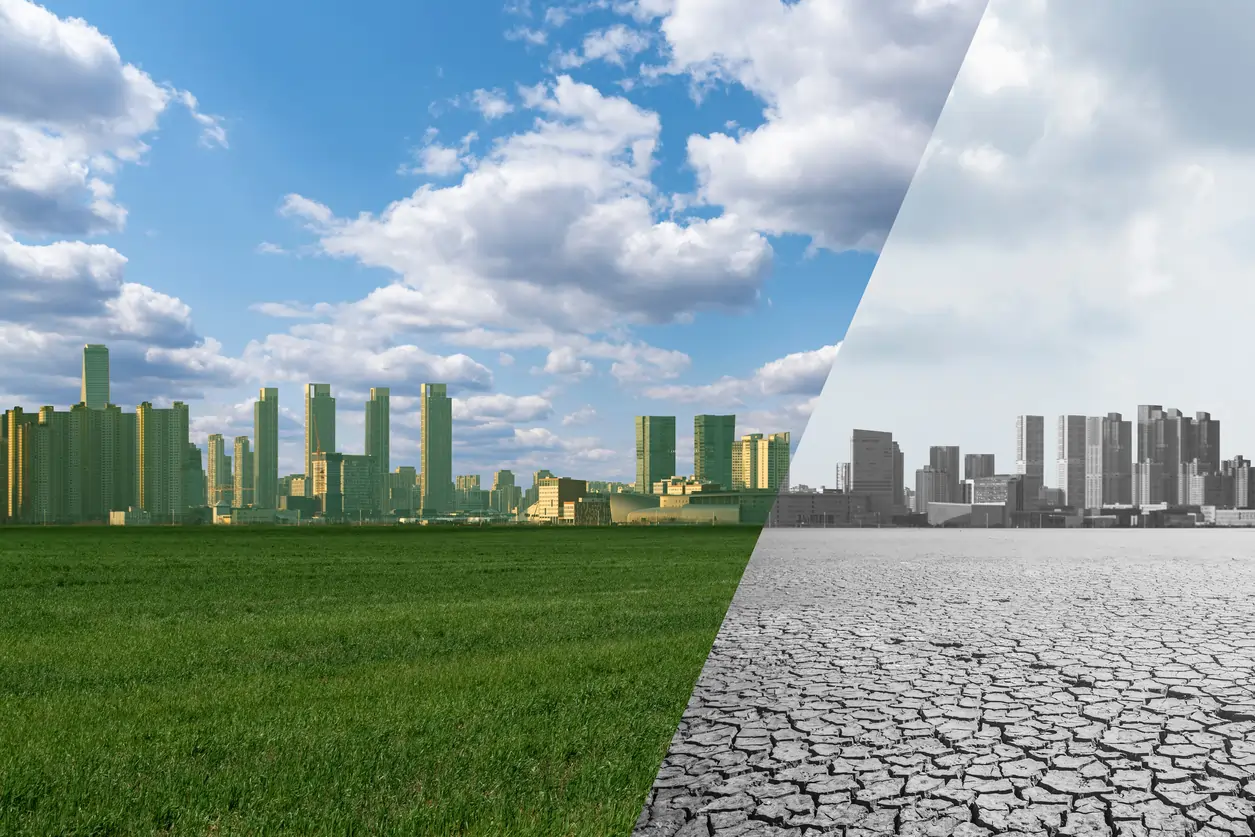
Decarbonisation rates in the Group of Twenty (G20) economies slumped to their lowest level in two decades last year, consulting firm PwC said, falling short of what is needed to reach the world’s climate goal. PwC said the pace of change needed to pick up to get back on track with an objective of capping global warming at 1.5°C. “No country in the G20 is decarbonising quickly enough to maintain a safe climate,” PwC Net Zero Economy Index showed.
Global decarbonisation fell to 0.5%, a long way below the 12.9% required to keep temperature rises in line with the target, while in the G20, it landed at just 0.2%. Dan Dowling, partner at PwC UK, said in a statement the world was falling “alarmingly” short of the rate needed to meet the Intergovernmental Panel on Climate Change’s 2030 deadline to reduce emissions by 43%.
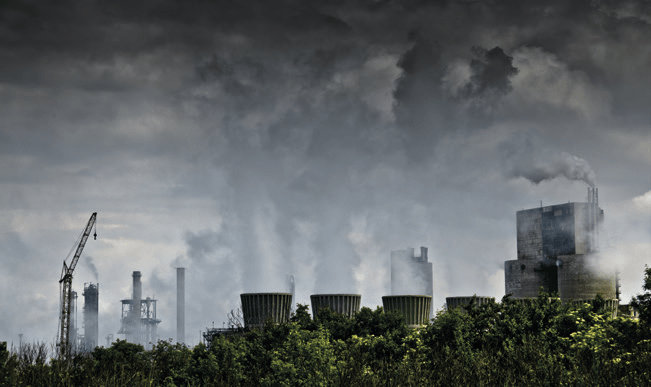
The average global rate of decarbonisation must now reach 15.2% year-on-year, the PwC analysis revealed, 11 times faster than that achieved since 2000. Nine out of the G20 economies, which together account for around 80% of global energy-related emissions, increased their carbon intensity in 2021, PwC said, based on levels of energy consumption relative to their GDP and its carbon content.
South Africa was the strongest performer, with a decrease of 4.6%, followed by Australia at 3.3% and China at 2.8%.
“Nations must make radical changes to both their energy mix and their energy usage,” Dowling said. “If we fail, the costs of adapting to climate change will continue to increase.”
“Simply put, we do not have enough time for poor decarbonisation performance to become the norm, regardless of unexpected events, and whatever their magnitude,” he added.
TOP STORIES
-
Stanley Johnson: the Government must ‘follow Ukraine back into Europe’s green network’ -
Ukraine joins European environment network in major conservation step after war damage to land and wildlife -
China offers UK coastal rescue lessons as Yancheng wetlands hailed by conservation figures -
Building Africa’s integrated energy future: how Tetracore Energy Group is expanding access to reliable and sustainable energy -
UK hedgehog charity backs bid to put endangered mammal on new banknotes -
Changing of the tide? How Mallorca is fighting to protect its clear blue seas -
UK net zero economy worth £105bn and supports 1.1m jobs -
Buffett succession moment frames investor talks on long-term value -
Women’s leadership summit at UN focuses on capital, justice and future economy -
Women hit by Indonesia disasters to receive 5,000 hygiene kits -
Global CSR Foundation chief uses Davos platform to call for ethical AI and women-led growth -
Solar and storage: Europe’s response to energy crises -
Parked electric cars could help power island ferries in German trial -
Meet the Earth Prize-winning teenager tackling the world’s microplastic crisis -
Middle East tensions expose Europe’s energy vulnerability as flexibility reshapes clean energy investment -
Landmark UK nuclear deal to cut reliance on foreign energy after Middle East tensions -
EU moves to make Europe’s tinderbox landscapes less prone to wildfire -
Supermarkets move to end sale of live lobsters and crabs ahead of UK ban -
Strong ESG records help firms take R&D global, study finds -
How residence and citizenship programmes strengthen national resilience -
Global leaders enter 2026 facing a defining climate choice -
EU sustainability rules drive digital compliance push in Uzbekistan ahead of export change -
China’s BYD overtakes Tesla as world’s largest electric car seller -
UK education group signs agreement to operate UN training centre network hub -
Mycelium breakthrough shows there’s mush-room to grow in greener manufacturing
PwC: G20 economics slow pace of decarbonisation
John E. Kaye
- Published
- Home, Sustainability

TOP STORIES
-
Stanley Johnson: the Government must ‘follow Ukraine back into Europe’s green network’ -
Ukraine joins European environment network in major conservation step after war damage to land and wildlife -
China offers UK coastal rescue lessons as Yancheng wetlands hailed by conservation figures -
Building Africa’s integrated energy future: how Tetracore Energy Group is expanding access to reliable and sustainable energy -
UK hedgehog charity backs bid to put endangered mammal on new banknotes -
Changing of the tide? How Mallorca is fighting to protect its clear blue seas -
UK net zero economy worth £105bn and supports 1.1m jobs -
Buffett succession moment frames investor talks on long-term value -
Women’s leadership summit at UN focuses on capital, justice and future economy -
Women hit by Indonesia disasters to receive 5,000 hygiene kits -
Global CSR Foundation chief uses Davos platform to call for ethical AI and women-led growth -
Solar and storage: Europe’s response to energy crises -
Parked electric cars could help power island ferries in German trial -
Meet the Earth Prize-winning teenager tackling the world’s microplastic crisis -
Middle East tensions expose Europe’s energy vulnerability as flexibility reshapes clean energy investment -
Landmark UK nuclear deal to cut reliance on foreign energy after Middle East tensions -
EU moves to make Europe’s tinderbox landscapes less prone to wildfire -
Supermarkets move to end sale of live lobsters and crabs ahead of UK ban -
Strong ESG records help firms take R&D global, study finds -
How residence and citizenship programmes strengthen national resilience -
Global leaders enter 2026 facing a defining climate choice -
EU sustainability rules drive digital compliance push in Uzbekistan ahead of export change -
China’s BYD overtakes Tesla as world’s largest electric car seller -
UK education group signs agreement to operate UN training centre network hub -
Mycelium breakthrough shows there’s mush-room to grow in greener manufacturing