China’s ambassador says Yancheng can help deepen cooperation with Britain and Europe on biodiversity and climate resilience, as Stanley Johnson and international conservation figures urge governments to treat coastal protection as a strategic priority
China has offered to deepen environmental cooperation with Britain and Europe over the protection of threatened coastlines, as its restored Yancheng wetlands are held up as proof that damaged habitats can recover.
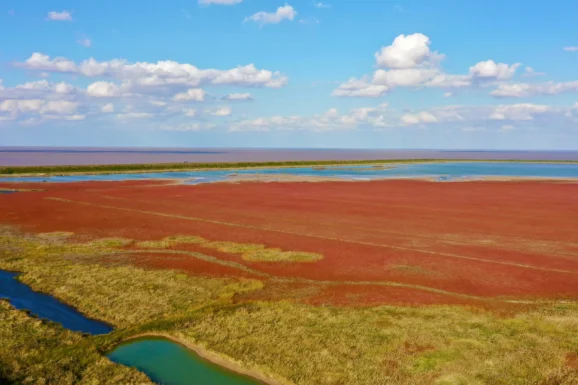
The 460,000-acre site, in Jiangsu province, is China’s first marine-related World Heritage Site and has become a sanctuary for endangered birds and other species after years of restoration work.
Conservation work at Yancheng has included the creation of new high-tide habitat, protection for key feeding grounds and long-term investment in wetland recovery.
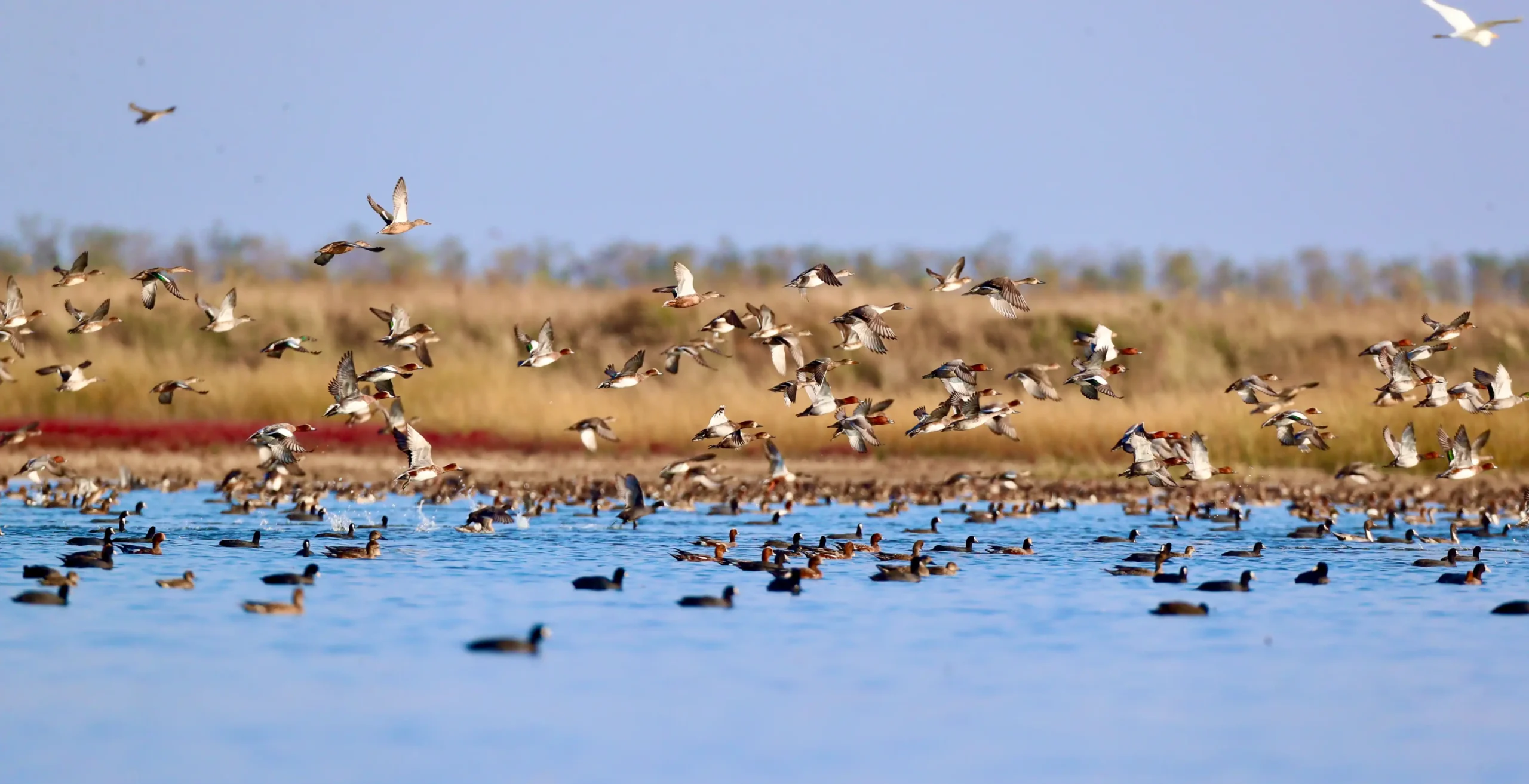
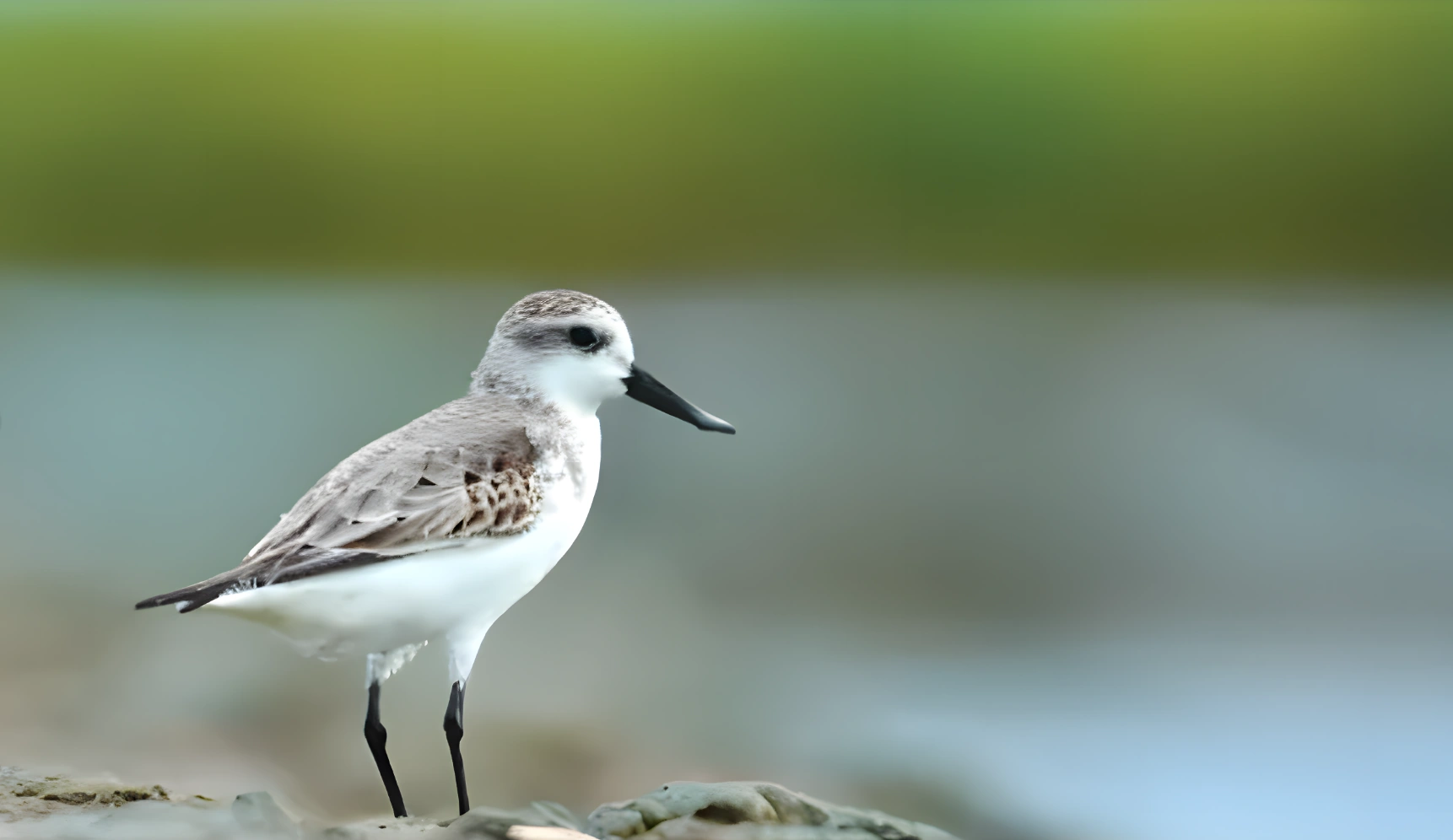
The site now supports hundreds of red-crowned cranes each winter, as well as spoon-billed sandpipers, Oriental storks, Saunders’s gulls and other species on migration to Southeast and South Asia and Australasia.
Its recovery has also helped build a birdwatching and wetland eco-tourism economy, making it an example of how conservation can support jobs, tourism and local communities.
Zheng Zeguang, China’s ambassador to the UK, said Yancheng could be used as a practical case study in future exchanges with Britain and Europe on wetland recovery, species protection and conservation-led local development.
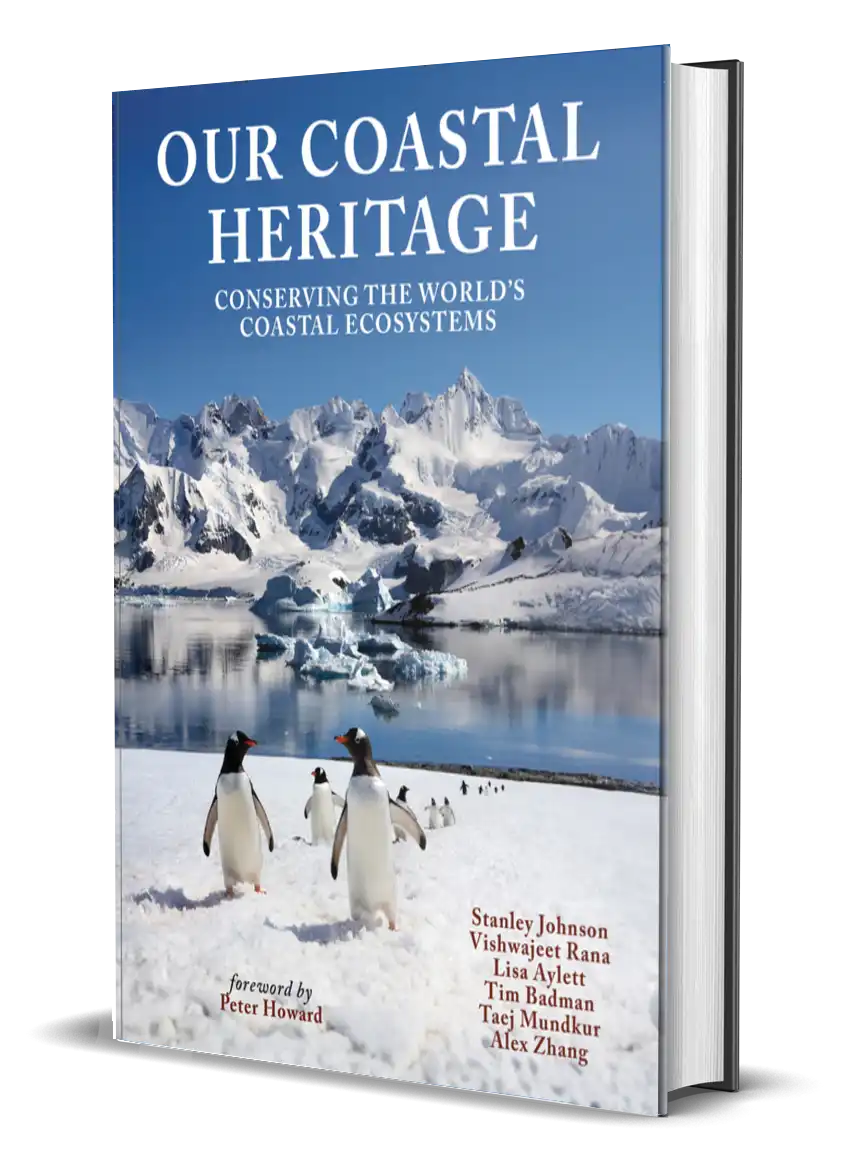
The offer came at the launch of Our Coastal Heritage: Conserving the World’s Coastal Ecosystems, a new book by Stanley Johnson and other leading international conservation figures.
The book examines more than 100 UNESCO Marine and Coastal World Heritage Sites, including the Great Barrier Reef, the Galapagos Islands, the Wadden Sea, the Sundarbans, Komodo National Park, the Seychelles’ Aldabra Atoll and the Dorset and East Devon Coast, and calls for stronger protection of the world’s threatened coastlines.
Speaking at last week’s event at the Royal Geographic Society, the Ambassador told The European: “Yancheng is an example of China’s commitment to ecological conservation and sustainable development.
“We hope its experience can contribute to wider international discussion on how countries protect wetlands, restore damaged habitats and support communities that depend on coastal ecosystems.
“China and the United Kingdom have a long history of environmental exchange, and there is great scope for cooperation on biodiversity, climate resilience and coastal protection.
“The challenge facing the world’s coastlines is urgent, but examples such as Yancheng show that practical progress is possible.”
Johnson’s book argues that long-term habitat restoration, green investment and stronger protection for wetlands, reefs, estuaries and other fragile ecosystems can help revive damaged coastlines while supporting wider economic and environmental resilience.
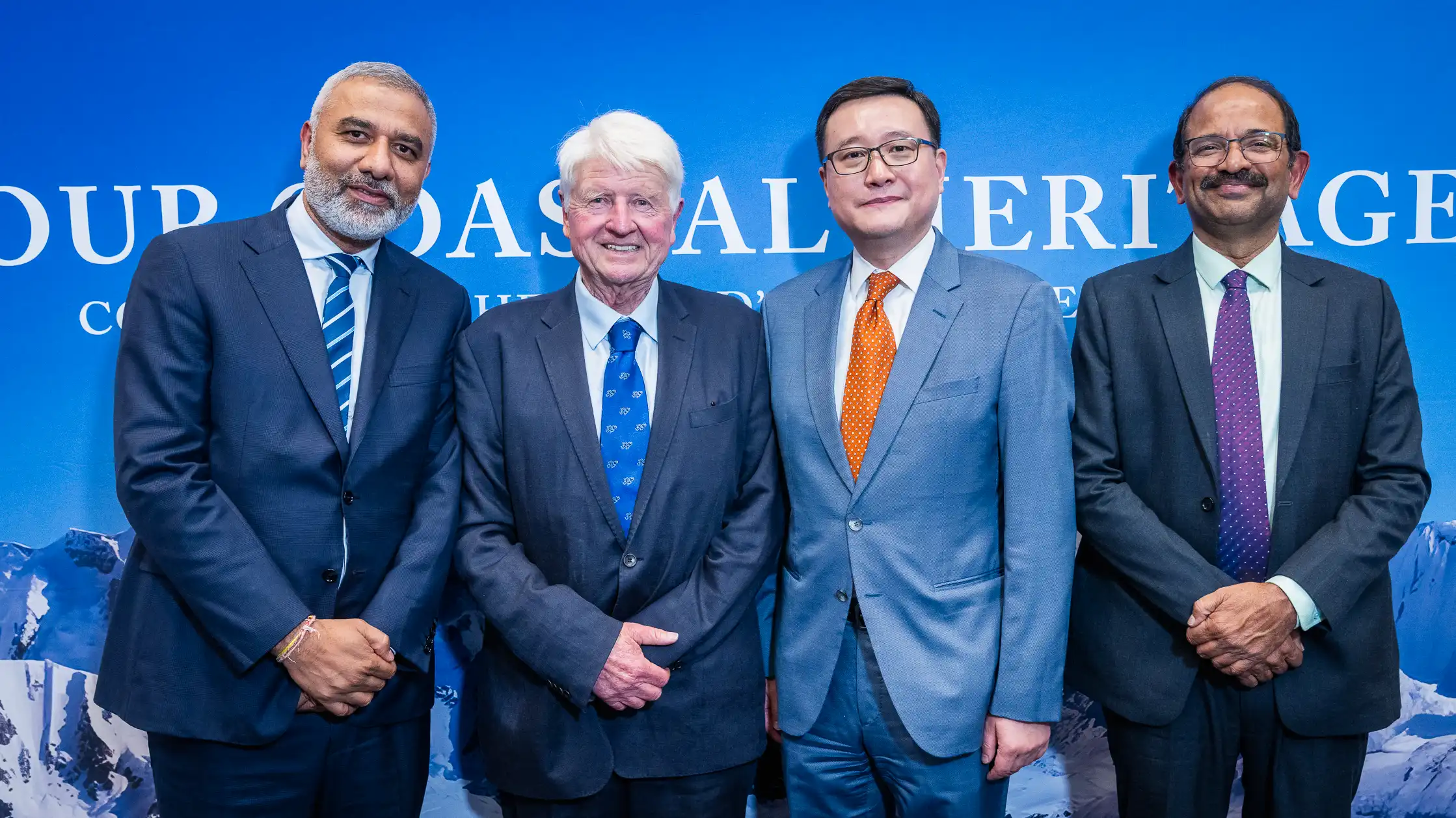
Its launch saw more than 200 guests, including Zheng and members of Stanley Johnson’s family, among them his son, former prime minister Boris, and his daughter, the journalist, broadcaster and author Rachel.
Alongside Johnson, it was co-authored by Dr Vishwajeet Rana, group chief executive of Global Education Holdings and a member of the UNITAR Advisory Board on People and Social Inclusion; Tim Badman, head of IUCN’s World Heritage Programme; Alex Zhang, secretary general of Eco Foundation Global and World Coastal Forum Facilitator; Dr Taej Mundkur, World Coastal Forum Facilitator and senior adviser to Wetlands International; and Lisa Aylett, IUCN’s World Heritage Outlook Coordinator.
Johnson, The European’s Editor-at-Large, has spent decades working on environmental policy and conservation, including on the EU Habitats Directive and Natura 2000 network. He has also received awards from WWF and the RSPB for his environmental work.
He said the lesson from China should be applied more widely, with governments treating coastal protection as part of economic resilience, food security and climate defence.
“China has shown at Yancheng that coastal restoration is not simply an environmental ambition. It is practical, measurable and capable of bringing real benefits for wildlife, local communities and the wider economy,” he said.
“Britain and Europe should look very carefully at what has been achieved there. When governments put long-term protection, restoration and investment behind coastal ecosystems, the results can be extraordinary.
“Our coastlines are not decorative edges on the map. They are living systems that protect communities, support food supplies, sustain tourism and provide habitats for some of the world’s most important wildlife.
“The lesson from Yancheng is that decline is not inevitable. With political will, proper funding and joined-up management, damaged coastal habitats can recover.”
Johnson, an honorary adviser for the World Coastal Forum, which brings together governments, conservation bodies, academics and international organisations to strengthen protection and restoration for coastal and marine sites, added: “The challenge now is for governments to act with the same seriousness and urgency. Protecting coastal ecosystems should be treated as part of climate resilience, economic planning and national security.”
Dr Rana said coastal protection would require governments and private businesses to work more closely on long-term restoration, investment and local resilience.
He said: “Governments can set policy, protect sites and provide long-term direction, but private businesses also have a major role to play through investment, innovation, skills and delivery.
“Healthy coastal ecosystems support communities, infrastructure, food security, tourism and climate resilience. That gives the private sector a direct interest in their future, as well as a responsibility to help protect them.
“This book shows why governments, companies, universities and conservation bodies need to treat coastlines as shared assets. Their future depends on serious funding, good science, strong local engagement and cooperation across borders.”

The book’s publisher, Nomad, describes the hardback – which includes a foreword by Royal Geographical Society Fellow Dr Peter Howard – as a “vital exploration of global coastal conservation”.
A spokesman added: “Coasts are the world’s most internationally-shared ecosystems – crucial, beautiful, and increasingly under threat.
“Our Coastal Heritage makes a powerful case for international cooperation and integrated governance. It shows why governments, conservation bodies and local communities need to work together to protect fragile marine and coastal habitats.
“The book brings together expertise from across the world to look at practical ways of protecting coastlines, from nature-based solutions and community engagement to long-term restoration and better management of protected sites.
“These places support wildlife, livelihoods, food security, tourism and climate resilience. They are part of our shared global inheritance and they need long-term protection.”
READ MORE: World Coastal Forum leaders warn of accelerating global ecosystem collapse. The World Coastal Forum opened in Yancheng with global leaders calling for urgent action on coastal protection and green growth. The European’s Editor-at-Large, Stanley Johnson, was among the delegates.
Do you have news to share or expertise to contribute? The European welcomes insights from business leaders and sector specialists. Get in touch with our editorial team to find out more.
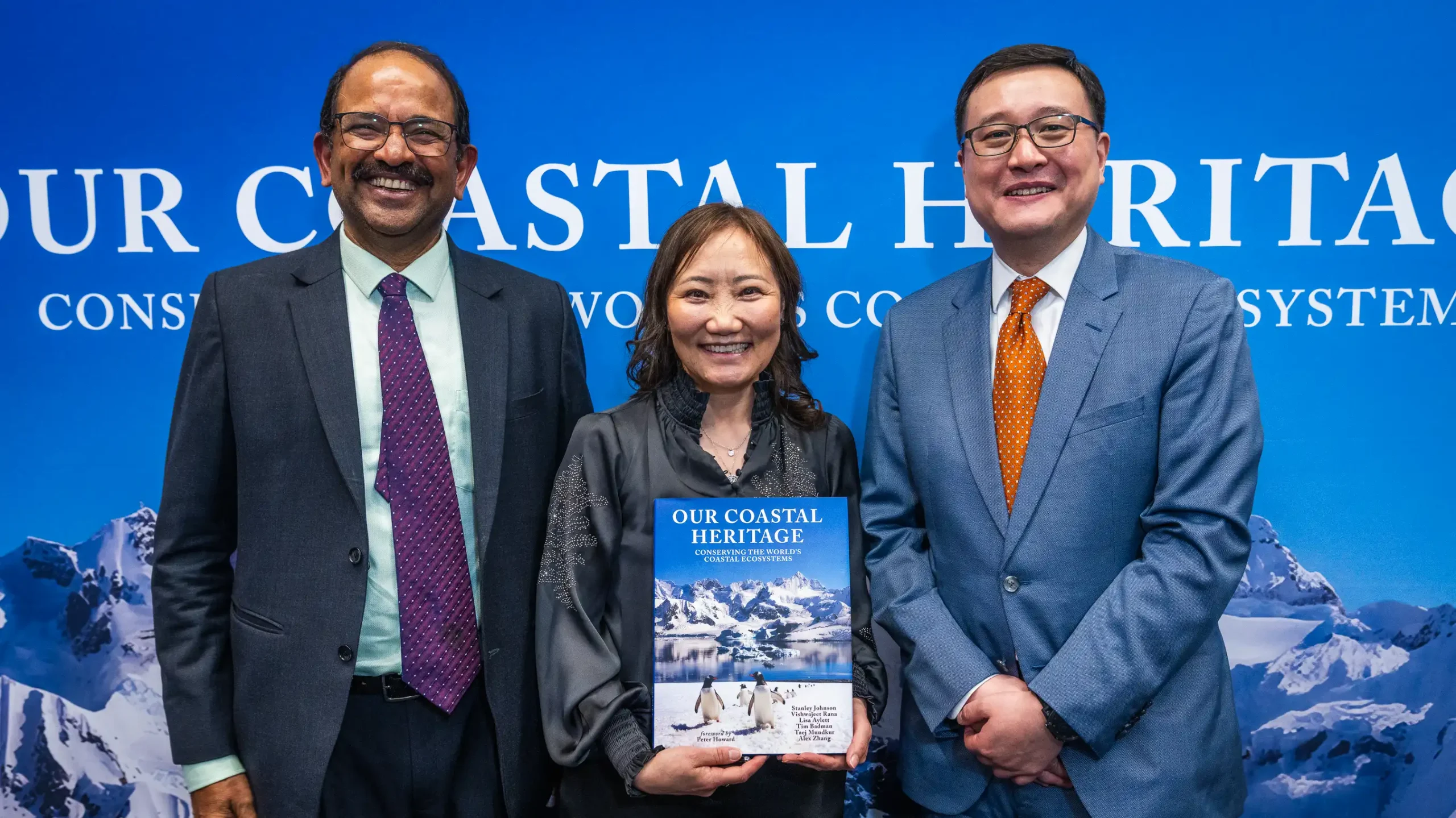
Main image: From left to right: Dr Vishwajeet Rana, Stanley Johnson, Alex Zhang and Dr Taej Mundkur at the Royal Geographical Society launch of Our Coastal Heritage, where China’s Yancheng wetlands were cited as a model for restoring damaged coastal habitats. Credit: GEDU Global / Marek Chojnacki