
UK research and innovation frontier under ransomware attack

John E. Kaye
- Published
- Home, Technology
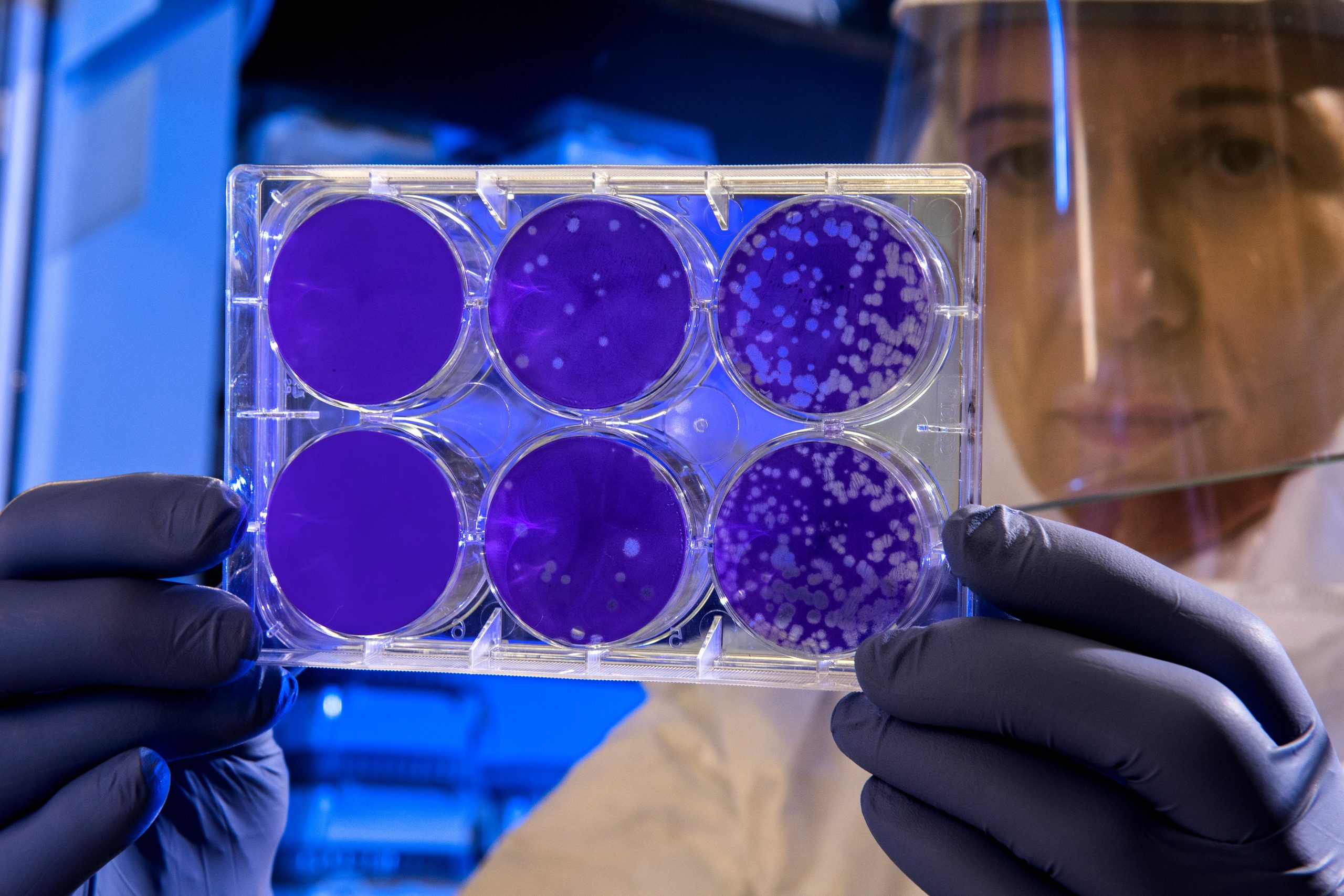
Corporate espionage threatens innovation and can slow down COVID remediation
The UK Research and Innovation (UKRI) has recently disclosed a ransomware attack that has disrupted its services and led to data theft. The institution is responsible for managing research grants and supporting innovative business initiatives in the UK, and therefore possesses financial, research and personal data.
With the world looking forward to the end of the pandemic as the vaccination speeds up, hackers are leveraging the technique known as corporate (also labeled as industrial) espionage to get their hands on valuable intelligence.
As data by Google Trends show, the popularity of the search term ‘vaccines’ doubled in January, reaching an all-time record. The majority of internet users are vulnerable to COVID-19 vaccine-related scams, promising the immediate remedy without waiting in queue set by their country’s officials. Enterprises face yet another risk.
Last week, US pharmaceutical producer Pfizer and its German partner BioNTech admitted that the information about their COVID-19 vaccines has been leaked online from the European Medicines Agency servers. Back in December, 2020, Interpol warned that vaccines will become a popular cyberattack vector in 2021.
“In the digital age, hackers perform corporate spying by applying other well-known, yet neglected, attack vectors. First they try to smuggle malware into the business systems via infected hardware or by performing phishing attacks. Later, malware gathers sensitive information and forwards it to the criminals,” explains Juta Gurinaviciute, the CTO at NordVPN Teams.
Usually the spyware is quiet, so the victim is unaware of its presence: the program secretly leaks everything it can find on the hard drive or the corporate servers. Ransomware, on the other hand, primarily encrypts the victim’s data and requires a payment to release it.
Hackers often aim at novel, undisclosed and highly secret data. The medical sector is one of the main targets with an average $7.13 million of damage per breach.
“The healthcare industry is in the spotlight today and it attracts criminals’ attention. However, medical contractors are also at risk. Their data can be compromised in supply chain attacks—or they could become a gateway for malicious actors to infiltrate medical research institutions,” warns NordVPN Teams expert.
To mitigate the risk, it is important to ensure safe remote connection to servers and implementing Zero Trust Network Access (ZTNA). It limits employees access to corporate data, allowing them to use only the information needed to complete the task—and for a limited time only.
Further information
TOP STORIES
-
 Inside Cartago’s US$1.186bn green investment hub
 -
Smart manufacturing: why Costa Rica is quietly positioning itself as Latin America’s next industrial innovation hub
-
Giant wind turbine with 252-metre rotor could mean fewer machines and cheaper offshore power
-
Talent and workforce development: how Costa Rica is building a competitive knowledge economy
-
Your biggest rival could be your best technology partner, research finds
-
China unveils giant crane capable of lifting 9,300 family cars
-
LED lights could be ‘the new asbestos’, UCL scientists warn
-
OpenAI admits AI models hid mistakes, invented data and acted without permission
-
AI arms race could mean fewer cold emails reaching your inbox
-
Costa Rica is writing the next chapter of global MedTech
-
SpaceX to launch one-tonne orbital factory for European space firm in 2028
-
The Costa Rica Report 2026 is out now
-
Europe’s healthcare sector lags on AI uptake – but leads once it starts using it
-
Stranded drivers could soon call for help even with no mobile signal
-
NASA backs space ‘air brake’ that could cut years off missions to Uranus and Neptune
-
MPs and peers call for UK ban on AI that could evade human control
-
Bioweapons research, Russian-linked spies, guided rockets and cyber-attacks on Europe used Claude AI, Anthropic reveals
-
European network alliance doubles in size as digital sovereignty drive accelerates
-
European insurance giants join New York summit on future of AI
-
Oxford leads £10m international study as resistance threatens new TB treatments
-
Apple’s new boss bets £1,999 on first folding iPhone
-
Card fraud accounts for more than one-in-three UK identity fraud cases
-
The new metrics reshaping how companies measure growth
-
Europe leads world in quantum research despite deep industry scepticism
-
Australia plans social media algorithm ‘off switch’ in move Europe could follow























UK research and innovation frontier under ransomware attack
John E. Kaye
- Published
- Home, Technology
TOP STORIES
-
Inside Cartago’s US$1.186bn green investment hub
-
Smart manufacturing: why Costa Rica is quietly positioning itself as Latin America’s next industrial innovation hub
-
Giant wind turbine with 252-metre rotor could mean fewer machines and cheaper offshore power
-
Talent and workforce development: how Costa Rica is building a competitive knowledge economy
-
Your biggest rival could be your best technology partner, research finds
-
China unveils giant crane capable of lifting 9,300 family cars
-
LED lights could be ‘the new asbestos’, UCL scientists warn
-
OpenAI admits AI models hid mistakes, invented data and acted without permission
-
AI arms race could mean fewer cold emails reaching your inbox
-
Costa Rica is writing the next chapter of global MedTech
-
SpaceX to launch one-tonne orbital factory for European space firm in 2028
-
The Costa Rica Report 2026 is out now
-
Europe’s healthcare sector lags on AI uptake – but leads once it starts using it
-
Stranded drivers could soon call for help even with no mobile signal
-
NASA backs space ‘air brake’ that could cut years off missions to Uranus and Neptune
-
MPs and peers call for UK ban on AI that could evade human control
-
Bioweapons research, Russian-linked spies, guided rockets and cyber-attacks on Europe used Claude AI, Anthropic reveals
-
European network alliance doubles in size as digital sovereignty drive accelerates
-
European insurance giants join New York summit on future of AI
-
Oxford leads £10m international study as resistance threatens new TB treatments
-
Apple’s new boss bets £1,999 on first folding iPhone
-
Card fraud accounts for more than one-in-three UK identity fraud cases
-
The new metrics reshaping how companies measure growth
-
Europe leads world in quantum research despite deep industry scepticism
-
Australia plans social media algorithm ‘off switch’ in move Europe could follow



