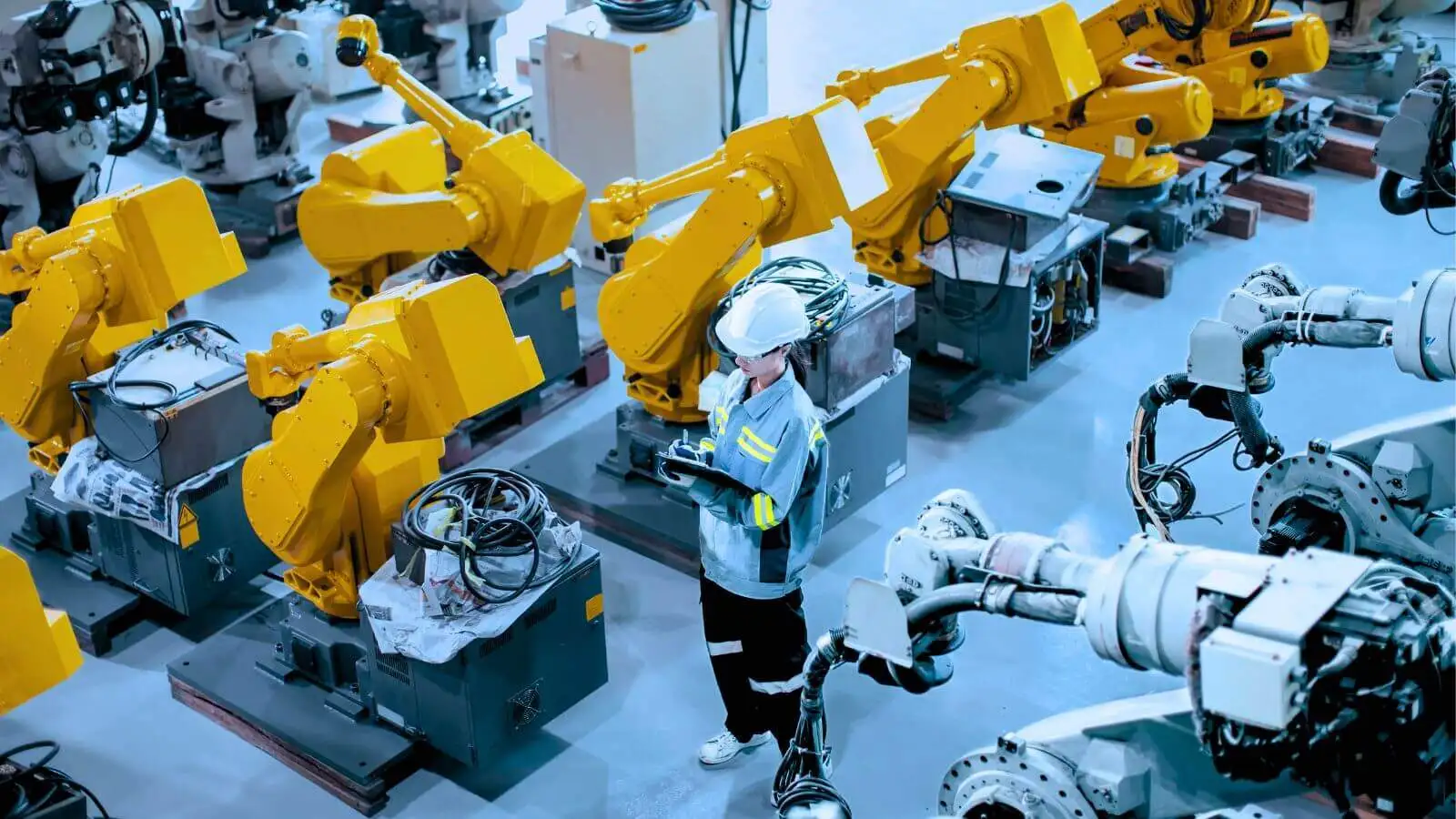
For years, Costa Rica has been internationally recognised for its environmental leadership, political stability, and thriving tourism industry. Yet behind the country’s global image as an eco-tourism destination, a far more significant economic transformation has been taking place – one that is attracting increasing attention from multinational manufacturers, technology investors, and global supply chain strategists
Costa Rica is rapidly evolving into one of Latin America’s most sophisticated smart manufacturing destinations.
While many countries continue competing primarily on labour costs and traditional industrial output, Costa Rica is quietly building a manufacturing ecosystem centred on automation, precision engineering, digital integration, advanced compliance systems, and innovation-led production. For international businesses seeking resilient, future-ready manufacturing locations closer to North American markets, the country is becoming increasingly difficult to ignore.
Industry insiders now believe Costa Rica may be entering a new phase of industrial evolution – transitioning from an advanced manufacturing success story into a genuine smart manufacturing and Industry 4.0 leader within the region.
Beyond traditional manufacturing
Costa Rica’s manufacturing growth over the past two decades has been remarkable. The country successfully established itself as a major hub for medical technology production, precision manufacturing, and high-value export industries, attracting some of the world’s largest multinational corporations.
However, what is now unfolding goes far beyond conventional manufacturing expansion.
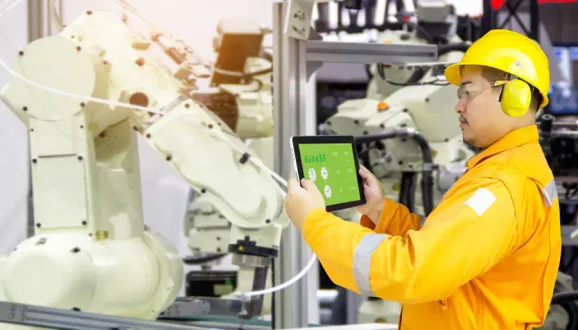
Executives across the sector are increasingly investing in highly automated production lines, digital monitoring systems, predictive analytics, robotics integration, cloud-connected operations, and real-time quality management platforms. Factories operating in Costa Rica are becoming smarter, more connected, and significantly more data-driven.
This evolution reflects a wider global shift in industrial strategy. Modern manufacturing is no longer simply about production capacity – it is increasingly about flexibility, efficiency, traceability, resilience, and speed of innovation.
Costa Rica appears to understand this transition exceptionally well.
Rather than attempting to compete directly with lower-cost manufacturing economies, the country is positioning itself within the premium end of industrial operations where technical capability, operational reliability, and workforce quality matter more than purely labour arbitrage.
The medical technology sector leading the shift
Perhaps nowhere is this transformation more visible than within Costa Rica’s fast-growing medical technology sector.

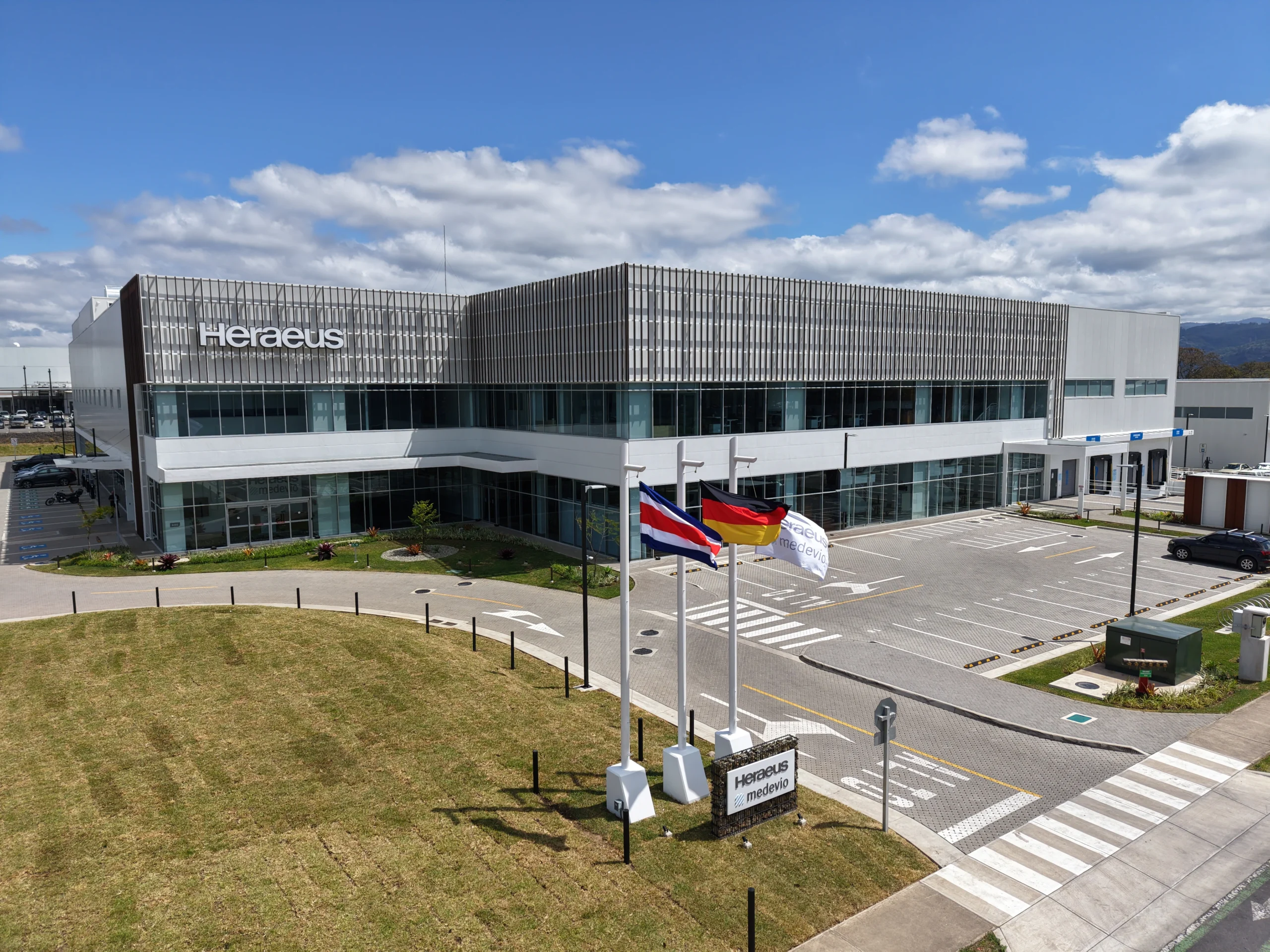
The country has become one of Latin America’s leading exporters of medical devices, producing everything from surgical instruments and diagnostic systems to highly specialised healthcare components used in global markets. Yet industry observers note that production complexity within the sector has increased dramatically in recent years.
Facilities that once focused primarily on assembly are now integrating advanced automation systems, digital compliance infrastructure, AI-supported inspection technologies, and sophisticated production analytics into day-to-day operations.
Manufacturers operating in highly regulated industries such as healthcare face enormous pressure to maintain quality consistency, traceability, and operational efficiency. Smart manufacturing technologies allow companies to monitor production in real time, minimise defects, optimise workflows, and improve regulatory compliance, all while reducing operational risk.
Costa Rica’s highly educated technical workforce has proven particularly well suited to supporting these advanced operational environments.
The country’s engineers, software specialists, and manufacturing technicians are increasingly working alongside multinational teams to manage complex production systems that would traditionally have been associated with far larger industrial economies.
Why global companies are paying attention
Several factors are driving Costa Rica’s growing reputation within the smart manufacturing landscape.
First, geopolitical uncertainty and ongoing global supply chain disruption are forcing companies to rethink operational resilience. Businesses are actively seeking manufacturing locations closer to North American markets that can deliver stability, quality, and supply chain reliability.
Costa Rica offers all three.
Second, the country’s workforce capabilities are increasingly aligned with the demands of Industry 4.0. Modern manufacturing requires far more than production labour — it demands expertise in software integration, automation management, engineering, data analysis, cybersecurity, and digital operations.
Costa Rica’s long-standing investment in education and technical training has created a talent pool capable of supporting these increasingly sophisticated environments.
Third, sustainability has become a major strategic consideration for global manufacturers.
Costa Rica’s renewable energy infrastructure and international reputation for environmental leadership are particularly attractive for multinational corporations facing growing ESG pressures from investors, regulators, and consumers. Many manufacturers are now prioritising low-carbon operational environments as part of broader sustainability commitments.
For companies looking to combine advanced manufacturing capability with environmental responsibility, Costa Rica presents a highly compelling proposition.
Industry 4.0 and the rise of intelligent factories
The next phase of manufacturing competitiveness will likely be defined by the integration of intelligent systems across production ecosystems. Technologies such as artificial intelligence, machine learning, robotics, digital twins, predictive maintenance, and industrial IoT platforms are reshaping how factories operate globally.
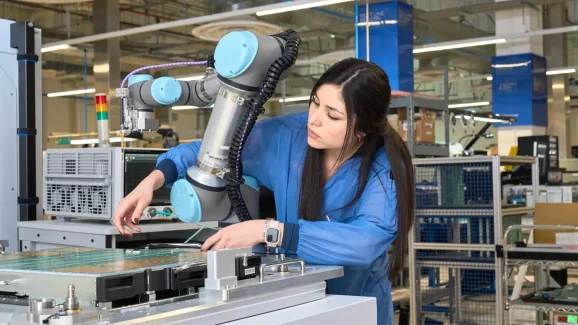
Costa Rica is beginning to emerge as one of the few countries in the region actively preparing for this transition at scale.
Manufacturers are increasingly adopting interconnected production systems capable of collecting and analysing real-time operational data to improve productivity, reduce downtime, and accelerate decision-making. In some facilities, advanced analytics platforms are already being used to identify potential production issues before they occur.
This shift toward predictive and adaptive manufacturing is transforming the role of the factory itself. Factories are no longer isolated production centres — they are becoming digitally integrated operational hubs connected to global supply chains, engineering teams, logistics networks, and customer demand systems in real time.
For Costa Rica, this evolution represents a significant strategic opportunity.
By moving further into high-value smart manufacturing, the country can strengthen its position within global supply chains while reducing vulnerability to lower-cost industrial competition.
Building a regional innovation ecosystem
What makes Costa Rica particularly interesting is that smart manufacturing growth is occurring alongside wider expansion across digital services, engineering support, software development, and research operations.
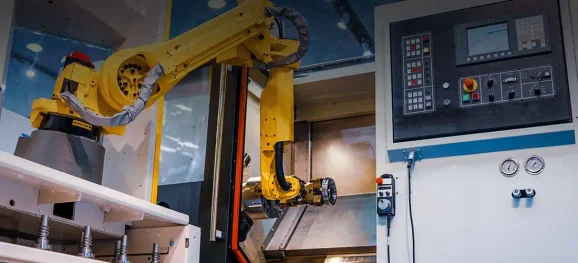
This convergence is helping create a broader industrial innovation ecosystem rather than isolated manufacturing clusters.
Increasing collaboration between universities, technical institutes, multinational corporations, and government agencies is also accelerating workforce development and innovation capacity. Educational programmes are increasingly focused on STEM disciplines, automation technologies, digital engineering, and advanced manufacturing systems.
At the same time, multinational firms are locating more engineering and process optimisation functions within Costa Rica itself, further deepening local expertise.
This creates a powerful long-term advantage. Countries that successfully integrate manufacturing, digital capability, engineering, and innovation tend to generate far greater economic resilience and value creation over time.
Costa Rica appears increasingly focused on achieving exactly that.
The challenge ahead
Despite its momentum, Costa Rica still faces important challenges.
Infrastructure investment, logistics modernisation, digital connectivity, and continued workforce development will all be critical if the country hopes to fully capitalise on the smart manufacturing opportunity. Competition from other nearshore destinations is intensifying rapidly, particularly as global companies accelerate supply chain diversification strategies.
Maintaining competitiveness will require ongoing investment in innovation, technical education, and industrial modernisation.
However, Costa Rica has already demonstrated an ability to evolve far beyond traditional expectations for a small Central American economy.
What was once seen primarily as an agricultural and tourism market is now attracting serious attention from global manufacturing leaders, technology firms, and supply chain strategists seeking stable, intelligent, and future-ready operational environments.
As Industry 4.0 reshapes global production models, Costa Rica may well emerge as one of Latin America’s most important smart manufacturing success stories – not through scale alone, but through precision, innovation, talent, and strategic vision.
Further Information
Produced with support from CINDE. To find out more about Costa Rica’s life-sciences sector and investment opportunities, visit www.cinde.org
READ MORE: How MCI became essential to Costa Rica’s Medtech rise. After 15 years inside one of the world’s most sophisticated MedTech clusters, MCI has become part of the testing, quality engineering and regulatory infrastructure that underpins the resilience of Costa Rica’s medical device supply chain.
Do you have news to share or expertise to contribute? The European welcomes insights from business leaders and sector specialists. Get in touch with our editorial team to find out more.