EU lawmakers agree to include shipping emissions in carbon market

John E. Kaye
- Published
- News
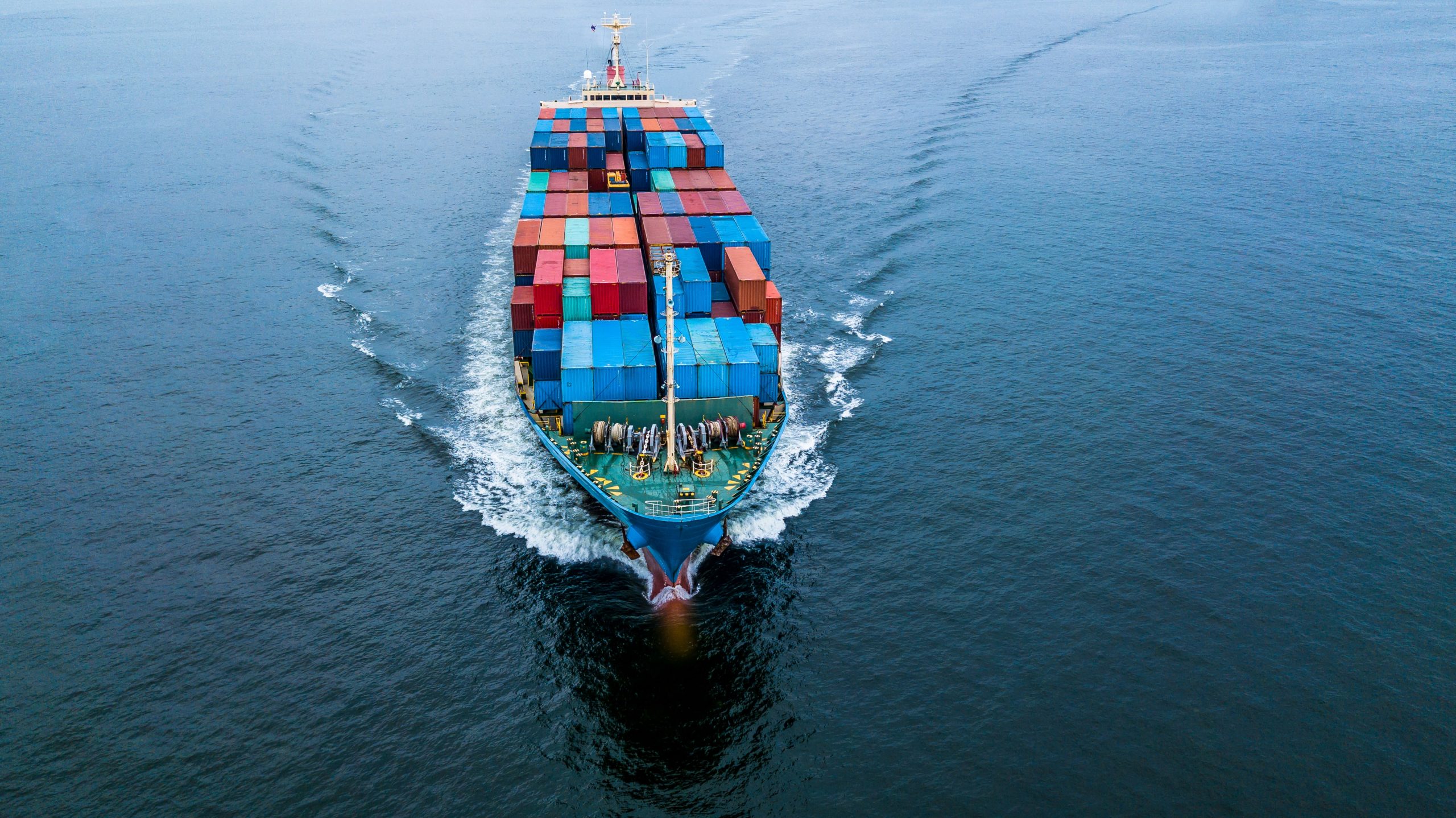
Early this week, European lawmakers agreed to incorporate international carbon emissions from the maritime sector in the EU carbon market, now targeting an industry that does not yet pay for its pollution.
The lawmakers also called out binding targets for shipping companies to reduce the annual average CO2 emissions of all ships when in operation, by at least 40% by 2030 in compared to 2018 levels, going further than an original European Commission proposal.
Pollution from ships plying international waters typically escapes countries’ domestic emissions-cutting targets, however the Commission has said the sector must contribute to its trillion-euro push to achieve a “climate neutral” economy by 2050.
Shipping companies as of have not included in the EU emissions trading system (ETS), which obliges factories, power plants and airlines to pay for their pollution. The EU executive plans to add them in 2021 to bring the industry into line with the bloc’s efforts to cut greenhouse gases.
While the UN’s shipping agency has acted on cutting sulphur emissions from ships, it is still years away from reaching a comprehensive plan for tackling CO2.
The environment committee of the European Parliament also called for the creation of an “Ocean Fund” from 2023 until 2030, financed by revenues from auctioning allowances under the ETS, to make ships more energy efficient.
“Global maritime emissions are expected to increase by between 50% and 250% by 2050, which isn’t compatible with the long-term climate neutrality objective,” said Swedish lawmaker Jytte Guteland who led talks for the committee on the issue.
The full legislative assembly will vote in September on whether to approve the rules. Once parliament has agreed its position, talks will start with the Commission and national governments in the EU Council on the final terms of the funding.
Last year, the Mediterranean Shipping Company (MSC) overtook Ryanair in the top 10 rankings of Europe’s biggest carbon dioxide emitters in 2019, a list still dominated by big coal-fired power plants, according to EU data.
Reported by Marine Strauss
Sourced Reuters
For more Energy and Daily news follow The European Magazine
TOP STORIES
-
 Scotland’s £19bn food and drink industry faces ‘cliff edge’ as costs squeeze businesses
 -
Lidl owner plans €5.6bn data centre as Germany pushes digital independence
-
AI could make it easier for citizens to have their say, study finds
-
Hidden workplace chemical risks come under spotlight as experts turn to skin exposure
-
Cyber attack hits Manchester, Stansted and East Midlands airports as customer data stolen
-
New global map reveals 800 businesses trying to cut plastic waste
-
LEGO sales soar 22% amid World Cup, F1 and Star Wars push
-
Japan switches on its first full-stack neutral-atom quantum computer
-
Britons flock to Greece as tourist numbers jump 15%
-
Sudan’s children get $22m education lifeline ahead of Geneva funding conference
-
Robot beats Usain Bolt’s 100m record at Beijing games
-
Royal Mail posts another target miss
-
New AI master’s aims to turn non-tech graduates into business leaders
-
New direct flights from Paris and Athens open easier route to Alaska
-
Robots that work, play and even tackle the laundry go on show in Beijing
-
Six young sea eagles released on Exmoor after 200-year absence
-
More than half of US travellers now use AI to plan holidays
-
Could wild swimming and camping help reverse Britain’s outdoor play decline?
-
Israeli genomics firm opens easier route to AI system for NHS labs
-
European investors can now trade thousands of US stocks through Kraken
-
Healthcare AI plans hampered by spreadsheets and legacy systems
-
Women form tighter workplace friendships than men, study finds
-
Children now nearly 11 before being allowed to play outside alone
-
Ex-Lenovo executive Sabine Hammer to lead Infinigate’s DACH business
-
Ferrari’s first electric car sells for record US$40m