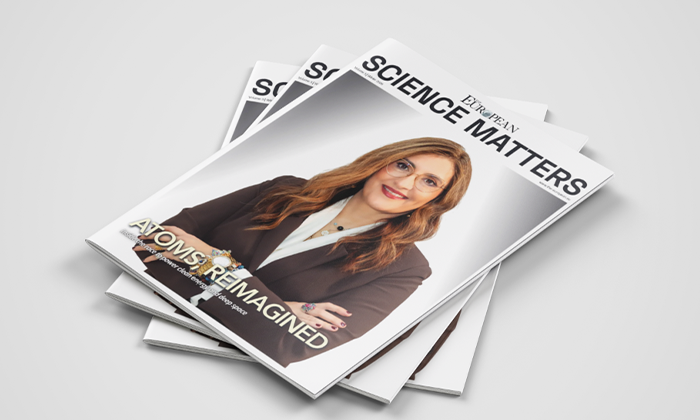
From atom-level materials engineering to global climate policy, from the neurology of addiction to the ecological role of apex predators, the latest Science Matters supplement brings together original research and expert insight shaping how we understand risk, survival and sustainability in the modern world
The third edition of Science Matters, The European’s popular supplement, is packed with original research, exclusive insight and policy relevance across materials engineering, climate, medicine and ecology, showing how discoveries at the smallest scales are reshaping responses to some of the largest challenges facing society.
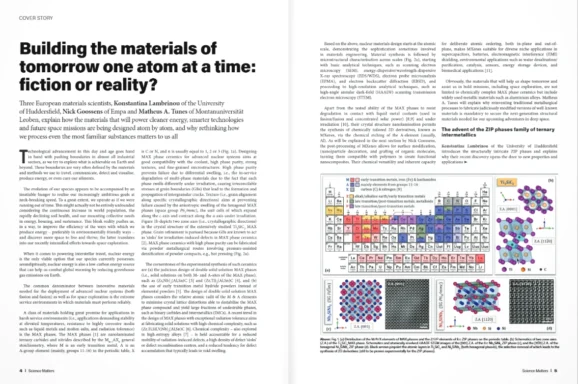
At the centre of this special volume is an exclusive six-page cover story by Professor Konstantina Lambrinou of the University of Huddersfield, Nick Goossens of Empa and Matheus A. Tunes of Montanuniversität Leoben, taking readers inside frontier materials science where the building blocks of future nuclear systems, advanced energy technologies and deep-space exploration are being designed atom by atom. From MAX phases and their two-dimensional derivatives, MXenes, to the newly discovered ZIP phases and the reinvention of aluminium alloys capable of withstanding cosmic radiation, their work offers rare access to research shaping the technologies of tomorrow.
The edition also examines the forces shaping global climate and energy policy, showing how decisions taken by governments and markets are closely tied to the research emerging from leading institutions. Gary W. Yohe delivers an authoritative examination of the climate and energy decisions of 2025 and the narrowing choices now facing governments in 2026, setting out how shifts in U.S policy, European responses and China’s expanding role in renewable technology are redefining the geopolitical landscape of decarbonisation at a decisive moment for global climate policy.
Elsewhere, medical understanding and public perception are brought into focus thanks to Simon Mott’s exclusive exploration of addiction. Simon, of Hope Rehab, revisits the American Society of Addiction Medicine’s landmark definition of addiction as a chronic brain disease and examines why misconceptions about willpower and moral failing persist despite clear neurological evidence. His essay connects brain chemistry, treatment practice and long-standing social attitudes in a way that highlights the continuing gap between science and public understanding.
The natural world is also reconsidered through the lens of probability and ecology in Professor Tim Coulson’s analysis of perceived versus actual risks in the countryside, and why apex predators such as wolves and bears may be among the simplest tools available for restoring damaged ecosystems across Europe. By running the numbers on everyday risks, he reframes both personal safety culture and the ecological value of large predators in stabilising landscapes and carbon-rich habitats.
Packed with original research, expert perspective and real-world implications, Science Matters Volume 3 offers a connected view of how advances in science, policy and understanding are shaping responses to the pressures of the modern world.
Read our Science Matters Volume 3 supplement here.
READ MORE: ‘Read it here: Asset Management Matters — new supplement out now‘. This new edition of Asset Management Matters brings together exclusive insight, major institutional developments and market intelligence on how asset managers are adapting to technology, sustainability demands and structural change.