European Commission issues new cancer prevention guidance as EU records 2.7m cases in a year

John E. Kaye
- Published
- News
Updated European Code Against Cancer published on World Cancer Day as Brussels marks five years of its Beating Cancer Plan and warns that many cases remain preventable
The European Commission has published a revised European Code Against Cancer on World Cancer Day today as new figures underline the scale of the disease across the EU, with an estimated 2.7 million new cases and 1.3 million deaths recorded in 2024.
The updated Code, produced by the International Agency for Research on Cancer on behalf of the Commission after four years of work by more than 60 public health experts, sets out practical guidance intended to reduce cancer risk through lifestyle choices and public health measures.
It places renewed emphasis on vaccination, screening, breast-feeding, alcohol intake, ultra-processed food and air pollution, and reflects evidence that many of the risk factors for cancer overlap with those for other non-communicable diseases such as cardiovascular conditions.
The Commission estimates that 40 per cent of cancer cases and 80 per cent of premature heart attacks and strokes could be prevented by addressing these shared risks.
The publication coincides with the fifth anniversary of Europe’s Beating Cancer Plan. Since its launch, more than €2.7bn has been invested in prevention, early detection, treatment and care, with almost 630 organisations now working with the Commission under the programme alongside the EU Cancer Mission to strengthen research into the drivers of the disease.
Speaking on World Cancer Day, Health and Animal Welfare Commissioner Olivér Várhelyi said: “World Cancer Day is a moment to reiterate our firm commitment to tackling this devastating disease and supporting those affected by it. Unlocking the Cancer Plan’s full potential will lead to strengthened prevention, early detection and better access to treatment regardless of geography or income.
“It also means strengthening Europe’s strategic autonomy in the healthcare sector, accelerating research, supporting innovation and boosting investment. We have taken important steps in this direction and the path ahead is clear: we must keep working to better protect our citizens, through prevention, robust and streamlined health policies in the EU.”
READ MORE: ‘Why mere survival is no longer enough for children with brain tumours‘. While medical advances now allow most children with brain tumours to live for decades after diagnosis, the system still fails to measure, model, and properly fund the long-term rehabilitation that determines how well they live those years. Marco Previero, our Health Innovation Correspondent, draws on his daughter’s recovery to show why rehabilitation deserves the same rigour, funding, and policy attention as treatment.
Do you have news to share or expertise to contribute? The European welcomes insights from business leaders and sector specialists. Get in touch with our editorial team to find out more.
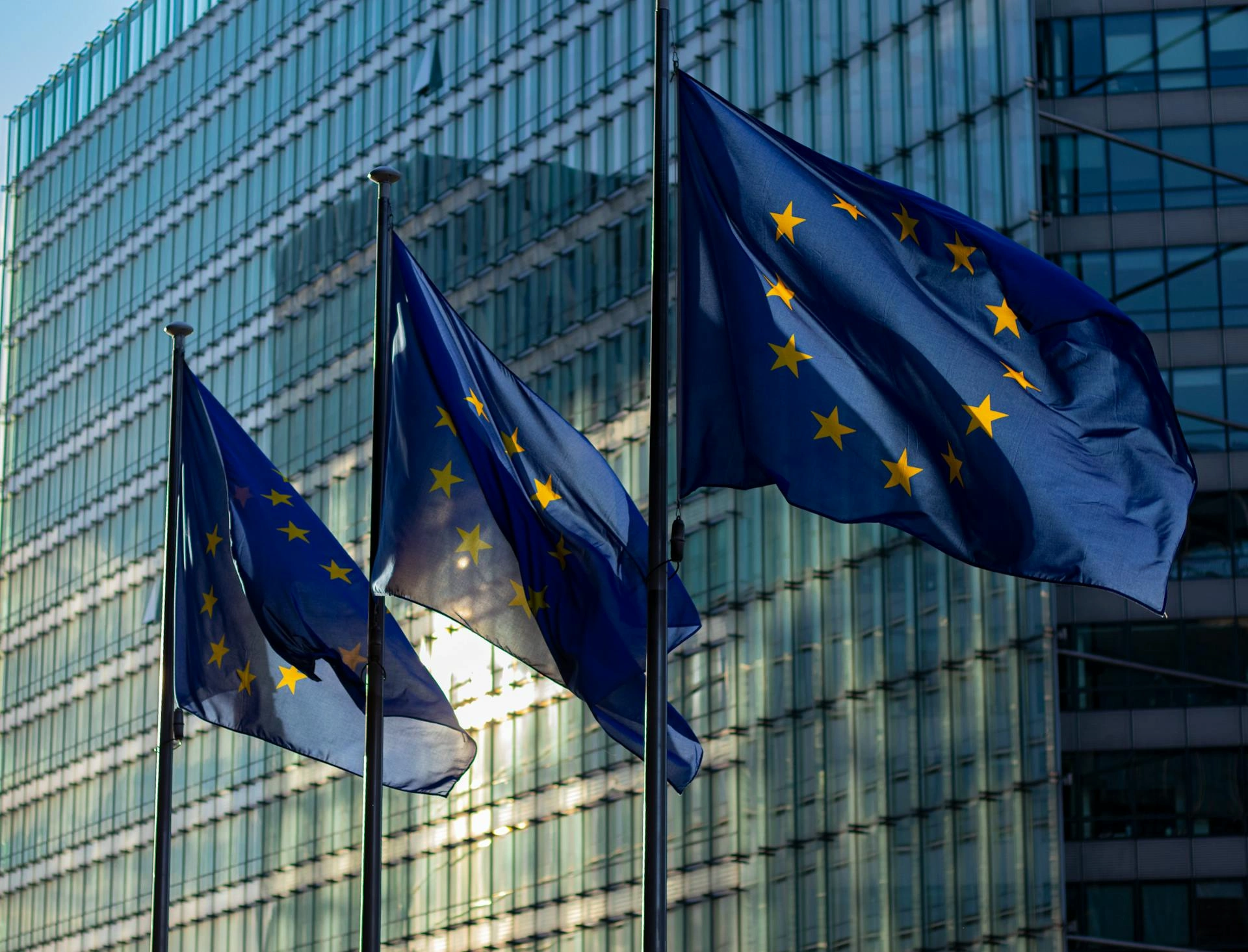
Main image: Marco/Pexels
TOP STORIES
-
 France calls in army after riots sweep cities
 -
An Italian affair – Stanley Johnson takes London's society set on the Silk Road
-
Himalayan mountainside moved 40cm before avalanche killed 1,451 in Nepal, scientists reveal
-
Scientists and engineers quitting jobs as AI changes roles ‘beyond recognition’, study finds
-
UK profit warnings hit near two-year high as businesses struggle with rising costs
-
Microsoft pulls out of major UK AI data centre project amid power grid delays
-
Russia takes control of more European corporate assets amid Ukraine tensions
-
EU leaders resist calls to delay carbon rules as energy costs soar
-
‘A big step forward’ – PM Andy Burnham hails plans for Great British Railways HQ in Derby
-
UK economy grows just 0.1 per cent as construction falls and services stall
-
Germany risks losing €155bn a year under tighter AI data rules, new study warns
-
Pope Leo XIV diagnosed with lung cancer after surgery in Rome
-
France faces freezer meltdown as hackers strike supermarket chains
-
Bumble shares soar 50% amid $1bn takeover talks
-
China slump drives Volkswagen to sharpest quarterly fall in more than four years
-
Hollywood mega-powerhouse created as Paramount completes Warner Bros Discovery takeover
-
Gamers face gridlock as latest Grand Theft Auto download 'nears two days'
-
Samsung profits soar ninefold to record £61bn amid AI chip boom
-
New Springer books put the UN’s struggling sustainability goals to the real-world test
-
Europe’s solar boom set for two-year slowdown after record growth
-
Let it pea. Musicians turn vegetables into instruments at Beatles' Abbey Road studios
-
Golden naked Trump statue unveiled at European Parliament
-
Jaguar puts controversial rebrand on the road with £130K 1,030PS Type 01
-
Deepfakes and identity fraud drive new wave of post-hire background checks
-
Spain crowned Europe’s top retirement destination