Prague named Europe’s top student city in new comparative study

John E. Kaye
- Published
- News
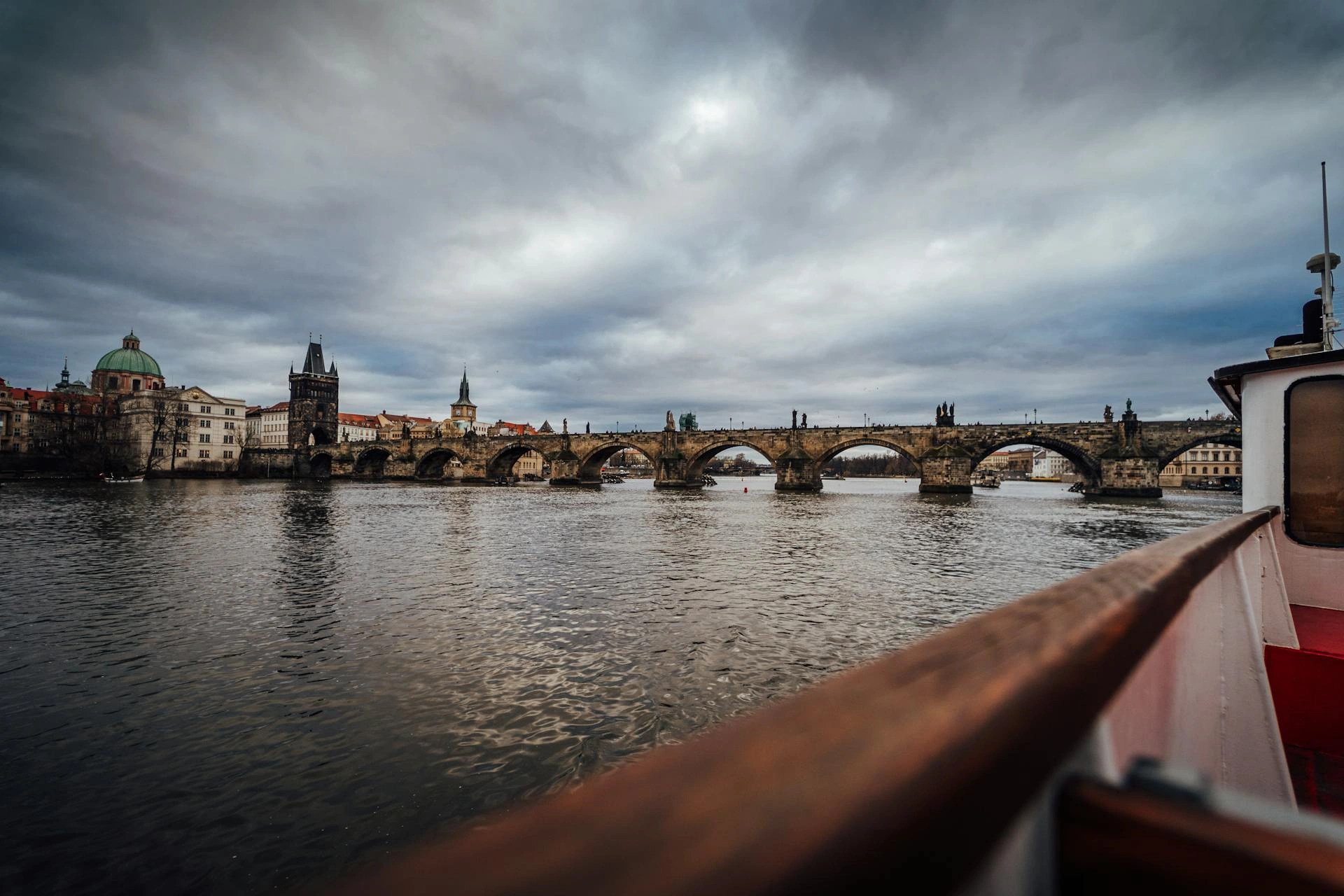
A ranking by relocation firm BOXIE24 places Prague first in a ten-city assessment based on affordability, safety, accommodation availability, public transport and academic density, ahead of Leuven and Lisbon
Prague has been ranked Europe’s best student city in a new study comparing affordability, safety, accommodation supply and academic environment across major European student hubs.
The analysis by relocation specialist BOXIE24 assessed cities using a weighted system based on 10 indicators including cost of living, average student rent, crime rate, university density, public transport, nightlife, QS rankings and student population figures. The company said it evaluated cities on factors that shape student experience and quality of life.
Prague achieved an overall score of 99.35 out of 100, ranking first for affordable student accommodation at an average of €500 per month and for public transport costs at €22.76 for a monthly pass. The Czech capital also recorded the second-lowest crime rate in the survey at 16.8.
Leuven placed second with a score of 94.76. BOXIE24 identified the Belgian city as the most student-dense in the dataset, with 376 students per 1,000 inhabitants. Lisbon ranked third at 89.06, supported by relatively low estimated living costs for a single person at €724.8 per month and a high concentration of student accommodation units, recorded at 2,122 rooms, studios and apartments per 100 sq km.
Barcelona, Warsaw, Valencia, Vienna, Paris, Madrid and Munich completed the top ten. Cost indicators varied significantly, with Vienna, Paris and Munich registering the highest overall living and accommodation costs among the cities assessed, while Warsaw tied with Prague for lowest average student rent at €500 per month.
Gerrit Jan Reinders, chief executive of BOXIE24, said: “With the cost of education and living rising across Europe, students are becoming much more strategic about where they choose to study. In addition to considering top-ranked universities, students are looking for cities where they can live safely, keep rent affordable, and still enjoy a vibrant social life.
“This study combines academic quality, affordability, safety, and lifestyle factors to provide students with a clearer picture of which cities truly offer the best overall experience, helping them make informed choices about where to live, study, and thrive.”
The ranking weighted QS university metrics at 25 per cent, followed by crime (13 per cent), universities per 100 sq km (12 per cent), estimated monthly cost for a single person (10 per cent), accommodation availability (10 per cent), average rent (7 per cent), students per 1,000 inhabitants (7 per cent), food costs (6 per cent), public transport (5 per cent), and nightlife venues per 100 sq km (5 per cent).
Data sources cited included Numbeo, HousingAnywhere, UCAS, UniHomes and UniPages. BOXIE24 said only cities with complete data across all indicators were included in the final ranking.
READ MORE: ‘Prague positions itself as Central Europe’s rising MICE powerhouse‘. The global Meetings, Incentives, Conferences and Exhibitions industry is forecast to reach USD 1.3 trillion by 2030 as corporate travel rebounds and hybrid formats reshape events. Europe remains the sector’s epicentre, and Prague is emerging as Central Europe’s strongest contender by combining modern venues, international connectivity and a cost profile that is winning over planners under pressure, discovers Ollie Crow.
Do you have news to share or expertise to contribute? The European welcomes insights from business leaders and sector specialists. Get in touch with our editorial team to find out more.
Main image: Thomas Ronveaux/Pexels
TOP STORIES
-
 Raining cats and dogs? Brits have 17 ways to describe a downpour – and some are downright bizarre
 -
Rare jewellery returns to Japan after 50 years as German museum lends historic treasures to Kyoto
-
Dan Brown drops tantalising hint about where his next thriller could be set
-
Anthropic warns AI could pose ‘existential risks’ as it files for stock market flotation
-
North Korean agents are infiltrating Western businesses by posing as employees, security chief warns
-
Route 66 turns 100 next month – and there’s never been a better excuse for Europeans to hit the road
-
Serbia erupts in celebration as student protesters end Vučić’s 14-year grip on power
-
Two killed as Storm Boelo batters Britain with 85mph winds and leaves 90,000 homes without power
-
Man arrested on suspicion of arson after fire destroys Hitler’s Eagle’s Nest retreat
-
Britain faces higher winter energy prices as reliance on European electricity imports grows
-
Andy Burnham to make special Gogglebox appearance for Stand Up To Cancer
-
WPSL Golf targets £120 million valuation as billionaire-backed corporate deals and other commercial deals drive explosive global growth
-
Hackers could bring Britain’s essential services to a standstill, security chief warns after global website shutdowns
-
We’re talking to almost twice as many people on the phone as a decade ago, study finds
-
TalkTalk sells majority stake in Telecom Acquisitions as founder Nigel Barnett regains control
-
Company closures soar ahead of tax rises as new Budget looms
-
France calls in army after riots sweep cities
-
An Italian affair – Stanley Johnson takes London’s society set on the Silk Road
-
Himalayan mountainside moved 40cm before avalanche killed 1,451 in Nepal, scientists reveal
-
Scientists and engineers quitting jobs as AI changes roles ‘beyond recognition’, study finds
-
UK profit warnings hit near two-year high as businesses struggle with rising costs
-
Microsoft pulls out of major UK AI data centre project amid power grid delays
-
Russia takes control of more European corporate assets amid Ukraine tensions
-
EU leaders resist calls to delay carbon rules as energy costs soar
-
‘A big step forward’ – PM Andy Burnham hails plans for Great British Railways HQ in Derby