The Mazda6e and CX-6e give the Japanese carmaker a stronger route back into Europe’s electric market after the MX-30, as it tries to turn design, cabin quality and driving feel into a competitive edge, writes Mark G Whitchurch
Mazda, long one of Japan’s most individual carmakers, is trying to pull off one of the more delicate balancing acts in the electric car market.
On the one hand it needs to catch up in Europe with battery-electric models developed through its long-running Chinese partnership, and on the other persuade drivers that the finished cars still feel unmistakably Mazda.
For a company that has built its reputation on design and character, that is a tougher task than simply adding another EV to the range.
Its difficulty lies in the fact that the brand has never been a scale player in the way Toyota, Volkswagen or Hyundai are. The qualities that have made Mazda distinctive – design discipline, restraint and engineering quality – do not automatically translate into speed in the EV market, where success increasingly depends on battery access, software capability, platform scale and rapid development cycles.
Mazda’s first full battery-electric presence in Europe is a case in point. The MX-30 put the brand into the EV conversation, but its limited range and unusual positioning left the company without a broad electric answer as rivals filled showrooms with family crossovers, saloons and SUVs. While the firm continued to argue for a mixed approach to decarbonisation, including hybrids and efficient combustion engines, the European market moved on around it.
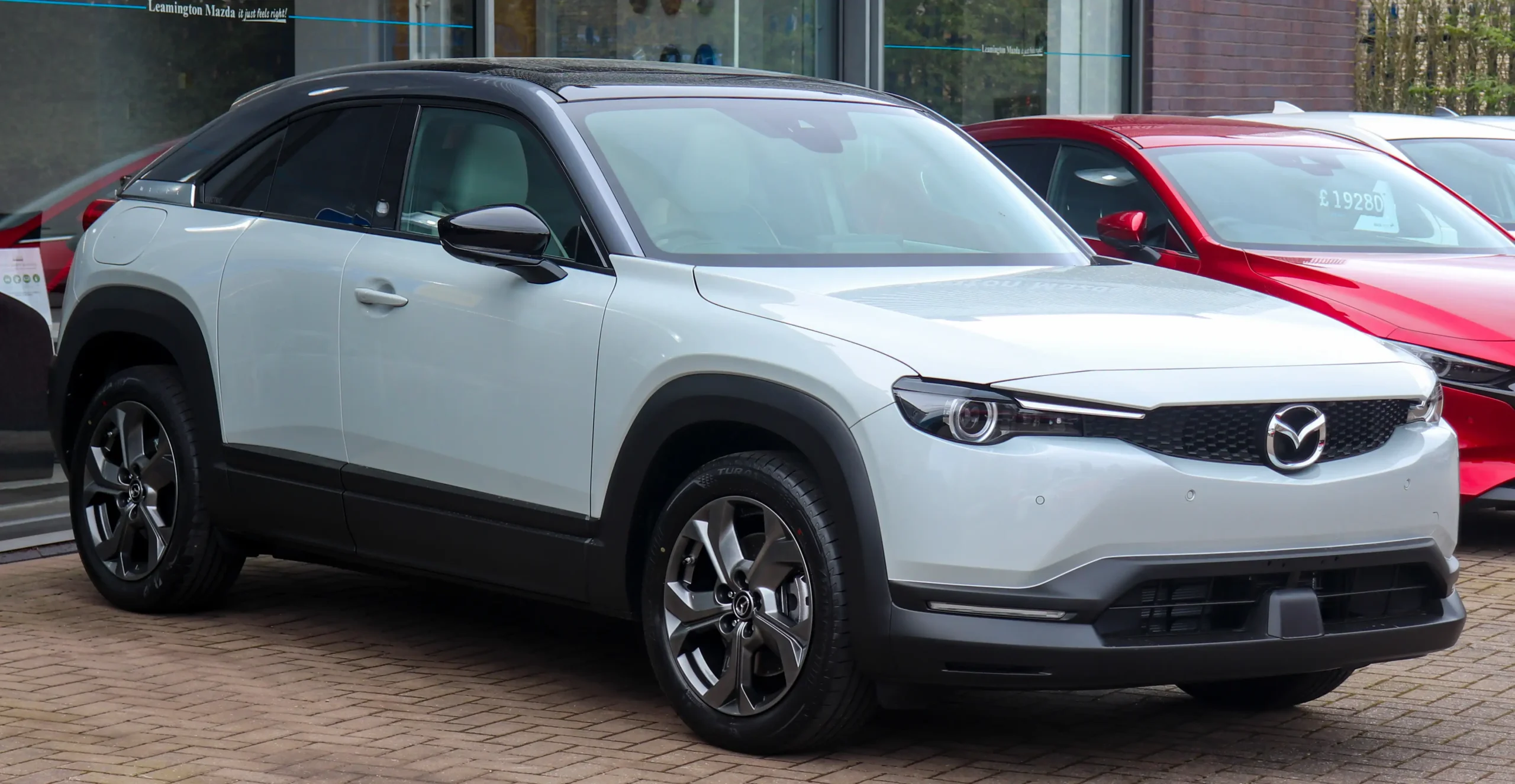
Now, five years after the MX-30 hit the market, the company appears to have found a more convincing route back into the race through a pragmatic EV strategy built around its long-running partnership with Chinese manufacturer Changan Automobile. The arrangement gives it access to the electric platforms and cabin technology it needs for Europe, while allowing Mazda to focus on the USPs that define the brand.
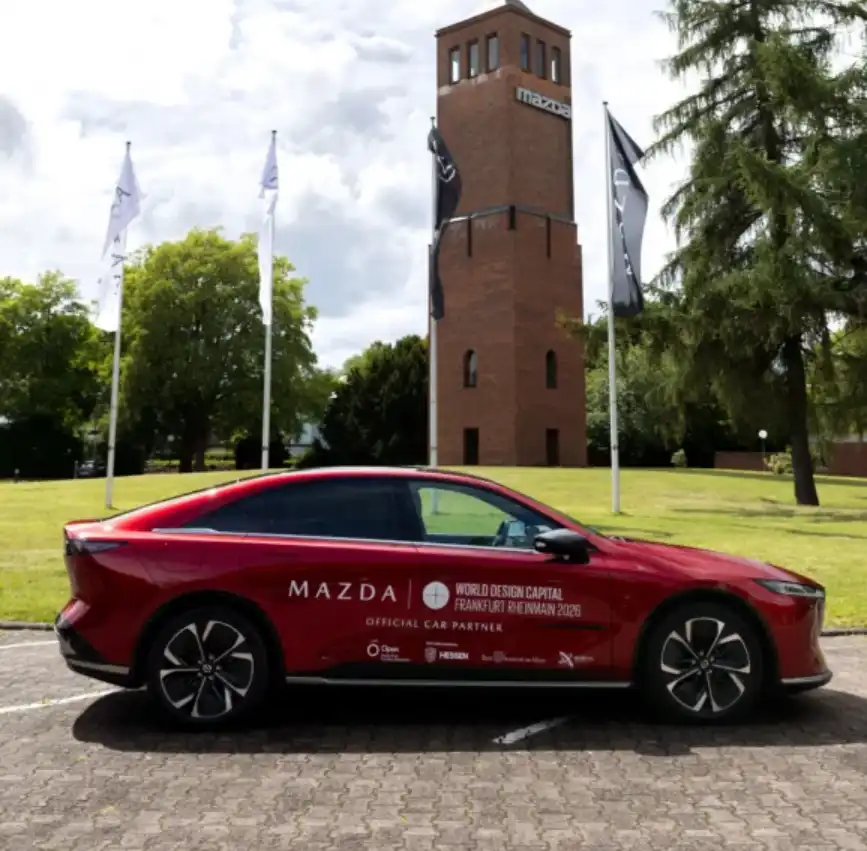
Its Mazda6e saloon and forthcoming CX-6e SUV are designed to give Mazda credibility in two different parts of the European EV market: the 6e as a more polished electric saloon after the limited reach of the MX-30, and the CX-6e as a route into the larger and more commercially important SUV segment. Mazda says the 6e combines its own design, craftsmanship and driving performance with Changan’s electrification and smart-cabin systems, while the CX-6e carries the same collaborative battery-electric approach into the SUV market.
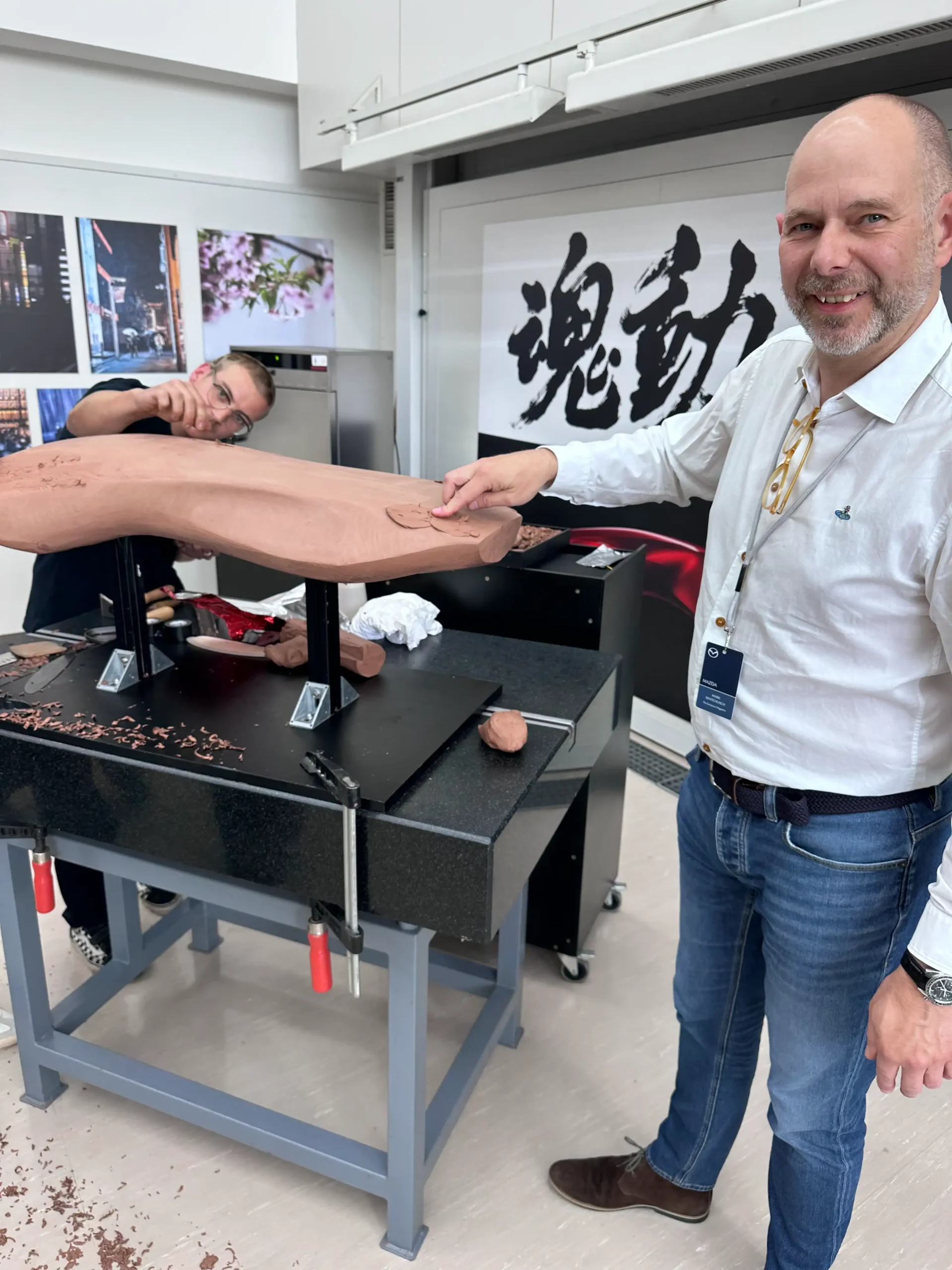
Mazda says design remains central to that task, helping the brand connect its traditional strengths with the Chinese-linked electric technology now underpinning its new European EVs. The company places particular emphasis on its Takumi – highly skilled master craftspeople – whose hand-shaped clay models and surface work are used to give each car a recognisably Mazda character.
“Our ultimate philosophy is to give life to every vehicle that we create, through unique, timeless and sophisticated design, meticulously crafted by the hands of our Takumi,” Jo Stenuit, Mazda Motor Europe’s Design Director, told me at the company’s European Design Studio in Frankfurt last week.
Mazda presents the studio as a strategic pillar alongside its design operations in Japan and the U.S, rather than a European styling outpost.
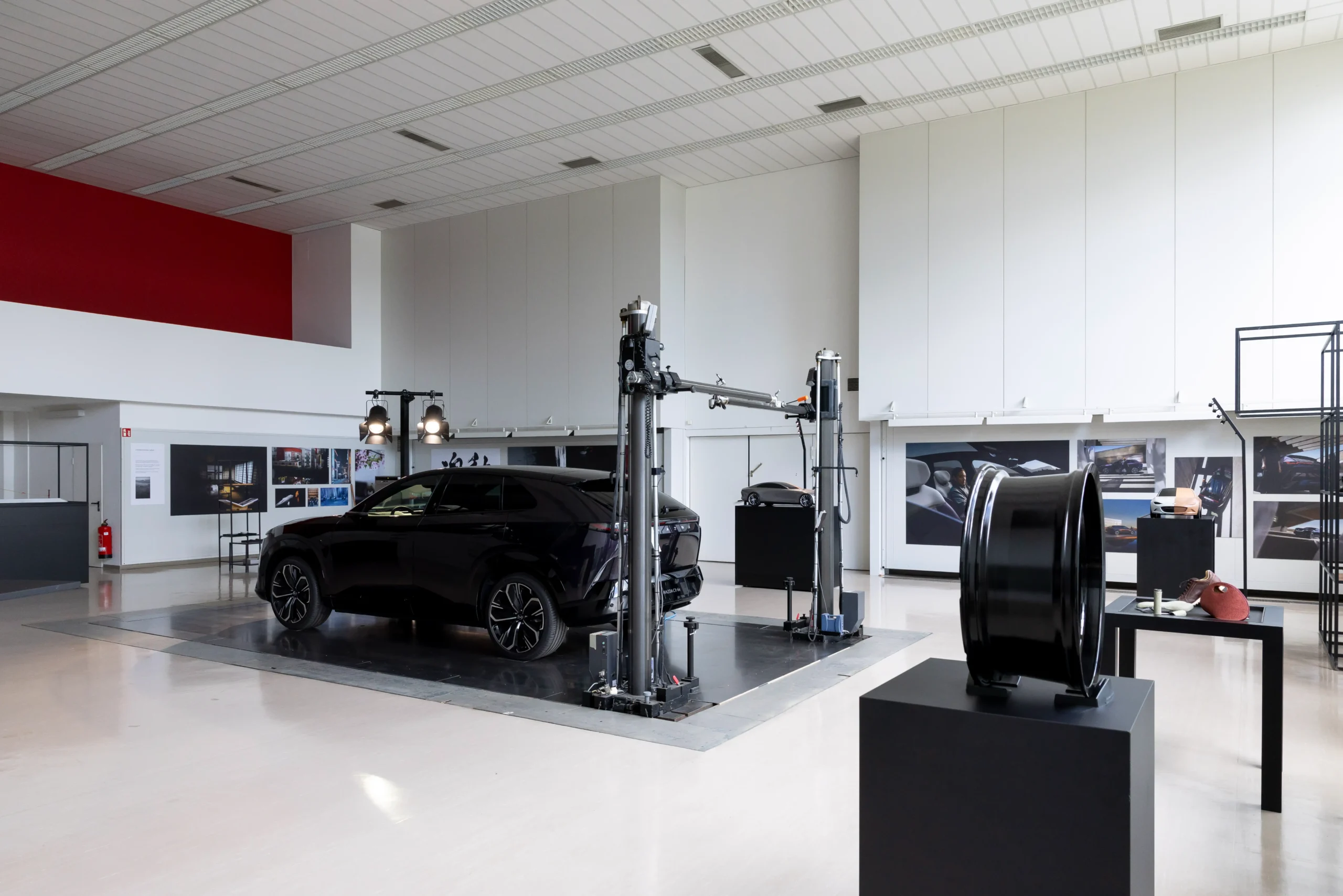
It is here, in a sharp but understated single-storey building in Oberursel that once housed a waxworks, that Mazda’s European design team gives regional form to Kodo, the company’s ‘Soul of Motion’ philosophy, which aims to make a car look as if it has energy and movement even when standing still.
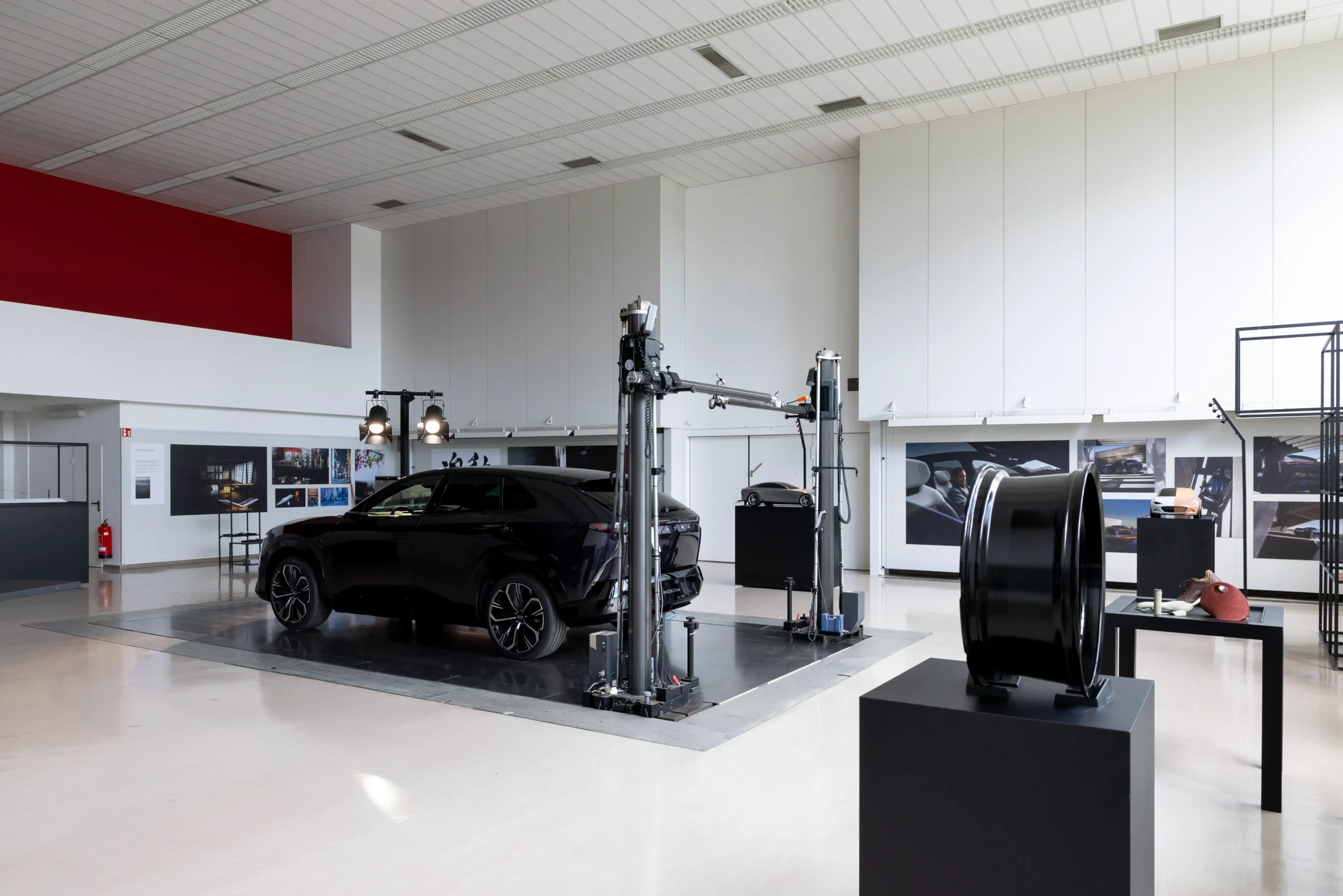
Clay models are shaped by hand, surfaces are tested under controlled light, and colour, material and finish specialists refine the cabins through textiles, stitching, wood, leather and paintwork designed to give the Mazda6e and CX-6e a Mazda character beyond their Chinese-linked electric technology.
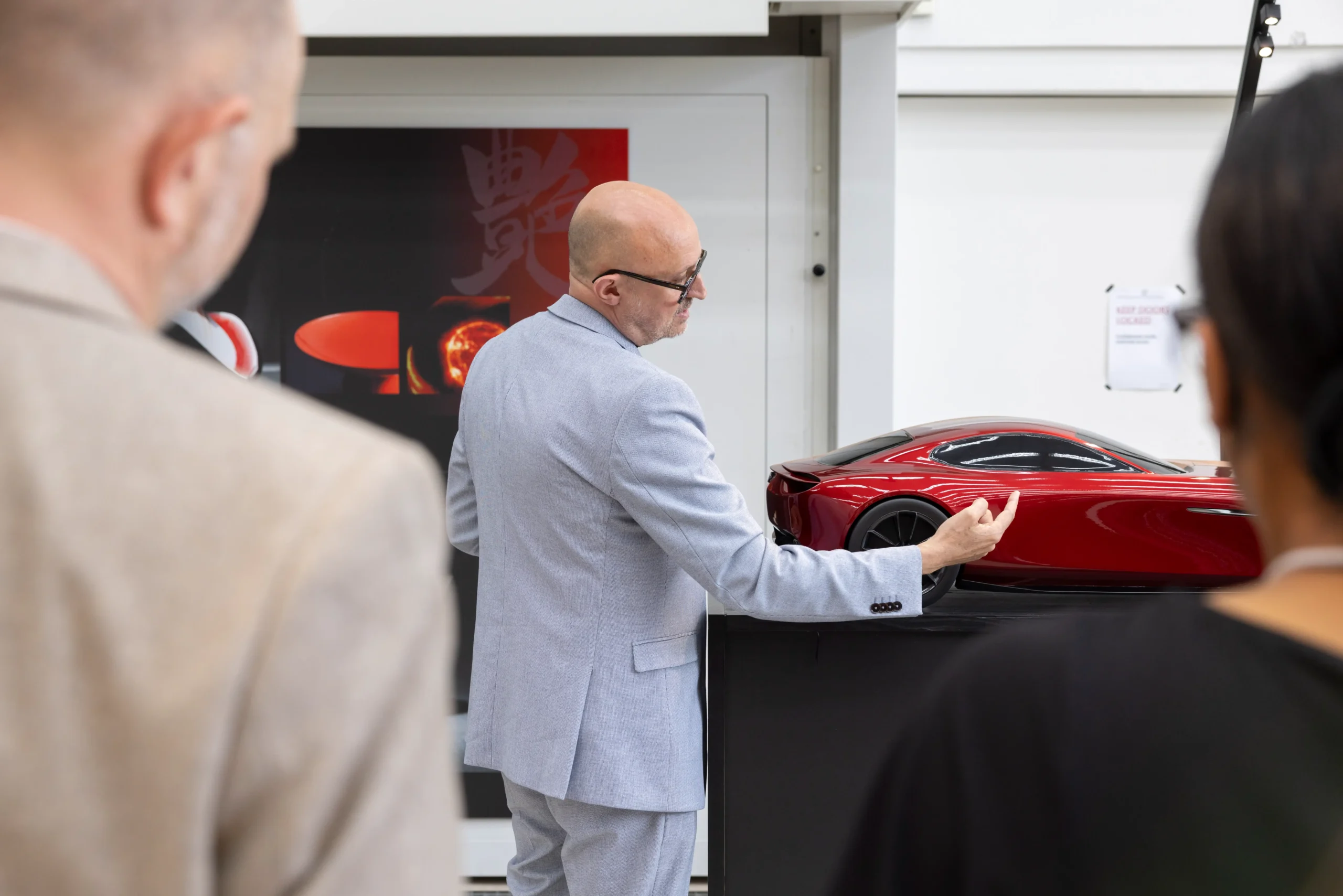
Standing beside a scale model of the RX Vision, the concept that best expresses the company’s Kodo philosophy, Stenuit ran his hand along the shoulder line and explained why the process remains important.
“Computers are fast, but they don’t feel,” he told me. “Clay lets us see how light behaves in the real world. It’s the difference between designing a shape and sculpting a presence.”
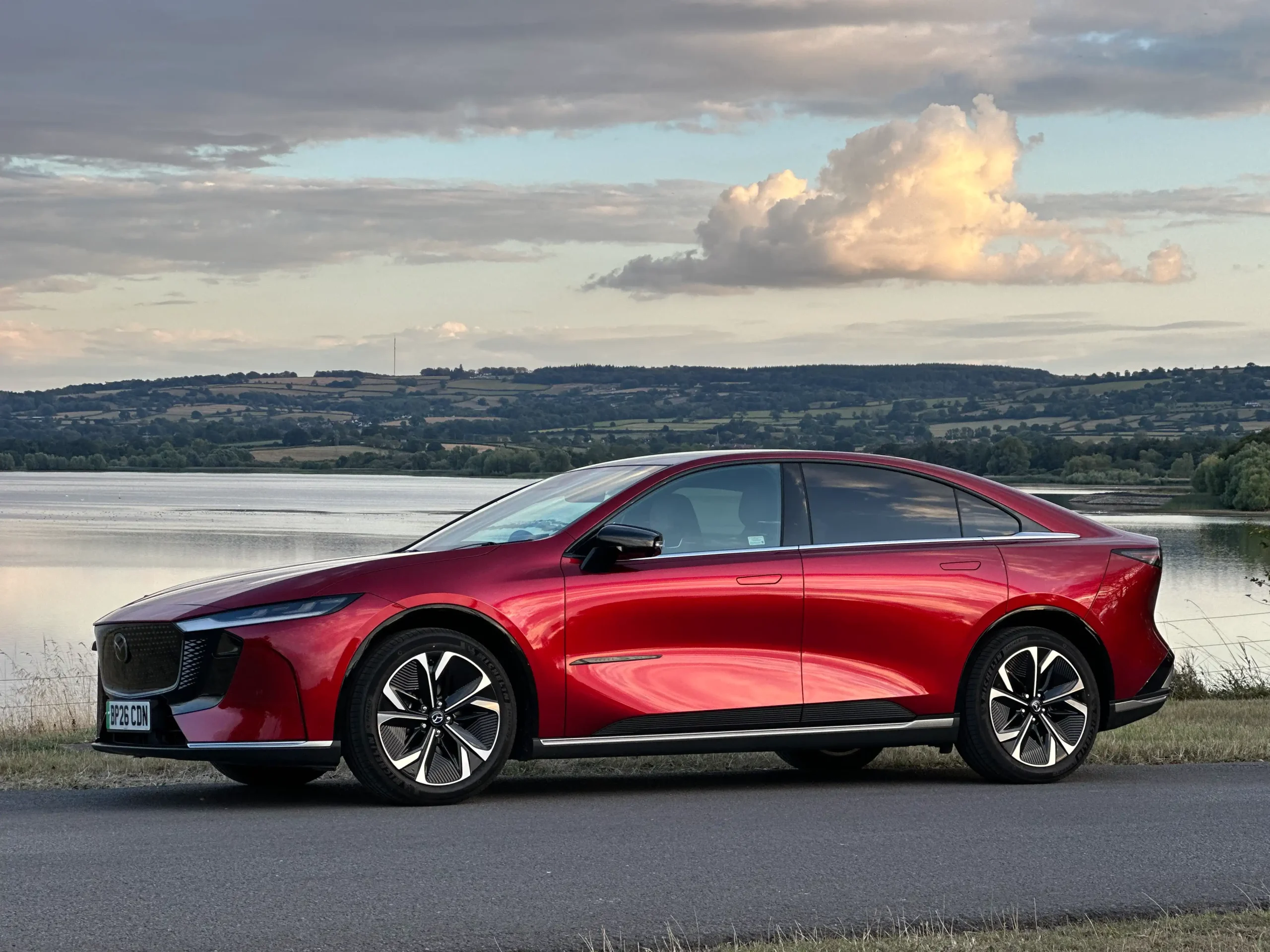
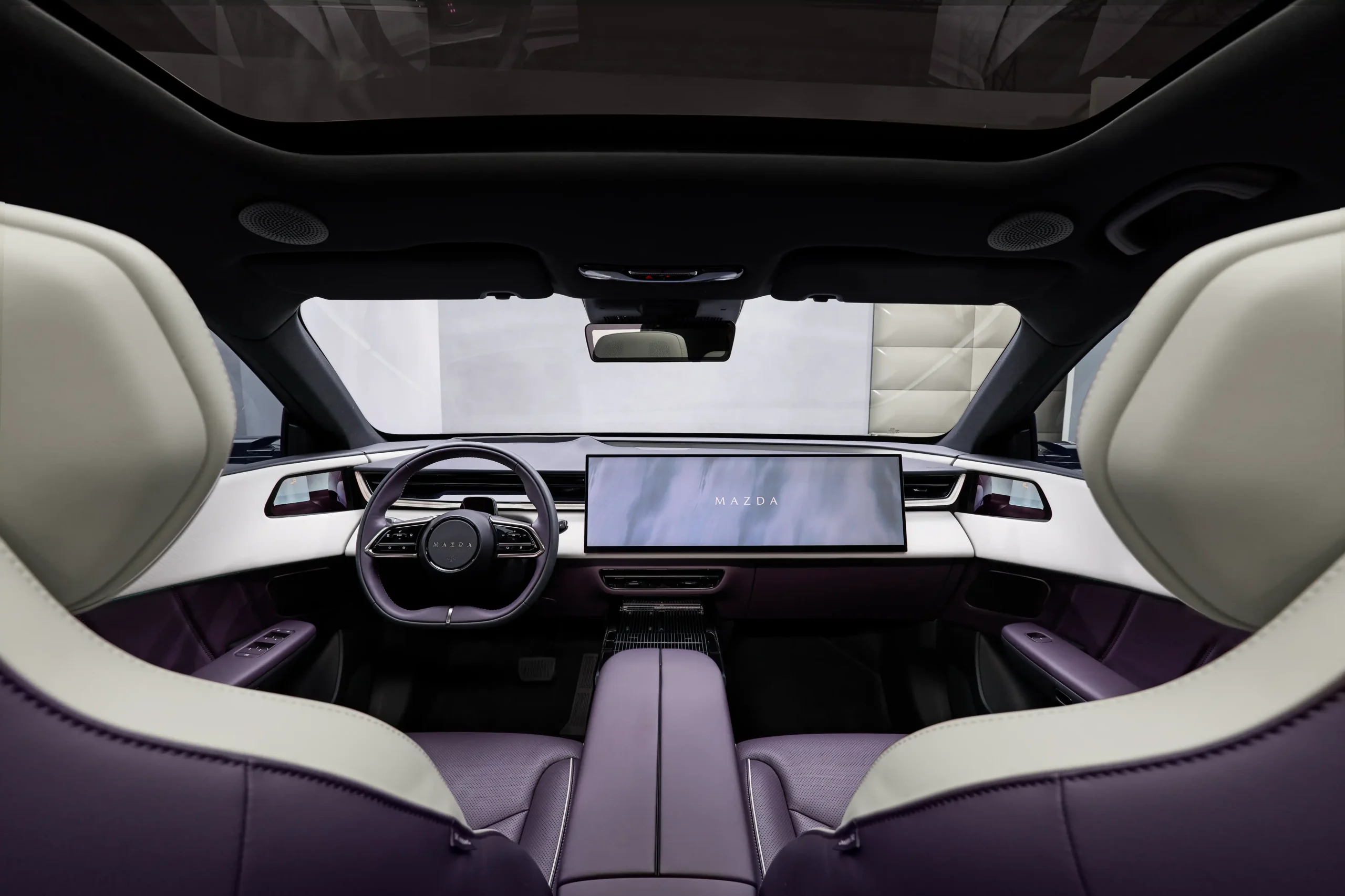
The Mazda6e, in which I was driven through Frankfurt, sits low and long, with clean surfaces and fewer sharp creases than many rival EVs. Inside, its minimalist cabin uses soft leather, open-pore wood, textiles and Musubu stitching inspired by Japanese knot-tying and bookbinding, while drawing on Ma, Kaicho, Komorebi and Sori – Mazda’s shorthand for space, material harmony, light and balanced curvature.
Alena Gersonde, Mazda’s Senior Designer of Colour, Material and Finish, said the company’s interiors draw on research well beyond the car industry, from homes, furniture, ceramics, architecture, fashion and textiles to food culture and the natural world. References included light through forests, shadows on water, seasonal colour changes, early morning light over Hiroshima Bay and even traditional Japanese joinery.
“Car interiors can’t be designed in isolation,” Stenuit said. “They have to reflect the world people inhabit. If homes are becoming calmer, more tactile, more natural, then our cabins should echo that.”
The CX-6e, with its long bonnet, rear-biased stance, absence of chrome and cabin tones that shift from warm to cool, carries the same argument into the more commercially important SUV segment. Shown in production-ready form at the studio, the forthcoming electric flagship SUV is due in the UK at the end of this year and gives Mazda a broader vehicle with which to test whether this design-led EV strategy can work beyond the saloon market.
Senior designer Bahram Partaw pointed to the rear haunches, where the bodywork is shaped to let light carry the design rather than relying on drawn-on character lines. Mazda has even created a new colour for the SUV, Nightfall Violet, to pick out those curves – part of a wider push to use paint, surface treatment and cabin finish to make its new EVs feel distinctively Mazda.
“This is where the light does the work,” Partaw said. “We don’t draw lines but sculpt surfaces that invite light to move.”
There is no question that both the CX-6e and the Mazda6e look superb and offer Mazda a far more promising track into Europe’s EV market than the MX-30 ever did. The risk, however, is whether enough buyers will care about the things Mazda does best – design, cabin quality and driving feel – when so many EV decisions still come down to range, charging, software and price.
Partaw’s view is that Mazda should resist chasing those fashions head-on. “Our job is to create cars that feel timeless. Not fashionable. Not aggressive. Just… right.”
READ MORE: Chinese carmaker GAC to launch electric cars in Britain. As electric car sales surge and the 2030 petrol ban looms, Chinese giant GAC is entering the UK market with two high-tech models, promising premium features and competitive pricing aimed at shaking up Britain’s fast-growing EV sector.
Do you have news to share or expertise to contribute? The European welcomes insights from business leaders and sector specialists. Get in touch with our editorial team to find out more.
Main image: The interior of the Mazda CX-6e, whose cabin is central to the Japanese carmaker’s attempt to bring design discipline and material quality into its next generation of European EVs. Credit: Na Zimmermann/Mazda