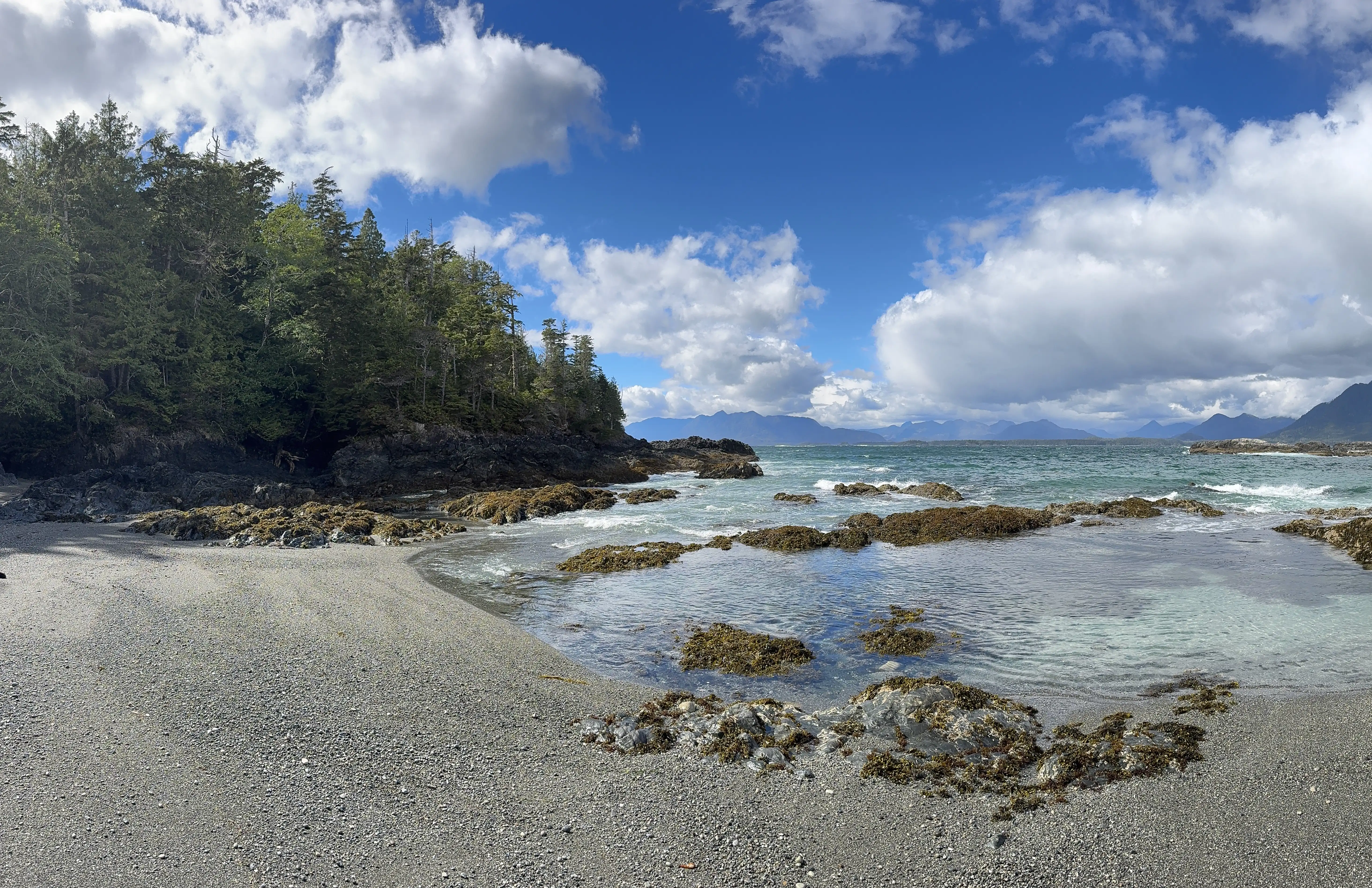
Think Magaluf is trashy? Think again. John E. Kaye travelled to Mallorca to see how the island’s southwest coast is trying to balance mass tourism with marine protection – and why some of the clearest diving water in the Med needs defending
The water in Mallorca doesn’t taste like what it ‘oughta – or at least like what it used to.
For years, initiatives across the island and the wider Balearics have sought to clean and protect the coastline on which much of the local tourist economy depends.
Mallorca recorded 49.5 million hotel overnight stays in 2025, the highest total of any tourist area in Spain, a measure of the pressure placed on its beaches, bays and coastal waters each season.
It is also home to a substantial yachting and superyacht industry, centred heavily on Palma and nearby Puerto Portals, where marinas with hundreds of berths cater for vessels of up to 60 metres.
Heavy marine traffic brings anchors, tenders and constant movement in and out of sheltered coves, with the greatest strain often falling on precisely the clear, shallow bays that make Mallorca so attractive in the first place.
Between 2020 and 2025, the Balearic Islands reportedly recorded 396 contamination incidents in bathing waters, including 82 temporary bathing bans.
Alongside concern over water quality has come a wider effort to remove rubbish from beaches and coastal waters. Last year, the Balearic coastal cleaning campaign, the Balearic government’s seasonal shoreline and nearshore clean-up service, reportedly removed 36.8 tonnes of waste from the archipelago’s coastline, with plastic making up 44.27 per cent of the total.
Mallorca accounted for 17,520.20kg of the waste collected, more than any other island.
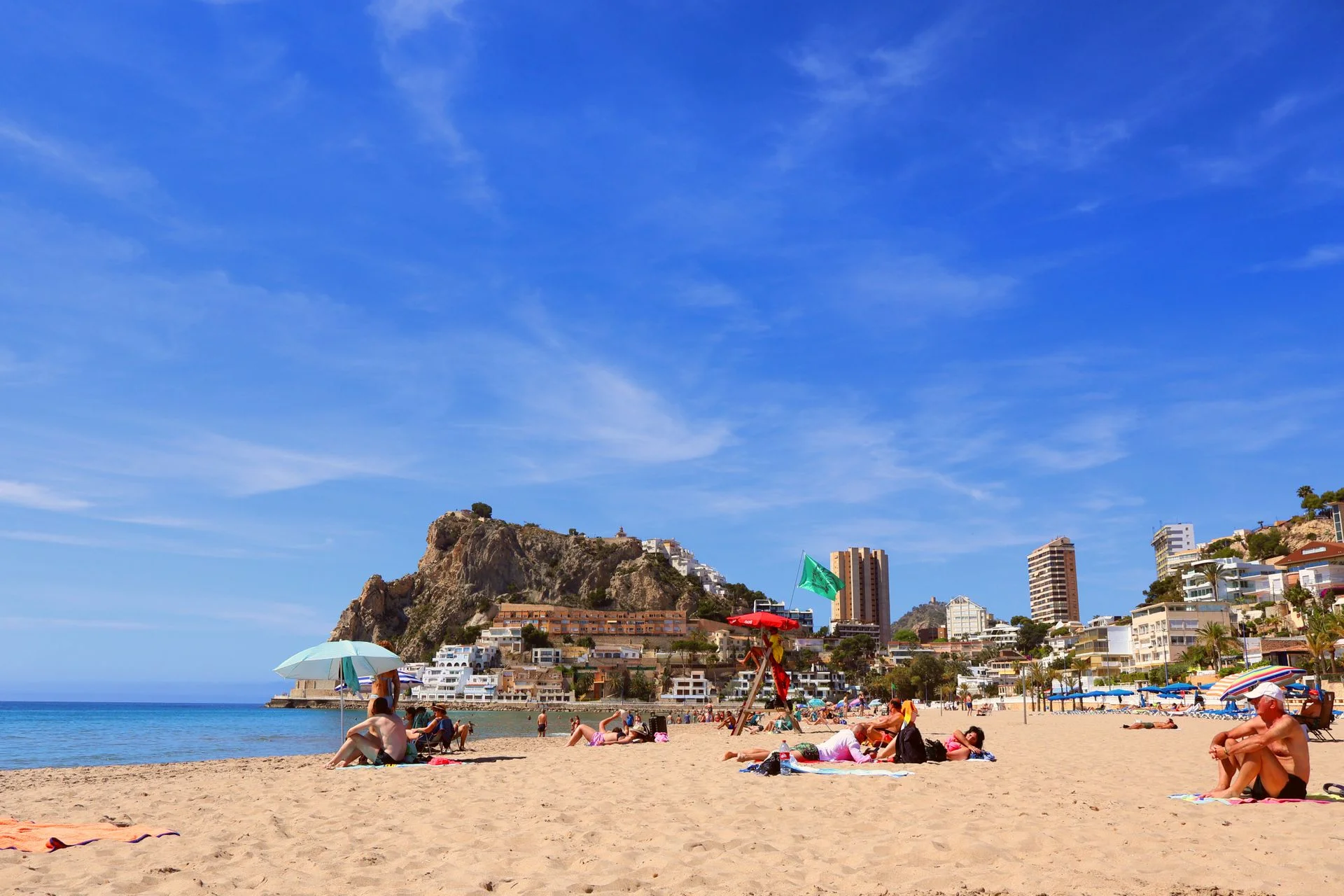
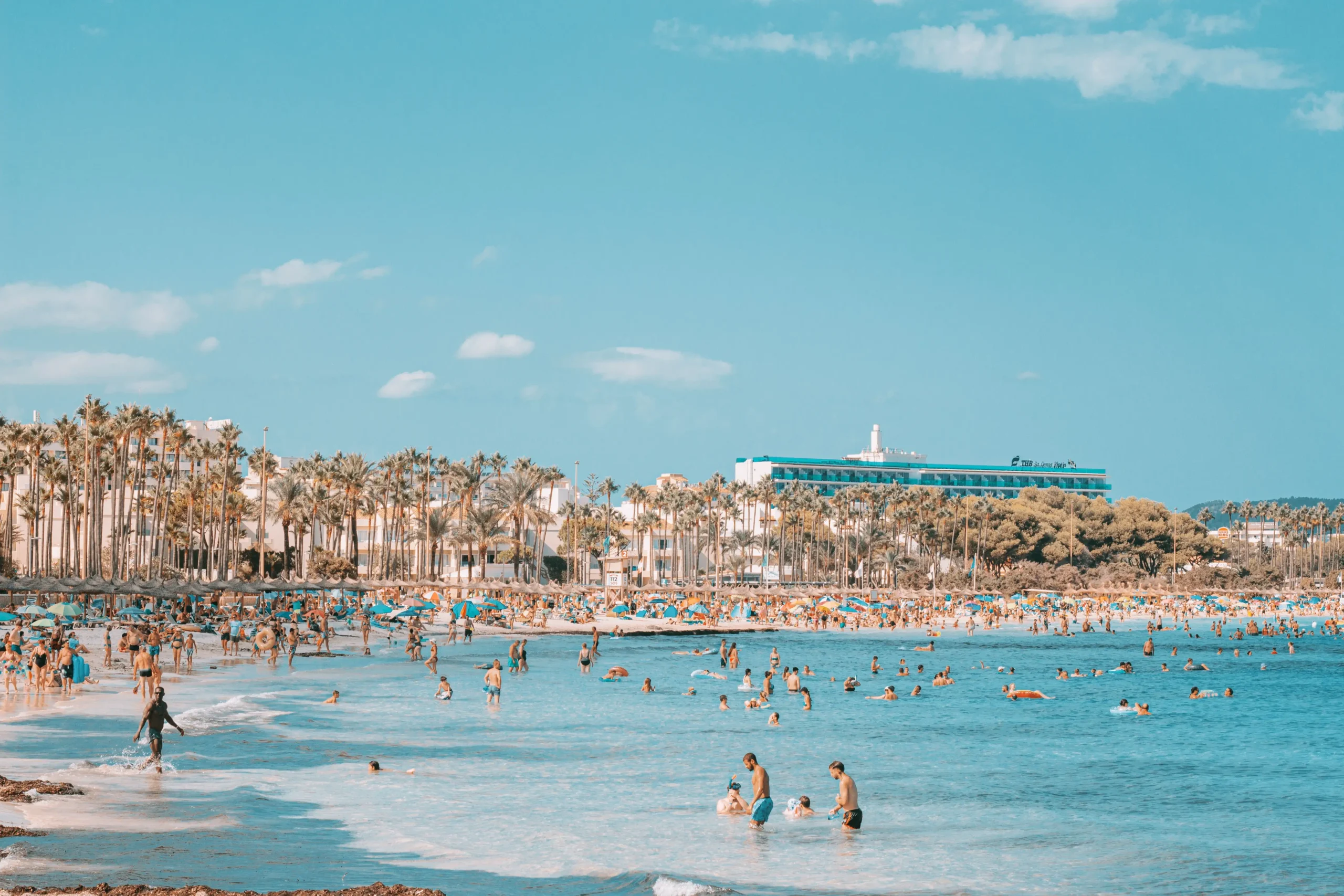
Insert beach pic with the cap: Playa de Palma, near Can Pastilla, is one of Mallorca’s busiest beach stretches and shows the scale of tourism pressure on the island’s coastal waters. Credit: Burkay Canatar, Pexels.
But the figures also show how much work remains. Floating rubbish can be collected by seasonal cleaning boats, but waste that sinks is harder to remove and easier to ignore. Recent seabed surveys around the Balearics have found plastic, glass, metal, fibreglass fragments and fishing waste still lying below the surface, including around Mallorca, where litter was recorded in both spring and autumn.
The rubbish is not all from tourists dropping bottles and bags on beaches; a 2026 seabed-litter study pointed to a wider mix of likely sources, including tourism, hospitality, boating and fishing.
The other major fight is over Posidonia, the protected seagrass meadows offshore, where anchors from yachts and leisure boats can tear through the marine plant that supports fish life and helps preserve water clarity.
Posidonia, or Posidonia oceanica, is a Mediterranean marine plant valued for the way it stabilises the seabed, oxygenates the water and provides shelter and breeding habitat for marine life.
Last year, the Balearic government’s summer patrols protecting Posidonia carried out 181,468 checks and interventions across the islands. They monitored where boats were anchoring, warned skippers and moved vessels away from protected seagrass when necessary.
The total included 156,043 anchoring checks and 10,062 relocations of boats moored over Posidonia or in risk areas. Mallorca alone accounted for 72,605 of those actions.
As a result, more boats are now using official eco-moorings instead of dropping anchor on protected seagrass. According to PortsIB – Ports de les Illes Balears, the Balearic government body that manages the islands’ ports and regulated buoy fields – there was a 32 per cent rise in bookings in those mooring areas, from 9,779 in 2024 to 12,960 in 2025.
Bookings for the 2026 ecological buoy fields are due to open on 11 June, an encouraging sign that more vessels are using the official system designed to keep anchors off the Posidonia meadows.
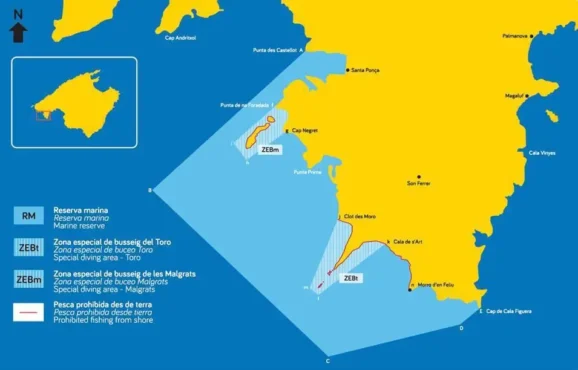
The same stretch of coast has also seen one of the island’s biggest marine-protection moves. The El Toro and Malgrats marine reserves, first created in 2004, were expanded and joined in 2022, increasing the protected area from 227 hectares to 2,952 hectares between Punta des Castellot and Cala Figuera.
Today, the ongoing campaign to protect Mallorca’s water is visible from beach level to seabed, with coastal cleaning, anchoring controls and seagrass protection all shaping the condition of the sea that visitors come for.
For visitors, the clearest view of what Mallorca is trying to protect is still found beneath the surface.
Scuba diving in Palma
Mallorca is one of the easiest places in Europe to enjoy a short scuba diving break. Flights are inexpensive, accommodation is plentiful, and the southwest coast in particular gives divers ready access to a large number of sites without long airport transfers.
The island has dozens of dive sites, with many of the most practical and rewarding lying within easy reach of Palma and the resorts, including Magaluf, to its west.
The main season runs from spring into autumn, and late spring is often one of the best times to go. At this time of year, the water is warming, visibility can be excellent – up to 20m, in fact – and the coast is usually quieter than it becomes in high summer.
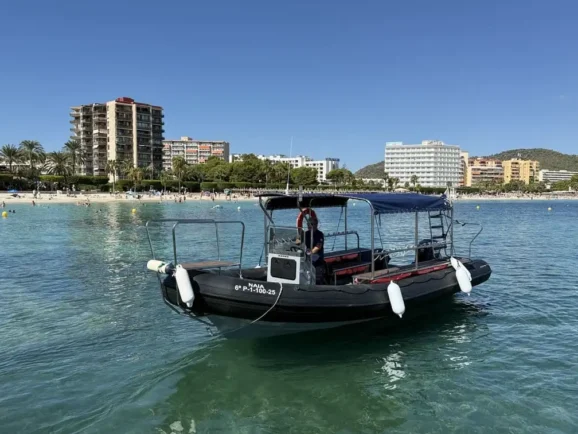
Centres along the southwest coast offer try-dives, refresher sessions, beginner courses and guided trips for qualified divers, so it is easy to add a morning underwater to an ordinary beach break. I used the excellent Big Blue Diving, a centre with friendly, highly knowledgeable staff. It operates from Palmanova and Puerto Portals and offers options ranging from boat-based Discover Scuba Diving sessions to short SSI courses and guided trips to sites including El Toro, Porto Pi and Isla del Sec.
For anyone wanting to get beneath the surface, the southwest coast offers a useful cross-section of Mallorca’s underwater world. Within a short run of Palma, divers can move from sheltered training sites and rocky reefs to wrecks, walls, caves and seagrass-fringed bays, with each site offering a different view of the marine life and habitats that make the island worth protecting.
Here are some of the best places to start:
Palma Bay and the southwest coast
The diving around Palma Bay and the southwest coast is gentler and more forgiving than some of the island’s more dramatic western sites. Here the underwater landscape is built around rocky shelves, ledges, seagrass, small drop-offs and clear, bright water rather than big walls or intimidating depth. That makes this stretch particularly well suited to beginners, recently qualified divers and anyone getting back into the water after time away. Fish life is typical of the Mediterranean, with bream, wrasse and damselfish in the shallows, and octopus and moray eels often found around the rocks.
West of Palma – Santa Ponsa
Santa Ponsa is one of the most useful diving bases on the island because it gives quick access to both easy sites and some of Mallorca’s best protected water. Operators based here run short boat trips to training sites, novice-friendly reefs and the marine reserves of Malgrats and El Toro, so mixed groups can stay in one place without compromise. One diver can be doing a first sea dive while another heads out for a deeper wall or reserve site. In good conditions, visibility can be excellent, and the range of terrain – rock, reef, wall, sand and reserve diving – makes the area far more varied than the resort setting on land might suggest.
Magaluf coast – Sa Porrassa
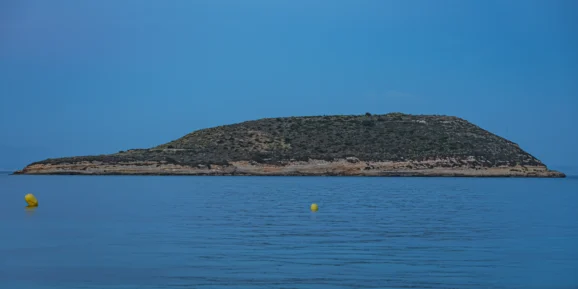
Sa Porrassa, the islet off Magaluf, is one of the friendliest dives in the southwest and one of the best places for a novice to begin proper sea diving. Reached by a short boat ride from nearby centres, it runs to around 18 metres and offers exactly the kind of underwater terrain that builds confidence: broken rock, good natural light, easy orientation and enough fish life to make the dive feel real without making it demanding. It is a strong choice for beginners, refreshers and newly certified divers who want structure and marine life without stress.
Malgrats Islands Marine Reserve – Piscina Malgrats
Piscina Malgrats is the easiest way into one of the southwest coast’s most rewarding marine reserves. It is a shallow natural pool at around three metres, reached within minutes by boat from Santa Ponsa, and is widely used for introductory sessions, training dives and easy reserve outings. What lifts it above a standard beginner site is the reserve itself. Protection has allowed marine life to recover, and divers may see barracuda, morays and grouper here, alongside the smaller life that repays a slower look. It is an easy dive, but far from a dull one.
Malgrats Islands Marine Reserve – Punta Malgrats
Punta Malgrats is a little more dramatic with depths from the mid-20 metres to 35 metres. This is generally a site for qualified divers who are comfortable with depth and buoyancy, and it offers one of the clearest examples of what makes Mallorca attractive once you move beyond entry-level holiday diving – a steep rock face, rich blue water beyond it and the greater density of life that comes with protected status.
El Toro Marine Reserve
El Toro is one of the standout dives in Mallorca and the site most likely to leave a lasting impression on a visiting diver. Reached in roughly 10 minutes by boat from the southwest bases, it offers several different dive routes and can be enjoyed at different levels. A platform at around five metres allows easier diving higher up, while the terrain falls away into deeper sections used by more advanced divers. The reserve is known for its dense fish life, with grouper, morays, barracuda, octopus and dentex among the species associated with the area, and in good conditions visibility can reach around 35 metres. This is the dive that gives the southwest coast much of its reputation.
El Toro area – Punta Marc
Punta Marc sits between the easier reserve routes and the more ambitious wall dives. The dive begins on a shallow plateau at about five metres, drops quickly to around 18 metres and follows a wall with sandy areas below where rays may sometimes be seen. Barracuda, morays and octopus are part of the usual draw. It suits qualified divers who may be a little rusty, as well as newer divers going out with an instructor. Operators in this part of the coast arrange any necessary reserve permissions as part of the dive.
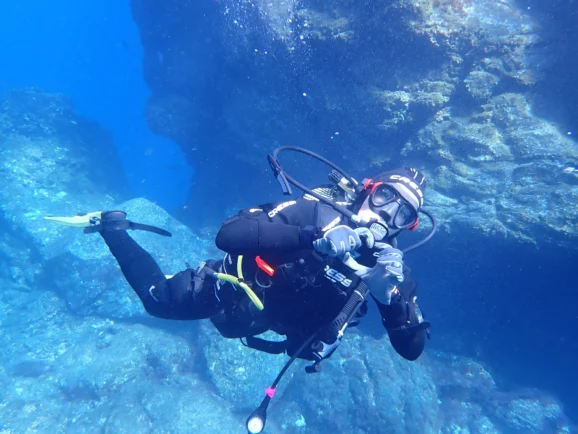
Cala Fornells
Cala Fornells is one of the calmer options in the Santa Ponsa area and works particularly well for novices. Sheltered and shallow, it runs from around five to 20 metres and is used for discover scuba dives, skill-building sessions and easy second dives. It has enough overhangs, rock formations and marine life to keep it interesting, but its main value is how undemanding it feels in the water. For someone doing a first Mediterranean sea dive after a pool session, or returning to diving after time away, it is one of the most sensible choices in the southwest.
Port d’Andratx and Dragonera
Further west, the diving changes character. Port d’Andratx opens onto a more rugged coastline and towards Dragonera, where walls are steeper, the relief is stronger and the scenery is a little wilder and more exposed. Some of the walls here fall to around 50 metres (almost the maximum depth of recreational air diving), and the area is known for caves, blue-water drop-offs and larger concentrations of fish.
Wrecks and specialist dives near Palma
Palma also gives divers access to wreck sites that add another layer to the island’s appeal. Near Porto Pi there are wreck dives at a depth of around 28 metres, generally left to advanced or deep divers, while cave and cavern dives elsewhere along the southwest coast offer a more specialist alternative to the island’s standard reef and reserve routes.
Palma for landlubbers – what to do out of the water
Away from the dive sites, Palma is packed with things to do for all ages and group sizes. The city is close to the main southwest resorts, easy to reach for a half-day trip and useful when you want shops, food, culture and a break from the beach.
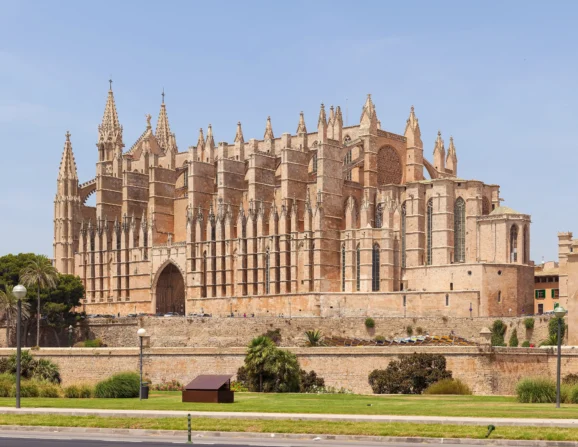
The obvious place to start is Palma Cathedral, the huge landmark on the waterfront. It is worth going inside for the stained glass, while the surrounding old town has cobbled streets, cafés, boutiques, galleries and shaded squares.
Mercat de l’Olivar, a traditional local market, is a wonderful daytime stop for local produce, seafood, sobrasada and ensaimada, while Palma has plenty of places for lunch or dinner, from tapas at La Rosa Vermutería to smarter meals at the likes of Marc Fosh. Don’t miss Fika Farina, famous worldwide for its coffee ancardamom buns. Later on, try a Majorcan spritz, made with a local orange-based aperitif, sparkling wine and grapefruit soda, or head to Bar Abaco in the old town, the famous cocktail stop with grand rooms, fruit displays and prices to match.
Families can mix beach time with short trips into the city, boat tours, shopping, market lunches and early dinners. Sail Palma runs small boat tours with food and drinks included, taking guests out to coves for swimming and lounging on inflatables throughout the season.
The Serra de Tramuntana is also a short drive west if you want mountain villages, viewpoints, walks or a meal away from the coast. Cycling is another easy add-on, with routes for casual riders as well as serious cyclists, and plenty of hire options around Palma and the resorts.
Family-friendly accommodation is plentiful. BQ Belvedere, near Cala Major, is a practical family option, with children’s facilities, entertainment and a free bus service to Palmanova beach.
John E. Kaye travelled independently for The European. He paid his own travel, accommodation and diving costs, and no payment, discount or hospitality was accepted in return for coverage.
READ MORE: Schoolchildren put to the test in pioneering open-water swimming club. Taunton Preparatory School has built one of the country’s most striking youth open-water swimming programmes, with pupils taking on Channel relays, Solent crossings and cold-water training under the guidance of coach Hamish McCarthy. Ben Hooper reports on how ordinary schoolchildren are being prepared for some of Britain’s toughest open-water challenges.
Do you have news to share or expertise to contribute? The European welcomes insights from business leaders and sector specialists. Get in touch with our editorial team to find out more.
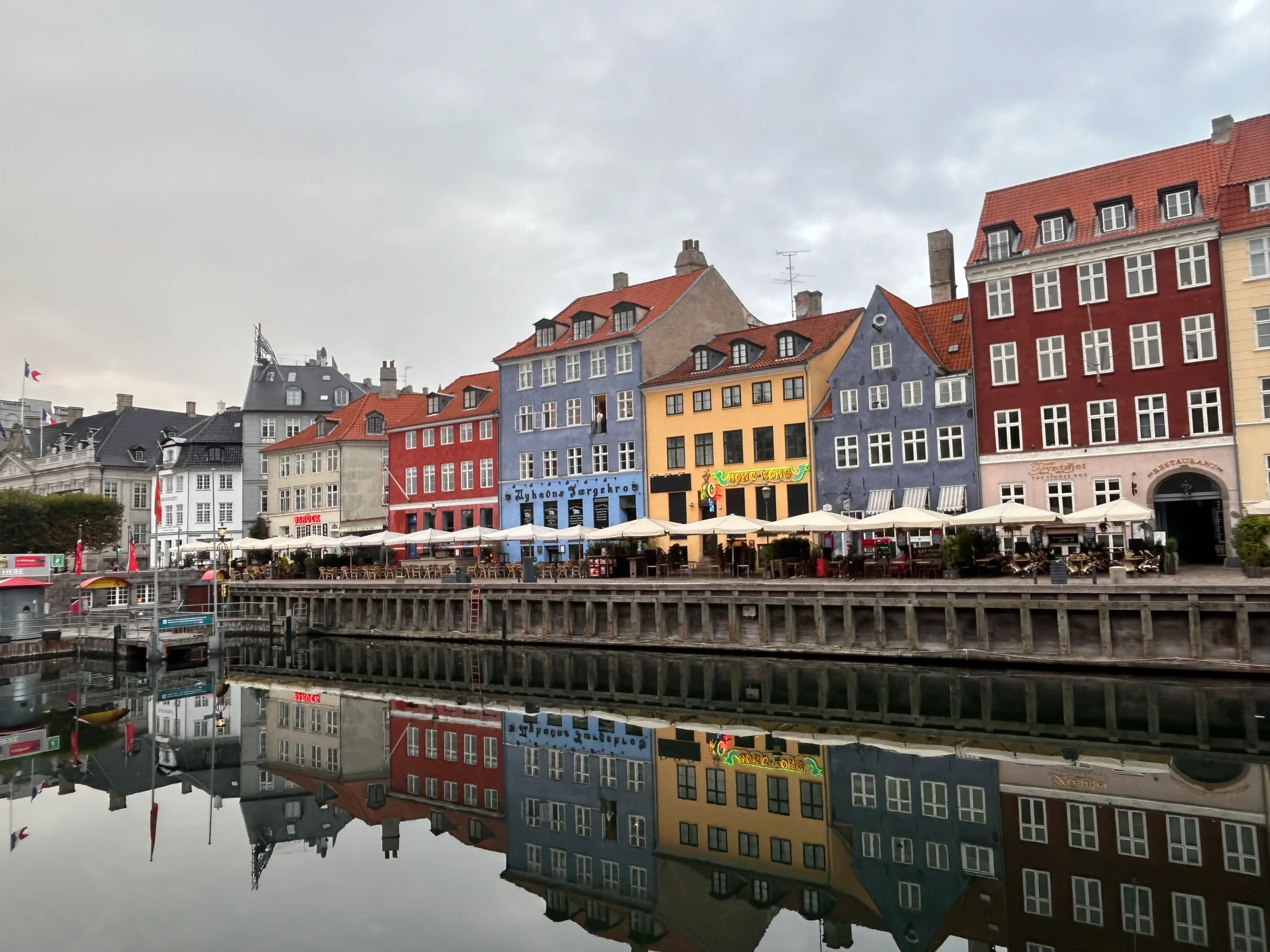
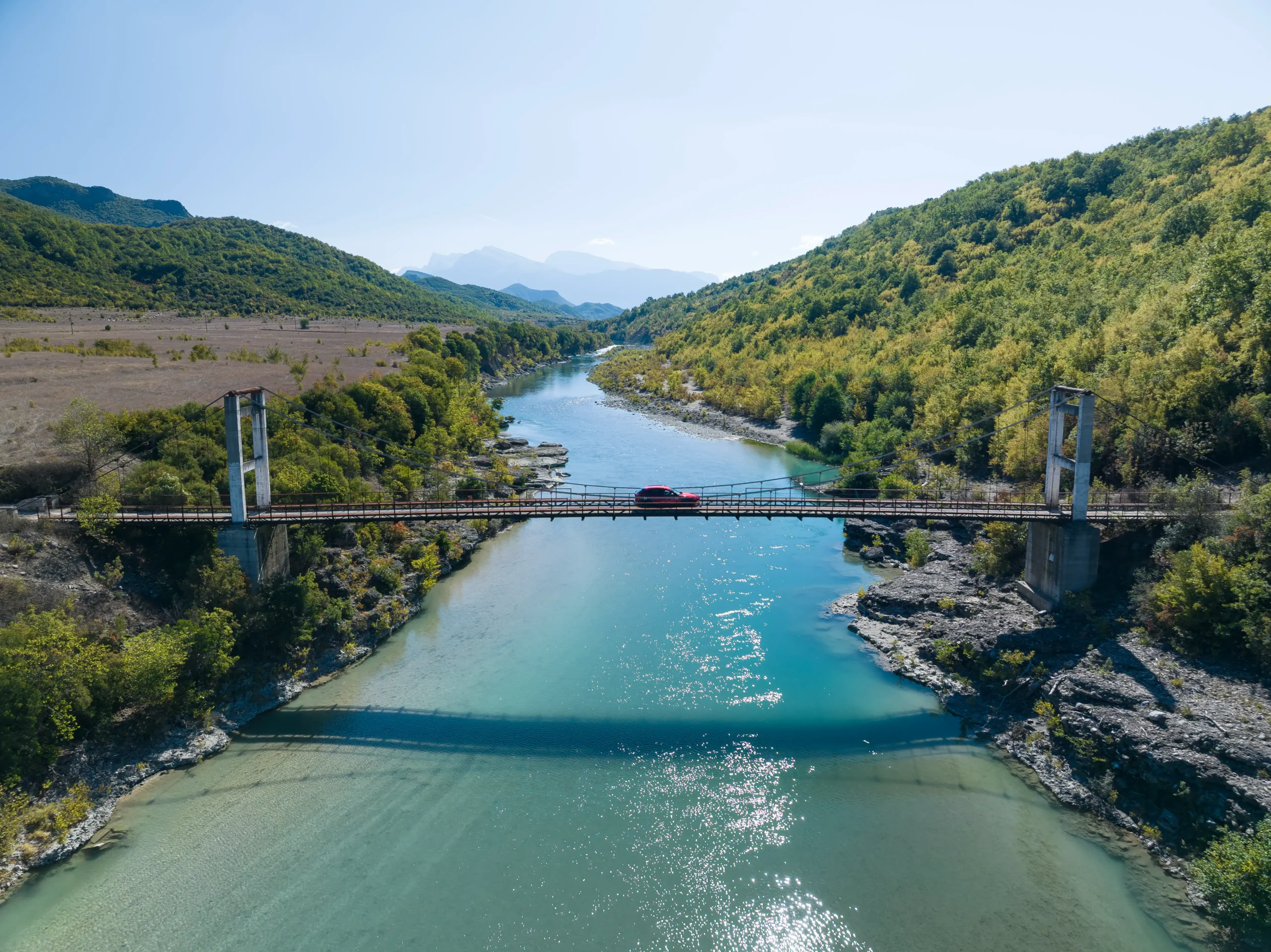
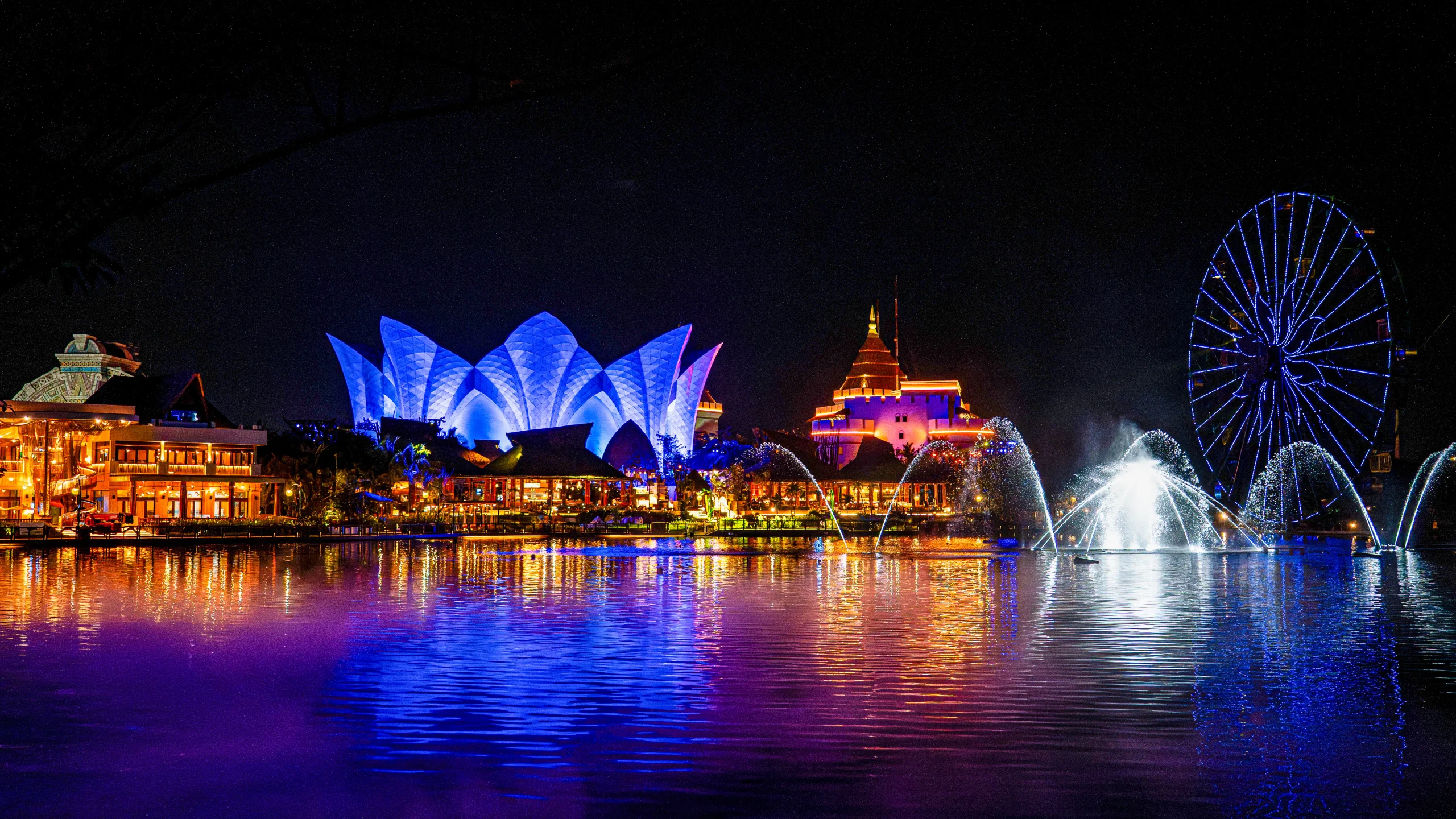
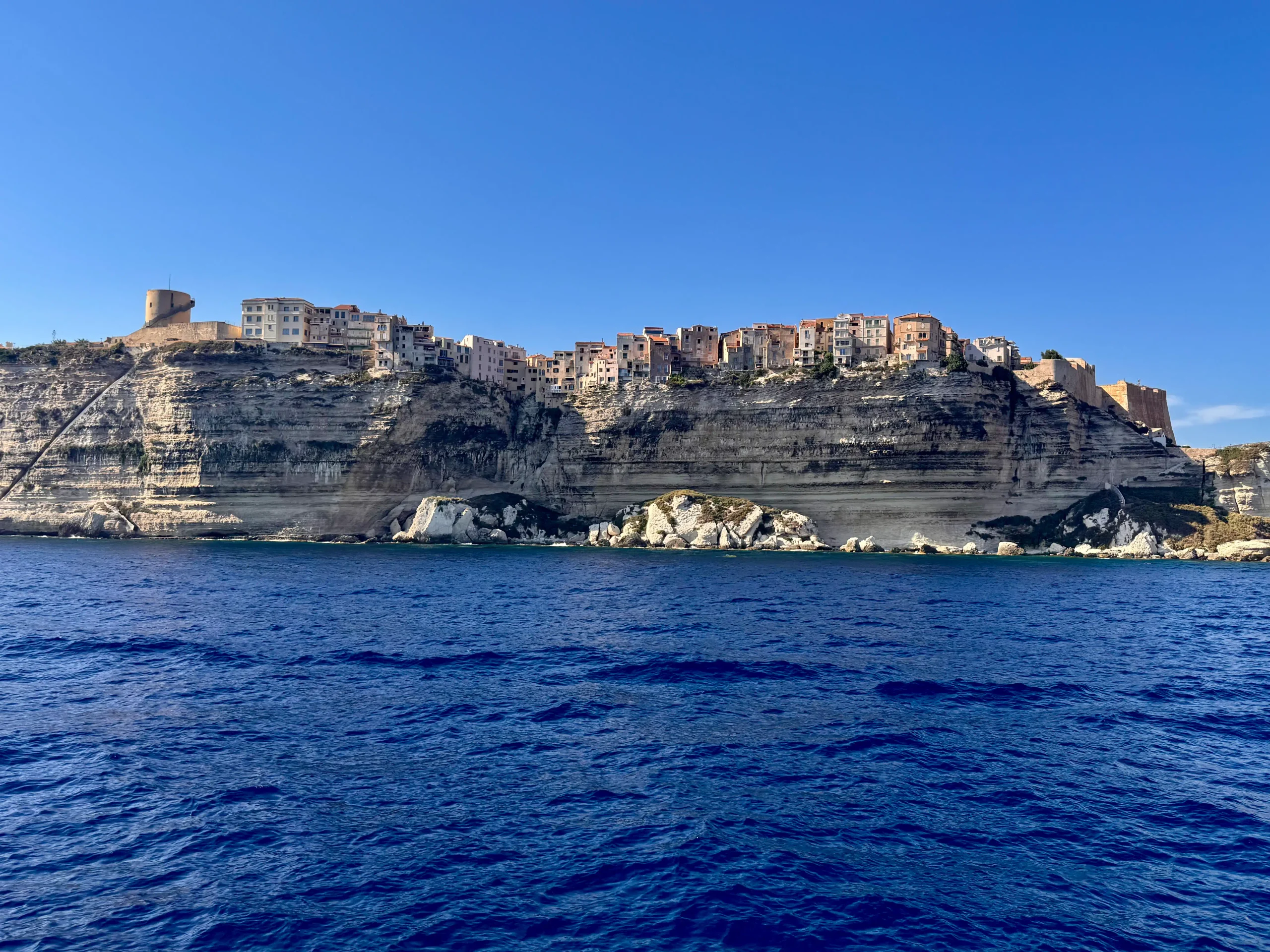
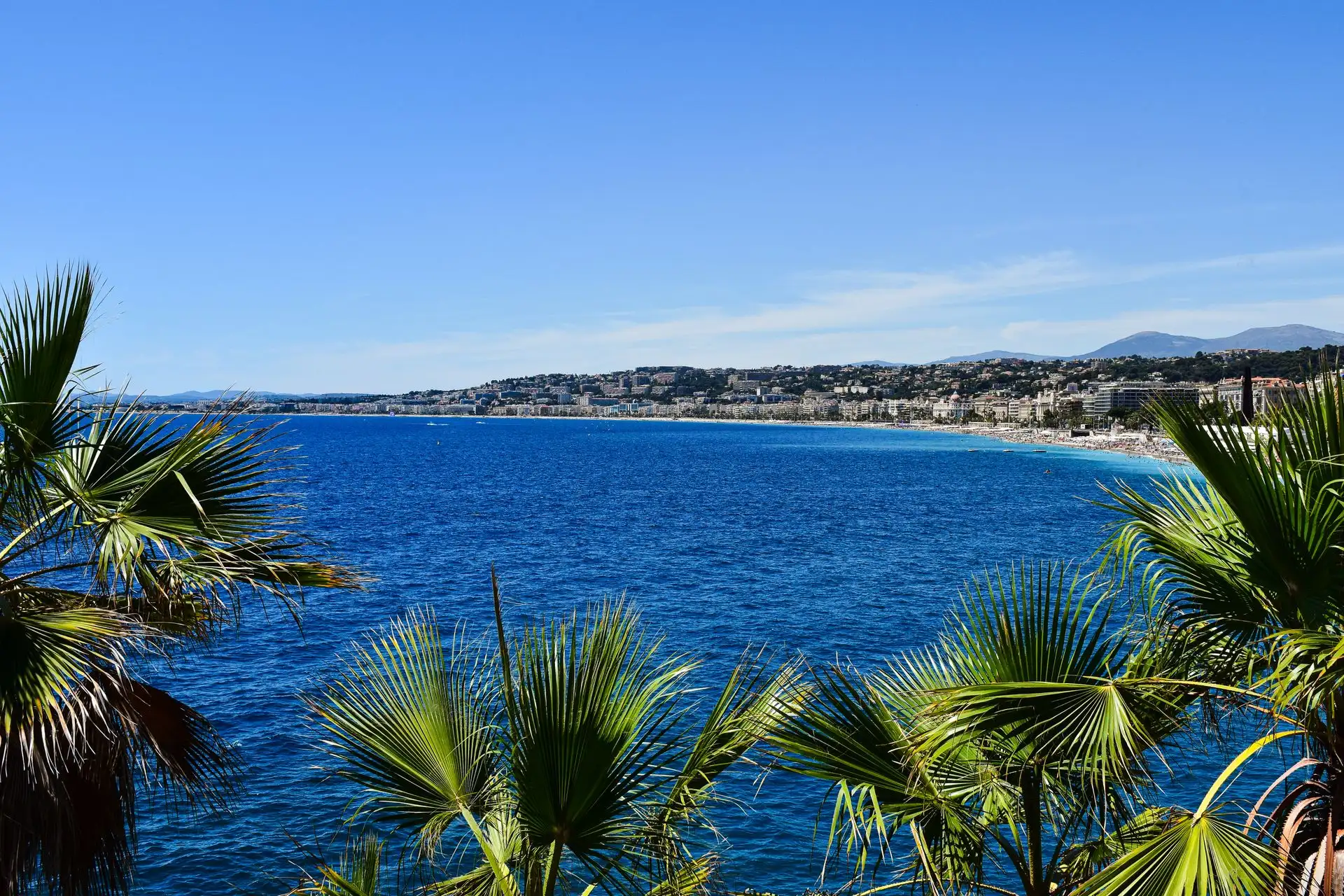
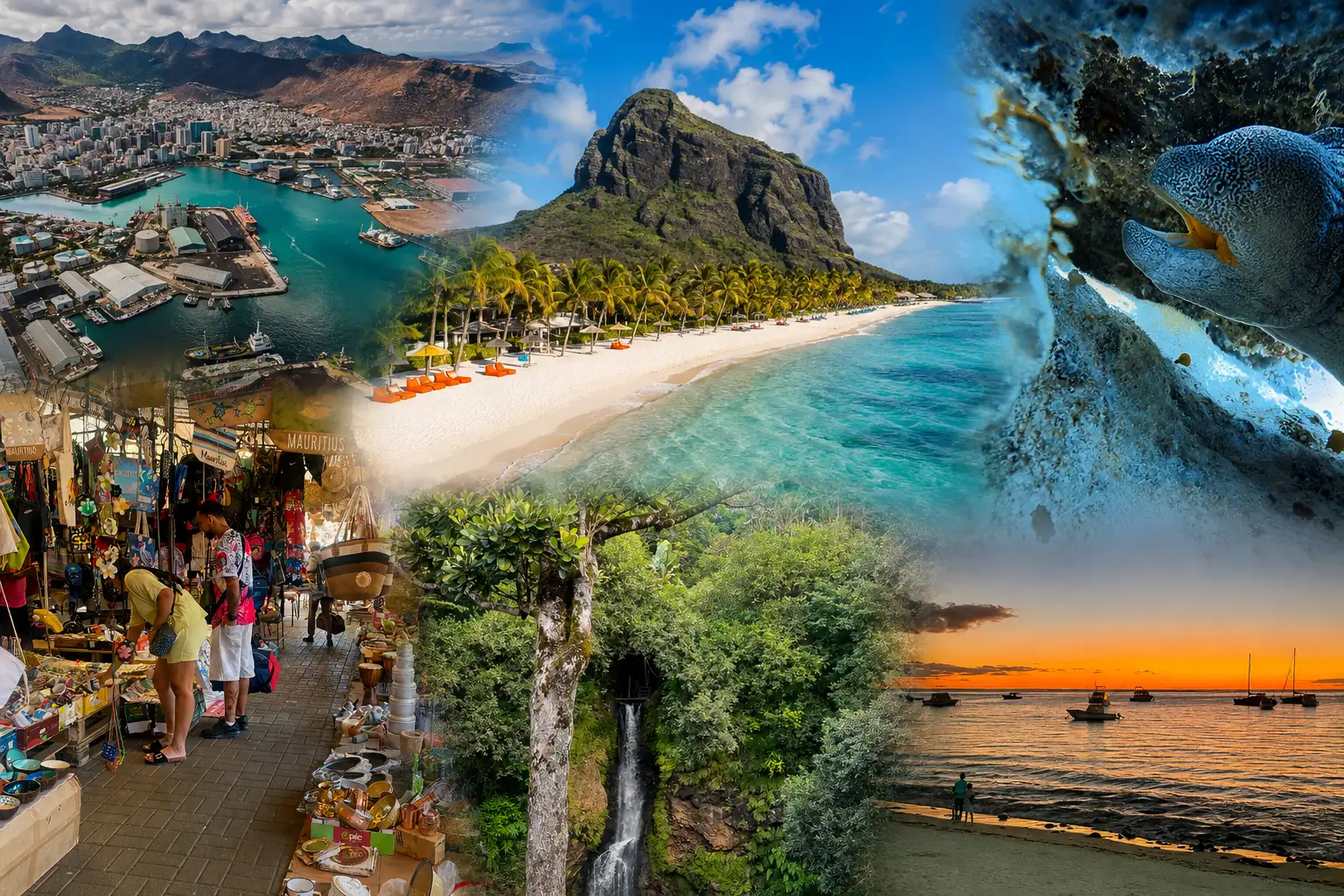
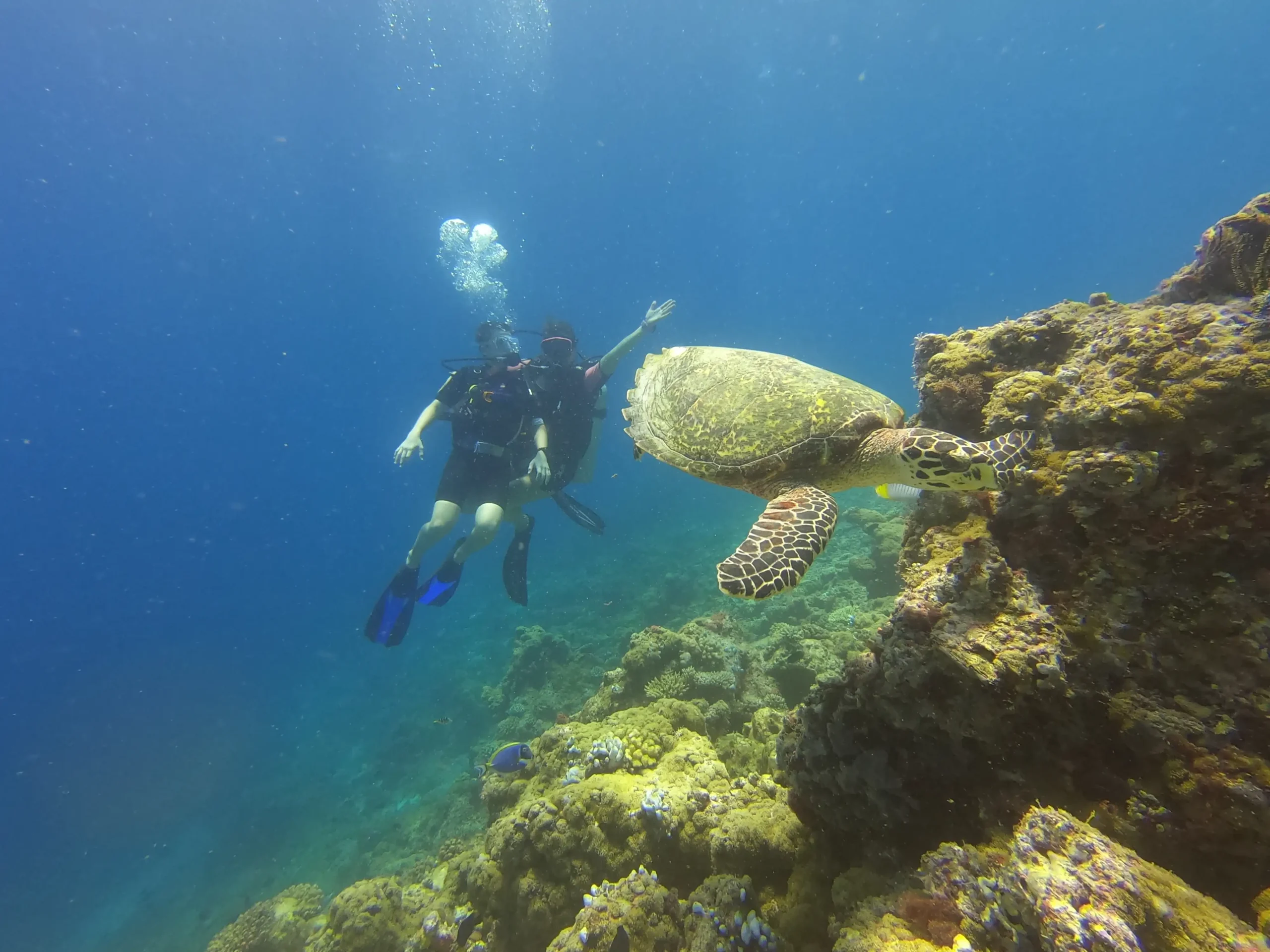
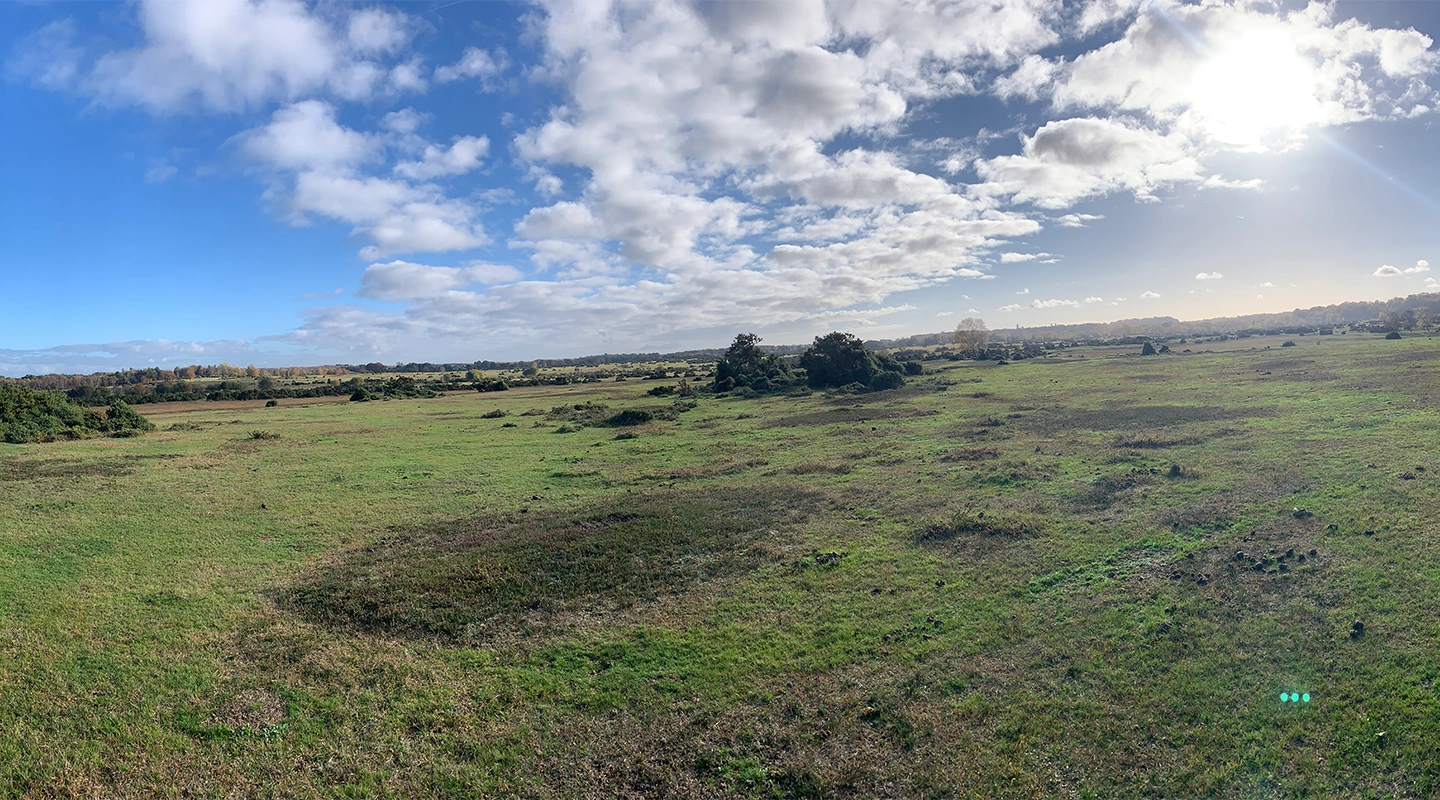
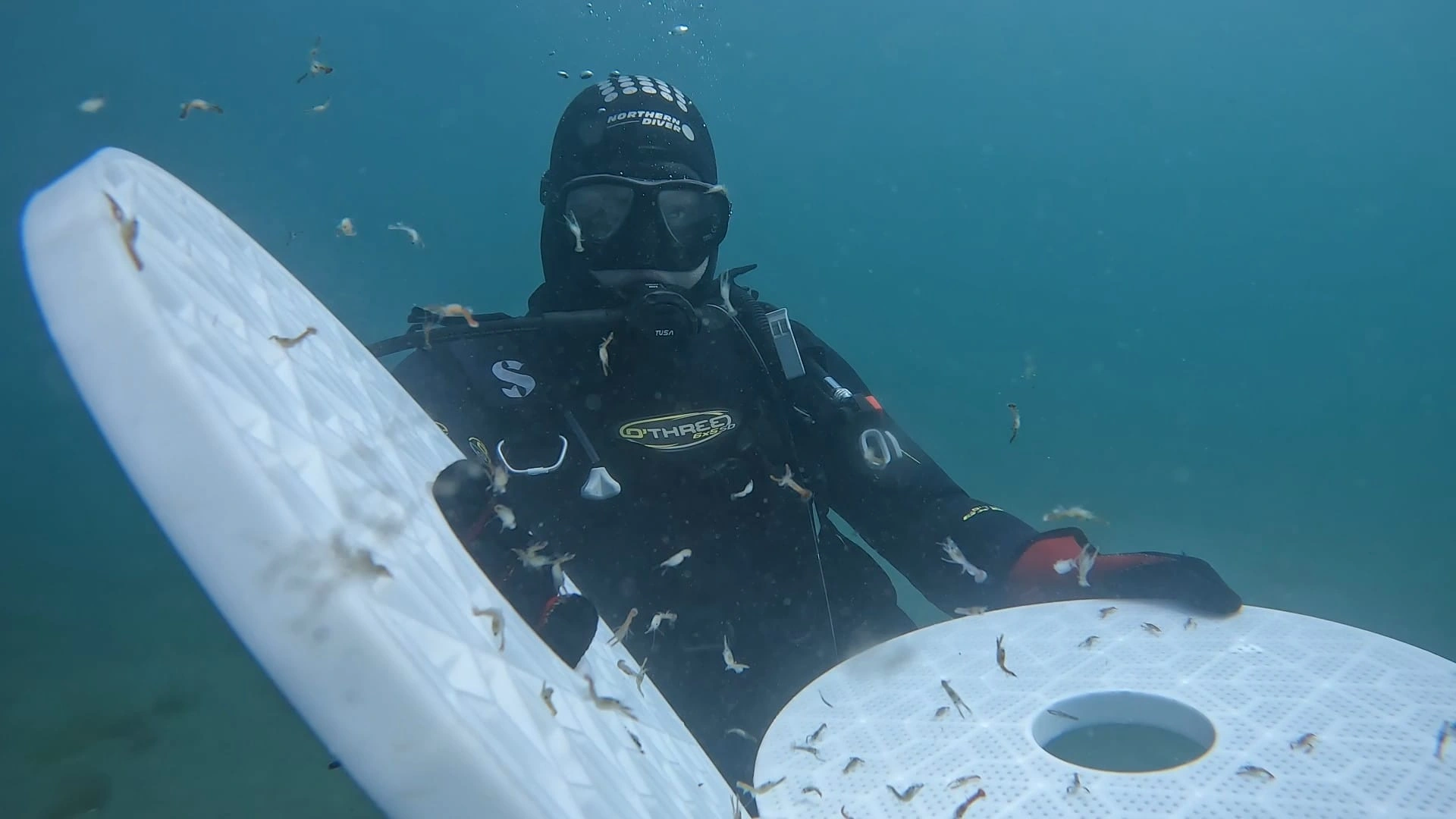
Main image: Crowded beaches and fragile underwater habitats collide in Mallorca, where booming tourism is increasing pressure on the island’s coastline while divers, marine reserves and conservation projects work to protect Posidonia seagrass and the wider marine environment. Credit: Composite graphic by Belters News