
Education in crisis: the new architecture of learning

Evgenia Lazareva & Valeriya Epifanova
- Published
- Executive Education
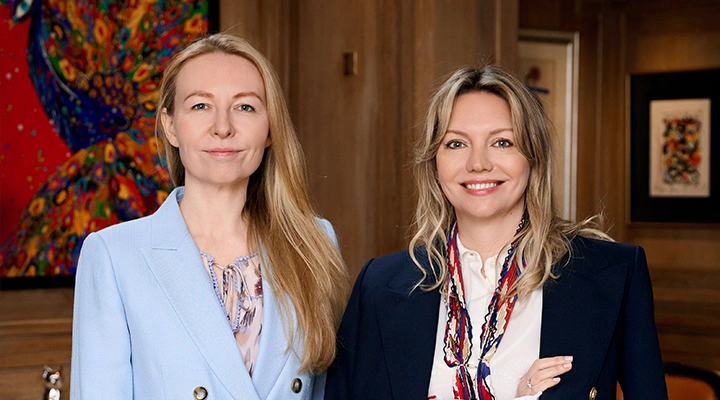
In a world reshaped by technology, geopolitical instability and rapid cultural change, traditional assumptions about how children should be educated are under growing strain. Here, Evgenia Lazareva and Valeriya Epifanova of Collab Education argue that the families best equipped for this moment will approach education as a lifelong strategy, shaped with intention from the start
Ask most parents what they want for their children and the answer comes quickly: happiness, security, success. Ask them what their educational strategy is, and the room goes quiet. Yet in today’s world, leaving a child’s education to chance – or even to the best school money can buy – is no longer sufficient. Education has become one of the most consequential strategic investments a family will make, and like any serious investment, it demands research, planning and knowledgeable guidance.
Education begins long before the school bell rings and continues long after graduation day. It is shaped at dinner table conversations, in the books left conspicuously on a shelf, in the way parents respond to failure, and in the questions asked during time together. Institutions may set a curriculum, but families give education its deeper purpose.
Even among those with the freedom to choose between continents, boarding schools and bilingual curricula, the central question remains unchanged: who do we want our children to become, and what does our family truly stand for? Once that is clear, every decision that follows – which school, which summer program, which tutor, which experience – becomes far more intentional.
Family is the foundation of everything. Parents are, whether they embrace it or not, their child’s first and most enduring educators. The values taught at home, the curiosity encouraged during free time, the resilience demonstrated under pressure. They are its architecture.
A system under serious pressure
The formal education system is visibly struggling to keep pace – and the evidence is mounting. In the UK, only around half of the secondary teacher trainees required for 2024-25 were successfully recruited, a shortfall the Department for Education has itself acknowledged as a serious structural problem. In specialist subjects such as sciences, languages and computing, the gap is even more acute.
The independent sector tells a sharper story still. Since the introduction of VAT on private school fees in January 2025, more than 100 independent schools in England and Wales have closed, with thousands of families left to navigate abrupt and disruptive changes.
The pressure has spread well beyond individual schools. Cognita, one of the UK’s largest private school groups, reported a £130 million loss last year – including a writedown of more than £90 million on the value of its UK schools directly caused by the VAT changes, according to The Sunday Times. The group closed four schools in quick succession and sold more than a third of its UK portfolio. When groups of this scale are absorbing losses of this magnitude, it signals something far more systemic than a run of bad luck.
Higher education tells a parallel story. Four-in-10 graduates are out of full-time employment two years after leaving university, according to data published in 2025, and the pressure is being felt even at the top. In August, The Times profiled Oxbridge graduates with double firsts who were unable to find graduate-level work. It captured something many employers already know: a prestigious degree, on its own, is no longer a reliable ticket to a matching career. PwC responded to the same pressures by announcing 200 fewer graduate hires than usual. The mismatch between what higher education produces and what the world of work actually needs has never been more visible.
And yet, within this turbulence, some institutions are forging a different way. International School of Geneva, the birthplace of the globally recognised IB diploma, developed the Universal Learning Programme in partnership with UNESCO’s International Bureau of Education. The programme offers one of the most compelling models of education genuinely reimagined for the 21st-Century.
Rather than organising learning by subject alone, the ULP builds seven research-based competences in students: lifelong learning, self-agency, collaboration, transdisciplinarity and more. Students work on real-world projects and undertake meaningful community engagement. They graduate with a Learner Passport that captures who they are as thinkers and people. It is a model that takes the whole child seriously, beyond just the grades.
Higher education also follows suit, such as the London Interdisciplinary School. It teaches solutions to the world’s most complex problems by bringing experts across the arts, sciences and humanities in a new fashion.
Building a smarter educational strategy
The families who will give their children a genuine advantage are those who approach education as an active, evolving strategy rather than a passive series of institutional choices. This means several things in practice.
- It starts with being genuinely present and observant. Success looks different for every child – and it changes over time. A parent’s ability to notice what truly engages their child, what lights them up and what they return to unprompted, is irreplaceable intelligence that no school report can provide.
- Thinking in scenarios, not just straight lines. It means planning with both near-term and longer-term horizons in mind, while remaining flexible enough to adapt as the child grows and the world shifts. The most effective educational frameworks hold a clear vision of outcomes while leaving the path open to revision.
- It means assembling the right tools: schools, tutors, camps, travel, online programmes, mentors – not at random, but as deliberate components of a broader vision. A summer immersion in a second language, a debating programme, an entrepreneurship experience: each can serve a specific developmental purpose when chosen with intention rather than convenience.
And urgently, this toolkit must include AI literacy. Employers are already reporting acute difficulties finding people with the digital and analytical skills they need – and schools are not building these capabilities fast enough. Children who understand how to work with, question and critically evaluate AI tools will hold a meaningful advantage over those who do not.
The skills that actually matter
The skills most valued by employers – and most needed for a fulfilling life – are no longer only those measured by traditional academic assessment. Critical thinking, financial literacy, emotional intelligence, global awareness, adaptability and others emerge from a rich, intentional education that draws on many sources over time.
The Oxbridge graduate with a double-first who cannot hold a room, navigate ambiguity or collaborate under pressure is a cautionary tale that is no longer unusual.
Remaining human must be actively cultivated, not assumed. Learning by doing matters. So does the connection between mind, body and spirit – something easily crowded out by academic pressure, but essential to producing genuinely capable, resilient adults. In a world increasingly shaped by algorithms, children who can still wonder, create, empathise and connect will not merely survive the future but shape it.
Education as a lifelong commitment
One further shift is worth naming. Education can no longer be treated as a phase of life. It starts with high quality Early Years – The Princess of Wales and Roger Federer are huge advocates – but it no longer ends with a qualification.
The adults who thrive in the decades ahead will be those who never stopped learning, who maintained the curiosity and adaptability they were fortunate enough to develop young. The sooner a child is given genuine agency over their own education, the more naturally lifelong learning becomes part of who they are.
A moment of opportunity
None of this is entirely new. Thoughtful parents have always understood that education is more than school. What has changed is the stakes, the pace and the complexity of the decisions involved. Academic grades alone are no longer enough.
A child’s individuality and character remain at the centre of it all, but building that character thoughtfully, in a world moving this fast, requires more than good intentions.
It requires a plan.
Further information
Produced with support from Collab Education. To find out more about its educational consultancy services and tailored learning support, visit www.collab.education
READ MORE: ‘More than half of employers say they cannot find graduates with the right AI skills, study finds‘. A six-country study by Pearson and Amazon Web Services found a widening gap between what universities think they are delivering and what employers say they need, with only 14 per cent of current graduates reporting high proficiency in applying AI tools to professional work.
Do you have news to share or expertise to contribute? The European welcomes insights from business leaders and sector specialists. Get in touch with our editorial team to find out more.
TOP STORIES
-
 The Costa Rican university teaching entrepreneurship as a survival skill
 -
New AI master’s aims to turn non-tech graduates into business leaders
-
Chinese education group to buy Dublin Business School for US$127.5m
-
UK universities take top four places in European global rankings
-
Education in crisis: the new architecture of learning
-
Europe’s biggest policy fights need more than politicians
-
More than half of employers say they cannot find graduates with the right AI skills, study finds
-
Beyond the MBA: why senior professionals are choosing the DBA
-
NEOMA signs McGill exchange deal as it deepens push into Canada
-
University of New Haven receives approval for first US branch campus in Saudi Arabia
-
Executive education market forecast to nearly triple to $31.5bn by 2036
-
London Business School and Emeritus launch Chief Investment Officer Programme
-
Hannu Tihinen on strategy, leadership, and the value of an EMBA
-
European MBAs adapt to AI as Aalto overhauls executive education
-
From dialogue to action: how emba X prepares leaders for a new era of responsible innovation
-
How Europe can learn faster: turning AI into safer, smarter adult training
-
Aalto EE launches Aalto Tech EMBA to equip executives for digital transformation
-
Supply chains are being remade. Leadership must be too
-
Why the real barrier to AI success sits in the boardroom
-
ETH Zurich and the University of St.Gallen redefine executive education with emba X, a new model of responsible leadership
-
Why leadership is the strongest defence in South Africa’s schools
-
Porto Business School launches executive programme on AI strategy
-
POLIMI Graduate School of Management strengthens global reputation in MBA and master’s rankings
-
Trinity Business School strengthens standing in global MBA rankings
-
Meet the class of 2025… and their children. Why mid-life university learning is on the rise




Education in crisis: the new architecture of learning
Evgenia Lazareva & Valeriya Epifanova
- Published
- Executive Education
TOP STORIES
-
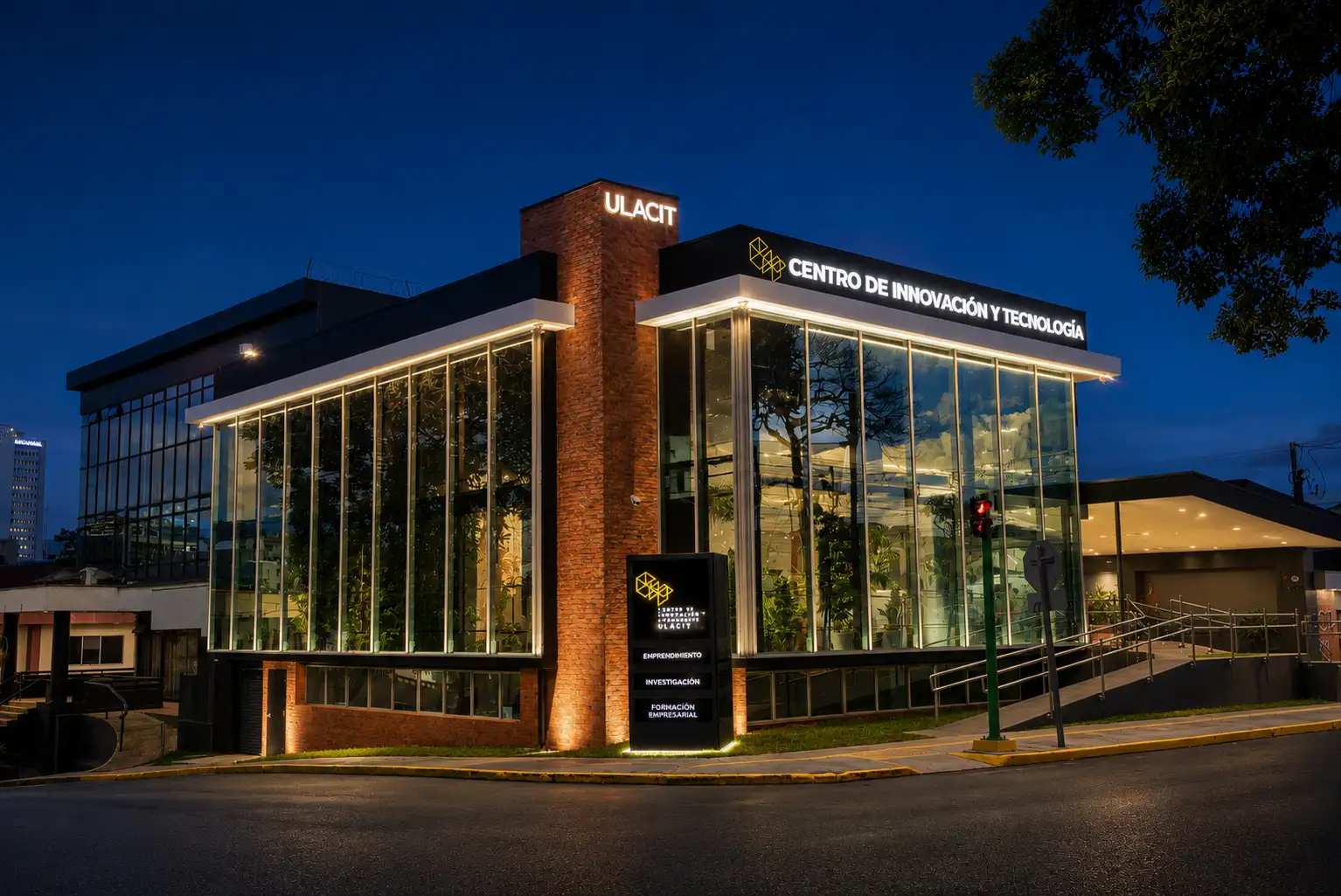
The Costa Rican university teaching entrepreneurship as a survival skill
-
New AI master’s aims to turn non-tech graduates into business leaders
-
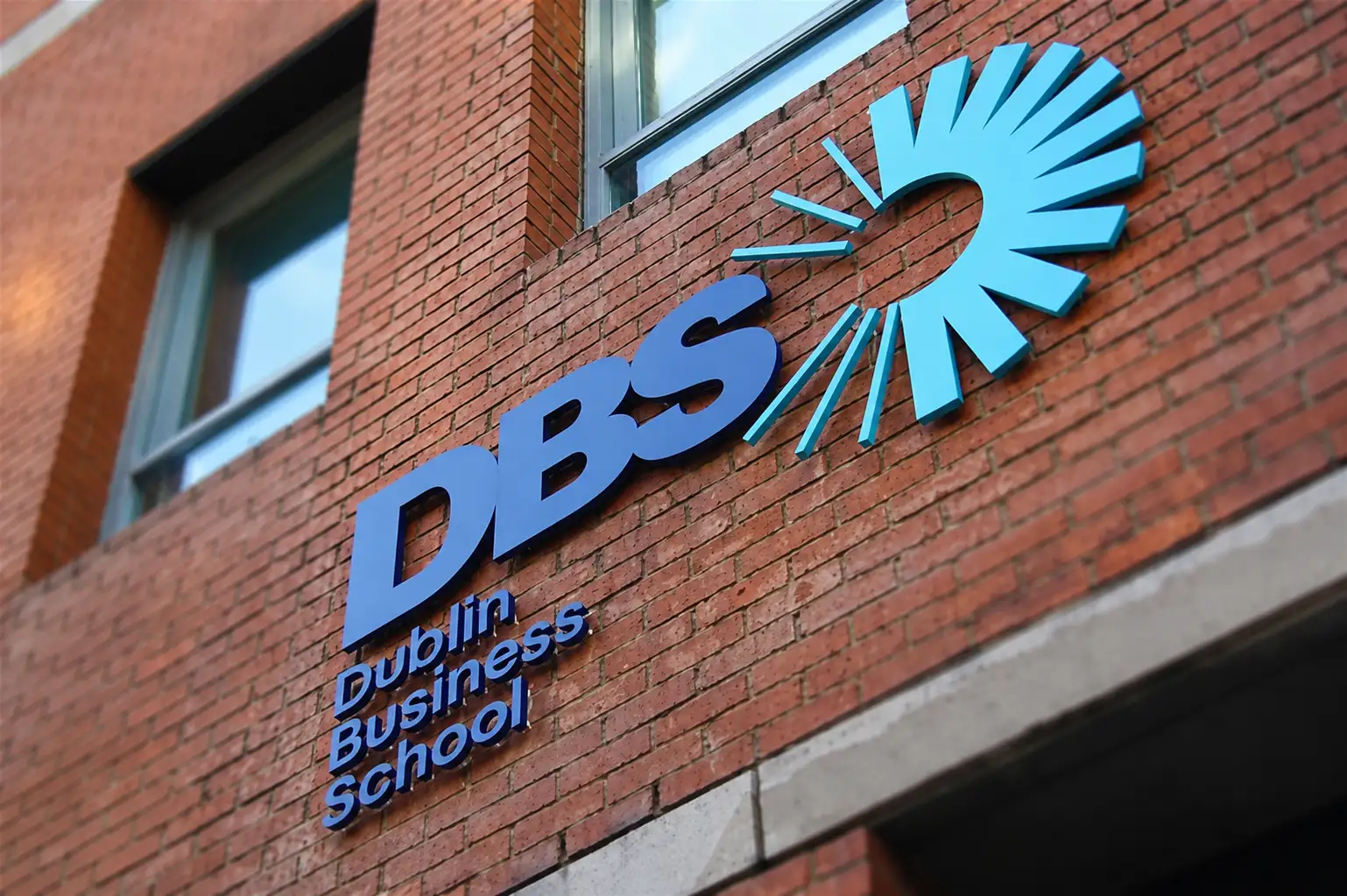
Chinese education group to buy Dublin Business School for US$127.5m
-
UK universities take top four places in European global rankings
-
Education in crisis: the new architecture of learning
-
Europe’s biggest policy fights need more than politicians
-
More than half of employers say they cannot find graduates with the right AI skills, study finds
-
Beyond the MBA: why senior professionals are choosing the DBA
-
NEOMA signs McGill exchange deal as it deepens push into Canada
-
University of New Haven receives approval for first US branch campus in Saudi Arabia
-
Executive education market forecast to nearly triple to $31.5bn by 2036
-
London Business School and Emeritus launch Chief Investment Officer Programme
-
Hannu Tihinen on strategy, leadership, and the value of an EMBA
-
European MBAs adapt to AI as Aalto overhauls executive education
-
From dialogue to action: how emba X prepares leaders for a new era of responsible innovation
-
How Europe can learn faster: turning AI into safer, smarter adult training
-
Aalto EE launches Aalto Tech EMBA to equip executives for digital transformation
-
Supply chains are being remade. Leadership must be too
-
Why the real barrier to AI success sits in the boardroom
-
ETH Zurich and the University of St.Gallen redefine executive education with emba X, a new model of responsible leadership
-
Why leadership is the strongest defence in South Africa’s schools
-
Porto Business School launches executive programme on AI strategy
-
POLIMI Graduate School of Management strengthens global reputation in MBA and master’s rankings
-
Trinity Business School strengthens standing in global MBA rankings
-
Meet the class of 2025… and their children. Why mid-life university learning is on the rise



