A six-country study by Pearson and Amazon Web Services found a widening gap between what universities think they are delivering and what employers say they need, with only 14 per cent of current graduates reporting high proficiency in applying AI tools to professional work
More than half of employers say their biggest problem is finding graduates with the right artificial intelligence skills, according to new research pointing to a growing disconnect between higher education and the workplace.
A report by Pearson and Amazon Web Services found that 53 per cent of employers identified finding AI-ready graduates as their main challenge, while 78 per cent of higher education leaders said they believed they were meeting employer expectations.
The study also found that only 14 per cent of current graduates said they had reached a high level of proficiency in applying AI tools to a professional workflow.
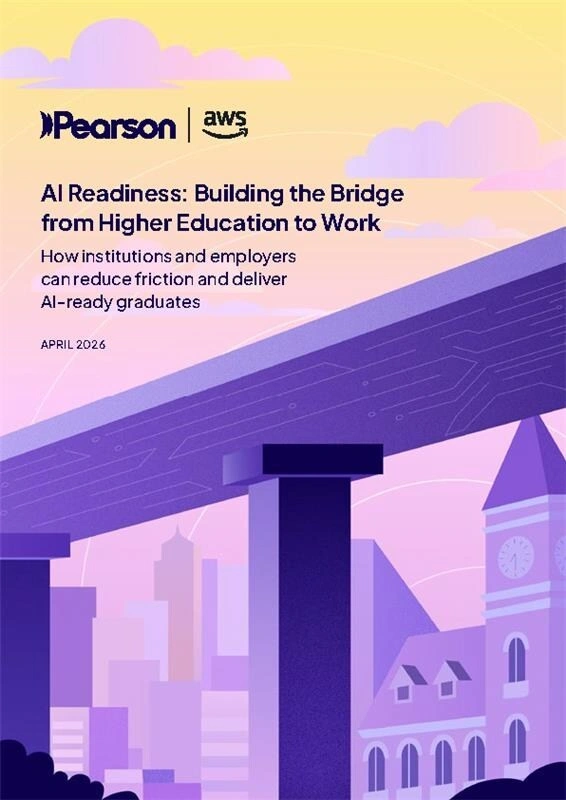
The findings are based on more than 2,700 survey responses from learners, higher education leaders and employers across the UK, US, Brazil, Saudi Arabia, Vietnam and Malaysia, supplemented by interviews with university leaders.
The report, called ‘AI Readiness: Building the Bridge from Higher Education to Work’, argues that the problem stems from a failure to turn access and engagement into practical workplace capability as AI reshapes entry-level jobs and shortens the shelf life of skills.
To explain the gap, the report sets out what it calls an AI Readiness Friction Framework, identifying six barriers slowing progress from education into employment.
These are pace friction, where workplace change moves faster than curriculum design; connection friction, caused by weak feedback between universities and employers; capability friction, linked to uneven staff confidence in AI; governance friction, where a lack of clear rules encourages risky unofficial use; experience friction, where students have access to tools but too few chances to apply them; and skills friction, where graduate abilities do not match the judgment, adaptability and collaboration employers want.
Kim Majerus, vice president of global education and U.S state and local government at AWS, said: “This AI readiness research with Pearson reveals that our primary opportunity is to help translate AI tool engagement into real workplace capability.
“AWS is committed to working alongside our education partners to ensure every learner develops AI literacy, in addition to the judgment, adaptability, and hands-on experience employers need.”
Tom ap Simon, president of higher education and virtual learning at Pearson, said: “It is clear that basic AI literacy is no longer enough. Schools that lead in AI readiness today will shape the future of workforce readiness tomorrow.
“Building an AI-ready workforce depends on structured, shared systems that amplify human skills and connect curriculum to real work. Pearson and AWS are working together to bridge the gap between higher education and employers and help prepare the workforce of tomorrow.”
READ MORE: Unclear AI rules risk driving talent away from UK employers, survey suggests. More than half of desk-based workers say they do not have clear, enabling guidance on how to use AI at work, with many saying an employer’s approach to the technology would influence whether they take a job.
Do you have news to share or expertise to contribute? The European welcomes insights from business leaders and sector specialists. Get in touch with our editorial team to find out more.
Main image: George Pak via Pexels