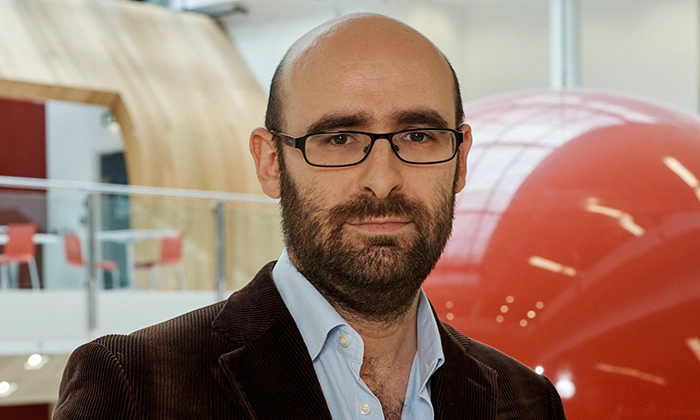
Behind every supply chain lies a network of human ties that determine how firms create value and withstand disruption. Drawing on new research at the London School of Economics, Professor Rocco Macchiavello sets out why leadership grounded in trust, foresight and long-term partnership increasingly shapes which organisations thrive
Supply chains are not just shifting. They are being reinvented. Climate shocks, geopolitical tensions and rapid technological change are rewriting the rules of global trade. In times like these, resilience is not optional. It is survival. Yet resilience today looks very different from the efficiency-driven models of the past. It requires leaders to understand not only the flow of goods but also the economic and human relationships that keep global systems functioning.
In my work at the London School of Economics, I have spent years examining how supply chains actually function, and the evidence points to a simple truth: trade moves through relationships rather than anonymous markets. These are often deep, long-term partnerships between buyers and suppliers, and they shape both the creation of value and the ability of firms to endure disruption. My analysis of transaction data across industries shows the scale of these commitments. In many sectors, suppliers are willing to give up short-term gains worth a significant share of their annual profits to safeguard a partnership with a key buyer. This is a strategic calculation, and it shows that trust operates as an economic asset with real power.
The lesson for leaders is clear. Stop thinking of supply chains as mechanical systems. They are living networks and they need care. Companies that invested in supplier relationships before COVID-19 bounced back faster and stronger. They did not only secure continuity. They built trust that moved through entire ecosystems, improving conditions for workers and creating stability for upstream suppliers. These advantages build over time and help organisations respond to shocks with agility rather than panic.
Looking ahead, leadership means shifting focus from firefighting to foresight. That might involve planning for climate risks, rethinking sourcing geographies or deciding how digital technologies such as analytics and automation fit into the bigger picture. It also means asking harder questions. What happens if a key region becomes politically unstable? How might extreme weather affect production five years from now? Which partnerships will still matter a decade into the future? This approach requires leaders to balance efficiency with adaptability and to make decisions that last beyond the next quarter. It demands judgment, collaboration and a willingness to invest in resilience even when short-term pressures point in the opposite direction.
The implications reach far beyond operational efficiency. Strong supply chain leadership can influence sustainability targets, ethical sourcing practices and the management of geopolitical risk. It can determine whether an organisation responds to disruption with confidence or loses ground as industries evolve. In many cases, leadership within supply chains also shapes social outcomes, including job quality in supplier factories and environmental practices across production networks.
I bring the insights from more than a decade of research partnerships with multinational firms and public institutions into my new LSE Executive Education programme, Supply Chain Leadership. The five-day course gives senior executives practical tools to turn complexity into advantage through case studies, collaborative debate and frameworks grounded in real-world data. Participants leave with strategies they can apply immediately.
Supply chains will keep evolving. The question is whether leadership evolves with them.
Further information
Produced with support from LSE Executive Education. To learn more about the Supply Chain Leadership programme and other executive courses, visit lse.ac.uk/exec.
READ MORE: ‘ETH Zurich and the University of St.Gallen redefine executive education with emba X, a new model of responsible leadership.‘ A joint initiative between ETH Zurich and the University of St.Gallen aims to redefine executive education through a new 18-month programme centred on technology, leadership and social impact.
Do you have news to share or expertise to contribute? The European welcomes insights from business leaders and sector specialists. Get in touch with our editorial team to find out more.
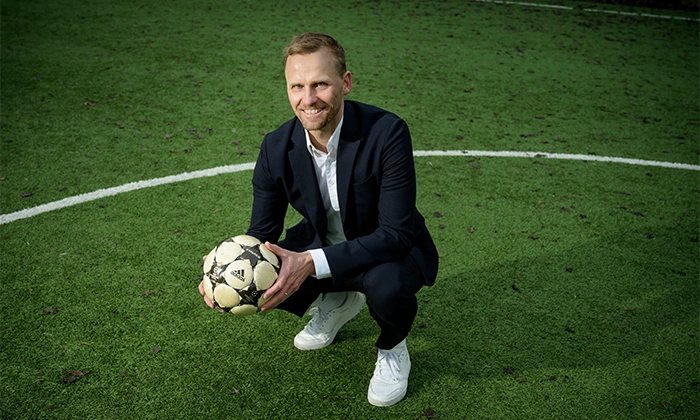
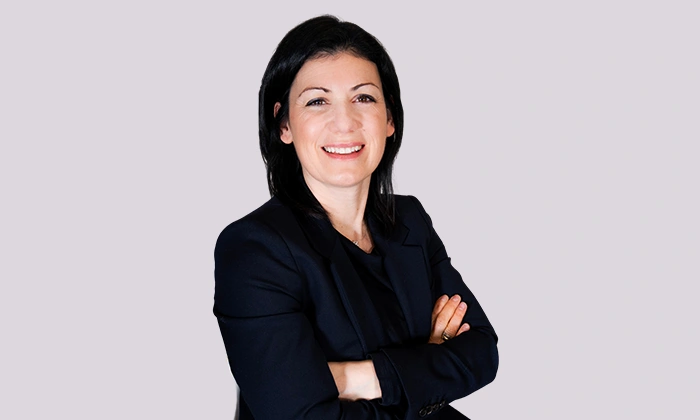
Main image: Professor Rocco Macchiavello