Where culture, wellness, and elegance meet in a city shaped by heritage and contemporary vision
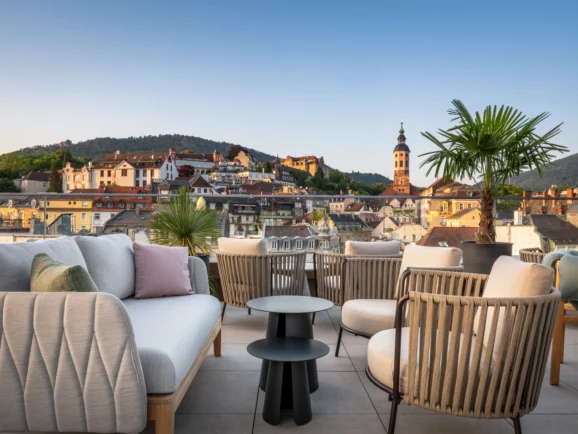
There are European cities that impress at first sight. And then there are cities that linger in memory long after you have left — places shaped by beauty, culture and a distinctive refined rhythm of life. Baden-Baden is one of them. Nestled at the edge of Germany’s beautiful Black Forest, this historic spa town has inspired royals, artists and travellers for centuries. Its healing thermal waters, grand architecture, peaceful parks and gardens, and cultural landmarks have long made it a sanctuary for those seeking serenity, rejuvenation and inspiration.
Today, Baden-Baden blends this heritage with a modern, relaxed spirit — and is entering one of the most transformative chapters in its recent history. Three of the city’s iconic grand hotels are returning after extensive renovations; cultural festivals are expanding their international appeal; and a contemporary, future-focused understanding of luxury is reshaping Baden-Baden’s global identity.
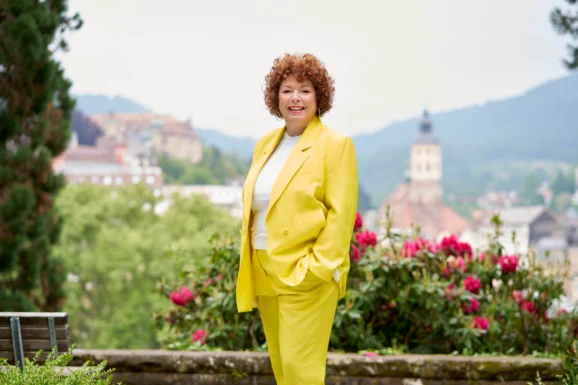
At the heart of this evolution stands Nora Waggershauser, CEO of the Baden-Baden Tourism Board, the Convention Centre Baden-Baden and Baden-Baden Events. Born in South-west Germany, she first arrived in the city in 2006 as a hotel director. In 2016, she returned to take on the leadership role that now allows her to shape the city’s tourism strategy, business travel and event production — a combination that gives the city its unique versatility.
Under her leadership, Baden-Baden has embraced a vision that is both ambitious and deeply rooted: to establish the city as Europe’s Capital of the Art of Living.
A new era of grand hotels
One of the most visible expressions of Baden-Baden’s renaissance is the revival of its legendary hospitality. Three iconic hotels — each with its own rich history — have undergone remarkable transformations.
The Steigenberger Icon Europäischer Hof, located just steps from the famous Casino and the sweeping Lichtentaler Allee, reopened after an extensive renovation. With 19th-century charm combined with five-star comfort, elegantly designed rooms and suites, a new spa and wellness area, and refined dining spaces, it stands once again as a jewel at the city’s heart.
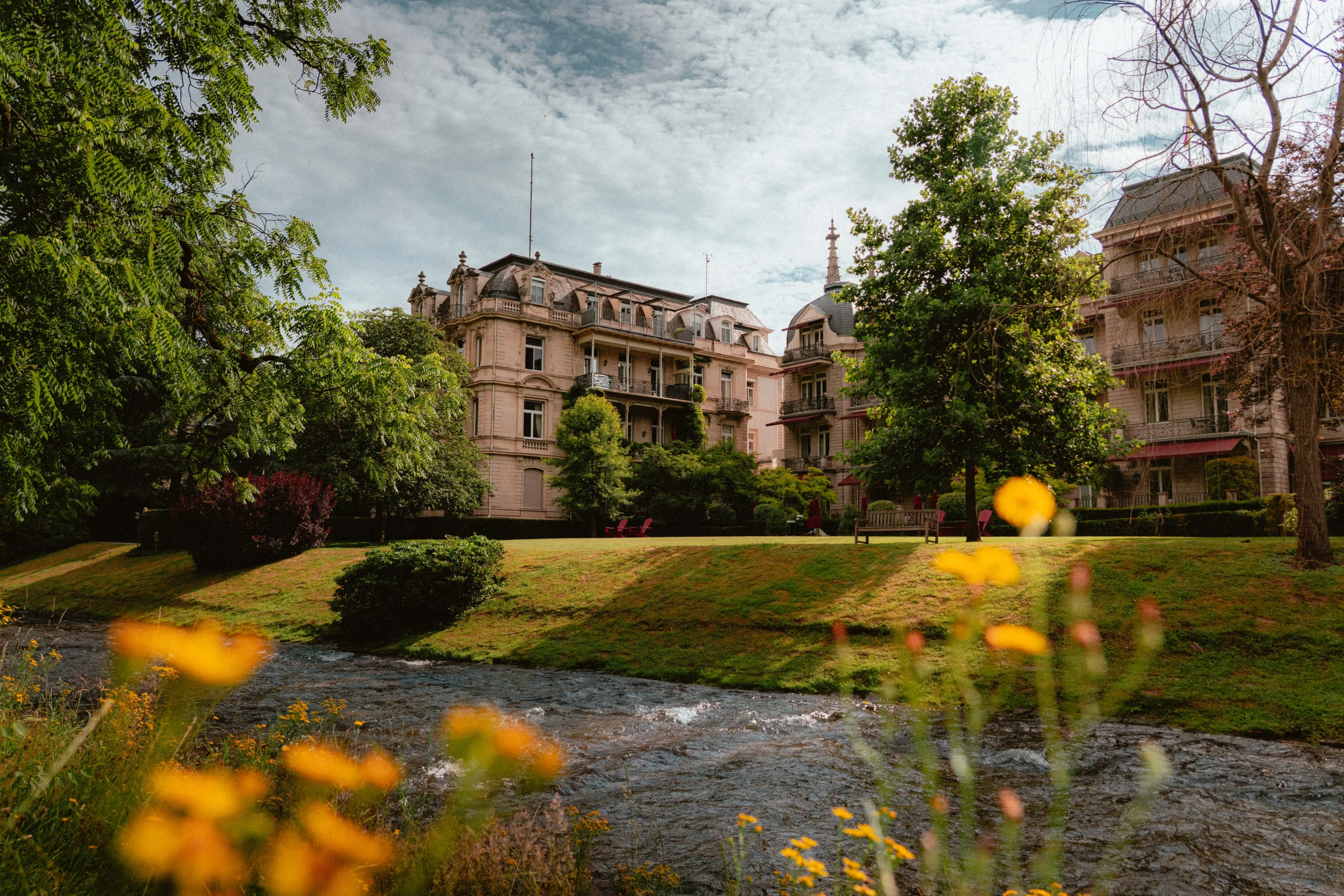
Further along the Oos River, the legendary Brenners Park-Hotel & Spa – an Oetker Hotel has also reopened. The hotel’s renewed interiors balance classical elegance with contemporary design, while its renowned spa and gardens create an atmosphere of timeless sophistication. The celebrated Fritz & Felix restaurant — known for its modern culinary identity — embodies Baden-Baden’s blend of heritage, creativity and understated luxury.
Soon to join them is the Badischer Hof – Leonardo Limited Edition, once Germany’s first palace hotel and originally a Capuchin monastery. Now in the final phase of its renovation, it combines historical architecture with contemporary comfort, including access to the city’s famous thermal waters.
Together, these hotels mark a new era for Baden-Baden — one where historical grandeur meets modern luxury, and where hospitality becomes a cornerstone of the city’s cultural and aesthetic identity.
A cultural landscape that defines a city
Beyond hospitality, Baden-Baden continues to strengthen its reputation as one of Europe’s most important cultural destinations. The Festspielhaus Baden-Baden, Europe’s second-largest opera house, draws world-class performers year-round — from opera premieres to classical concerts and dance productions.
The Museum Frieder Burda, designed by Richard Meier, and the historic State Art Gallery form a vibrant axis of contemporary and modern art. The Casino Baden-Baden, one of the oldest and most elegant casinos in Europe, adds a unique layer to the city’s cultural landscape, combining history, architecture, and entertainment.
One of the standout events in recent years has been the Wine & Gourmet Festival by Falstaff, which returned in 2025 with international acclaim. Michelin-star chefs, award-winning wineries and culinary innovators transformed the city into a temporary capital of gourmet excellence. But more importantly, the festival symbolized something deeper: a way of telling Baden-Baden’s story through taste, craft, and sensory experience. It highlighted the city’s short distances, its elegant venues, and its commitment to high-quality, high-touch moments. The festival will return every two years — a new tradition that further cements the city’s global culinary and cultural presence.
Wellbeing, nature and an evolving understanding of luxury
Baden-Baden has always been a luxury destination, historically defined by visible wealth, grand architecture, and prestige. But as Waggershauser explains in her interview, the essence of luxury is changing. Luxury today is no longer defined solely by material exclusivity; it is increasingly shaped by time, space, craftsmanship, authenticity, and emotional connection.
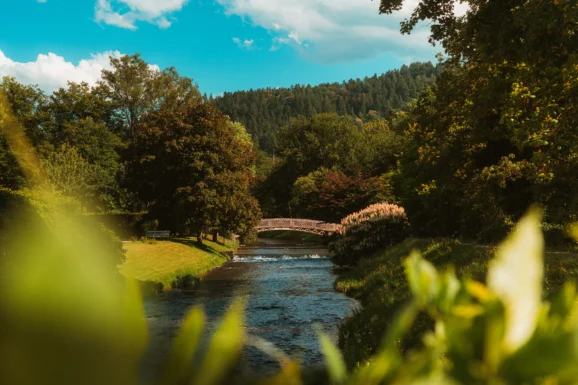
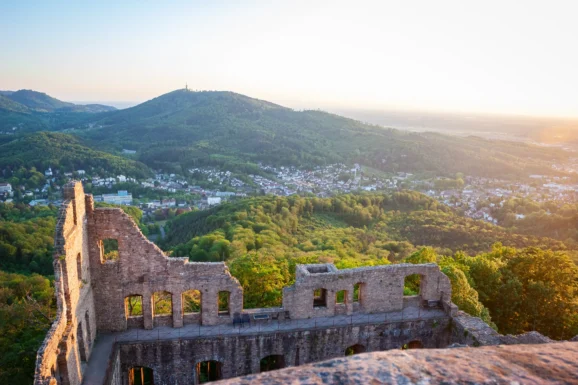
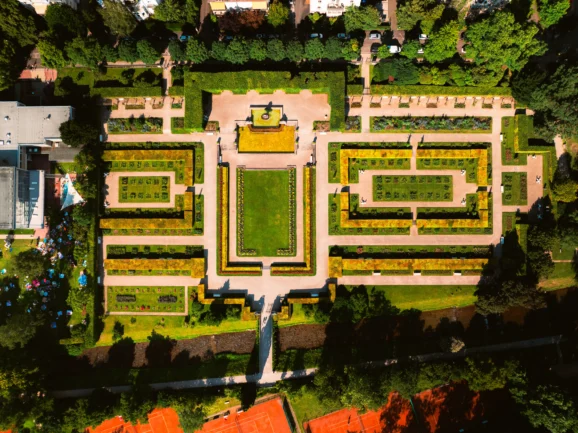
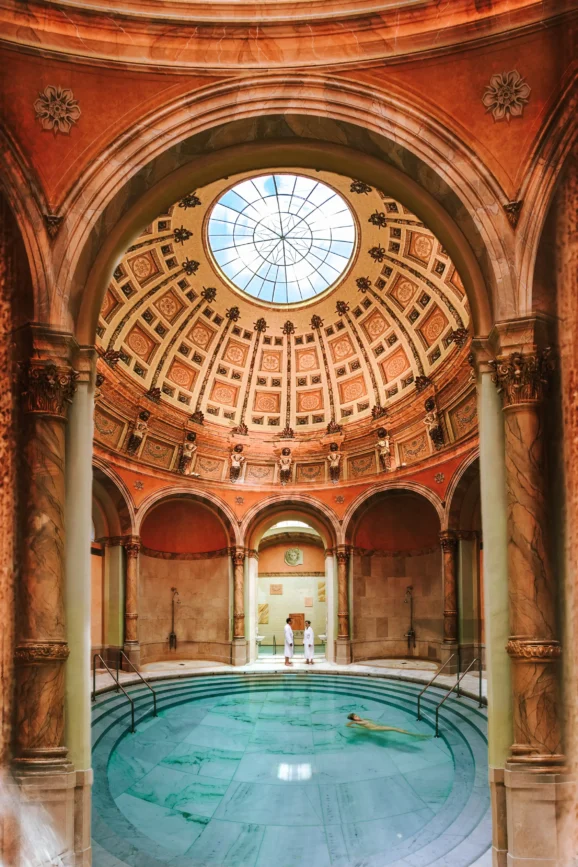
Baden-Baden offers all these qualities in abundance — not as a performance, but as a lived reality. The city’s thermal waters, historic baths, modern spa facilities, expansive parks and forest paths provide an environment designed for restoration. Visitors can move seamlessly between architecture and nature, from the lively Old Town to the quiet beauty of the Lichtentaler Allee or take the funicular up to Merkur Mountain for sweeping views of the Black Forest and Rhine Valley.
This is where the city’s new strategic positioning emerges: “Capital of European Art of Living.” It reflects a philosophy shaped by beauty, harmony, and mindful enjoyment — a mindset rather than a price tag.
A year-round destination
Baden-Baden is a place for every season. In summer, gardens bloom, open-air concerts animate the city, and hiking trails invite exploration. Autumn brings color and warmth; winter transforms the city into a festive wonderland, complete with its Christkindelsmarkt and the restorative comfort of warm thermal water. Spring awakens with exhibitions, opera premieres, and fresh culinary inspiration.
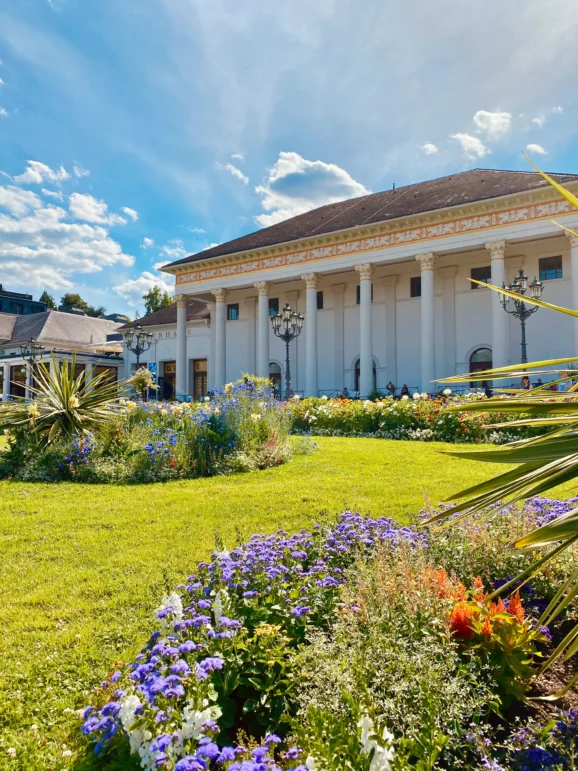
The city’s ability to offer culture, nature, gastronomy and wellness in such close proximity — all within walking distance — sets it apart globally.
A personal look forward
As Baden-Baden steps into this new era, the city’s evolution is shaped not only by its history, its architecture, or its natural beauty, but by a conscious, strategic vision — one that connects tradition and modernity, elegance and youthful curiosity, quietness and cosmopolitan spirit.
To explore this vision more deeply, The European spoke with Nora Waggershauser, whose leadership continues to define and inspire Baden-Baden’s path into the future.
The European: What makes Baden-Baden unique compared to other European destinations?
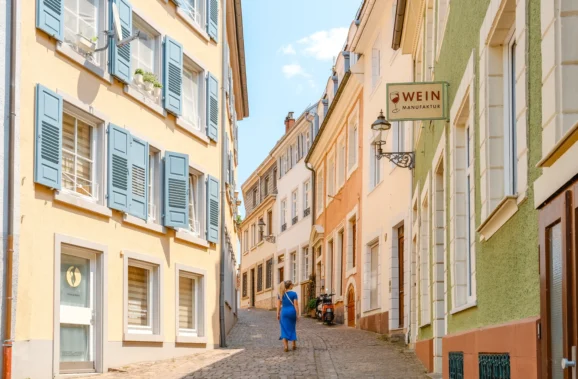
Nora Waggershauser: Its compactness and elegance. Culture, wellness, gastronomy, and nature all merge seamlessly here. You can walk from a world-class museum to a thermal bath to a Michelin-star restaurant within minutes. That intimacy creates a very distinct atmosphere — refined yet relaxed.
Your strategy speaks of “Belle Époque meets Instagram.” What does that mean?
It describes how we translate a 19th-century lifestyle into the 21st century. Baden-Baden has always stood for beauty, aesthetics, and sensual pleasure. But a city with strong traditions risks becoming a museum. Our evolution must be mindful — neither stagnant nor radically futuristic. Younger generations are rediscovering Baden-Baden because it offers authenticity, quality and individuality. That’s the spirit behind the phrase.
The city now positions itself as Europe’s “Capital of the Art of Living.” How do you define this?
The art of living is not about luxury goods or image. It is a mindset — conscious, pleasurable, restorative, harmonious. It respects body and mind. It values time, beauty and community. Baden-Baden offers the perfect stage for this mindset to flourish.
How do events like the Wine & Gourmet Festival by Falstaff fit into this strategy?
They are essential. They combine entertainment, international attention and brand building. Visitors don’t just enjoy culinary excellence — they encounter the city itself. The short distances, beautiful venues, and sensory richness embody what Baden-Baden stands for.
What draws you personally to gastronomy and wine culture?
I am fascinated by people who travel for pleasure. They take their time, appreciate presentation, and care about quality. That audience fits Baden-Baden perfectly — we offer slow, sensory enjoyment, not fast consumption.
Art and architecture are also very prominent here. How do they shape the visitor experience?
Baden-Baden itself is a living museum. Architecture, public spaces, and contemporary art interact with everyday life. From historic thermal baths to modern museums, every encounter tells a story. Guests experience beauty, creativity, and inspiration at every turn — it is part of the city’s DNA and part of the art of living we celebrate.
Luxury today is more than consumption. What role does it play in Baden-Baden?
There is material luxury — craftsmanship, quality, authenticity — and immaterial luxury: time, rest, space to think. Baden-Baden is, in a way, one large “slow world.” A place designed for deceleration and self-awareness. That resonates with people who live and work under constant pressure.
What draws younger guests to Baden-Baden today?
There is a renewed longing for elegance, for tradition, for meaningful experiences. Many younger guests dress up for the Casino or enjoy fine dining. They want authenticity, not excess. Baden-Baden offers exactly that.
What do you love most about your work?
Its variety. We manage congresses, tourism, and events, all of which are different but interconnected. One day I work with business travellers, the next with festival organizers or cultural institutions. It’s challenging but incredibly fulfilling.
What is your vision for Baden-Baden over the next five years?
To strengthen its role as an international, year-round premium destination. A place where wellness and culture thrive, tradition and modernity coexist, and guests from around the world feel inspired, welcome, and deeply connected to the European art of living.
How does sustainability fit into Baden-Baden’s future vision?
Sustainability is integral. From energy-efficient renovations in our grand hotels to supporting local producers and seasonal gastronomy, every decision balances luxury and responsibility. Visitors can indulge in elegance and wellbeing, knowing that the city respects the environment and its community.
Further information
Produced with support from Baden-Baden Tourism Board. For details about Baden-Baden’s cultural calendar, wellness experiences and visitor information, visit www.baden-baden.com
READ MORE: ‘Salzburg in 2026: celebrating 270 years of Mozart’s genius‘. This year, Salzburg welcomes music lovers and cultural travellers to a truly extraordinary celebration: the 270th anniversary of Wolfgang Amadeus Mozart’s birth. The city, steeped in baroque splendour and set against the dramatic backdrop of the Fortress Hohensalzburg, invites visitors to experience the life, music, and enduring legacy of its most famous son in an immersive, vibrant way.
Do you have news to share or expertise to contribute? The European welcomes insights from business leaders and sector specialists. Get in touch with our editorial team to find out more.