Forecasts show winter-wellness holidays in the Italian Alps rising from £1.1 billion to over £3.5 billion by 2033, fuelled by demand for holidays that mix big-mountain skiing with serious R&R. John E. Kaye travelled to South Tyrol’s Ahrntal, a valley now known as much for saunas and spa rituals as for its slopes, to see how the European Alpine season is changing
If you think a winter holiday is still about racing down the mountain and into the nearest bar, you’ve missed the biggest trend in Alpine travel in years. Winter-wellness trips to the Italian Alps, Dolomites, and other ski resorts are forecast to rise from about £1.1 billion in 2025 to more than £3.5 billion by 2033 as international travellers look for both thrill and chill on the slopes.
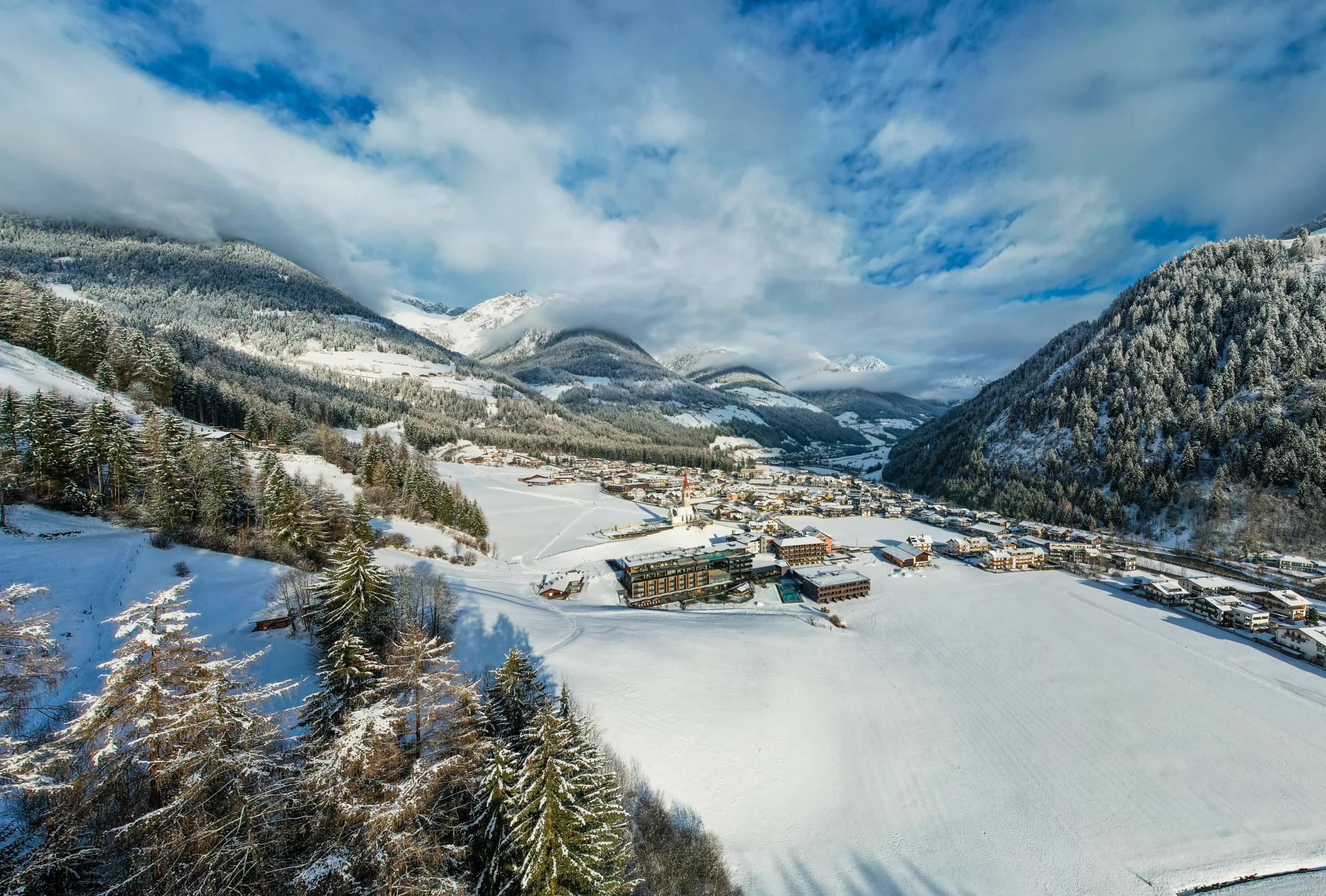
To see how winter wellness is reshaping the European season, I travelled to the Ahrntal in northern Italy’s South Tyrol, a region attracting more visitors than ever before for holidays built around R&R as much as skiing. About two hours from Bolzano and just beyond the main Dolomite resorts, the valley has developed a global reputation for pairing full ski days with luxury downtime. Many of its hotels now put thermal areas, saunas and spa treatments at the centre of the stay, with facilities that have grown significantly in recent years.
My plan was simple: ski in the mornings, then spend the rest of the day exploring the area and settling into the spa treatments and local sights on offer.
Wellness on the slopes: Ahrntal skiing
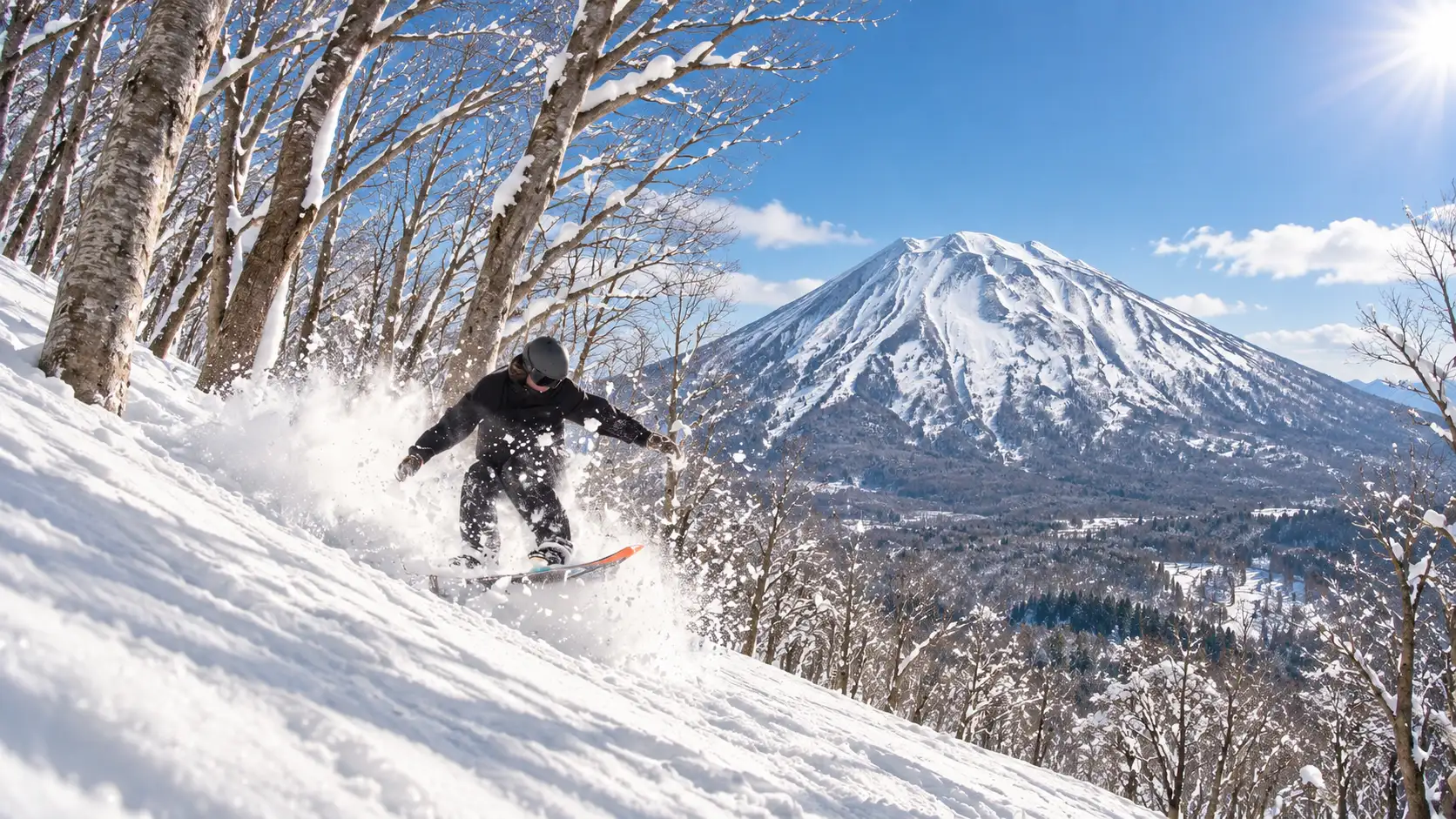
Skiing in this region centres on Skiworld Ahrntal, covering the Speikboden and Klausberg areas with around 86km of slopes and 21 lifts, ranging from roughly 950m to 2,510m. The terrain suits most levels with long steady runs for intermediates, steeper sections higher up for confident skiers, and quieter areas near the valley for beginners like me. The season usually runs from December to Easter, with snow cannons keeping the main pistes covered when natural snowfall is thin.
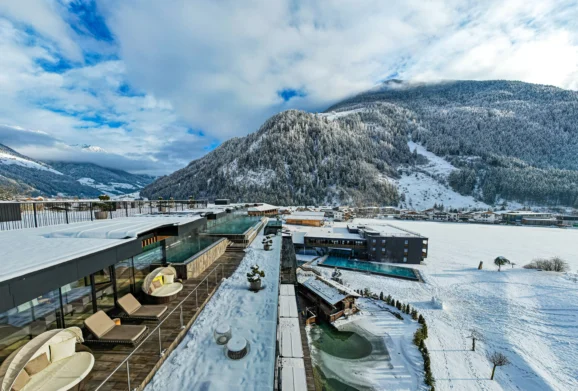
I based myself at the stunning Alpine Luxury Spa Resort Schwarzenstein, the largest spa hotel in the valley and one of the few with ski-in access. It sits directly on the downhill ski slope of the Speikboden area, and a return run from the mountain finishes at the hotel door, which makes the last run of the day easier than in many Dolomite-side resorts.
A hotel shuttle runs to the Speikboden valley station in the morning, and the free ski bus links both Speikboden and Klausberg every 15 minutes.
For mileage-hungry skiers, the Ahrntal also works as a base for the Sellaronda, the Dolomites’ classic full-day circuit, and for Kronplatz, South Tyrol’s largest ski mountain. Both are within easy reach and turn a local week into a wider Dolomite itinerary without changing hotels.
Ski touring is a major part of the valley too. Speikboden and the surrounding ridgelines offer routes from entry-level tours to high-alpine itineraries running well into spring, often until May. Local mountain guides handle instruction and route-finding for structured days out.
Wellness in the valley: region & activities
The Ahrntal is one of those valleys where you can easily fill a week without clipping into skis. Much of it comes from the variety of winter activities organised around Speikboden and Klausberg, which have built a programme that runs from early-morning viewpoints to night-time descents.
Snowshoeing is one of the simplest ways to explore the area. The valley has marked routes through forest and pasture, and the Schwarzenstein runs regular guided snowshoe hikes with an experienced mountain guide. Equipment is free to borrow, and the hotel also arranges night-time snowshoeing in Weißenbach, done with headlamps, which is one of the quieter, more atmospheric ways to see the valley.
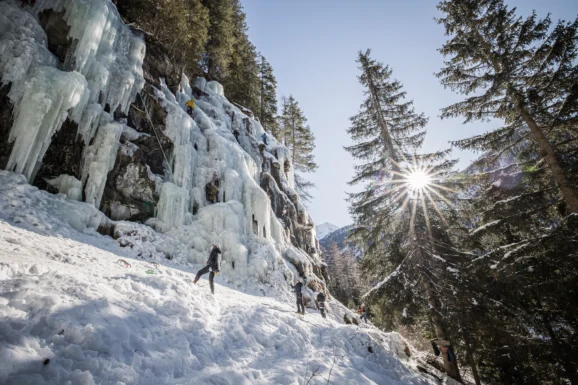
Winter walking is just as easy. A network of well-maintained trails links villages, farms and cafés, and many lead directly to the 30-plus mountain huts that stay open in winter. They serve the usual South Tyrolean mix of dumplings, Schlutzkrapfen, soups and Kaiserschmarrn, and most sit on walking or snowshoe routes rather than ski runs, making them straightforward lunch stops.
If you prefer cross-country skiing, the valley has three centres — Kasern, Weißenbach and Rein in Taufers — with skating and classic tracks of varying length. The HolidayPass, included in the hotel stay, covers public transport to each centre, and equipment can be rented either at the hotel or on site.
Tobogganing is a staple here, too. Several natural tracks run through the woods, but the standout is South Tyrol’s longest toboggan run, a 10km descent from Speikboden that finishes directly at the Schwarzenstein. Toboggans can be borrowed from the hotel at no charge, and the run is floodlit on selected evenings.
Speikboden also runs early-morning “Winter Sunrise” uplifts, where cablecars and the Sonnklar chairlift start before dawn to take visitors up to 2,400m for first light. From the top you can walk ten minutes to the Sonnklar Cross or stay by the panoramic tower as the sun comes up. Those who want a quick way down can pre-book a tandem paragliding flight back into the valley. The same early opening gives skiers first tracks on the freshly groomed “white carpet” before the rest of the lifts open at 8.30am.
Food features in the activities programme as well. The Ski & Cheese afternoon is one of the valley’s more inventive events: on Wednesdays from January to March, skiers follow a short hut-to-hut route while a cheese sommelier guides tastings of South Tyrolean soft, hard and blue cheeses, along with regional beers and wines. It runs from 2pm to 5pm, starting at the Speikboden mountain restaurant at 2,000m, and ends at the valley station. Numbers are capped and booking is required.
There are other organised “must-do” experiences across the winter. Visitors can book a PistenBully ride for a behind-the-scenes look at piste grooming, join a Mountain Breakfast at the Kristallalm, or try ski mountaineering at night. A gondola aperitif evening runs periodically through the season.
The cultural calendar is surprisingly active for a mountain valley. The annual Ice Games, held in January at Klausberg, turn the upper mountain into an outdoor sculpture park, where international teams carve three-metre snow blocks into large-scale installations overlooking the Zillertal Alps. A jury selects the winners, and the sculptures remain on show until they melt.
Klausberg also hosts the Mountain Open Air concerts. The next major date is scheduled for 14 March 2026, when German pop artist Max Giesinger will headline an open-air show at the Kristallalm. Tickets include ski passes or gondola access, and the valley treats it as one of the big social events of the winter.
Wellness on demand: hotel & treatments
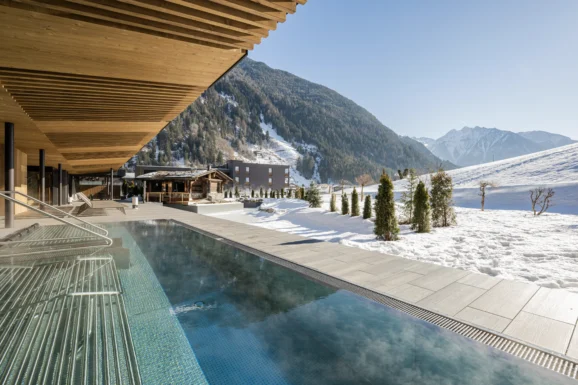
The Schwarzenstein is known as the region’s main wellness property for good reason. It boasts a 7,700 m² spa and wellness area, multiple indoor and outdoor pools, an adults-only Sky Spa, and a 23-metre rooftop infinity pool and one of the best spas in the world.
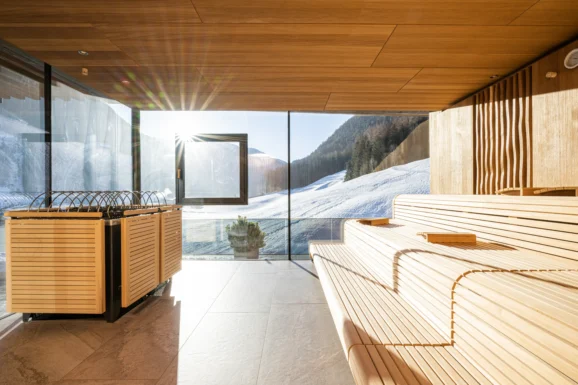
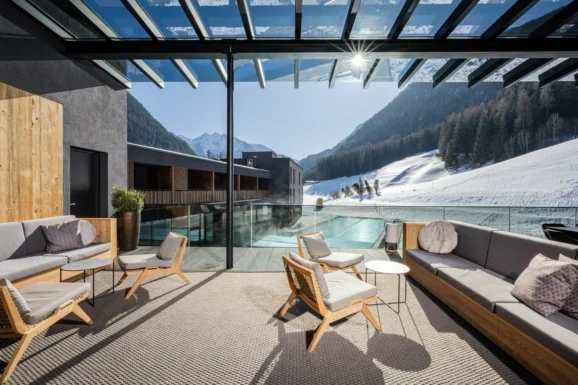
The spa is laid out in zones: hot areas with saunas and steam rooms, quiet relaxation spaces, pool decks and treatment rooms. The Sky Spa sits at the top of the building and keeps a strict adults-only policy, so you always know what sort of atmosphere you are walking into. Families are directed to their own side of the complex, with a 60-metre water slide and separate family pools. It means couples and solo guests can move around the spa in relative calm even when the hotel is full.
Days here are built around simple routines rather than complicated programmes. You swim slow laps in the panoramic pools or sit in one of the warm relaxation rooms, then move on to the sauna cycle. Staff run ritual sauna sessions with Alpine views, explaining how long to stay, when to cool down and when to rest. Regulars repeat the sequence several times a day. Some step briefly outside between sessions for cold air; others stay inside and keep it gentle. The point is that it feels easy to follow, even if you have never done anything like it before.
Treatments are based on alpine botanicals and regional ingredients. Oils and lotions are built around mountain herbs rather than heavy fragrances, and the menus are straightforward with massages, facials and body work aimed at winter recovery.
The food on offer is tied closely to the wellness side, too. Schwarzenstein runs a half all-inclusive concept with generous breakfasts, light midday options and evening gourmet dinners that make consistent use of South Tyrolean produce. Breakfast is big enough to cover a morning in the spa or on the mountain. Lunch is deliberately lighter for people moving between heat, water and rest. Dinner is the one fixed point in the day, with multi-course menus and buffets that sit comfortably between hotel-restaurant and local dining room.
Fact File: Ahrntal, South Tyrol
Where is it?
Northern Italy’s South Tyrol, close to the Austrian border. The Ahrntal sits just beyond the main Dolomite resorts, about two hours from Bolzano.
Nearest airports:
Bolzano (BZO): ~2 hours
Innsbruck (INN): ~2 hours 15 minutes
Verona (VRN): ~3 hours
Venice (VCE): ~3 hours 30 minutes
Airport transfers run by private shuttle or hire car; public transport connections via Bolzano and Brunico.
Ski areas:
Skiworld Ahrntal: Speikboden & Klausberg
Piste mileage: ~86km
Lifts: 21
Altitude: 950m–2,510m
Season: December–Easter
Ski-in: Possible to the Schwarzenstein from the Speikboden return run
Day trips: Sellaronda circuit; Kronplatz (South Tyrol’s largest ski mountain)
Non-ski activities:
Three cross-country centres: Kasern, Weißenbach, Rein in Taufers
Marked snowshoe and winter-walking routes (daytime and night-time options)
South Tyrol’s longest toboggan run: 10km from Speikboden to the Schwarzenstein
“Winter Sunrise” first-light cablecar + Sonnklar chairlift (2,400m)
Tandem paragliding descents
Weekly Ski & Cheese tasting route with a cheese sommelier
PistenBully rides, Mountain Breakfast at Kristallalm, night sledding, gondola aperitif evenings
Ice Games snow-sculpture competition (January, Klausberg)
Mountain Open Air concert (next major event: Max Giesinger, 14 March 2026)
Hotel featured – Alpine Luxury Spa Resort Schwarzenstein:
Wellness area: 7,700 m²
Pools: Multiple indoor/outdoor pools
Signature pool: 23m rooftop infinity pool
Spa zones: Adults-only Sky Spa; family areas with 60m water slide
Culinary concept: Half all-inclusive (breakfast, light lunch, gourmet dinner)
Equipment rental: Skis, snowboards, cross-country gear, snowshoes, toboggans
Extras: Guided snowshoe hikes; winter walking programme; access to HolidayPass public transport
Lift passes & local transport:
HolidayPass included with hotel stay: covers buses and regional public transport throughout the valley
Speikboden / Klausberg lift passes available by day or week; early-morning “Winter Sunrise” requires the standard ticket.
Best for:
Skiers who prefer quieter slopes
Travellers mixing skiing with structured spa routines
Families and mixed-ability groups
Couples wanting a wellness-led winter break
Further information
This trip was produced with support from the Alpine Luxury Spa Resort Schwarzenstein. To find out more about stays, treatments, winter packages and seasonal events, visit www.schwarzenstein.com/en
READ MORE: ‘Villa Nai 3.3: A Michelin-recognised haven on Dugi Otok‘. Carved from the stone of Dugi Otok itself, Villa Nai 3.3 combines visionary design, award-winning gastronomy, and a deep connection to nature. It is a sanctuary of sustainable luxury and Adriatic tranquillity.
Do you have news to share or expertise to contribute? The European welcomes insights from business leaders and sector specialists. Get in touch with our editorial team to find out more.