Often dubbed Britain’s Route 66, Scotland’s North Coast 500 has become one of the most photographed drives in the world — and one of the busiest. As the route grows ever more popular on social media, Highland photographer and author Steve Campbell says many visitors are missing what makes it special by rushing from stop to stop in search of familiar photo spots. Drawing on his new book about the route, Campbell — who has completed the full circuit nearly 20 times — explains why most travellers are getting the NC500 wrong, and how it looks when you take the time to know it properly
The North Coast 500 is one of the most photographed road trips in the world. It is also one of the most misunderstood.
For many first-time visitors, the NC500 has become something to ‘complete’ rather than experience, with hordes of people desperately chasing that next Instagram selfie at all costs, ticking off each location as they go. What was once a journey to savour, pause for and enjoy has become ‘tick-box tourism’, driven by guidebooks written after brief visits, glimpsed through a car windscreen, or compiled from online searches rather than real experience.
The result is that the route has been distilled into a familiar pattern of social media highlights and surface-level recommendations that are often a sanitised, shallow overview that prioritise tick-lists over depth. They feature the same overcrowded viewpoints, the same pull-ins, the same hurried itineraries designed to be consumed quickly rather than experienced deeply. My frustration with this is what ultimately led me to write my own guide to the NC500, The Ultimate North Coast 500 Adventure.
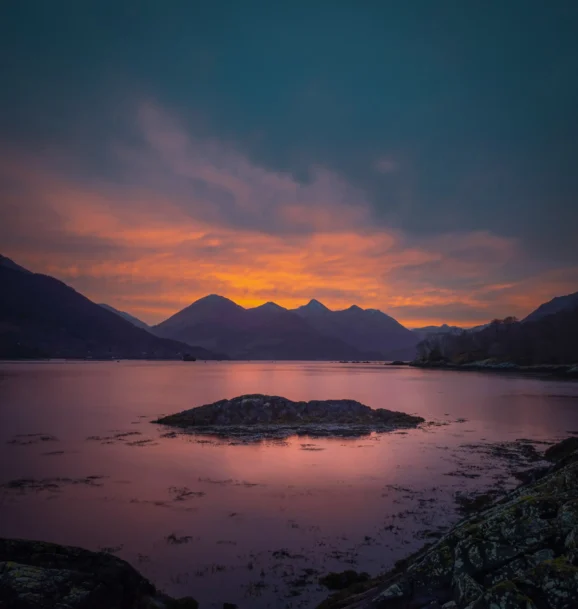
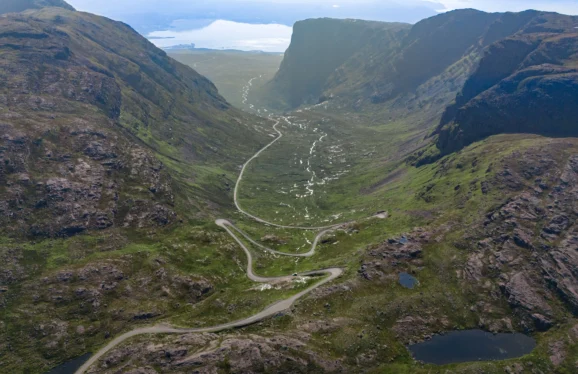
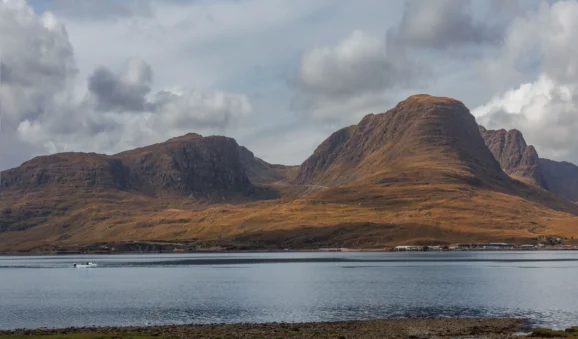
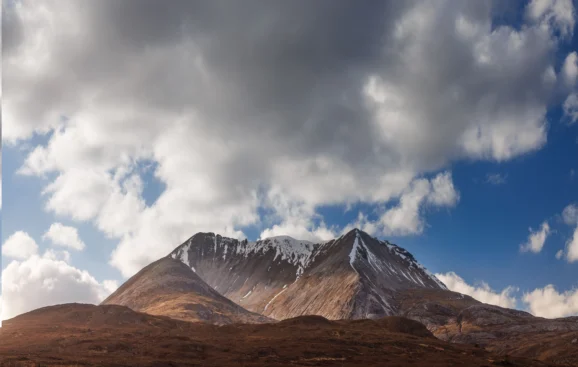
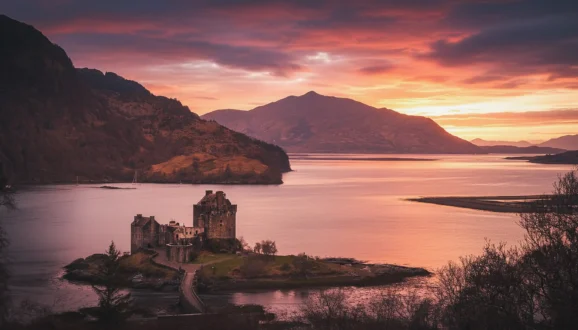
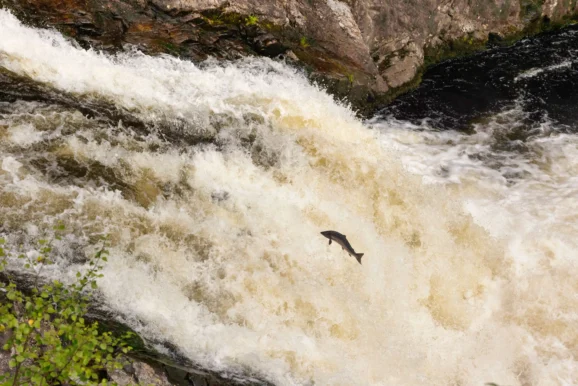
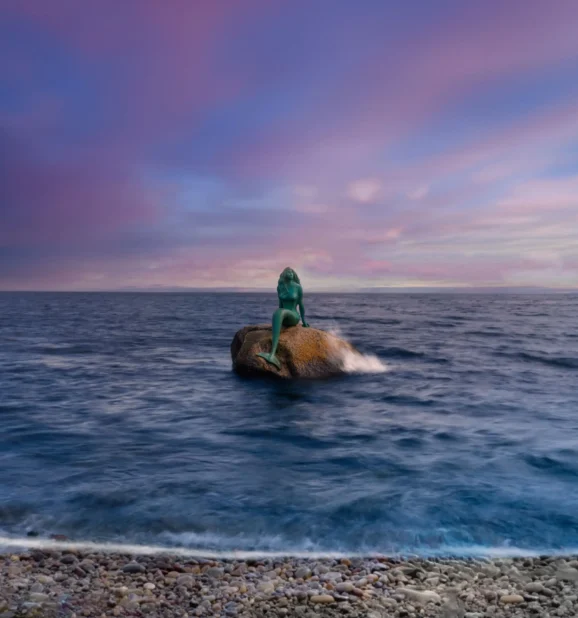
As a photographer based in the Scottish Highlands, the NC500 and its geography have been part of my working and personal life for years. Going into 2026 I have completed the route nearly twenty times in full, and countless sections more than that. I’ve driven it in all seasons, in perfect light and relentless rain, during quiet winter months and at the height of summer crowds. Somewhere along the way, that repetition turned into something closer to obsession. My own relationship with the route changed when I stopped treating it as a project and started treating it as a place. That shift away from spectacle and towards familiarity is the foundation of this guide.
The NC500 reveals itself slowly, through the feel of a single-track road at dawn. Through the way light behaves differently on the west coast compared to the east. Through the gradual shift from dramatic mountains to open farmland, where the landscape softens and the pace changes. Through the pace of life and the banter of locals when you linger in a Highland village.
These are details the typical tourist will miss.
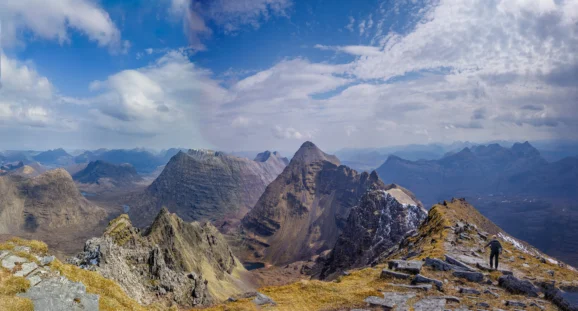
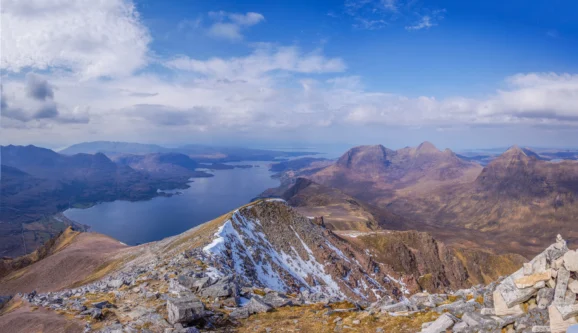
The NC500 is a series of distinct regions connected by a road. The west coast is defined by scale and rawness: towering mountains, fractured coastlines, and beaches that feel almost otherworldly in the right light. The north offers space and restraint – it’s a land of big skies, quiet headlands, and a sense of distance that naturally tries to slow you down. The east, often overlooked, provides contrast through gentler landscapes, historic towns, and a calmer rhythm that balances the drama elsewhere.
A meaningful guide to the NC500 needs to reflect this diversity. Rather than rigid itineraries, I wanted to offer context – why certain places matter, when they work best, and how to approach them with care. The recommendations throughout the guide are grounded in lived experience, not trends or must-sees.
Accommodation ranges from small, characterful hotels to simple campsites and caravan parks where location and atmosphere matter more than luxury. Food is treated the same way: destination restaurants sit alongside informal roadside cafés that become memorable precisely because of where and when you find them. Castles are explored not just as landmarks, but as part of the landscape’s story, some imposing, others quietly eroding back into the land. Beaches, wildlife, local events, and seasonal rhythms all play a role, reminding readers that this is not just a scenic route, but a living region.
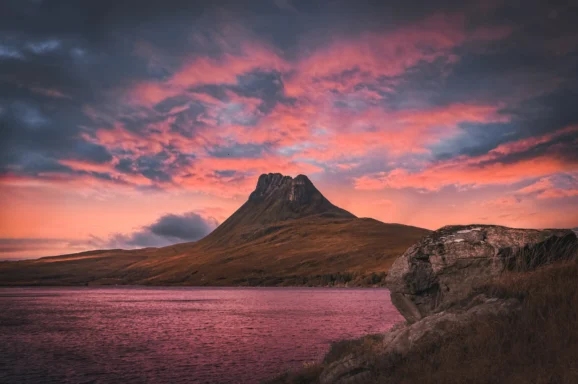
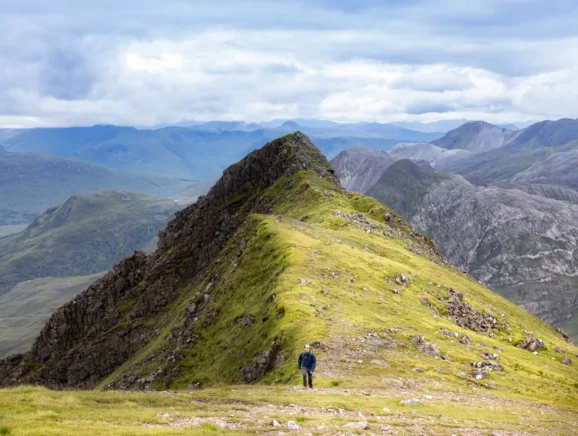
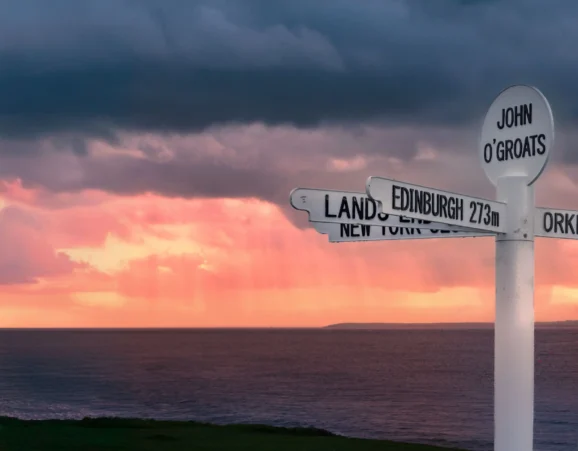
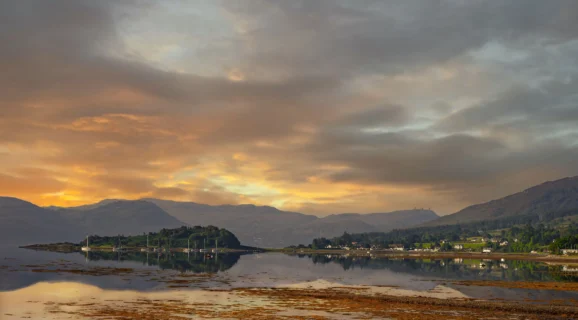
What sets this guide apart is its familiarity. It’s indulgence. Every place included has earned its place through repetition and consistency, not popularity. Just as importantly, the guide acknowledges what not to rush, where to linger, and when to move on without forcing an experience. It is intended to be used, revisited, and adapted whether someone is driving the route for the first time or returning with a deeper appreciation of it, not designed to be consumed once and forgotten.
Photography has, of course, shaped how I experience the route, and it plays a central role in the guide. The NC500 is often photographed in a narrow, predictable way: phone cameras for the most part, on wide lenses, with dramatic skies and familiar compositions. While there’s nothing wrong with that, it only scratches the surface of what the route offers visually. Some of the most compelling images I’ve made along the NC500 have come from restraint rather than drama, quiet mornings, flat light, minimal scenes, and overlooked details that speak more honestly about place. Understanding when not to chase the obvious shot is just as important as knowing when to wait for the light.

In the guide, I share my personal approach to photographing the route: how perspective, patience, and repeated visits lead to images that feel personal rather than formulaic. The aim isn’t replication, but awareness, encouraging others to see more, not just photograph more. The NC500 requires time, attention, and a willingness to let go of rigid expectations. Writing this guide was my way of pushing back against the idea that the route can be neatly summarised or optimised. It can’t and it shouldn’t be.
After almost twenty full circuits, I’m still discovering new vibes, new details, and new reasons to return. That ongoing relationship is what I wanted to capture on the page – not a checklist and not a highlights reel. But a grounded, informed reflection on one of Scotland’s most remarkable journeys – written by someone who keeps going back, not because they have to, but because they can’t imagine not doing so.
Top 10 Great Places to Visit on the NC500
1. Coral Beach and Plockton
Plockton sits on a sheltered inlet of Loch Carron warmed by the North Atlantic Drift, which explains the unexpected cabbage palms along the waterfront. The pale “coral” at nearby Coral Beach is not coral at all but maerl, a form of calcified red seaweed fragments that wash ashore in bright white drifts. The calm waters of the loch frequently attract wildlife; bottlenose dolphins are regularly recorded here, especially in settled weather. Plockton’s compact grid of cottages, small harbour and sea views have made it a long-standing filming location and a favourite stop for slow exploration on foot.
2. The Fyrish Monument
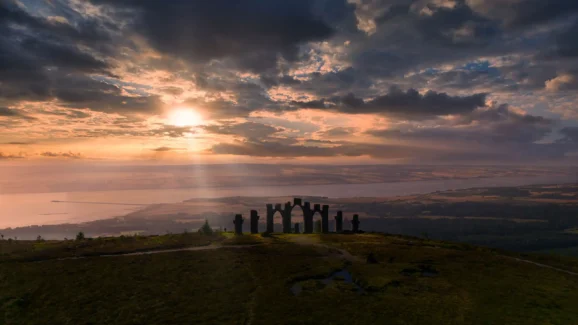
Standing at the summit of Fyrish Hill in Evanton, near Alness in Scotland, is a cultural heritage site with a deep history. The Fyrish Monument was commissioned in 1782 by Sir Hector Munro as a relief project during the Highland Clearances, providing paid work for local people. Its design deliberately echoes the Gate of Negapatam in India, commemorating Munro’s service there. The short, steady climb rewards walkers with wide views across the Cromarty Firth and towards Ben Wyvis. Waymarked paths make this one of the most accessible hilltop monuments in the Highlands.
3. Beinn Bhan
Beinn Bhan rises directly above the Applecross peninsula and offers one of the most dramatic sea-to-summit hikes in the region. The route traverses granite slabs and heather before opening to a broad summit plateau with views across Loch Torridon to Skye. Tucked into the high corries are small lochans and pale shingle margins sometimes described as a “mountain beach”. If a nervous drive over to Applecross isn’t your vibe, then a scenic walk over it just might be. Beinn Bhan is a picturesque hiking destination complete with its own mountain beach and loch for wild campers.
4. Red Point Beach, Gairloch
This beautiful, secluded beach of Red Point lies about 10 miles south-west from Gairloch and is the perfect destination for those seeking to get away from it all. Its iron-rich sandstone gives the sand its distinctive warm hue, especially vivid at low tide. The beach faces west towards Raasay and Skye and is known for wide skies, clear water and relative quiet even in summer. Low dunes and machair grass back the shore, and the walk from the small parking area helps keep numbers low.
5. Kylesku and GlenCoul
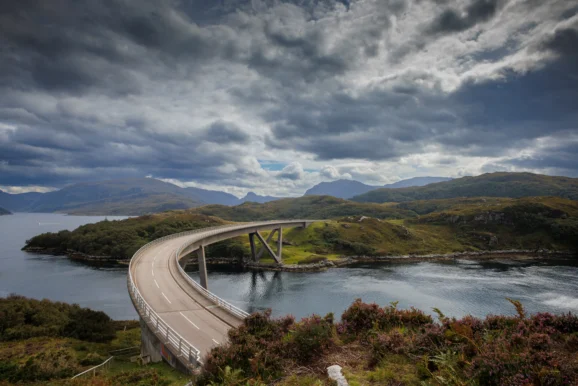
The hamlet of Kylesku Bridge spans Loch a’ Chàirn Bhàin in a single elegant curve and has become one of the most photographed bridges in Scotland. From Kylesku, small boats run into Glen Coul, a sea-loch corridor enclosed by steep, roadless mountains. The silence, waterfalls and sheer rock faces make this one of the most remote-feeling coastal landscapes on the mainland and far more than a mere selfie photo op.
6. Lewis and Harris Islands
Venture slightly off the main route to explore these Outer Hebrides islands, famous for their beaches, history, and culture. The islands of Isle of Lewis and Isle of Harris form a single landmass with striking contrasts: Atlantic-facing white beaches such as Luskentyre, peat moorland, and deep Gaelic heritage. The Callanish Stones pre-date Stonehenge, while restored blackhouse villages such as Gearrannan preserve traditional island architecture. Harris remains synonymous with Harris Tweed, still woven in island homes under statutory protection.
7. Cawdor Castle
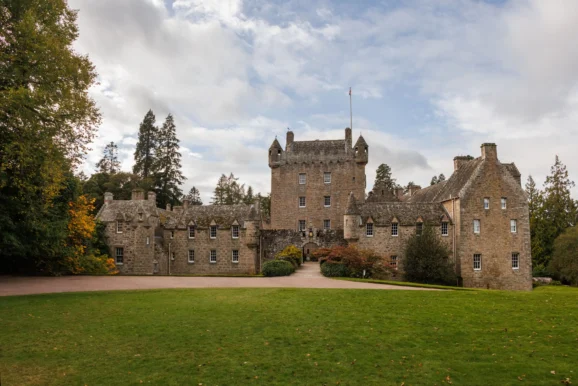
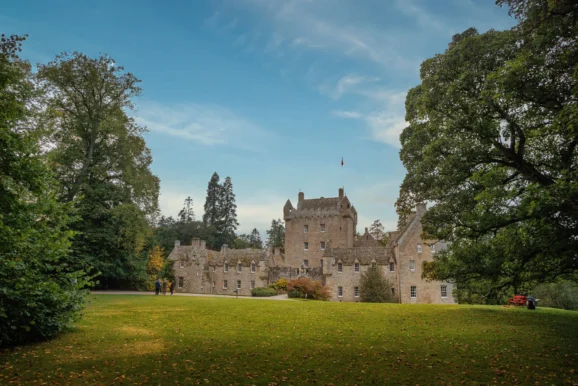
Cawdor Castle dates in its earliest parts to the late 14th century and has been the seat of the Cawdor family for generations. Though often linked in popular imagination to Shakespeare’s Macbeth, the historical castle post-dates the 11th-century king. Visitors come for the lived-in rooms, the drawbridge tower and the extensive walled gardens and woodland walks surrounding the estate.
8. The Summer Isles
The Summer Isles lie just offshore from Ullapool, with Tanera Mòr the largest. These low, scattered islands create sheltered turquoise shallows popular with kayakers and wildlife watchers. Seabird colonies thrive on the cliffs, and the light at sunset across the Minch is a noted draw for photographers.
9. Lochinver Larder
Famous for its delicious pies, homemade recipes and warm hospitality, Lochinver Larder has attracted a loyal international following over the last thirty years. Walkers bound for Suilven and the surrounding hills often stop here, and the view from the café across the water towards the peaks is part of the appeal.
10. Clava Cairns
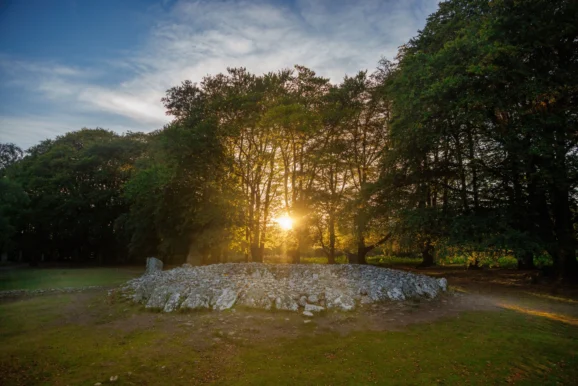
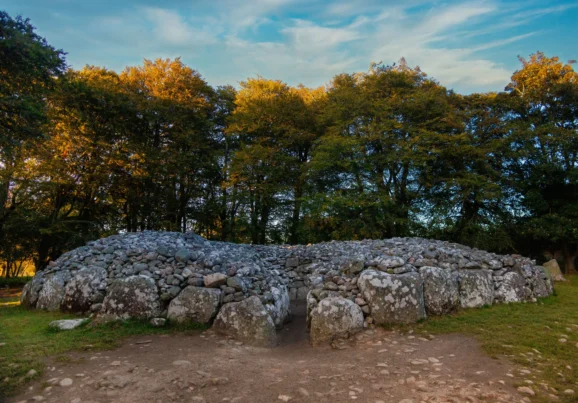
The Bronze Age cemetery at Clava Cairns dates to around 2000–1500 BC and includes passage graves, ring cairns and kerb stones marked with cup-and-ring carvings. The layout aligns with the midwinter sunset. The Bronze Age cemetery at Clava Cairns dates to around 2000–1500 BC and includes passage graves, ring cairns and kerb stones marked with cup-and-ring carvings. The layout aligns with the midwinter sunset. The site sits in light woodland a short distance from Inverness and is often visited by fans of Outlander because its Bronze Age stone circles closely resemble the fictional Craigh na Dun (although the series was filmed elsewhere).
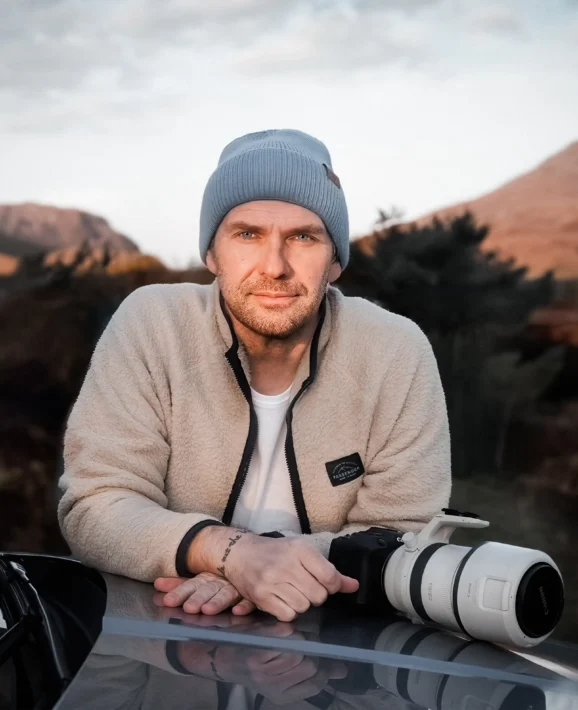
Steven Campbell is an outdoor photographer based in the Scottish Highlands, generally working with brands, organisations, and creative individuals who need more than just content. His work focuses on using place as a strategic asset – creating imagery that builds credibility, attention, and trust. He is also a former journalist. Before returning to photography in 2017 he spent 16 years in the education sector. His book ‘The Ultimate North Coast 500 Adventure’ is out now.
READ MORE: ‘Padstow beyond Stein is a food lover’s dream’. Famed for Rick Stein yet defined by far more, this harbour town and its surrounding coastline offer an extraordinary range of bakeries, pubs, delis and restaurants that reward any visitor with an appetite. In this personal guide, Lee Ness maps the walks, meals and memorable tables that have turned this corner of north Cornwall into an annual pilgrimage.
Do you have news to share or expertise to contribute? The European welcomes insights from business leaders and sector specialists. Get in touch with our editorial team to find out more.
Main image: High on a mountainside above a sea loch, Steve Campbell surveys the layered Highland landscape that shapes much of the North Coast 500 experience. (Steve Campbell)