Remote surgery raises a simple question: who is accountable?
- Published
- Letters to the Editor
Technical breakthroughs are impressive, but trust in systems, liability and safeguards must come first
Sir,
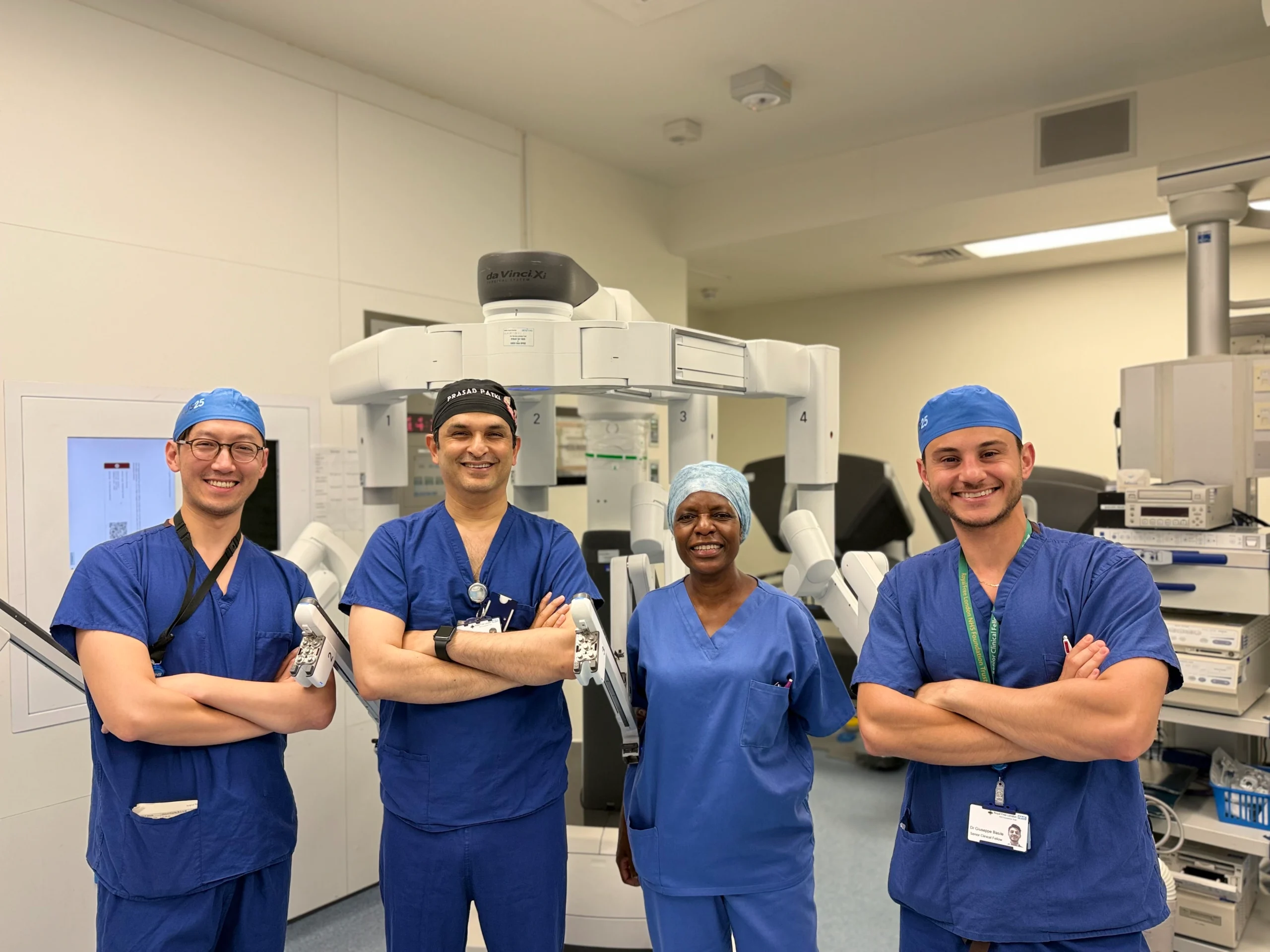
It was extraordinary to learn that surgeons can carry out operations over a hotel internet connection (‘Surgeons just changed medicine forever using hotel internet’). What stayed with me, however, was not the technology itself, however capable it might be, but the question of trust. Surgery relies on absolute confidence in the system, the team, and the safeguards in place when something goes wrong. While the article makes a good case for how far robotics and connectivity have advanced, it also raises uncomfortable questions about governance, accountability and resilience. A frozen screen during a video call is an irritation but in an operating theatre it is something else entirely.
When operations span continents, networks and vendors, it is not immediately clear to me where liability ultimately sits, or how failures are investigated and learned from. Those answers matter just as much as latency speeds and robotic precision.
That said, it would be a mistake to let caution harden into resistance. Every major advance in medicine has faced scepticism at the outset. If the safeguards, training and oversight can keep pace with the technology, this could reshape access to specialist care in ways that are hard to overstate.
The challenge now is to ensure that innovation is matched by rigour, and that excitement does not run ahead of systems designed to protect patients when technology inevitably fails.
Yours faithfully,
Jonathan Reeves
Bath, UK
Sign up to The European Newsletter
TOP STORIES
-
 Russia takes control of more European corporate assets amid Ukraine tensions
 -
EU leaders resist calls to delay carbon rules as energy costs soar
-
‘A big step forward’ – PM Andy Burnham hails plans for Great British Railways HQ in Derby
-
UK economy grows just 0.1 per cent as construction falls and services stall
-
Germany risks losing €155bn a year under tighter AI data rules, new study warns
-
Pope Leo XIV diagnosed with lung cancer after surgery in Rome
-
France faces freezer meltdown as hackers strike supermarket chains
-
Bumble shares soar 50% amid $1bn takeover talks
-
China slump drives Volkswagen to sharpest quarterly fall in more than four years
-
Hollywood mega-powerhouse created as Paramount completes Warner Bros Discovery takeover
-
Gamers face gridlock as latest Grand Theft Auto download 'nears two days'
-
Samsung profits soar ninefold to record £61bn amid AI chip boom
-
New Springer books put the UN’s struggling sustainability goals to the real-world test
-
Europe’s solar boom set for two-year slowdown after record growth
-
Let it pea. Musicians turn vegetables into instruments at Beatles' Abbey Road studios
-
Golden naked Trump statue unveiled at European Parliament
-
Jaguar puts controversial rebrand on the road with £130K 1,030PS Type 01
-
Deepfakes and identity fraud drive new wave of post-hire background checks
-
Spain crowned Europe’s top retirement destination
-
More than half of UK professionals report workplace burnout
-
More than 1.2m English drivers may have eyesight too poor for the road, study finds
-
David Reuben, Britain’s second richest person, leaves London for Monaco
-
UK prisoner release plan faces a major lag as tougher rules risk sending inmates back to jail
-
Brits trust AI with their health but not their money
-
Britain still hungry for Italian food as exports hit €4.56bn despite Brexit