With the Packaging and Packaging Waste Regulation set to tighten scrutiny of green claims, S.Lab’s mycelium-based packaging has become the first of its kind to gain TÜV Austria’s OK Home Compost certification
A Ukrainian biomaterials start-up has become the first mycelium packaging company to secure certification confirming its products can be composted safely at home, marking a significant step for sustainable materials as Europe tightens rules on packaging waste.
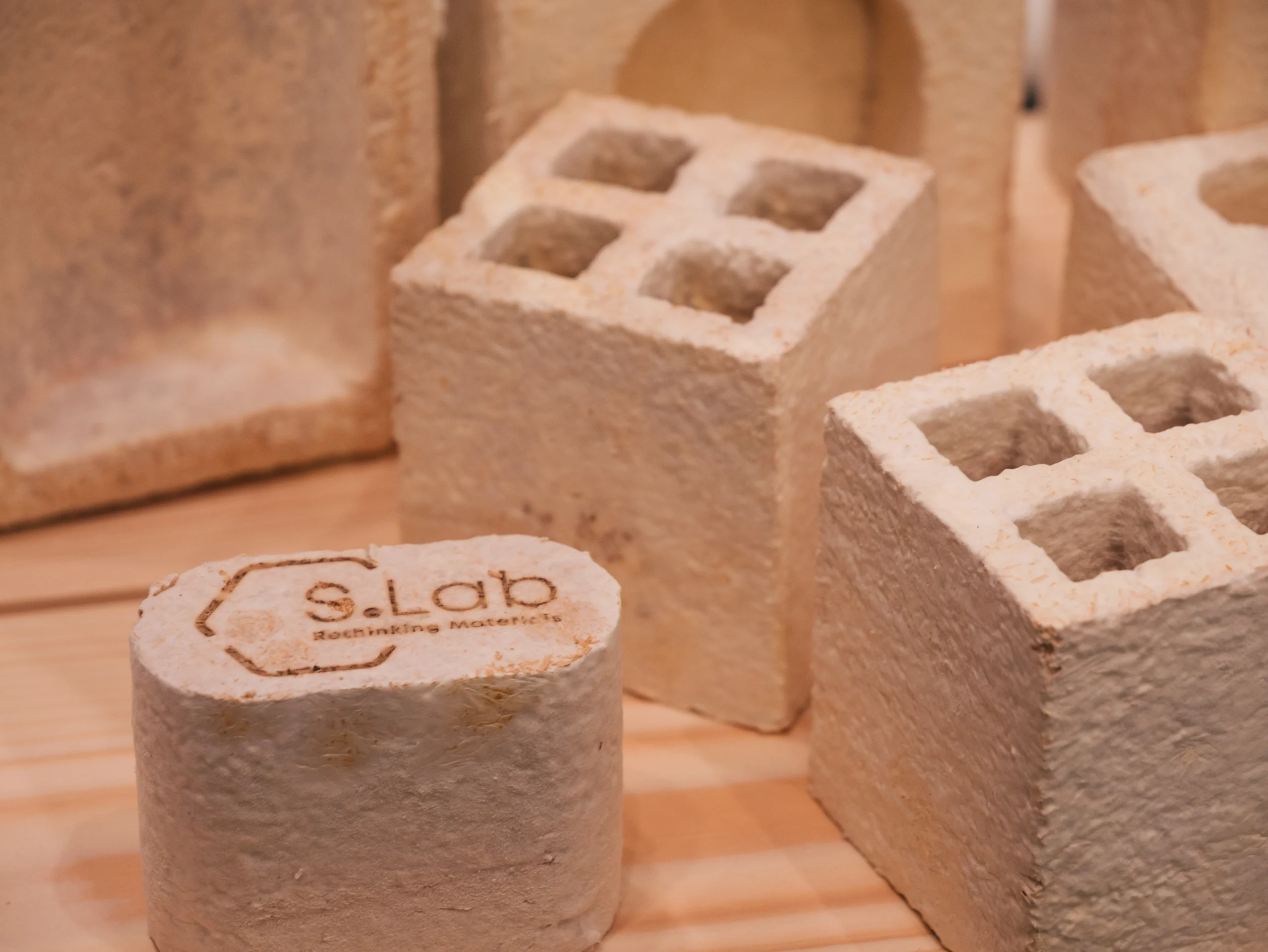
S.Lab’s mycelium-based protective packaging has been certified under TÜV Austria’s OK Home Compost scheme, which evaluates how materials behave in low-temperature, non-industrial composting conditions. The approval makes S.Lab the first company in its sector to meet the standard.
The certification confirms that S.Lab’s packaging decomposes without leaving toxic residues, microplastics or harmful substances when placed in household compost. According to the company, the material decomposes fully within 30 days.
The announcement comes as the EU moves towards implementing the Packaging and Packaging Waste Regulation, which will require companies to substantiate environmental claims and demonstrate how compostable materials behave in real-world conditions. While many products are labelled compostable, most rely on industrial composting facilities that require high temperatures and dedicated waste-collection systems. Access to these facilities remains limited in many regions, meaning packaging often ends up in mixed waste streams and landfill.
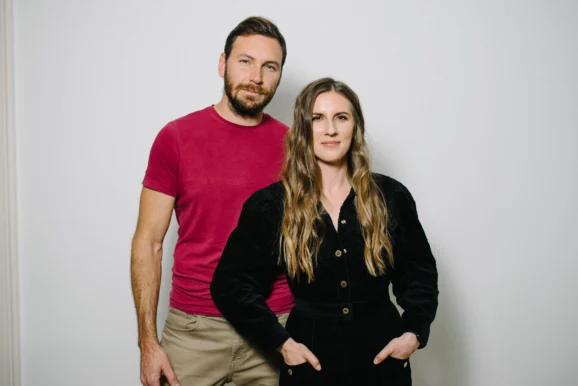
“From the beginning, we knew our material was truly biodegradable — we’ve tested it many times ourselves. But we also know how important official confirmation is for the companies we work with. That’s why we went through the certification process and we’re happy to now have recognised proof that the material performs exactly as we designed it to,” Julia Bialetska, CEO and co-founder of S.Lab, said.
S.Lab produces protective packaging from agricultural waste bound together by mycelium, the root-like network of fungi. The material offers thermal insulation and water resistance comparable to polystyrene, without the environmental cost. Founded in 2021, the company is backed by investors including Morgan Stanley, Techstars and Google, and has received multiple international awards.
The company is now focused on scaling production and rolling out a new manufacturing model based on modular mini-factories. The automated units are designed to fit inside a 40-square-foot container and produce certified packaging close to end users, reducing transport emissions and logistics costs.
“We’re now focused on scaling our production site and developing a new technology — modular mini-factories. They are compact, automated units that fit inside a 40 sqft container and are designed to produce certified mycelium packaging anywhere in the world. This model will allow us to reduce logistics emissions, cut costs and serve clients locally. The first pilot mini-factory is already in development and we plan to roll out across multiple EU countries,” Bialetska said.
Alongside scaling production, S.Lab is expanding beyond protective packaging and deepening partnerships across electronics, beauty and food.
“Our goal is to replace 10,000 tons of polystyrene by 2030 and show that sustainable materials can be scalable, profitable and mainstream,” Eugene Tomilin, CTO and co-founder of S.Lab, added.
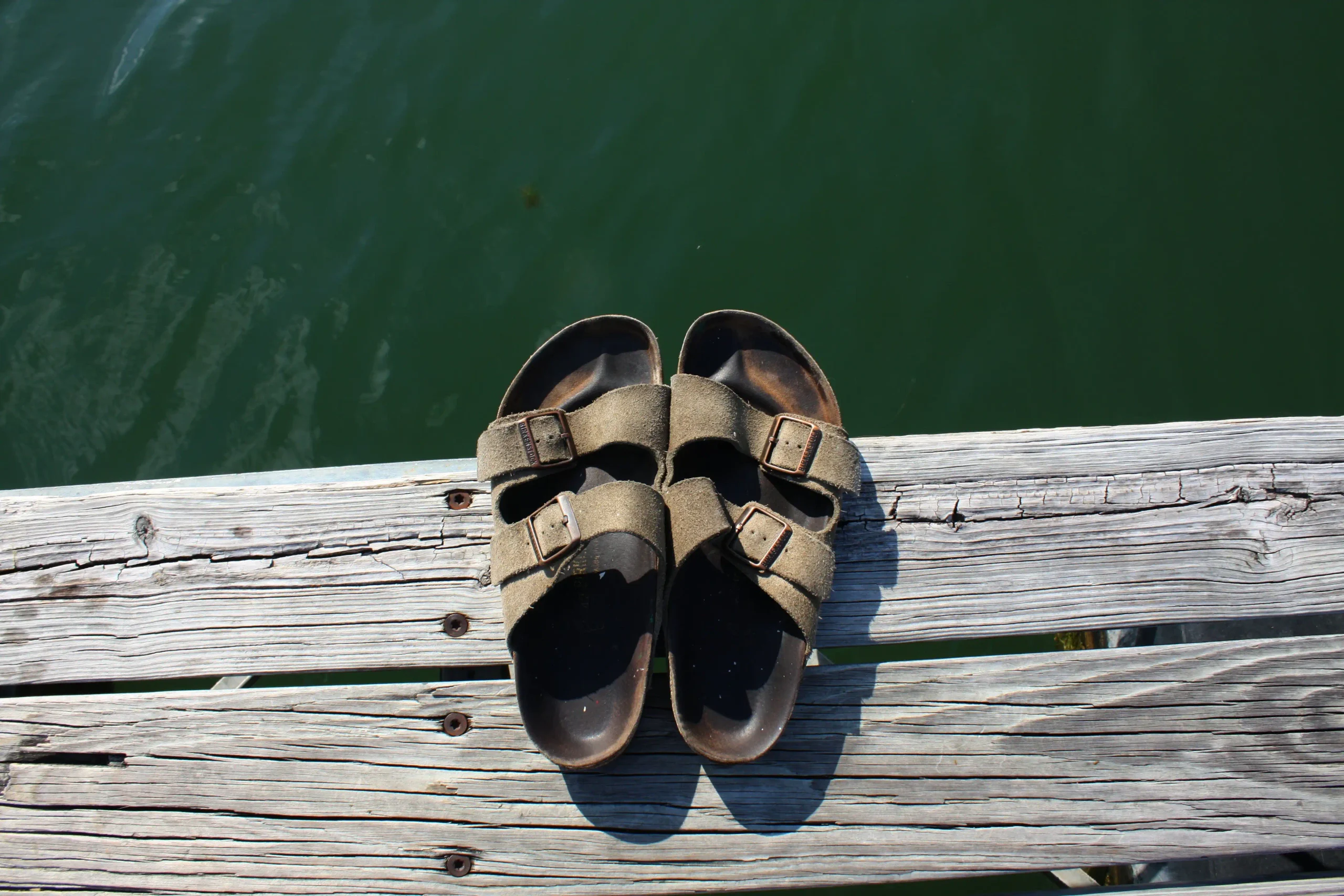
The move places S.Lab within a rapidly growing ecosystem of mycelium-based innovation, where fungi are increasingly being used to replace petroleum-derived materials. Recent projects have seen mycelium used to grow trainer soles in a matter of days, develop furniture and construction materials, and form the basis of experimental habitats designed for use on the Moon and Mars.
Founded in 2021, S.Lab was originally based in Ukraine before relocating its operations to Spain following Russia’s full-scale invasion of the country. The move allowed the company to continue production and development while maintaining access to European manufacturing, regulatory and investment networks.
Market research firm Grand View Research estimates the global sustainable packaging market reached USD 272.93 billion in 2023 and will grow to USD 448.53 billion by 2030, driven by demand for materials that can meet stricter environmental standards without sacrificing performance.
READ MORE: ‘Fast fashion brands ‘greenwash’ shoppers with guilt-easing claims, study warns. Researchers say big chains use influencers and slick social-media posts to make constant buying look responsible.
Do you have news to share or expertise to contribute? The European welcomes insights from business leaders and sector specialists. Get in touch with our editorial team to find out more.