Could AI finally mean fewer potholes? Swedish firm expands road-scanning technology across three continents

Mark G. Whitchurch
- Published
- News, Technology
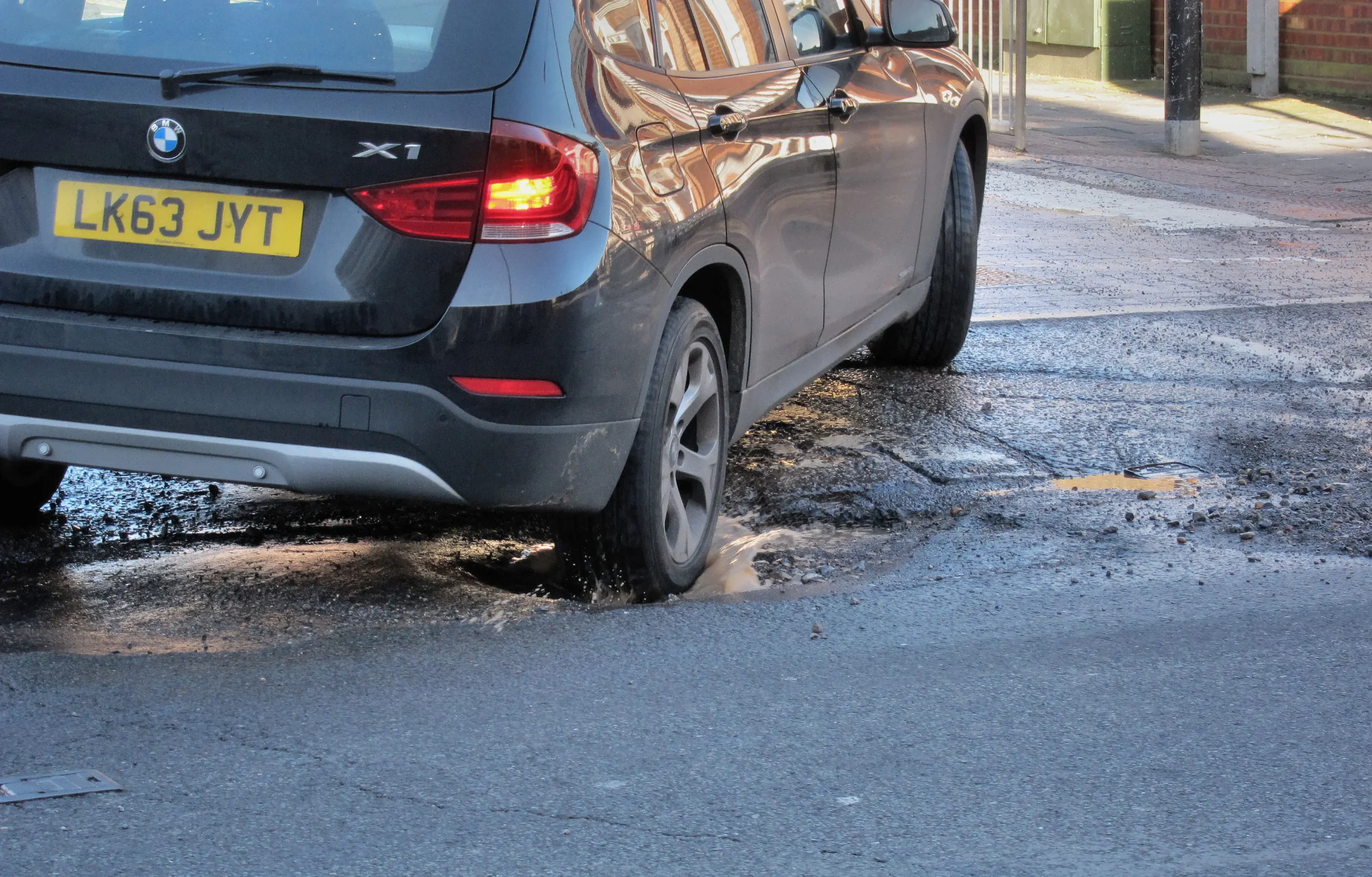
Motorists across Europe may soon benefit from a new generation of artificial intelligence designed to spot potholes before drivers hit them
Swedish technology company Flowity has secured its first investment round to expand a system that automatically detects cracks, potholes and other road surface damage using ordinary video footage.
Flowity’s platform, known as Flowity Road Analysis, uses computer vision to analyse standard video capture and automatically classify surface damage.
The system then produces map-ready data that road authorities can feed directly into maintenance planning systems.
This allows roads to be assessed more quickly and at lower cost, without deploying sensor-equipped inspection vehicles, according to the company.
The technology is already being used in projects across the Nordics, the Baltic region and parts of the United States, as well as in infrastructure programmes in the Caribbean and Papua New Guinea.
“Our experience spans advanced U.S. transport markets to remote and developing regions,” co-founder Dan Levy said.
“Across continents, we see the same challenge: infrastructure decisions are often made without scalable, reliable data. Our mission is to modernize road infrastructure management globally — and this investment allows us to accelerate that transformation.”
The firm works with municipalities, counties and national road authorities, and has collaborated with the World Bank on infrastructure assessment projects in developing markets.
Road inspections in many countries still rely on manual surveys or specialist vehicles that scan surfaces at intervals. That can mean defects go unnoticed until they worsen — particularly in colder regions where freeze–thaw cycles rapidly turn small cracks into axle-busting potholes.
While Flowity’s technology does not fix roads itself, earlier and more consistent detection of defects could allow authorities to intervene before minor cracks deteriorate into more serious damage — potentially reducing long-term repair costs and the number of major potholes forming.
Flowity said the funding will support expansion across Europe, North America and Asia-Pacific, alongside further development of its AI capabilities.
READ MORE: ‘New guide to the NC500 calls time on ‘tick-box tourism’‘. Often dubbed Britain’s Route 66, Scotland’s North Coast 500 has become one of the most photographed drives in the world — and one of the busiest. As the route grows ever more popular on social media, Highland photographer and author Steve Campbell says many visitors are missing what makes it special by rushing from stop to stop in search of familiar photo spots. Drawing on his new book about the route, Campbell — who has completed the full circuit nearly 20 times — explains why most travellers are getting the NC500 wrong, and how it looks when you take the time to know it properly.
Do you have news to share or expertise to contribute? The European welcomes insights from business leaders and sector specialists. Get in touch with our editorial team to find out more.
Main image: Alan Stanton / CC BY-SA 2.0 (via Wikimedia Commons)
TOP STORIES
-
 North Korean agents are infiltrating Western businesses by posing as employees, security chief warns
 -
Route 66 turns 100 next month – and there’s never been a better excuse for Europeans to hit the road
-
Serbia erupts in celebration as student protesters end Vučić’s 14-year grip on power
-
Two killed as Storm Boelo batters Britain with 85mph winds and leaves 90,000 homes without power
-
Man arrested on suspicion of arson after fire destroys Hitler’s Eagle’s Nest retreat
-
Britain faces higher winter energy prices as reliance on European electricity imports grows
-
Andy Burnham to make special Gogglebox appearance for Stand Up To Cancer
-
WPSL Golf targets £120 million valuation as billionaire-backed corporate deals and other commercial deals drive explosive global growth
-
Hackers could bring Britain’s essential services to a standstill, security chief warns after global website shutdowns
-
We’re talking to almost twice as many people on the phone as a decade ago, study finds
-
TalkTalk sells majority stake in Telecom Acquisitions as founder Nigel Barnett regains control
-
Company closures soar ahead of tax rises as new Budget looms
-
An Italian affair – Stanley Johnson takes London’s society set on the Silk Road
-
Himalayan mountainside moved 40cm before avalanche killed 1,451 in Nepal, scientists reveal
-
Scientists and engineers quitting jobs as AI changes roles ‘beyond recognition’, study finds
-
UK profit warnings hit near two-year high as businesses struggle with rising costs
-
Microsoft pulls out of major UK AI data centre project amid power grid delays
-
Russia takes control of more European corporate assets amid Ukraine tensions
-
EU leaders resist calls to delay carbon rules as energy costs soar
-
‘A big step forward’ – PM Andy Burnham hails plans for Great British Railways HQ in Derby
-
UK economy grows just 0.1 per cent as construction falls and services stall
-
Germany risks losing €155bn a year under tighter AI data rules, new study warns
-
Pope Leo XIV diagnosed with lung cancer after surgery in Rome
-
France faces freezer meltdown as hackers strike supermarket chains
-
Bumble shares soar 50% amid $1bn takeover talks