A new free-route airspace regime across West and Central Africa is set to reshape cross-continental travel, with airlines able to adopt direct, fuel-efficient paths that strengthen links between Europe and key African destinations
European travellers flying to and within Africa are set to benefit from shorter routes, lower emissions and faster journey times after a major change to air navigation rules across West and Central Africa.
The African Airlines Association (AFRAA) has confirmed the full operational launch of Free Route Airspace (FRA) across the Western and Central Africa (WACAF) region, which allows airlines to plan and fly direct, user-preferred routes rather than follow fixed traditional air corridors. The system went live in October after two years of testing.
For European visitors heading to hubs such as Accra, Dakar, Lagos or Casablanca — and for long-haul connections deeper into the continent — the change means airlines can optimise flight paths according to winds, weather and fuel efficiency, cutting journey times and emissions.
AFRAA describes the reform as a turning point for African aviation. “The implementation of Free Route Airspace in the WACAF region is a game-changer for African aviation,” Abdérahmane Berthé, the association’s Secretary General, said. “By cutting flight times and fuel consumption, we are not only boosting the competitiveness and profitability of our airlines but also making a significant commitment to environmental sustainability.”

The upgrade has been backed by Afreximbank, which has supported FRA trials since 2023. Mrs Kanayo Awani, the Bank’s Executive Vice President for Intra-African Trade and Export Development, said efficient and well-regulated air services are essential to boosting intra-African trade, tourism and connectivity — objectives that are increasingly relevant for Europe’s growing traveller flows to the continent.
Six major African carriers — Ethiopian Airlines, Kenya Airways, EgyptAir, Royal Air Maroc, RwandAir and ASKY — have already secured approval to use user-preferred routes across 30 key city pairs. AFRAA projects more than 1,393 hours of cumulative flight time saved each year, along with reductions of 5,000 tonnes of fuel and 16,000 tonnes of CO₂, worth around US$15 million in annual fuel savings.
From now on, any airline can request a user-preferred route and receive approval within 48 hours. And from mid-2026, following administrative steps across 24 states, pre-approval is expected to be removed altogether — a shift that aligns Africa with the long-established FRA systems used over parts of Europe.
The next stage of the project will move to Eastern and Southern Africa in 2026, aiming to deliver continent-wide FRA adoption and eventually seamless long-range planning from Europe into Africa without fixed routing constraints.
AFRAA says coordination between airlines and air navigation service providers — including ASECNA, the Ghana Civil Aviation Authority, the Nigerian Airspace Management Agency and the Roberts FIR — has been crucial to the programme’s rollout.
READ MORE: ‘Emirates marks 30 years of operations to Nairobi’. The Dubai-based carrier marks three decades in Kenya, where it has flown more than 6.6 million passengers and expanded trade links through cargo operations, local partnerships and community investment.
Do you have news to share or expertise to contribute? The European welcomes insights from business leaders and sector specialists. Get in touch with our editorial team to find out more.
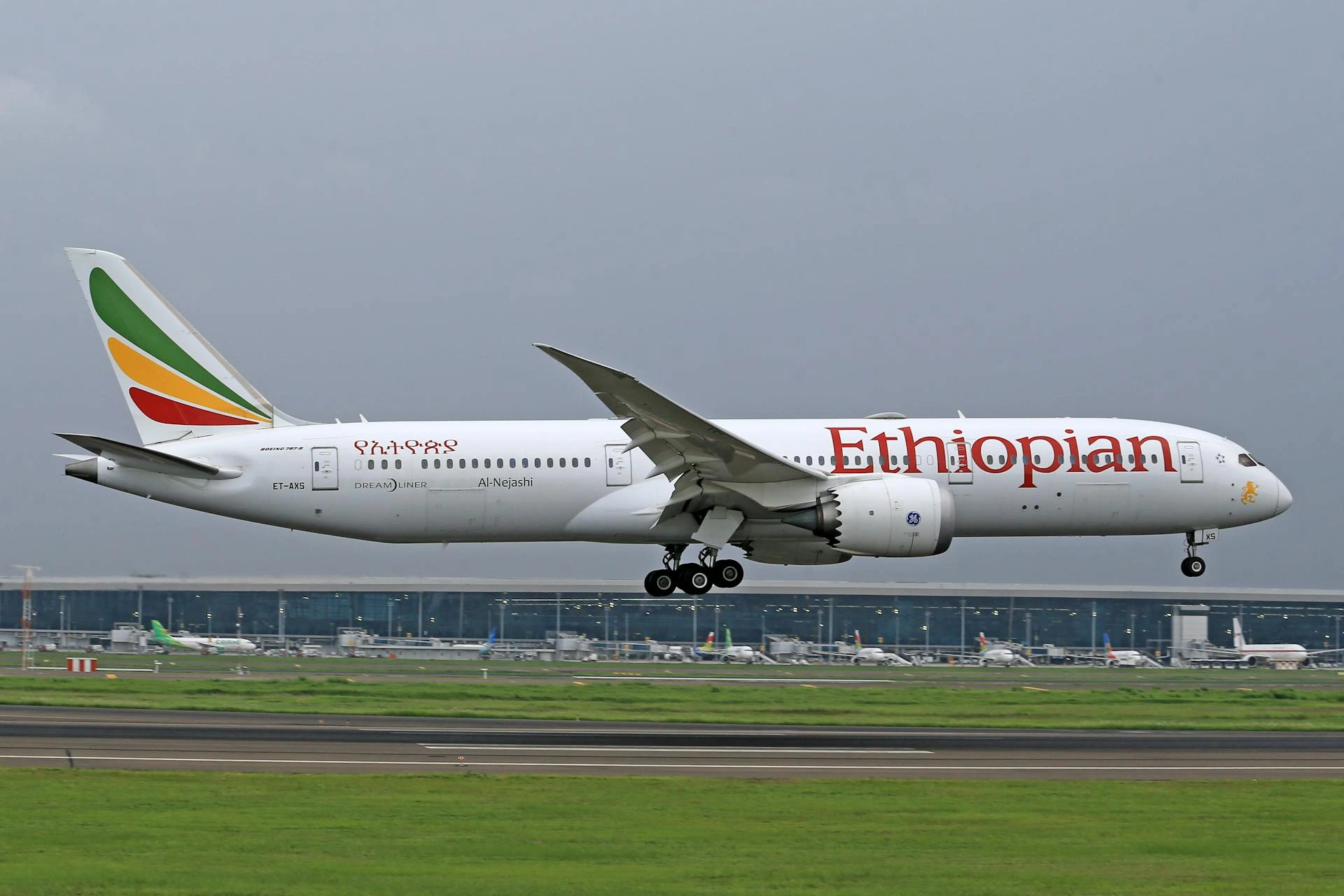
Main image: Credit, Jeffry Surianto/Pexels