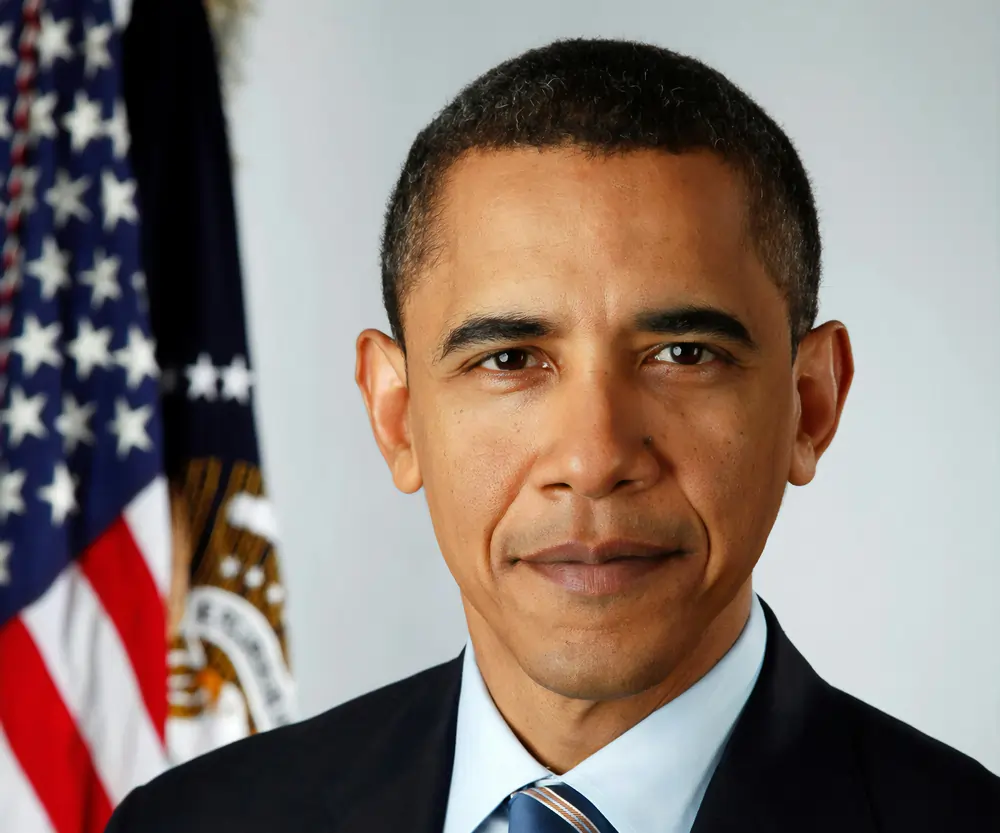
Barack Obama’s call for Black male voters to support Kamala Harris has sparked controversy, highlighting tensions between the former president and a demographic that once viewed him as a symbol of hope. Yasin Kakande, our international affairs correspondent, questions whether Obama should step back from campaigning to preserve his legacy rather than risk diminishing it through partisan involvement
Barack Hussein Obama is undeniably one of the most influential political figures of our time. With his eloquence and powerful rhetoric, he inspired millions, overcoming obstacles like race and heritage to become the leader of the world’s most powerful nation. However, as I recently witnessed his call for Black male voters to rally behind Kamala Harris for president met with noticeable backlash, I couldn’t help but wonder if perhaps the time has come for the great president to step back from active politics and preserve his remarkable legacy.
In his first campaign appearance for Kamala Harris, former President Obama directly addressed Black men, criticizing what he perceives as their hesitation to support her. Speaking to a group of Black voters in East Liberty, Pittsburgh, Obama stated, “The women in our lives have been getting our backs this entire time. When we get in trouble, and the system isn’t working for us, they’re the ones out there marching and protesting. And now, you’re thinking about sitting out or supporting somebody who has a history of denigrating you because you think that’s a sign of strength because that’s what being a man is? Putting women down? That’s not acceptable.”
Criticism quickly followed Obama’s intervention in support of Kamala Harris, with Black influencers accusing him of only surfacing during election cycles to dictate voting preferences, then vanishing once those votes are secured. Some argued that during his presidency, Obama spent eight years distancing himself from Black men to ease white anxieties, and now, out of office, he was lecturing Black voters on their choices. Others felt Obama was unfairly portraying Black men as misogynistic for supposedly rejecting Harris simply because she is a woman. Critics also accused Obama of reinforcing a harmful stereotype, painting Black men as “the problem” that needs fixing, while failing to address broader concerns about Harris’s candidacy, including doubts held by white voters.
Nina Turner, a political commentator, further highlighted the unfairness of Obama’s remarks, stating, “Black men and Black women don’t vote that differently. It’s wrong to single out Black men, especially when they’re the most loyal male voting bloc for Democrats. It’s patronizing and wrong.”
While Obama may seem to wield significant influence over Black Americans, particularly during election cycles, there has long been an underlying sense of distrust between him and Black men, a tension that traces back to his presidency. Many Black men feel that Obama did not fully embrace his Black identity while in the White House, often distancing himself from the community. A key example of this sentiment arose when Obama was questioned about why his policies were not doing more to uplift Black communities and their businesses. His response—”I’m not the president of Black America. I’m the president of the United States of America”—struck a chord, signaling to many that their concerns were not a priority.
During Obama’s presidency, the Department of Justice failed to pursue justice in several high-profile cases of racial profiling and police violence against Black men. One such case was the killing of Eric Garner, who was strangled to death by an NYPD officer in 2014 after being approached for allegedly selling untaxed cigarettes. Despite Garner repeatedly telling the officers “I can’t breathe” 11 times while being pinned to the ground, the Obama administration did not push for prosecution of his killers.
Similarly, the case of Trayvon Martin, an unarmed Black teenager shot by neighbourhood watch volunteer George Zimmerman in 2012, saw no action from the White House. Despite national outcry, protests, and a petition with over 2 million signatures calling for Zimmerman’s prosecution, Obama’s administration did not intervene, leaving many Black Americans feeling abandoned by a presidency they believed would fight for their justice.
When prominent Black Harvard professor Henry Louis Gates Jr. was arrested at his own home after police mistook him for a burglar, the incident underscored the dangers of racial profiling, even for Black elites. However, instead of addressing the deeper issue of racial bias in policing, President Obama chose to hold a “beer summit” at the White House, inviting both Gates and the arresting officer for a casual meeting, an approach that many saw as downplaying the seriousness of the problem.
The majority of Black American men support reparations, but during his presidency, Obama opposed the idea. He argued that “the best reparations we can provide are good schools in inner cities and jobs for the unemployed,” suggesting that addressing systemic issues like education and employment would be more effective than direct financial compensation.
Obama’s legacy, built on groundbreaking achievements and historic moments, is now at a critical juncture. He has the option to step away from the political fray and preserve that legacy, instead of becoming the perpetual campaigner for the Democratic Party. From Hillary Clinton to Joe Biden and now Kamala Harris, Obama has consistently told voters that this is the most important election of their lifetime. Yet, that message is beginning to wear thin, and his constant reemergence during election cycles risks diminishing the legacy he worked so hard to build. By choosing to retire from active political campaigning, Obama could ensure that his influence and contributions remain timeless, rather than entangled in the daily grind of partisan politics. It’s a decision only he can make, but his legacy is undeniably at stake.
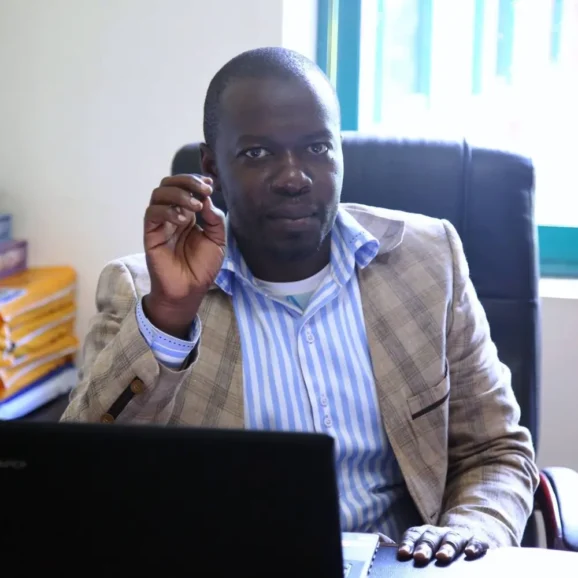
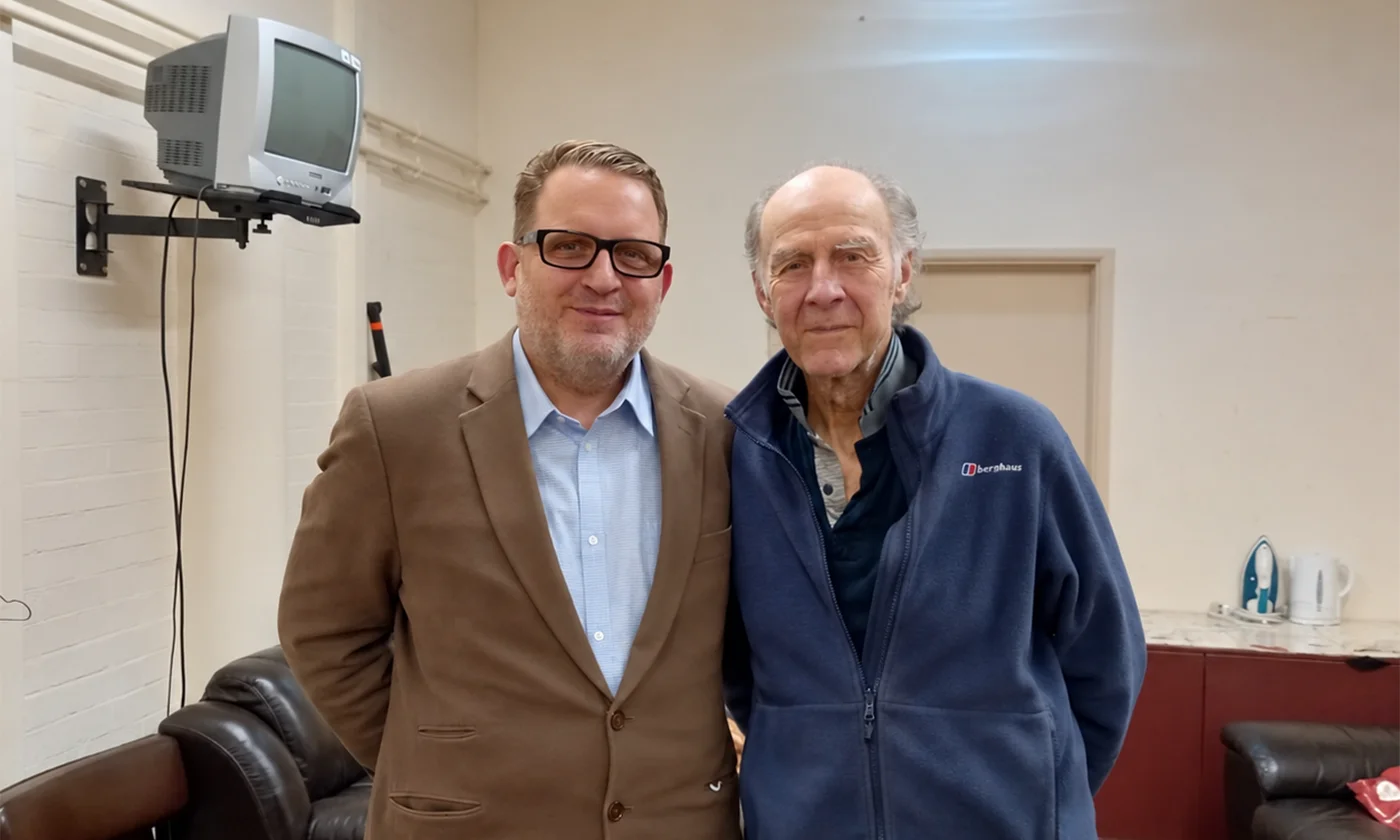
Yasin Kakande, pictured, is an international journalist, a TED Global Fellow, and the author of a number of critically acclaimed non-fiction books offering a fresh perspective on immigration and geopolitics, including Why We Are coming, and Slave States. As a migrant from Uganda now based in the US. following asylum, his journalism career spans international outlets including The New York Times, Thomson Reuters, Al Jazeera, The National, and The Boston Globe. His latest book, A Murder of Hate, is out now.
Main Image: Courtesy Library of Congress/Unsplash