China’s recovery fails to lift factory demand

John E. Kaye
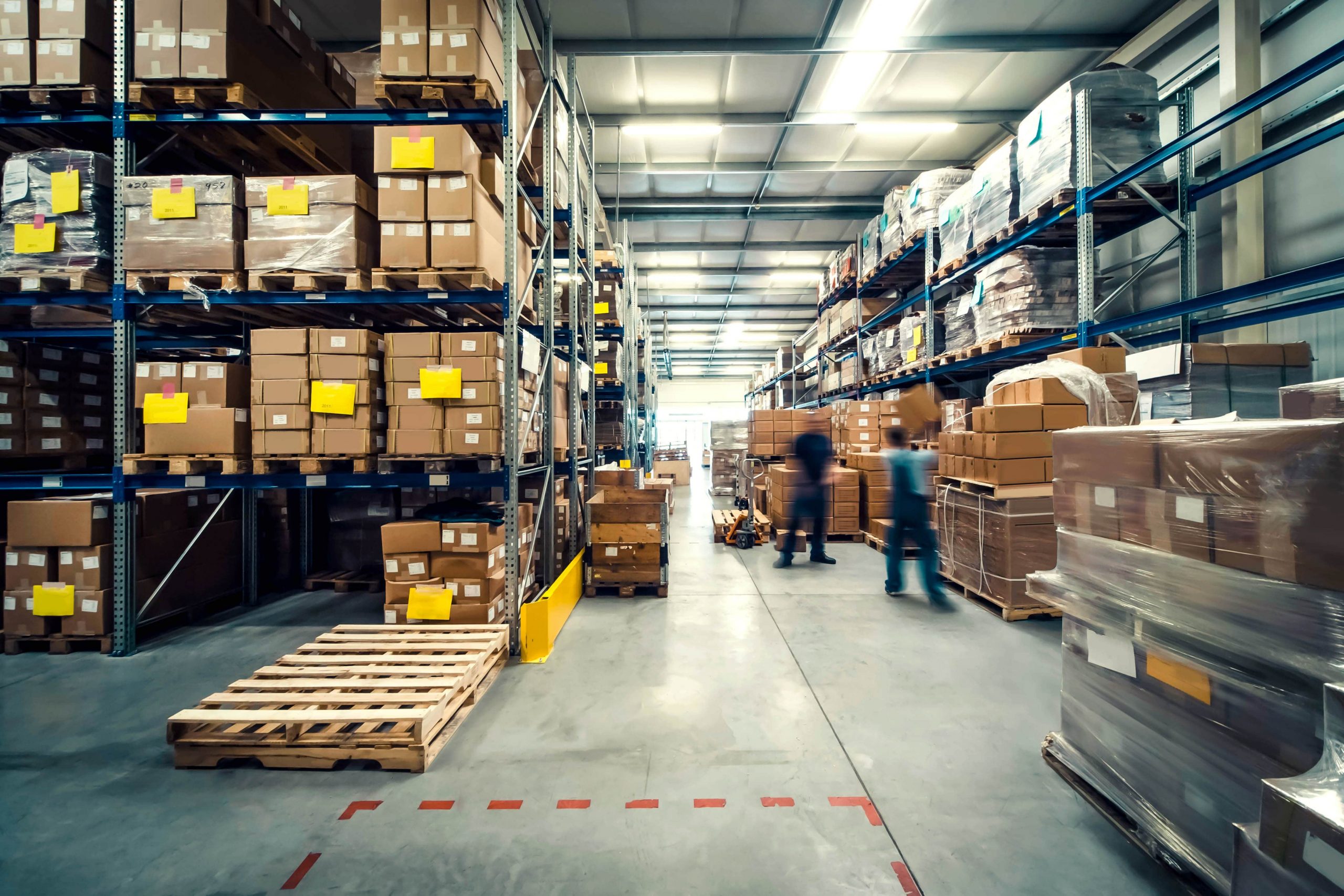
During May, Asia’s factory decline deepened as the slump in global trade caused by the coronavirus pandemic worsened, with export powerhouses Japan and South Korea suffering the sharpest declines in business activity in more than a decade.
A sequence of manufacturing surveys released early Monday proposed that any rebound in businesses will be sometimes off, even though China’s factory activity unexpectedly returned to growth in May.
China’s Caixin/Markit Manufacturing Purchasing Managers’ Index (PMI) hit 50.7 last month, marking the highest reading since January as easing of lockdowns allowed companies to get back to work and clear pending and outstanding orders.
However, with many of China’s trading partners still restricted, its new export orders remained in contraction, the private business survey showed on Monday. China’s official PMI survey on Sunday showed the recovery in the world’s second-largest economy intact but fragile.
Japan’s factory activity shrank at the fastest pace since 2009 in May, a separate private sector survey showed. While in South Korea, manufacturing slump at the sharpest pace in more than a decade.
Official data on Monday showed South Korea extending its exports plunge for a third straight month.
Capital Economics said the region’s manufacturing sector is in deep recession.
“Industry is likely to have seen an initial jump from the easing of lockdown restrictions. And things are likely to continue improving very gradually over the coming months as external demand recovers,” Capital Economics wrote. “But output is still likely to be well below normal levels for many months to come as domestic and global demand remain very depressed.”
Taiwan’s manufacturing activity also fell in May. Vietnam, Malaysia and the Philippines saw PMIs rebound from April, though the indices all remained below the 50-mark threshold that separates contraction from expansion.
India’s factory activity contracted sharply in May, extending the major decline seen in April as a government-imposed lockdown hammered demand.
Asia’s economic woes are likely to be echoed in other parts of the world including Europe, where economies continue to suffer huge damage in factory and service sectors.
With many countries starting to ease lockdown restrictions imposed to stop the spread of the virus, which has infected over 5.5 million people globally, equity markets are rallying on hopes for a swift return to health and prosperity.
But the trough in global economic activity will be deeper and the rebound is likely to take longer than previously predicted as the pandemic spreads in waves.
The International Monetary Fund warned last month the global economy will take much longer than expected to recover fully from the virus shock, suggesting a downgrade to its current projection for a 3% contraction this year.
A U.S.-China spat over Hong Kong’s status and Beijing’s handling of the pandemic could sour business sentiment and add to already huge strains on the global economy.
The final au Jibun Bank Japan Manufacturing Purchasing Managers’ Index (PMI) fell to a seasonally adjusted 38.4 from 41.9 in April, its lowest since March 2009.
South Korea’s IHS Markit purchasing managers’ index (PMI) edged down to 41.3 in May, the lowest since January 2009 and below 41.6 in April.
Reported by Leika Kihara
For more Daily news follow The European Magazine
TOP STORIES
-
 More than 1.2m English drivers may have eyesight too poor for the road, study finds
 -
David Reuben, Britain’s second richest person, leaves London for Monaco
-
UK prisoner release plan faces a major lag as tougher rules risk sending inmates back to jail
-
Brits trust AI with their health but not their money
-
Britain still hungry for Italian food as exports hit €4.56bn despite Brexit
-
Women who earn more than their partners still pay the price at work, landmark study finds
-
Vape expectations go up in smoke as new UK tax sparks fury
-
Robot sales rocket 24% as 250,000 machines snap up jobs in warehouses, hotels and hospitals
-
New-build homeowners should not be left with ‘mud and a fence’, campaigners warn
-
Bank of England governor warns AI poses growing ‘increasingly significant’ threat to financial stability
-
UK economy grows faster than first thought as household incomes bounce back
-
UK unveils ‘Great British Grid’ in bid to cut energy bills
-
British Chambers unite against 'Made in Europe' rules amid fears for UK industry
-
Bouncy castle firms urged to sign new safety pledge following child deaths
-
Remembering Matthew Jukes, The European’s Wine & Fine Drinks Correspondent
-
Michael Dell becomes world's fourth-richest person as Forbes reveals the ten wealthiest billionaires
-
Scientists develop new chemicals to tackle devastating oil spills at sea
-
Closing women's health gap could boost global economy by $1tn a year, leaders say
-
World's first luxury theme park to open in Mexico with £1.1bn of rides, fine entertainment and deliberately limited crowds
-
Dutch court orders Lidl to stop selling Birkenstock sandal lookalikes
-
Giant wind turbine with 252-metre rotor could mean fewer machines and cheaper offshore power
-
Poorly designed workplaces ‘cost UK economy £71bn a year’
-
Rescuers scramble to protect pod of 25 whales in Thames Estuary
-
‘Talent hushing’ blamed as four-in-10 workers say they contribute less than they could
-
Spain leads Europe for expats as Panama tops global poll