American firms sign landmark deal to beam solar power from space as Europe faces AI energy crunch

Marco Ryan
- Published
- News, Sustainability

Two US technology companies have agreed a 20-year contract to supply electricity from orbit to underwater data centres, potentially opening a new source of clean energy as European governments struggle to meet the growing demands of artificial intelligence
Two American tech firms have signed a multi-billion-dollar deal to beam solar power from space back to Earth, in a move that could eventually help tackle the growing electricity demands of AI in Europe and beyond.
Virtus Solis, based in Michigan, has agreed to supply electricity generated by solar panels orbiting the planet to Brae Systems, a Chicago company developing underwater data centres.
The 20-year agreement is being described by the companies as the world’s first commercial power purchase agreement for space-based solar energy.
Under the deal, enormous solar panels will be placed onto satellites in orbit, where they will collect sunlight without being affected by clouds, bad weather or the normal cycle of day and night.
The electricity will then be transmitted back to Earth using radio waves and converted into usable power at specially designed receiving stations.
Virtus Solis believes the approach could eventually provide a constant supply of renewable electricity without the limitations affecting conventional solar farms.
Brae, meanwhile, plans to build computing facilities underwater, using the surrounding seawater to help cool the powerful processors needed to run AI systems.
Traditional data centres consume enormous amounts of electricity, both to operate their computers and prevent equipment from overheating.
Virtus Solis plans to supply an initial 100 megawatts of electricity, enough to deliver 876,000 megawatt-hours annually, through a receiving station to be built in Illinois.
Brae will also have the option to increase its supply to 250 megawatts within three years of the start of commercial operations, potentially taking annual output to 2.19 million megawatt-hours.
The announcement comes as European governments face growing concerns about whether their electricity networks can support the rapid expansion of AI.
According to the European Commission, data centres across the European Union consumed approximately 68 terawatt-hours of electricity in 2024, a figure projected to rise to 114 terawatt-hours by 2030.
The EU is also seeking to triple its data centre capacity within the next five to seven years, placing further pressure on electricity supplies, cooling systems and infrastructure.
Vishnu Indukuri, the chief executive of Brae Systems, said: “AI workloads require an unprecedented leap in both energy availability and thermal efficiency.”
He added: “Brae engineered underwater data centers to unlock natural free liquid cooling and bypass terrestrial bottlenecks.”
Space-based solar power is already attracting interest in Europe.
The European Space Agency has investigated the technology through its SOLARIS initiative, examining whether satellites could eventually provide a reliable source of clean electricity for European homes and businesses.
Britain is also exploring the possibility, with the UK Space Energy Initiative aiming to demonstrate an orbital solar power system by 2030 and develop a first operational system supplying electricity to the grid by 2040.
While the U.S deal does not involve supplying power to Europe, its success could offer important lessons for European energy planners seeking ways to support growing electricity demand while reducing dependence on fossil fuels.
Their first significant test is slated for March next year, when Virtus Solis plans to demonstrate improvements in wireless electricity transmission – a crucial step towards its ambition of supplying solar power from space.
John Bucknell, the founder and chief executive of Virtus Solis, said: “Signing the world’s first commercial RF space solar power purchase agreement represents an inflection point for the global energy transition and the future of compute.”
READ MORE: SpaceX to launch one-tonne orbital factory for European space firm in 2028. Space Cargo Unlimited has signed a contract to fly a tonne-scale microgravity manufacturing facility aboard SpaceX’s Starfall re-entry vehicle, with pharmaceuticals, biotechnology and advanced materials among the industries being targeted.
Do you have news to share or expertise to contribute? The European welcomes insights from business leaders and sector specialists. Get in touch with our editorial team to find out more.
Main image: An artist’s impression of Virtus Solis’s proposed space-based solar power system, which would collect sunlight using panels in orbit and transmit electricity wirelessly to receiving stations on Earth. The American company has signed a 20-year agreement to supply up to 250 megawatts of power to Brae Systems, potentially paving the way for round-the-clock clean electricity to support energy-hungry AI data centres. Credit: Virtus Solis Technologies
TOP STORIES
-
 Ireland's most wanted jobs for 2027 revealed as employers offer higher salaries to attract talent
-
American firms sign landmark deal to beam solar power from space as Europe faces AI energy crunch
-
Europe’s winners and losers as Democrats seize Congress in crushing blow to Trump
-
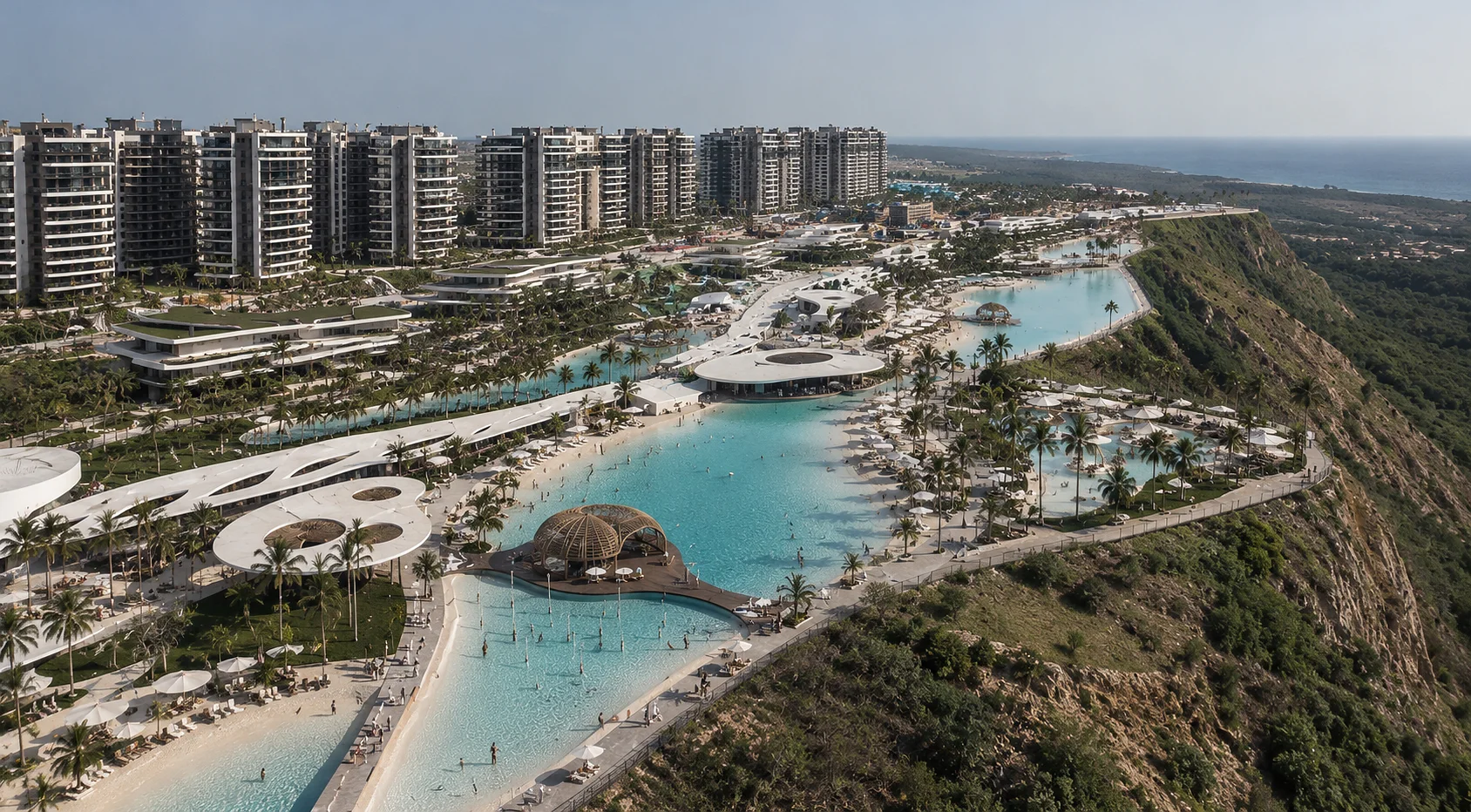
Spanish developer CLERHP reports US$410m in Caribbean property sales as profits return
-
Britain launches first major study into ‘forever chemicals’ lurking in our bodies
-
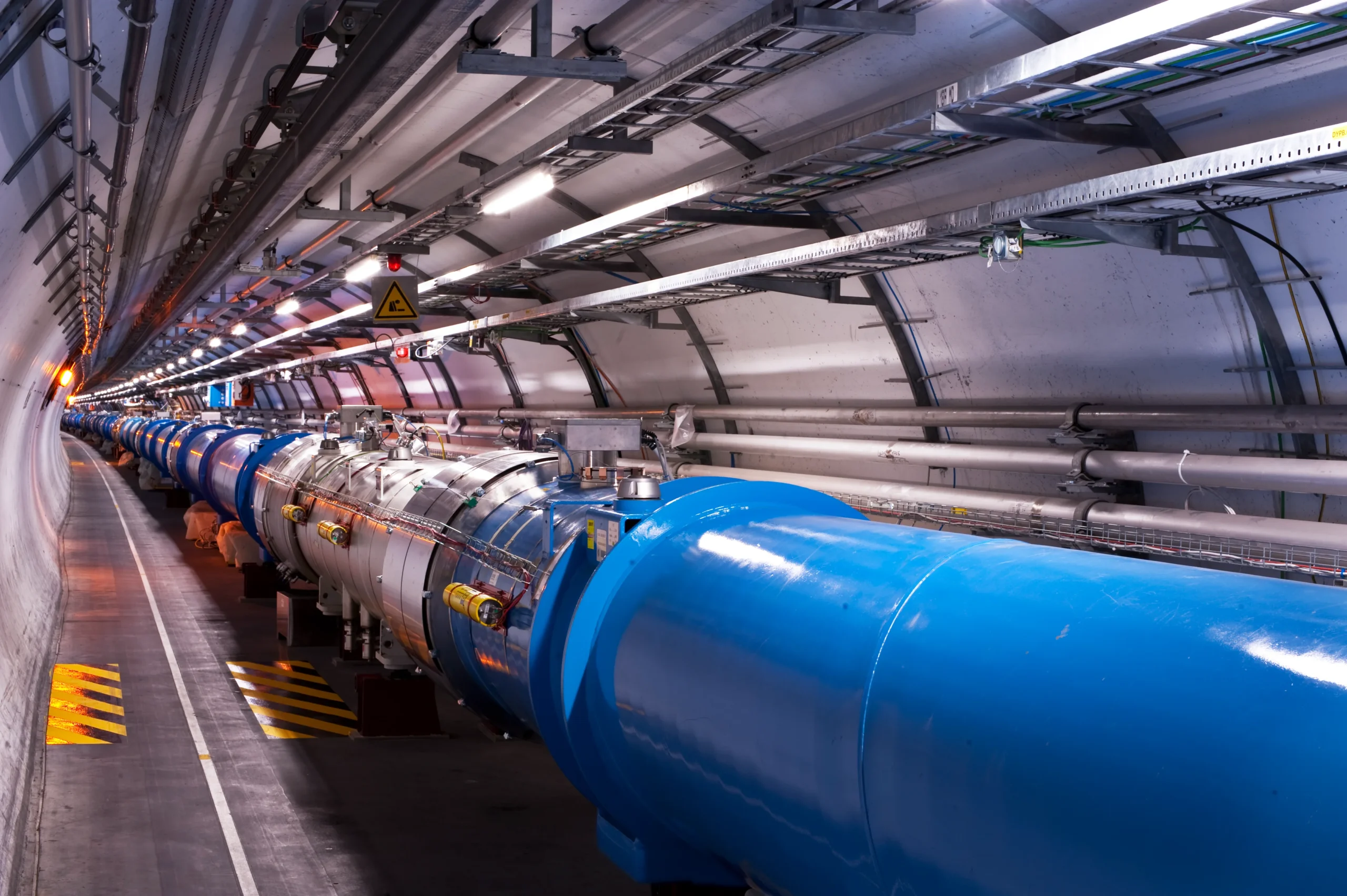
Scientists close in on mysterious ‘zeptoverse’ after 40-year hunt for ultra-rare particle
-
Cambodia offers free sightseeing tours to stranded Villa Vie Odyssey passengers
-
Bahrain lands $3.9bn investment deal with DHL, AirAsia and hotel giant Meliá
-
Binance customers pull $3.6bn from crypto giant after record-breaking heist
-
European bosses pocket 12 per cent pay rise as earnings gap with workers widens
-
Businesses buying AI faster than they can make it pay, Manchester research finds
-
Millions face ID and facial scans to use social media under UK age ban
-
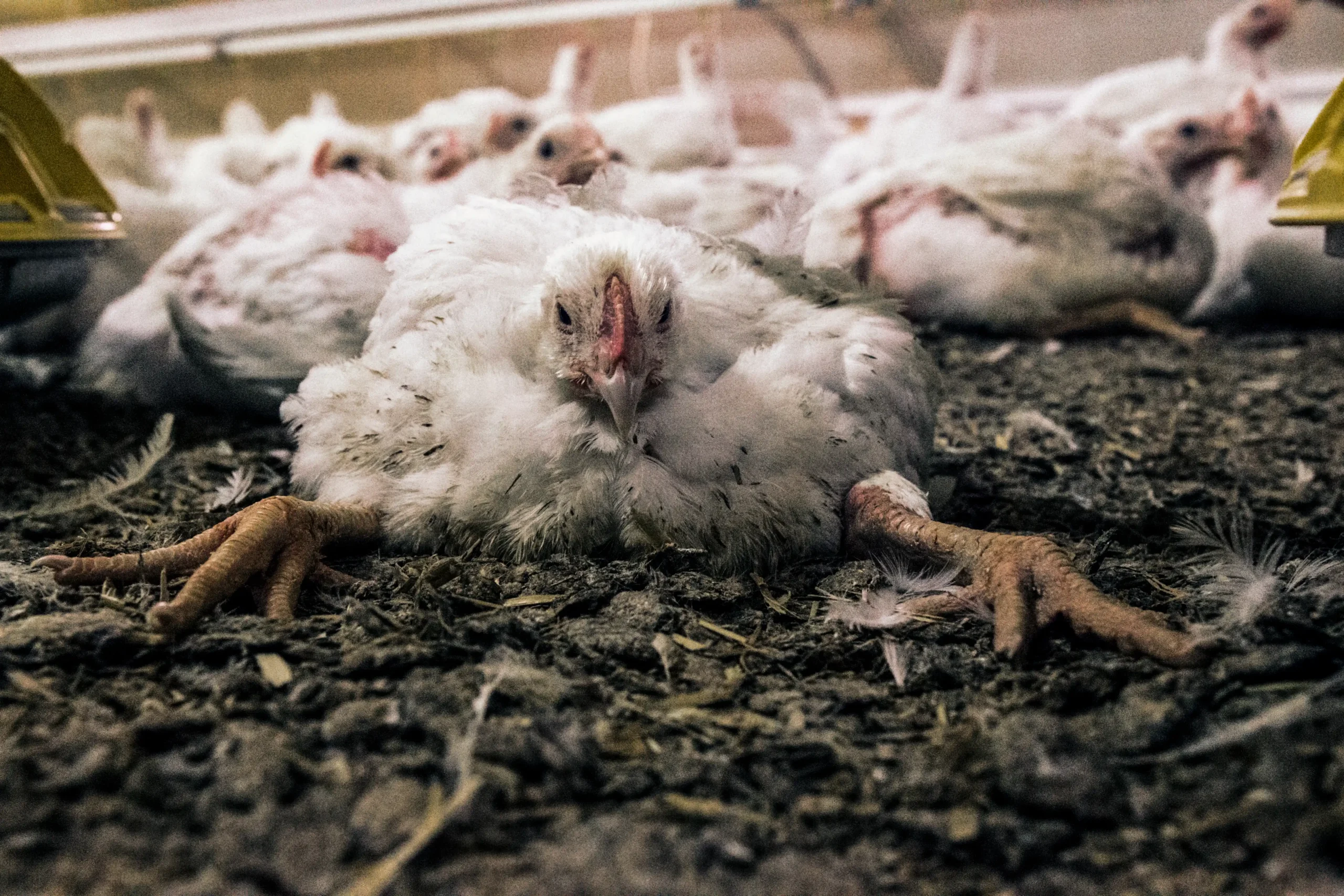
Denmark moves to ban ‘frankenchickens’ as UK faces calls to follow suit
-
Jaguar Land Rover cyberattack was state-sponsored, former UK minister claims
-
AI could 'help pharmaceutical companies spot clinical trial problems before they escalate'
-
Raining cats and dogs? Brits have 17 ways to describe a downpour – and some are downright bizarre
-
Rare jewellery returns to Japan after 50 years as German museum lends historic treasures to Kyoto
-
Dan Brown drops tantalising hint about where his next thriller could be set
-
Anthropic warns AI could pose ‘existential risks’ as it files for stock market flotation
-
North Korean agents are infiltrating Western businesses by posing as employees, security chief warns
-
Route 66 turns 100 next month – and there’s never been a better excuse for Europeans to hit the road
-
Serbia erupts in celebration as student protesters end Vučić’s 14-year grip on power
-
Two killed as Storm Boelo batters Britain with 85mph winds and leaves 90,000 homes without power
-
Man arrested on suspicion of arson after fire destroys Hitler’s Eagle’s Nest retreat
-
Britain faces higher winter energy prices as reliance on European electricity imports grows