Britain faces higher winter energy prices as reliance on European electricity imports grows

John E. Kaye
- Published
- News, Sustainability

Official forecasts warn that rising gas prices, depleted European reserves and disruption to Middle Eastern supplies could keep electricity costs elevated this winter, despite assurances that Britain will have enough power to meet demand
Britain faces another winter of high energy costs as wholesale electricity prices rise above those in France and the country prepares to rely on imports to meet demand, according to a new official forecast.
The National Energy System Operator (NESO) expects the UK to be a net importer of electricity throughout winter 2026–27, with higher gas prices and disruption to global energy supplies adding pressure to European markets.
Its latest Winter Outlook warns that conflict in the Middle East has restricted liquefied natural gas (LNG) shipments through the Strait of Hormuz, driving up gas and electricity prices at a time when European gas reserves are unusually low.
The report says: “Wholesale prices for Great Britain are in line with other major European markets and trading at a premium to France. This, together with interconnector capacity auction results, suggests an overall import bias this winter.”
Electricity is traded between Britain and neighbouring countries through undersea cables, with supplies generally flowing towards markets offering higher prices.
NESO expects Britain to import electricity from France during much of the winter, with more variable flows between Britain, Belgium and the Netherlands. Electricity is expected to continue flowing from Britain to Ireland and Northern Ireland under typical conditions.
The report says electricity prices have risen over recent months as higher gas costs feed through to wholesale power markets. Prices remain below the peaks recorded in 2022 following Russia’s invasion of Ukraine.
European gas storage levels are also adding to concerns about the coming winter. According to NESO, storage facilities across the European Union were only 72 per cent full on 30 September, 11 percentage points below the same period last year and 17 percentage points below the ten-year average.
The figure was also slightly below the lowest level recorded for that point in the previous decade, with the report warning that the EU’s target of filling storage to 80 per cent by 1 December was unlikely to be achieved.
A cold winter or further disruption to global gas supplies could increase competition for LNG cargoes, adding volatility to electricity prices across Europe.
NESO warns: “As Europe has entered winter with lower-than-normal gas storage levels, the volume of liquefied natural gas (LNG) required over the winter in Great Britain and Europe could vary widely.”
Other pressures include unusually low hydroelectric reserves in southern Norway, where reservoir levels have remained below their ten-year minimum since late July.
The region supplies electricity to Britain through the North Sea Link interconnector. NESO expects imports from Norway to remain available when needed, although the direction of electricity flows could vary more than last winter.
The outlook also identifies uncertainty surrounding power generation in France, where nuclear reactor availability remains important to electricity supplies across interconnected European markets.
Despite the pricing concerns, the system operator says Britain should have sufficient electricity to meet demand throughout the colder months.
Its central forecast shows a reserve margin of 5.9 gigawatts, equivalent to 9.5 per cent of expected peak demand during an average cold spell. That compares with 6.1 gigawatts, or 10 per cent, forecast ahead of last winter.
Increased capacity from battery storage, gas-fired power stations and wind generation is expected to offset much of the rise in electricity demand.
NESO says: “Our analysis indicates that margins will be adequate, within the Reliability Standard and comparable to recent winters.”
However, the report warns that periods of particularly high demand and low renewable generation could require additional measures to keep the electricity system balanced.
The greatest pressure is expected during December and January, excluding the Christmas period, when cold weather, low wind output or unexpected power station outages could reduce spare capacity.
NESO says the likelihood of available supply falling below its normal reserve requirement remains low on any given day, at less than two per cent.
The operator has arrangements to call for additional electricity supplies and manage cross-border trading during periods of pressure.
Kayte O’Neill, NESO’s chief operating officer, said in the report that geopolitical uncertainty and disruption to global energy markets had made preparation particularly important.
“Growing global threats, geopolitical volatility and energy market disruption highlight the importance of energy security and whole system resilience, which remain at the forefront of NESO’s priorities.”
READ MORE: Europe’s solar boom set for two-year slowdown after record growth. Installations are expected to decline in 2026 and 2027 before growth resumes as the industry turns increasingly to batteries, EV charging, heat pumps and AI-controlled energy systems.
Do you have news to share or expertise to contribute? The European welcomes insights from business leaders and sector specialists. Get in touch with our editorial team to find out more.
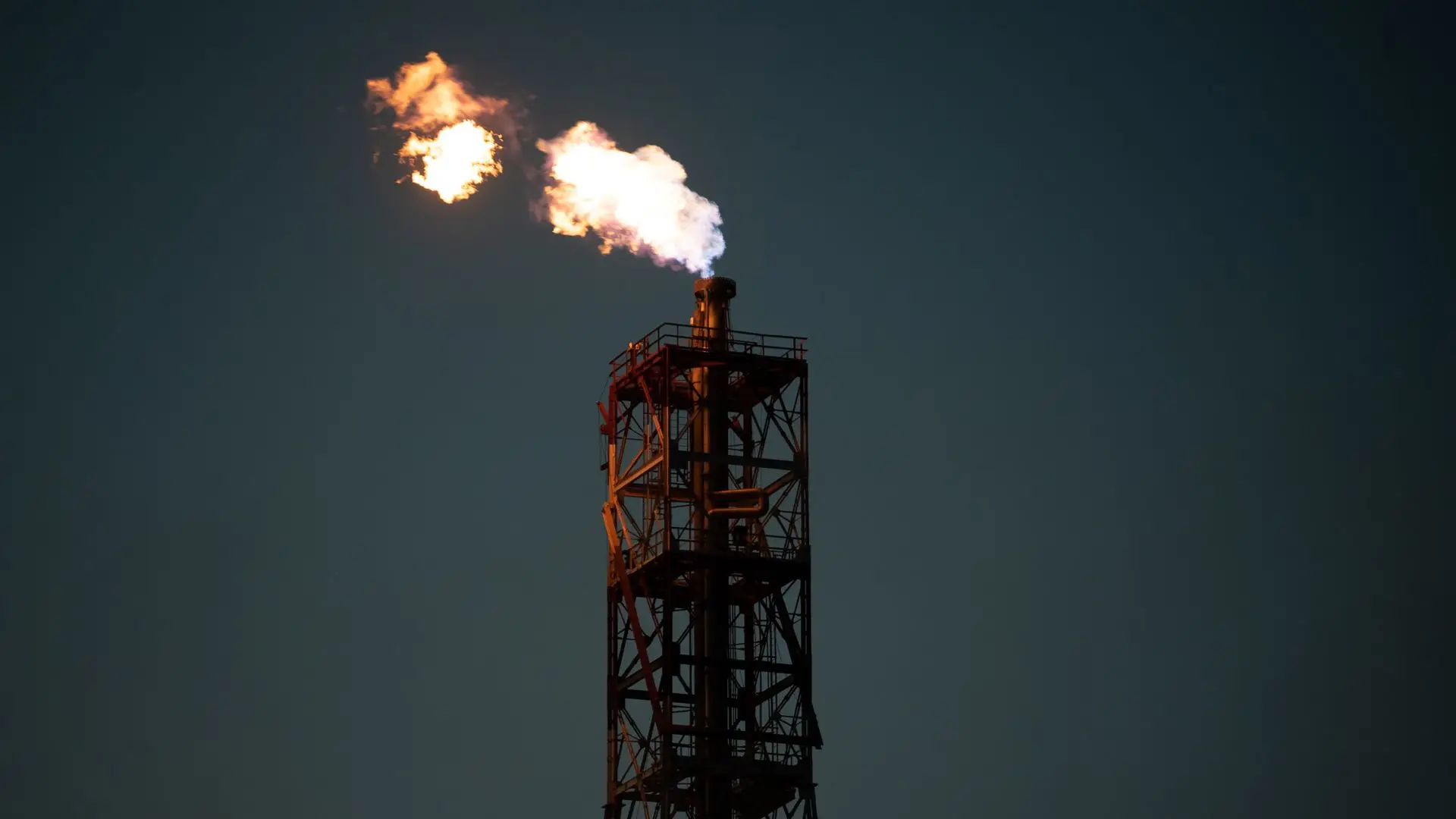
Main image: Britain faces another winter of high energy costs as rising wholesale prices and low European gas reserves increase pressure on electricity markets. Official forecasts suggest the country will rely on power imports from Europe, although supplies are expected to remain sufficient to meet demand. Credit: Altaf Shah via Pexels
TOP STORIES
-
 Britain faces higher winter energy prices as reliance on European electricity imports grows
-
Andy Burnham to make special Gogglebox appearance for Stand Up To Cancer
-
WPSL Golf targets £120 million valuation as billionaire-backed corporate deals and other commercial deals drive explosive global growth
-
Hackers could bring Britain’s essential services to a standstill, security chief warns after global website shutdowns
-
We're talking to almost twice as many people on the phone as a decade ago, study finds
-
TalkTalk sells majority stake in Telecom Acquisitions as founder Nigel Barnett regains control
-
Company closures soar ahead of tax rises as new Budget looms
-
Russia takes control of more European corporate assets amid Ukraine tensions
-
EU leaders resist calls to delay carbon rules as energy costs soar
-
‘A big step forward’ – PM Andy Burnham hails plans for Great British Railways HQ in Derby
-
UK economy grows just 0.1 per cent as construction falls and services stall
-
Germany risks losing €155bn a year under tighter AI data rules, new study warns
-
Pope Leo XIV diagnosed with lung cancer after surgery in Rome
-
France faces freezer meltdown as hackers strike supermarket chains
-
Bumble shares soar 50% amid $1bn takeover talks
-
China slump drives Volkswagen to sharpest quarterly fall in more than four years
-
Hollywood mega-powerhouse created as Paramount completes Warner Bros Discovery takeover
-
Gamers face gridlock as latest Grand Theft Auto download 'nears two days'
-
Samsung profits soar ninefold to record £61bn amid AI chip boom
-
New Springer books put the UN’s struggling sustainability goals to the real-world test
-
Europe’s solar boom set for two-year slowdown after record growth
-
Let it pea. Musicians turn vegetables into instruments at Beatles' Abbey Road studios
-
Golden naked Trump statue unveiled at European Parliament
-
Jaguar puts controversial rebrand on the road with £130K 1,030PS Type 01
-
Deepfakes and identity fraud drive new wave of post-hire background checks