Europe adds enough new wind power for 7m homes as record year beckons

John E. Kaye
- Published
- News, Sustainability
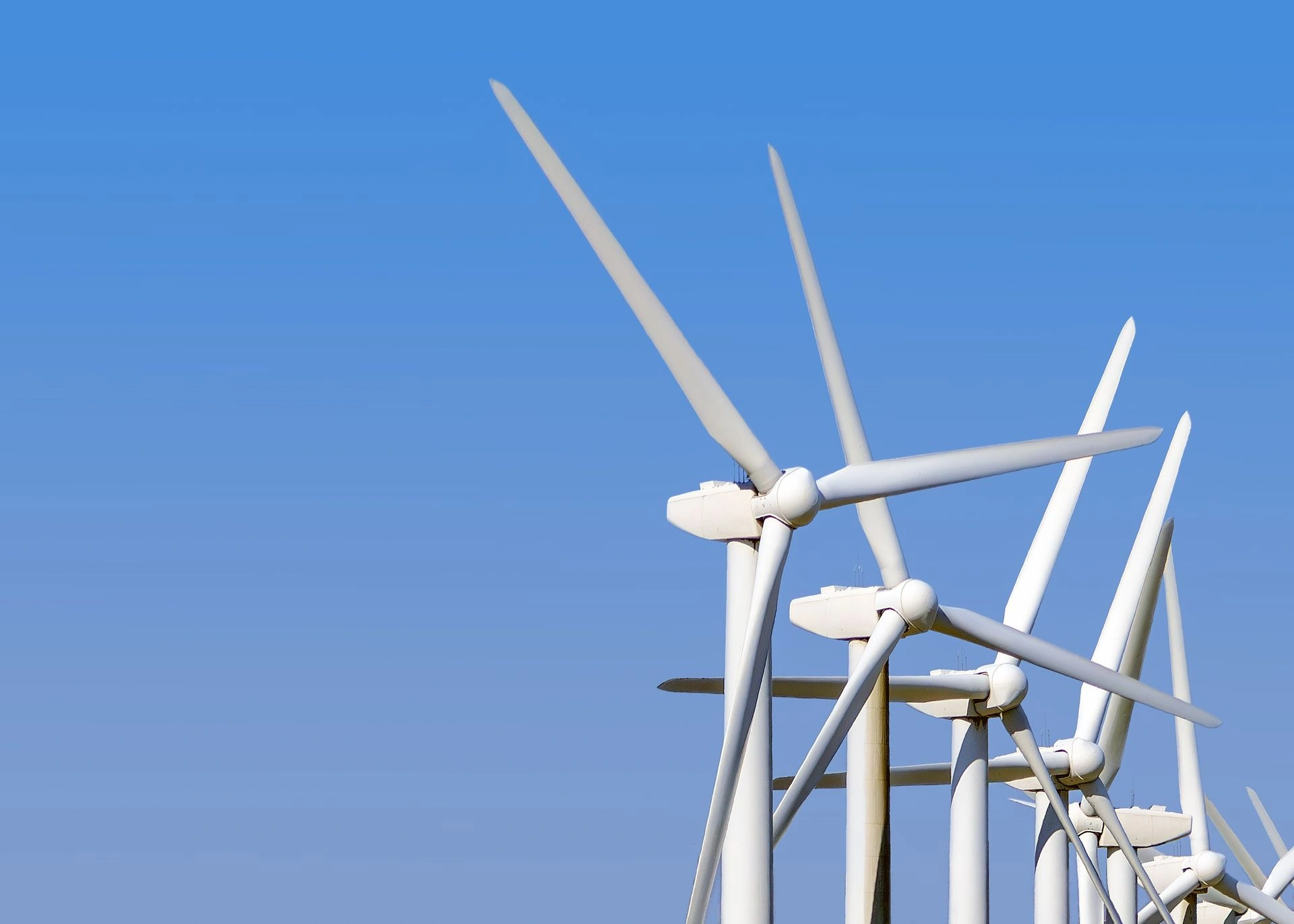
New turbines capable of replacing fossil-fuel imports equivalent to 25 LNG tankers a year were installed in the first half of 2026 – but industry leaders warn planning and grid delays could halt the boom
Europe installed enough new wind power in the first half of this year to generate electricity for around seven million homes as the continent heads towards a record year for new turbines.
Some 8.8 GW of capacity was added between January and June, 30 per cent more than during the same period in 2025, with Germany responsible for 3.4 GW of the total.
Industry group WindEurope now expects 24 GW to be installed across Europe by the end of 2026, putting the industry at the beginning of an anticipated expansion towards consistently installing around 30 GW a year during the 2030s.
The new turbines installed during the first six months could generate enough electricity for around seven million European households and replace fossil-fuel imports equivalent to 25 LNG tankers each year, according to the industry body.
Investment is also continuing to flow into future projects. Around €9bn was committed to new wind farms during the first half of the year, while national governments awarded more than 17 GW of capacity through auctions and are expected to tender another 26 GW before the end of 2026.
But WindEurope warns that the momentum could be broken unless governments address problems around permitting, grids and electrification.
Permitting volumes fell in several major markets, including Spain, France, the UK, Italy and Ireland, even as Germany approved more than 9 GW of new onshore wind during the first six months.
Tinne Van der Straeten, WindEurope’s chief executive, said: “2026 may well be a record wind year. But we can’t take that momentum for granted. Just when we need wind the most to boost Europe’s economic resilience, permitting volumes are down in key markets.
“Government decisions on permitting, auctions, grids and electrification in the coming months will make or break this momentum.”
Germany led new installations during the first half, but capacity additions were also significantly higher in Denmark, Poland, Portugal and France.
Ukraine installed more than 400 MW despite the continuing war.
WindEurope expects Europe to have 436 GW of wind capacity installed by 2030, including 342 GW within the European Union, representing 27 per cent of EU electricity demand.
Such capacity would be capable of supplying 27 per cent of the bloc’s electricity demand by the end of the decade, according to WindEurope’s latest forecast.
Germany is also being held up by the organisation as an example of what can happen when governments implement EU permitting rules.
More than 9 GW of new onshore projects received permits there during the first half of 2026, putting the country on course for another record year for approvals.
WindEurope wants similar progress elsewhere and is calling for EU permitting rules to be agreed and implemented so projects can move more quickly towards grid connection.
It also wants governments to accelerate investment in electricity networks and clear queues of projects waiting to connect.
Other proposals include directing revenues from the EU Emissions Trading System towards industrial electrification, establishing a binding renewable-energy target for 2040 and making greater use of two-sided Contracts for Difference in renewable-energy auctions.
The organisation argues that those decisions will determine whether the momentum expected in 2026 can be maintained into the 2030s.
READ MORE: Germany could run on full renewables by 2045, study reveals. Fraunhofer analysis says solar, batteries, hydrogen storage and flexible demand can provide reliable low-carbon electricity.
Do you have news to share or expertise to contribute? The European welcomes insights from business leaders and sector specialists. Get in touch with our editorial team to find out more.
Main image: Wind turbines across Europe are set to generate record levels of new capacity in 2026, with 8.8 GW installed in the first half of the year alone. Credit: Thomas Parker / Pexels
TOP STORIES
-
 Europe adds enough new wind power for 7m homes as record year beckons
 -
Scotland’s £19bn food and drink industry faces ‘cliff edge’ as costs squeeze businesses
-
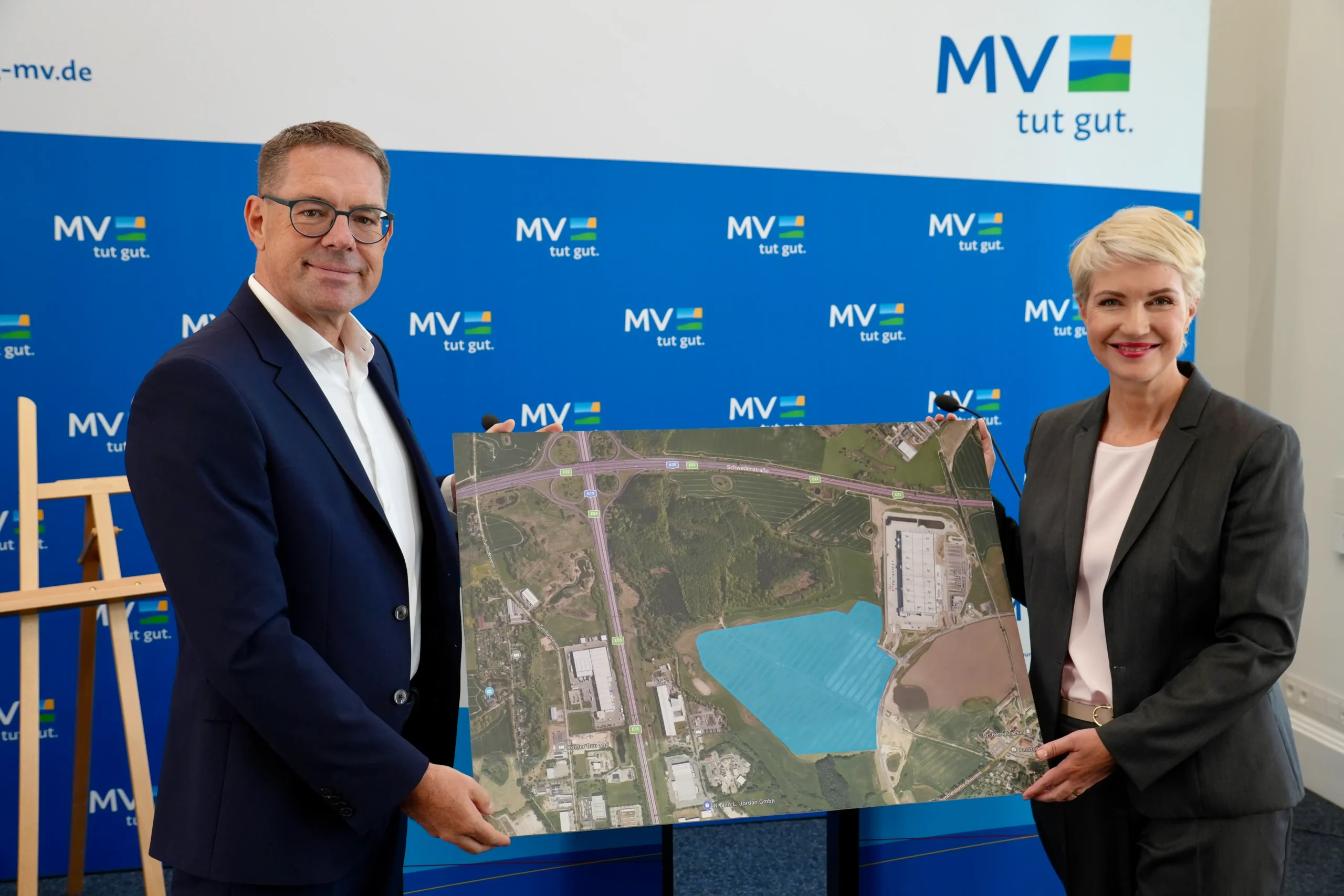
Lidl owner plans €5.6bn data centre as Germany pushes digital independence
-
AI could make it easier for citizens to have their say, study finds
-
Hidden workplace chemical risks come under spotlight as experts turn to skin exposure
-
Cyber attack hits Manchester, Stansted and East Midlands airports as customer data stolen
-
New global map reveals 800 businesses trying to cut plastic waste
-
LEGO sales soar 22% amid World Cup, F1 and Star Wars push
-
Japan switches on its first full-stack neutral-atom quantum computer
-
Britons flock to Greece as tourist numbers jump 15%
-
Sudan’s children get $22m education lifeline ahead of Geneva funding conference
-
Robot beats Usain Bolt’s 100m record at Beijing games
-
Royal Mail posts another target miss
-
New AI master’s aims to turn non-tech graduates into business leaders
-
New direct flights from Paris and Athens open easier route to Alaska
-
Robots that work, play and even tackle the laundry go on show in Beijing
-
Six young sea eagles released on Exmoor after 200-year absence
-
More than half of US travellers now use AI to plan holidays
-
Could wild swimming and camping help reverse Britain’s outdoor play decline?
-
Israeli genomics firm opens easier route to AI system for NHS labs
-
European investors can now trade thousands of US stocks through Kraken
-
Healthcare AI plans hampered by spreadsheets and legacy systems
-
Women form tighter workplace friendships than men, study finds
-
Children now nearly 11 before being allowed to play outside alone
-
Ex-Lenovo executive Sabine Hammer to lead Infinigate’s DACH business