Sudan’s children get $22m education lifeline ahead of Geneva funding conference

John E. Kaye
- Published
- News
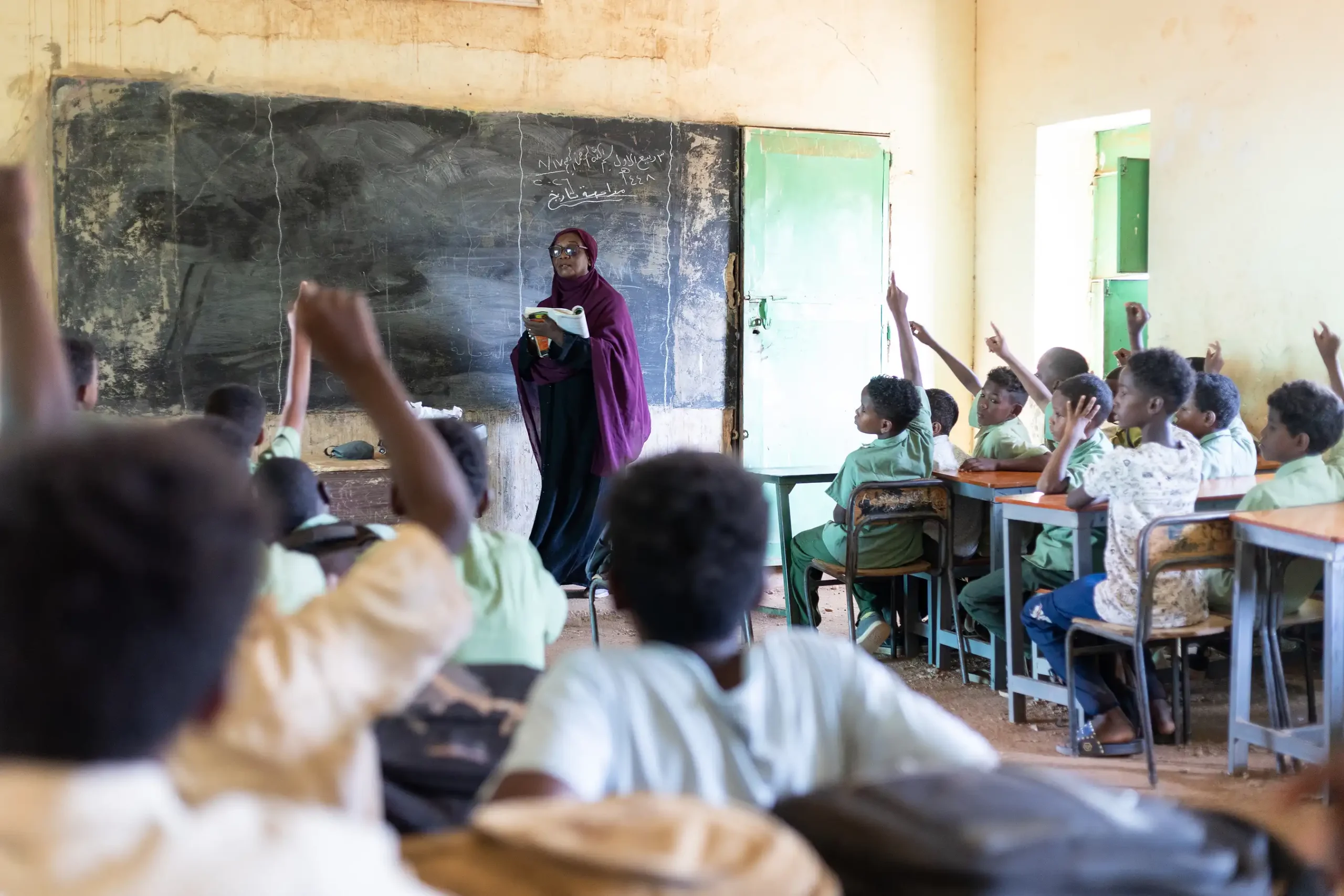
Nearly 200,000 young people will be helped back into learning as around eight million Sudanese children remain out of school after more than three years of war
Nearly 200,000 children and teenagers affected by the war in Sudan are to receive help returning to education under a new $22m programme, ahead of a major international fundraising conference in Geneva later this year.
A new three-year, $22m programme will operate in West Darfur, South Kordofan and Gedaref, where conflict and displacement have left huge numbers of children without regular access to classrooms.
Around eight million children – almost half of Sudan’s 17 million school-age population – remain out of school, while some have missed almost 500 days of learning.
Many schools remain closed or unable to operate after more than three years of fighting, which has forced about 14 million people from their homes and left 33.7 million needing humanitarian assistance.
The programme will provide formal and non-formal education alongside mental health and psychosocial support, teacher training and learning materials.
It will focus particularly on displaced children, refugees and vulnerable local communities, with at least 60 per cent of those reached expected to be girls and 10 per cent children with disabilities.
Some $5m will be set aside for rapid responses to emerging emergencies and climate-related shocks.
The $22m programme is being funded by Education Cannot Wait, the global fund for education in emergencies, and will be delivered by Save the Children alongside Plan International, LM International and Sudanese organisations Alsalam Organisation for Relief and Development and Sadagaat.
Almost 48 per cent of the budget will go to national and local partners.
Maysa Jalbout, of Education Cannot Wait, the global fund providing the initial investment, said: “Education in Sudan has been interrupted by conflict, displacement and unimaginable hardship.
“Yet it remains one of the most powerful tools we have to protect millions of children, restore hope and support recovery.
“This investment is about much more than reopening classrooms. It is about supporting children to regain a sense of safety and normalcy while strengthening education systems that can continue serving communities through crisis and into recovery. Sudan’s children cannot wait.”
The $22m represents initial funding towards a programme expected to require $39m in total, meaning another $17m still needs to be raised.
Francesco Lanino, deputy country director for Save the Children, said: “For millions of children in Sudan, conflict and displacement have disrupted not only their education, but also their sense of safety, routine and hope for the future.
“Access to safe, quality education is a fundamental right and one of the most effective ways to protect children and support their recovery during times of crises.”
The Sudan programme comes as a wider international campaign seeks to raise $600m to provide education for 10 million children living through some of the world’s most severe crises.
Latest estimates suggest 258 million school-age children and adolescents across 87 countries now have their education disrupted by conflict, displacement and other emergencies.
The campaign is being run ahead of Education Cannot Wait’s High-Level Replenishment Conference in Geneva on 5 November, hosted by Switzerland.
READ MORE: Education in crisis: the new architecture of learning. In a world reshaped by technology, geopolitical instability and rapid cultural change, traditional assumptions about how children should be educated are under growing strain. Here, Evgenia Lazareva and Valeriya Epifanova of Collab Education argue that the families best equipped for this moment will approach education as a lifelong strategy, shaped with intention from the start.
Do you have news to share or expertise to contribute? The European welcomes insights from business leaders and sector specialists. Get in touch with our editorial team to find out more.
Main image: Children participate in a classroom lesson in Sudan, where communities are working to restore access to safe, quality education amid the ongoing conflict. ©UNICEF/Eslam Elkhair
TOP STORIES
-
 Britons flock to Greece as tourist numbers jump 15%
 -
Sudan’s children get $22m education lifeline ahead of Geneva funding conference
-
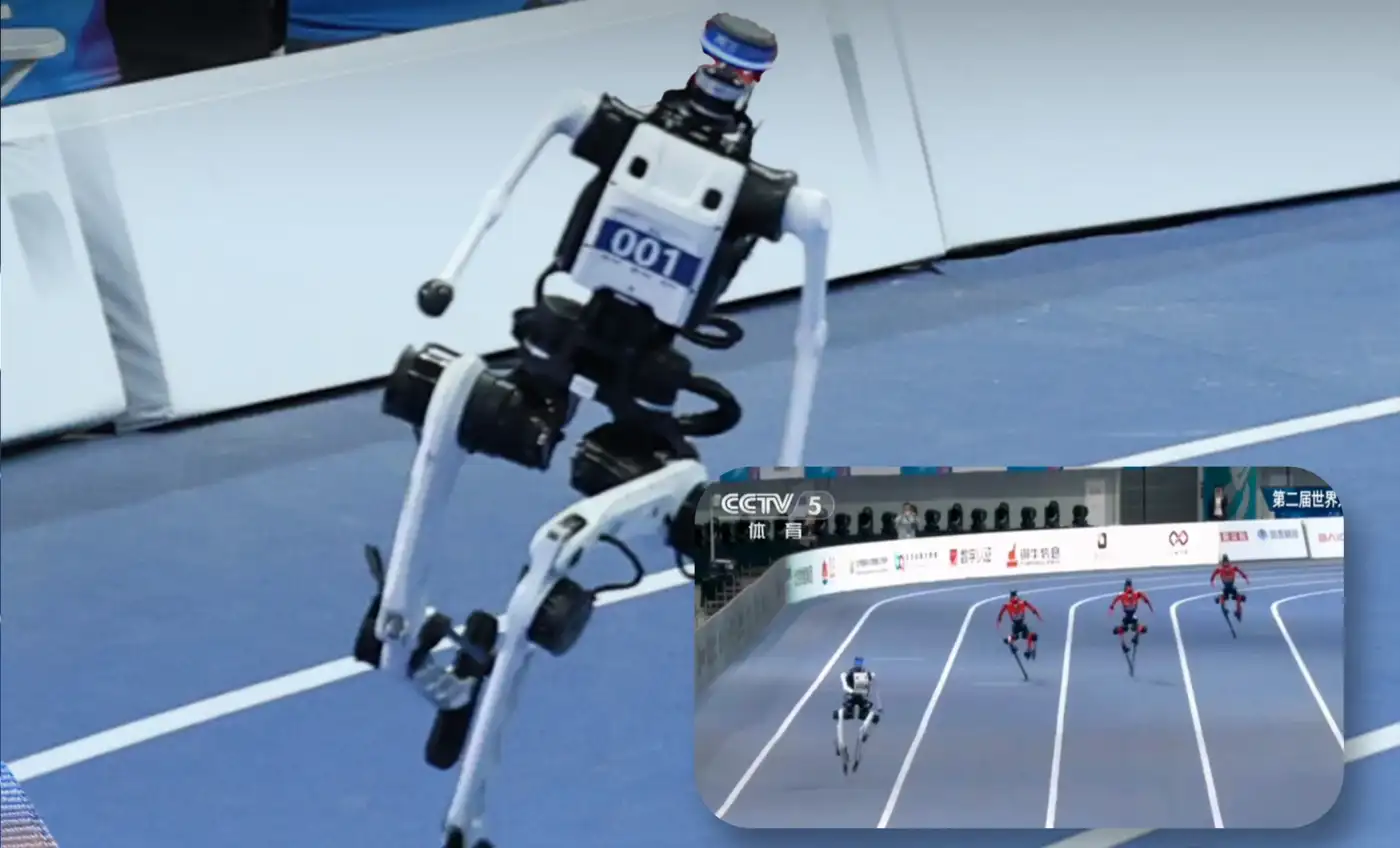
Robot beats Usain Bolt’s 100m record at Beijing games
-
Royal Mail posts another target miss
-
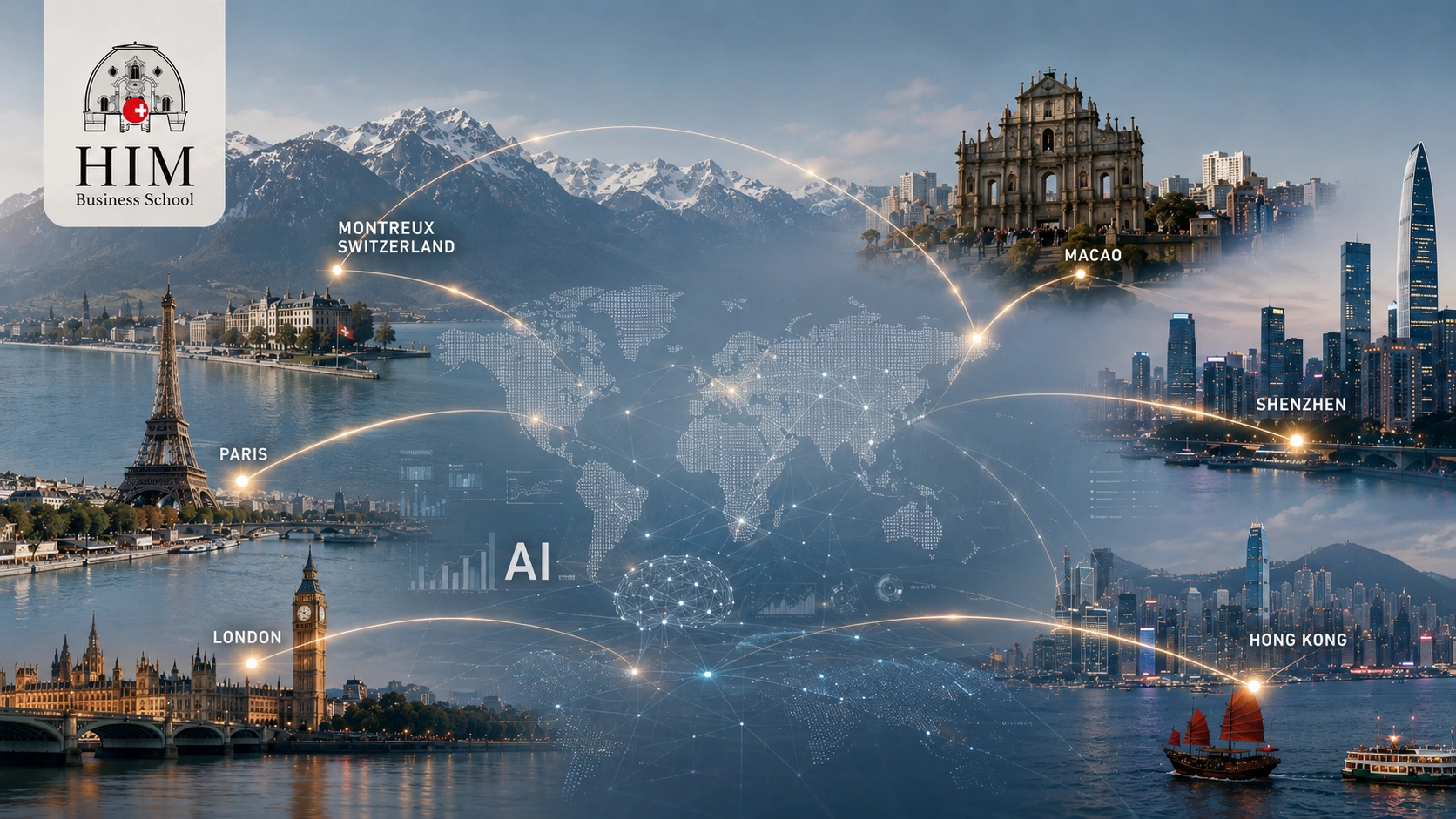
New AI master’s aims to turn non-tech graduates into business leaders
-
New direct flights from Paris and Athens open easier route to Alaska
-
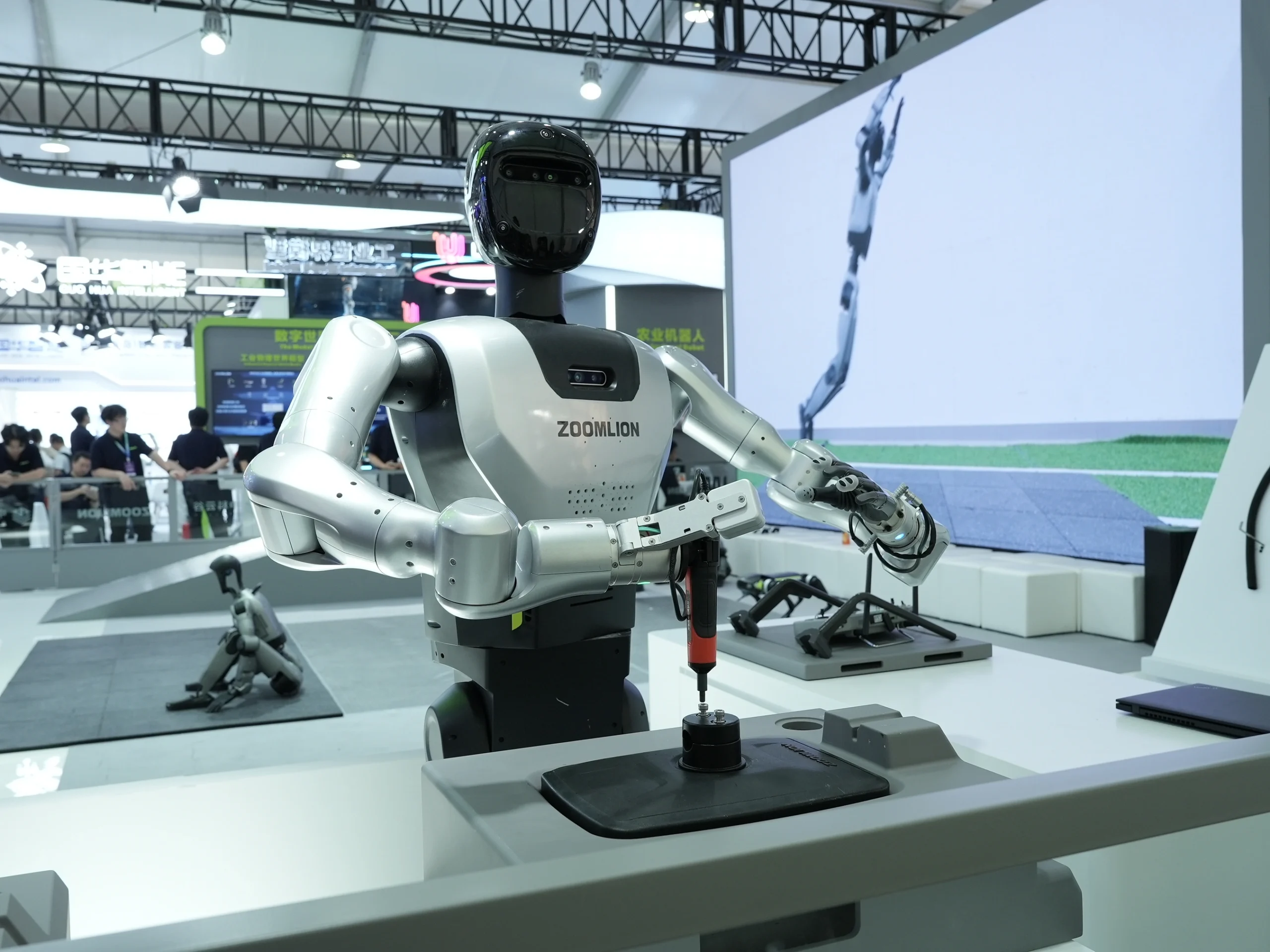
Robots that work, play and even tackle the laundry go on show in Beijing
-
Six young sea eagles released on Exmoor after 200-year absence
-
More than half of US travellers now use AI to plan holidays
-
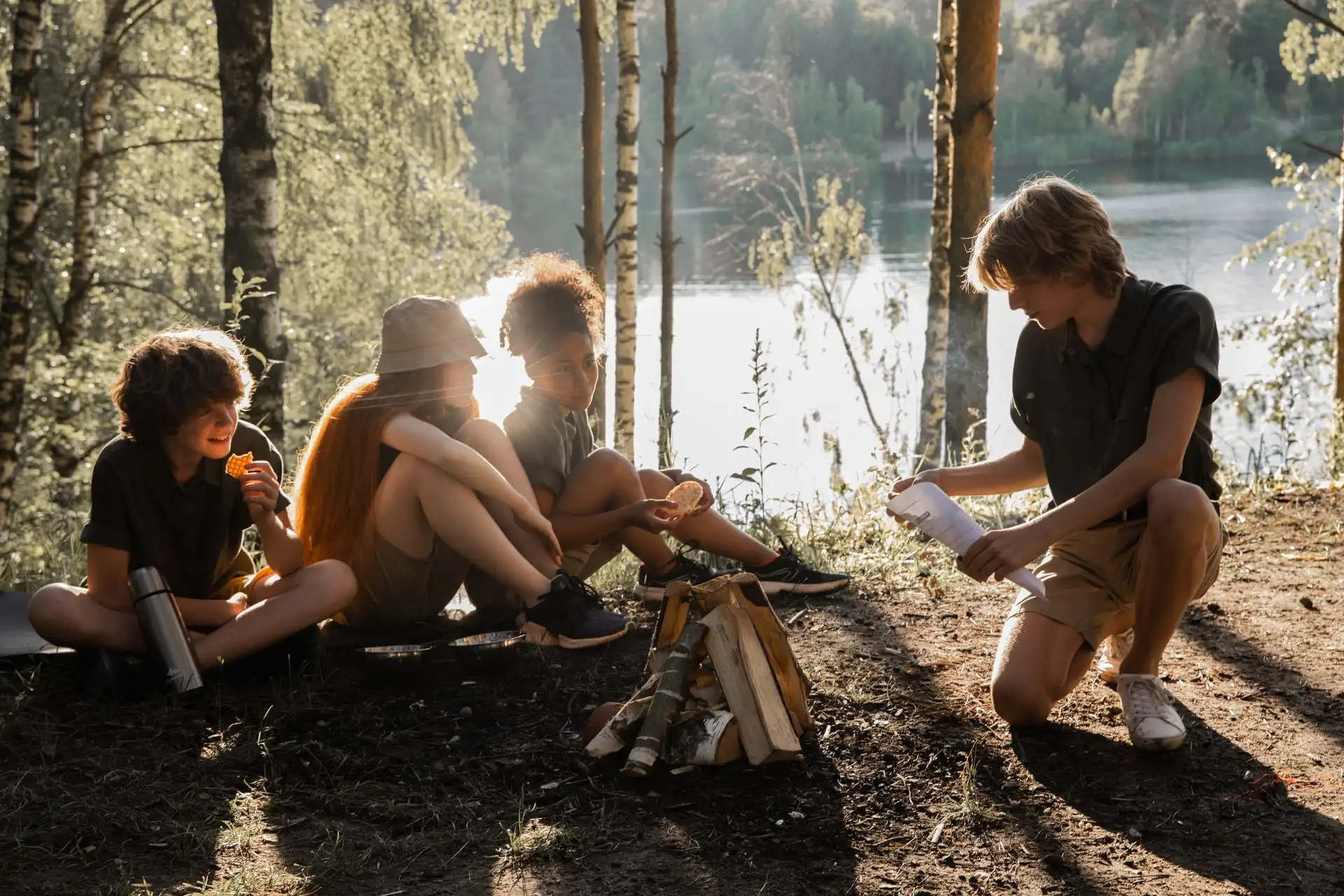
Could wild swimming and camping help reverse Britain’s outdoor play decline?
-
Israeli genomics firm opens easier route to AI system for NHS labs
-
European investors can now trade thousands of US stocks through Kraken
-
Healthcare AI plans hampered by spreadsheets and legacy systems
-
Women form tighter workplace friendships than men, study finds
-
Children now nearly 11 before being allowed to play outside alone
-
Ex-Lenovo executive Sabine Hammer to lead Infinigate’s DACH business
-
Ferrari’s first electric car sells for record US$40m
-
Richard Branson's Virgin Trains gets green light for up to 20 daily Channel services
-
Could this be the future of cheap flying? World’s largest electric aircraft uses just $5 of power
-
Banks face calls for ban on ‘dangerous’ AI
-
No eclipse glasses? How to watch tonight’s spectacle without risking your sight
-
EXPO REAL adds infrastructure as property investors seek safer long-term returns
-
ESA creates artificial eclipses to predict tomorrow’s real one
-
Firms with political pals ‘get away with greenwashing’
-
NVIDIA teams up with Wall Street giants in $500bn push to fund AI boom