Data platform migration is a highly complex process, typically requiring specialist teams and extended timelines. But now, the application of artificial intelligence at specific stages of migration projects is delivering significant reductions in time, cost and uncertainty
For many organisations, the challenge is familiar: legacy systems still run critical business processes, yet pressure to modernise has never been greater. Migrating decades of embedded logic, undocumented transformations, and tightly coupled processes is often slow, costly, and risky. AIMi, part of the Orbitae AI Elements from SDG Group, aims to change that.
An answer to a persistent problem
AIMi is an AI-based migration tool designed to accelerate and standardise data modernisation projects. Launched last year, it is already in production with several SDG Group clients. Its dual goal is to generate clear, traceable documentation of existing systems and to use that insight to automate code creation for modern, scalable architectures.
Legacy migrations often rely on a shrinking pool of experts because documentation is incomplete or outdated. AIMi seeks to reduce timelines and errors by codifying both the logic and the intent of legacy systems.
Where AIMi fits in the data journey
AIMi is deployed when organisations need to move processes from legacy environments to modern platforms such as Databricks or Snowflake. It also plays a role earlier, helping teams understand and document ETL flows, data dependencies, and transformation rules to plan a robust migration strategy. By tackling both understanding and execution, AIMi enables a more controlled transition and informed architectural choices.
How it works: AI with humans in the loop

AIMi uses an agent-based architecture combining automated analysis with human expertise. Discovery Agents examine legacy code to extract structure, parameters, dependencies, and data flows, producing a human-readable ‘functional recipe’ describing how each process operates. Generation Agents then translate this recipe into code for the target environment – whether dbt models, PySpark, or any other target – ensuring the core business logic is preserved.
Crucially, engineers remain in the loop, reviewing assumptions, correcting interpretations, and guiding iterations to maintain accuracy, traceability, and explainability. Humans are kept in control of outcomes.
Modular, extensible, and future ready
The platform is modular, with connectors for specific source and target technologies. Current production-ready agents cover SAS, dbt, DataStage, and PySpark, with Qlik scripting in advanced development. New connectors can be added within weeks, making AIMi highly adaptable in a fast-changing tech landscape.
Beyond code: documentation and traceability
Alongside migrated code, AIMi produces comprehensive documentation, including lineage views, column mappings, transformation logic, and design decisions. This end-to-end traceability supports validation, auditability, and long-term maintainability – a growing priority in an era of heightened regulatory scrutiny and data governance requirements.
Towards industrialised migrations
By combining AI, structured workflows, and expert validation, AIMi represents a shift from artisanal, one-off migrations to industrialised, repeatable processes. It exemplifies Orbitae’s AI Elements strategy: embedding AI where it adds measurable impact while augmenting human expertise.
For organisations modernising their data landscapes, AIMi signals a future where migrations are faster, safer, and more intelligible than ever.
Further Information
Produced with support from SDG Group. To find out more about AIMi, data modernisation, and SDG Group’s broader AI and analytics capabilities, visit www.sdggroup.com
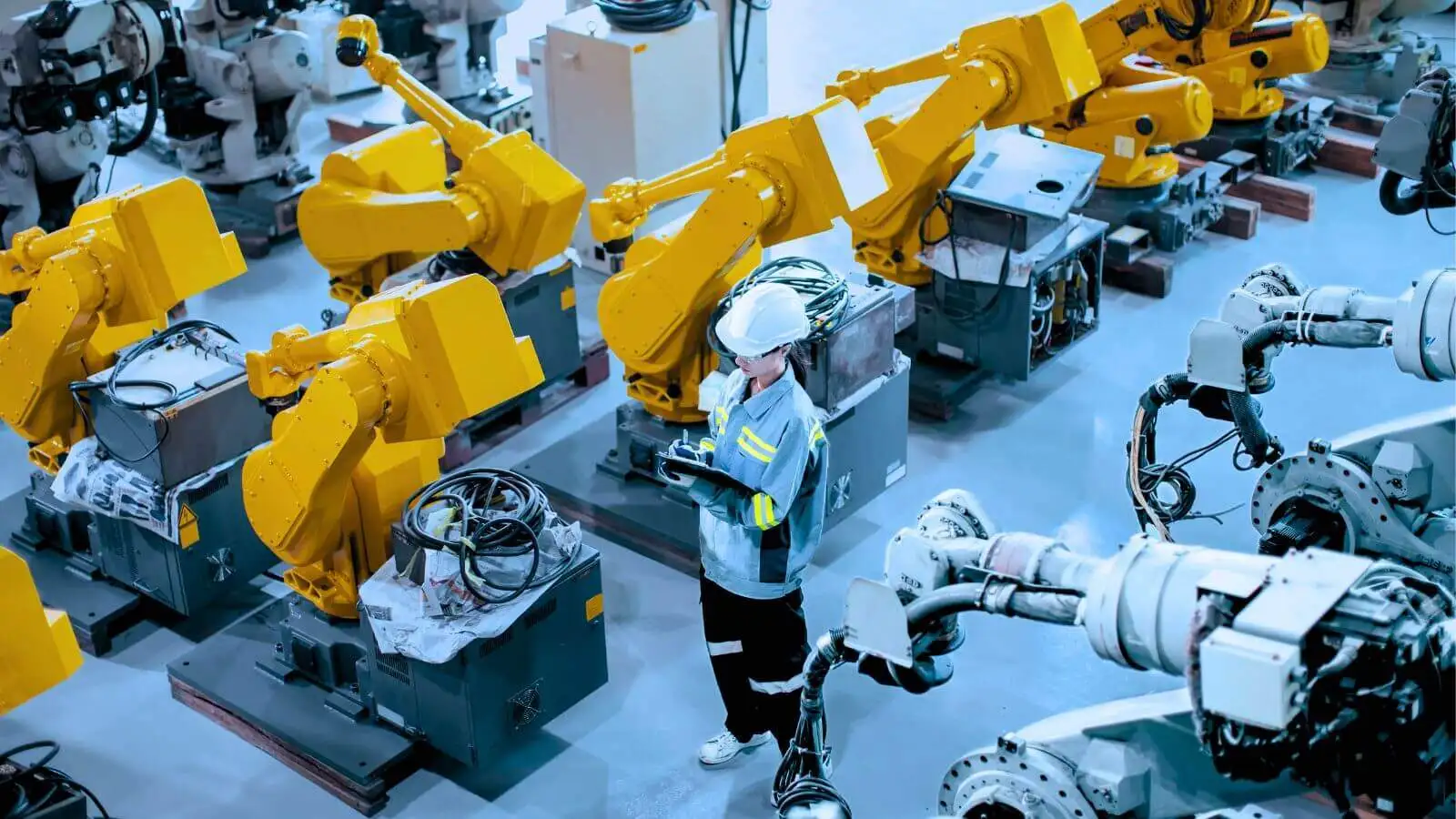
Main image: Many data migration projects begin with complex legacy infrastructure, where undocumented logic and tightly coupled systems can make modernisation slow and risky. Credit: Panumas Nikhomkhai/Pexels