
Firms ‘wasting AI’ by using it to speed up bad habits

John E. Kaye
- Published
- Artificial Intelligence, News, Technology, Videos
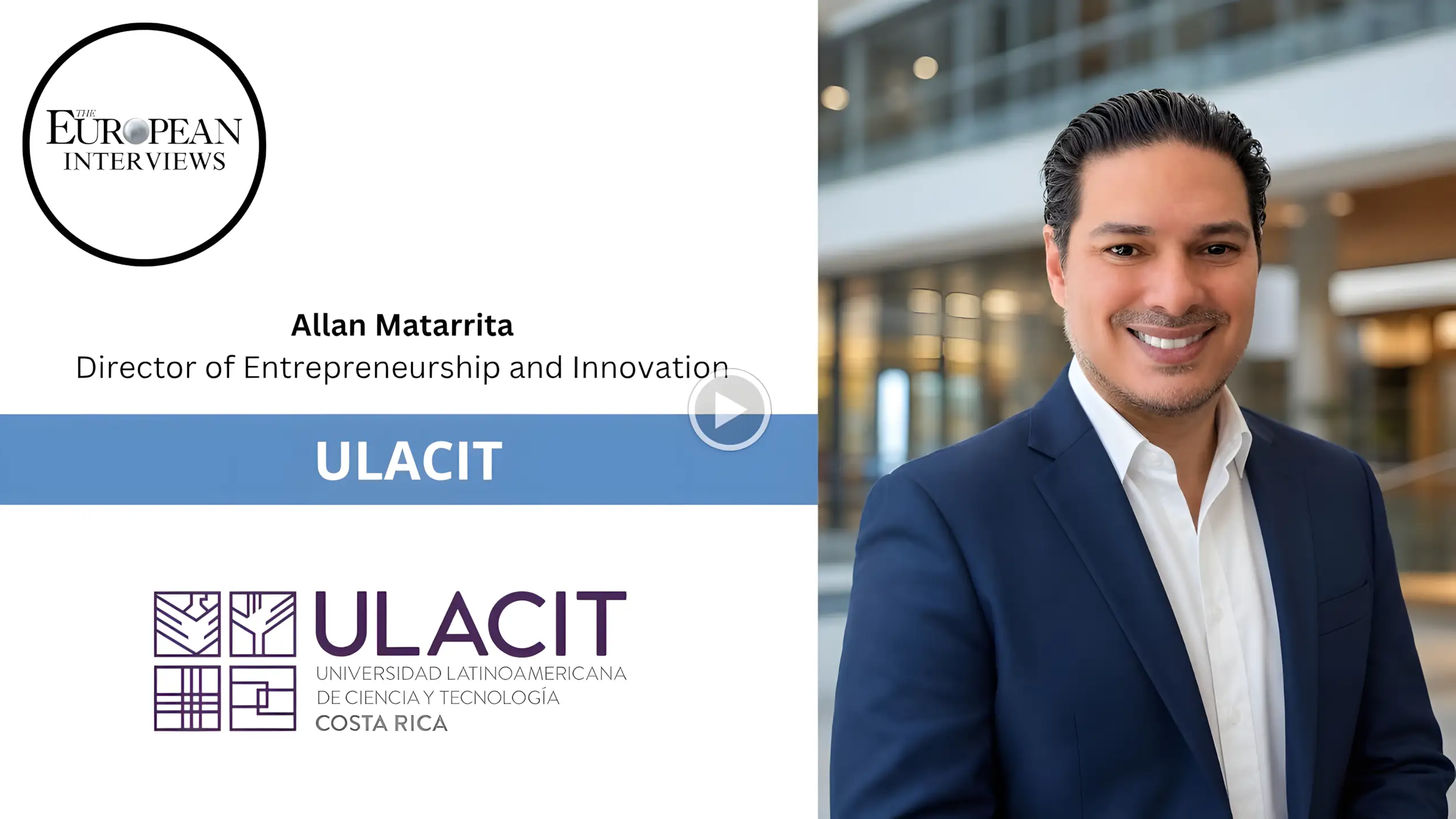
SDG Group’s Steve Crosson Smith says companies need to move beyond quick productivity wins and use AI to connect siloed data, expose bottlenecks and give leaders a clearer view of where to act
Businesses are failing to harness the full power of artificial intelligence by using it to speed up old ways of working instead of creating smarter ways to run their operations, experts have warned.
Steve Crosson Smith of SDG Group said many companies were still taking too narrow a view of AI, focusing on isolated productivity gains rather than better decision-making across the business.
Firms across Europe are applying it to fragmented systems, siloed data and old workflows instead of using it to connect information across the organisation and improve the decisions that follow.
Whilst this can help firms generate reports, dashboards and analysis more quickly, it does not give leaders a clearer view of where the real problems lie or what action they should take.
Crosson Smith said the greater opportunity lay in using AI to rethink how businesses function, from the way data is shared and interpreted to how decisions are made and work moves between teams.
In an exclusive interview with The European, he said businesses needed to move beyond a “legacy approach to data” and use AI to create a more joined-up view of their organisation.
This means looking beyond departmental KPIs and using AI to bring together information from different systems, teams and sources, so the wider commercial picture is not lost in separate pockets of data, he said.
Crosson Smith told Juliette Foster: “KPIs are still important, of course, but modern decision-making requires a much more holistic view of the company across all these data silos.
“A lot of companies are certainly applying AI to build personal productivity gains. But they’re not taking a step back and asking whether that personal productivity gain has a positive onwards impact on the overall end-to-end process.”
To tap into the full potential of AI, companies should instead look at the whole process, identify the bottlenecks and barriers holding it back, and use the technology to redesign how that process should work.
“Don’t just try and make individual parts of your processes go quicker. Take a step back and reimagine those processes as if those bottlenecks and barriers didn’t exist, then redesign them and use AI to power that redesign,” he added.
“That is where you really start to get significant benefit out of AI, when you start to reimagine how a process could work.”
Crosson Smith, SDG’s Head of Data Strategy, Governance and Architecture in the UK, linked the problem to the growing volume and complexity of data available to companies, with firms drawing on internal systems and external sources while still having to process, check and prepare that information before it can support proper analysis.
“Data doesn’t come out of these sources and source systems ready for analytics. It needs a degree of processing,” he said. To get real value from AI, companies needed “high-quality, trusted data” that was available quickly through a modern, scalable data platform.
AI could also help firms analyse information that was previously difficult to use at scale, including documents, videos and other unstructured material.
Its real commercial value, he said, lies in moving beyond raw figures into useful interpretation. SDG Group has developed InsightGen, an AI-powered platform designed to turn company data into usable business insight.
Crosson Smith said it could add narrative explanations to dashboards, generate reports automatically and act as “a consultant in conjunction with the human”, allowing non-technical staff to ask questions of company data in plain language.
“People are not looking for metrics, they’re not looking for numbers, they’re looking for insights,” he added. “Why did something happen? And most importantly, what can I do about it to mitigate a negative outcome or create a positive one?”
Looking ahead, Crosson Smith said businesses would increasingly move towards hyperautomation, where AI can make decisions and take action within agreed guardrails, including in areas such as procurement.
The next generation of AI-driven tools was also moving towards self-healing software that can diagnose problems, write and test code, and deploy fixes. He said: “That’s not science fiction anymore and its potential is enormous.”
Watch the full conversation with Steve Crosson Smith on The European’s YouTube channel.
VIEW MORE: UK exposed by cyber omission in Spring Statement as threats intensify, ISF chief warns. Ministers are being urged to divert funding to strengthen cyber resilience after the Spring Statement made no reference to the threat, as tensions in the Middle East and risks linked to Iran prompt fresh warnings to UK organisations.
Do you have news to share or expertise to contribute? The European welcomes insights from business leaders and sector specialists. Get in touch with our editorial team to find out more.
TOP STORIES
-
 Gamers face gridlock as latest Grand Theft Auto download 'nears two days'
 -
 Samsung profits soar ninefold to record £61bn amid AI chip boom
 -
New Springer books put the UN’s struggling sustainability goals to the real-world test
-
Europe’s solar boom set for two-year slowdown after record growth
-
Let it pea. Musicians turn vegetables into instruments at Beatles' Abbey Road studios
-
Golden naked Trump statue unveiled at European Parliament
-
Jaguar puts controversial rebrand on the road with £130K 1,030PS Type 01
-
Deepfakes and identity fraud drive new wave of post-hire background checks
-
Spain crowned Europe’s top retirement destination
-
More than half of UK professionals report workplace burnout
-
‘Ideas are worthless’ says Costa Rica startup expert as he calls on tenacious entrepreneurs to head for its ‘startup beach’
-
More than 1.2m English drivers may have eyesight too poor for the road, study finds
-
David Reuben, Britain’s second richest person, leaves London for Monaco
-
UK prisoner release plan faces a major lag as tougher rules risk sending inmates back to jail
-
Brits trust AI with their health but not their money
-
Britain still hungry for Italian food as exports hit €4.56bn despite Brexit
-
Women who earn more than their partners still pay the price at work, landmark study finds
-
Vape expectations go up in smoke as new UK tax sparks fury
-
Robot sales rocket 24% as 250,000 machines snap up jobs in warehouses, hotels and hospitals
-
New-build homeowners should not be left with ‘mud and a fence’, campaigners warn
-
Bank of England governor warns AI poses growing ‘increasingly significant’ threat to financial stability
-
UK economy grows faster than first thought as household incomes bounce back
-
UK unveils ‘Great British Grid’ in bid to cut energy bills
-
British Chambers unite against 'Made in Europe' rules amid fears for UK industry
-
Bouncy castle firms urged to sign new safety pledge following child deaths























Firms ‘wasting AI’ by using it to speed up bad habits
John E. Kaye
- Published
- Artificial Intelligence, News, Technology, Videos
TOP STORIES
-
Gamers face gridlock as latest Grand Theft Auto download 'nears two days'
-
Samsung profits soar ninefold to record £61bn amid AI chip boom
-
New Springer books put the UN’s struggling sustainability goals to the real-world test
-
Europe’s solar boom set for two-year slowdown after record growth
-
Let it pea. Musicians turn vegetables into instruments at Beatles' Abbey Road studios
-
Golden naked Trump statue unveiled at European Parliament
-
Jaguar puts controversial rebrand on the road with £130K 1,030PS Type 01
-
Deepfakes and identity fraud drive new wave of post-hire background checks
-
Spain crowned Europe’s top retirement destination
-
More than half of UK professionals report workplace burnout
-
‘Ideas are worthless’ says Costa Rica startup expert as he calls on tenacious entrepreneurs to head for its ‘startup beach’
-
More than 1.2m English drivers may have eyesight too poor for the road, study finds
-
David Reuben, Britain’s second richest person, leaves London for Monaco
-
UK prisoner release plan faces a major lag as tougher rules risk sending inmates back to jail
-
Brits trust AI with their health but not their money
-
Britain still hungry for Italian food as exports hit €4.56bn despite Brexit
-
Women who earn more than their partners still pay the price at work, landmark study finds
-
Vape expectations go up in smoke as new UK tax sparks fury
-
Robot sales rocket 24% as 250,000 machines snap up jobs in warehouses, hotels and hospitals
-
New-build homeowners should not be left with ‘mud and a fence’, campaigners warn
-
Bank of England governor warns AI poses growing ‘increasingly significant’ threat to financial stability
-
UK economy grows faster than first thought as household incomes bounce back
-
UK unveils ‘Great British Grid’ in bid to cut energy bills
-
British Chambers unite against 'Made in Europe' rules amid fears for UK industry
-
Bouncy castle firms urged to sign new safety pledge following child deaths



