A new scanning technique lets museum curators identify the toxic preservation fluids inside centuries-old jars — including specimens collected by Charles Darwin — without risking damage to the contents or exposure to hazardous chemicals
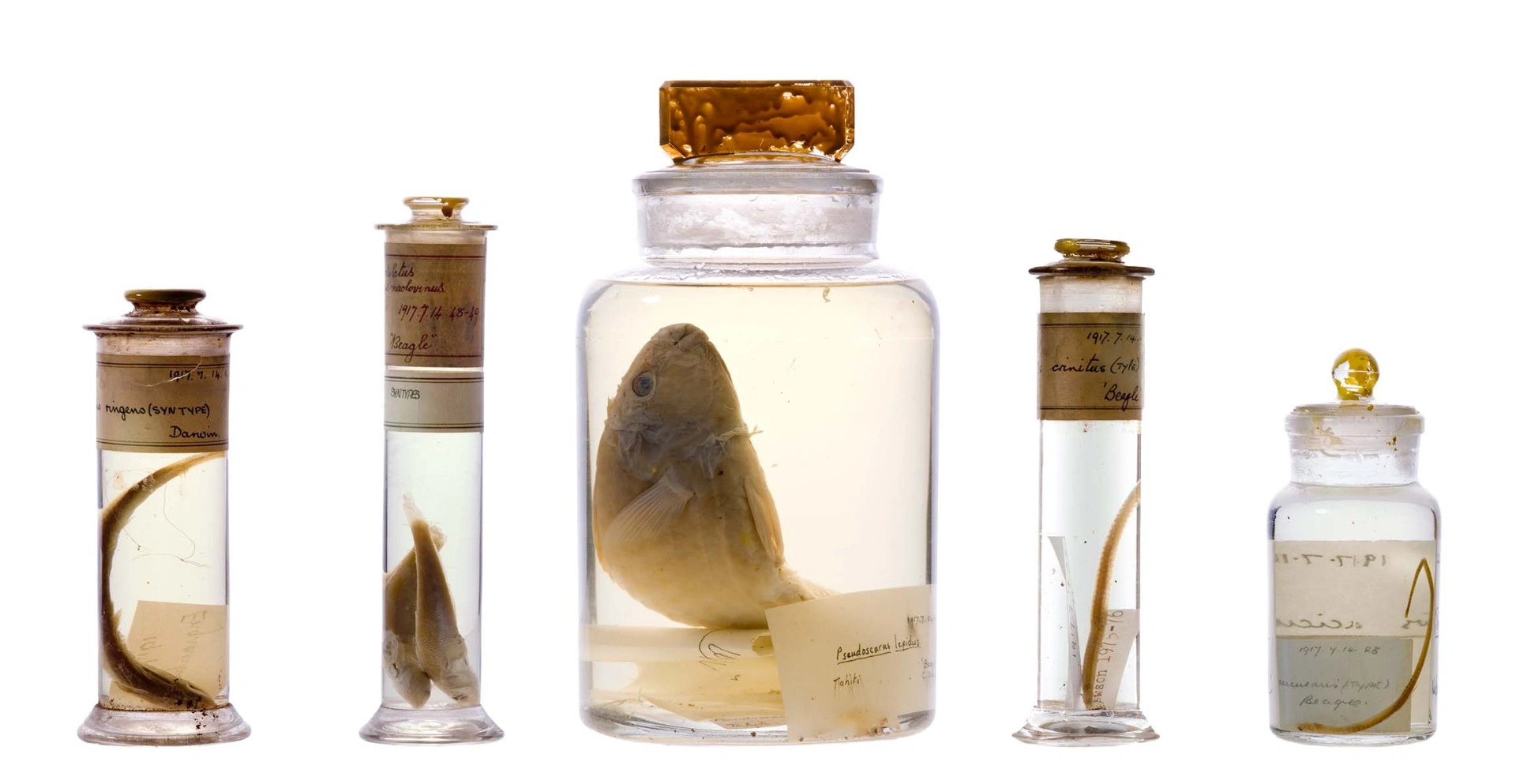
For nearly 200 years, some of Charles Darwin’s specimens have sat sealed inside glass jars, their contents known but the fluids surrounding them largely a mystery.
Now, scientists at the Natural History Museum in London have worked out how to see inside those jars without ever opening them.
Using a laser-based scanning technique, researchers can identify the chemical makeup of the preservation liquids that have kept millions of animals, plants and insects intact for centuries — protecting both the specimens and the people who care for them.
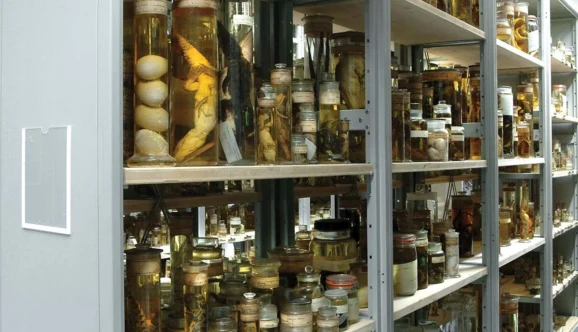
Natural history museums around the world hold more than 100 million “wet” specimens preserved in fluid. The Natural History Museum alone has around 23 million examples in its spirit collection, including fishes collected by Darwin during the voyage of HMS Beagle.
While the animals themselves have been studied for generations, curators often have little idea what liquids they are floating in. Over the centuries, scientists used everything from alcohol and formalin to mixtures containing spices, mercury compounds and even substances that can become explosive with age.
Opening a jar to test the liquid risks evaporation, contamination, damage to the specimen and potential exposure to toxic chemicals.
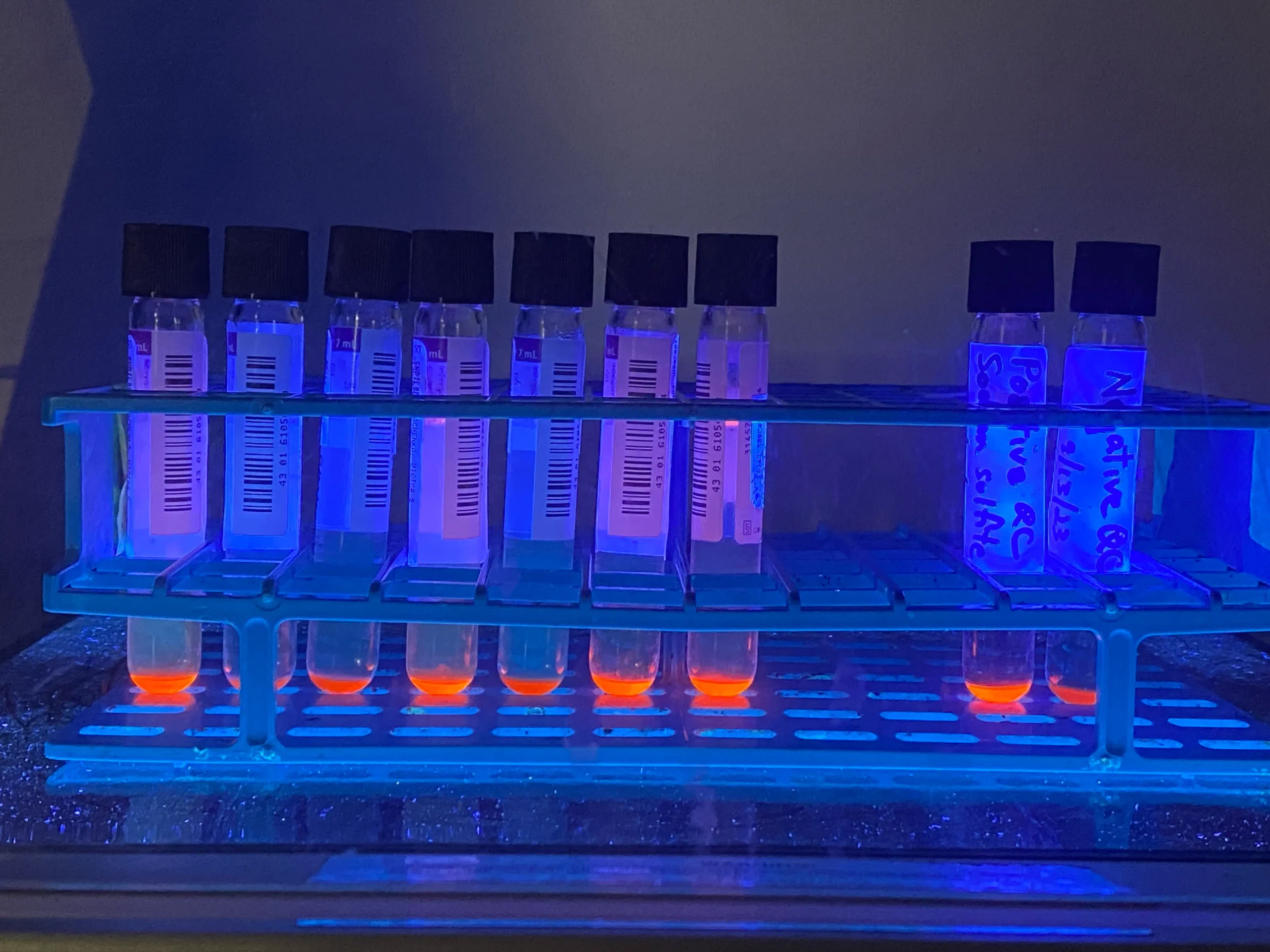
But by shining a laser through the glass and measuring how the light scatters as it passes through the liquid, scientists can now determine which molecules are present without disturbing the contents.
The technique, known as spatially offset Raman spectroscopy, had previously been used in laboratory settings but has now been successfully applied inside a museum collection using a handheld device.
In the study, published in the journal ACS Omega, researchers scanned 46 jars, including specimens collected by Darwin as well as mammals, clams and jellyfish. They were able to accurately identify the preservation fluids in nearly 80 per cent of cases and partially identify them in 95 per cent.
For curators, knowing exactly what is inside each jar helps them recognise when something is going wrong before a specimen deteriorates — a critical step in preserving collections that are often irreplaceable.
Chelsea McKibbin, the museum’s Senior Conservator and a co-author of the study, said the approach could transform how historic collections are cared for. “The specimens used in this study represent 200 years of scientific collecting, including Darwin’s original samples that helped shape our understanding of evolution,” she added. “Being able to analyse their preservation without opening their containers means we can maintain the integrity of these historical materials while ensuring they remain available for future generations to learn from and be inspired by.”
The scans also revealed patterns in how different types of animals had been preserved. Mammals and reptiles were often treated with formalin before being stored in alcohol, while invertebrates were more likely to be kept in formalin or mixtures containing additives such as propylene glycol.
Dr Sara Mosca, from the Science and Technology Facilities Council’s Central Laser Facility and co-author of the research, said the technique reduces risks for both staff and specimens.
She added: “Until now, understanding what preservation fluid is in each jar meant opening them, which risks evaporation, contamination, and exposing specimens to environmental damage.
“This technique allows us to monitor and care for these invaluable specimens without compromising their integrity.”
READ MORE: ‘Meet the AI-powered robot that can sort, load and run your laundry on its own‘. Dreame introduces a bionic-armed “embodied AI” laundry robot alongside a new smart washer and dryer system at a launch event in Silicon Valley.
Do you have news to share or expertise to contribute? The European welcomes insights from business leaders and sector specialists. Get in touch with our editorial team to find out more.
Main image: Credit © The Trustees of The Natural History Museum, London