British firm Skyral to help Mongolia tackle pollution with AI traffic modelling

John E. Kaye
- Published
- News, Technology
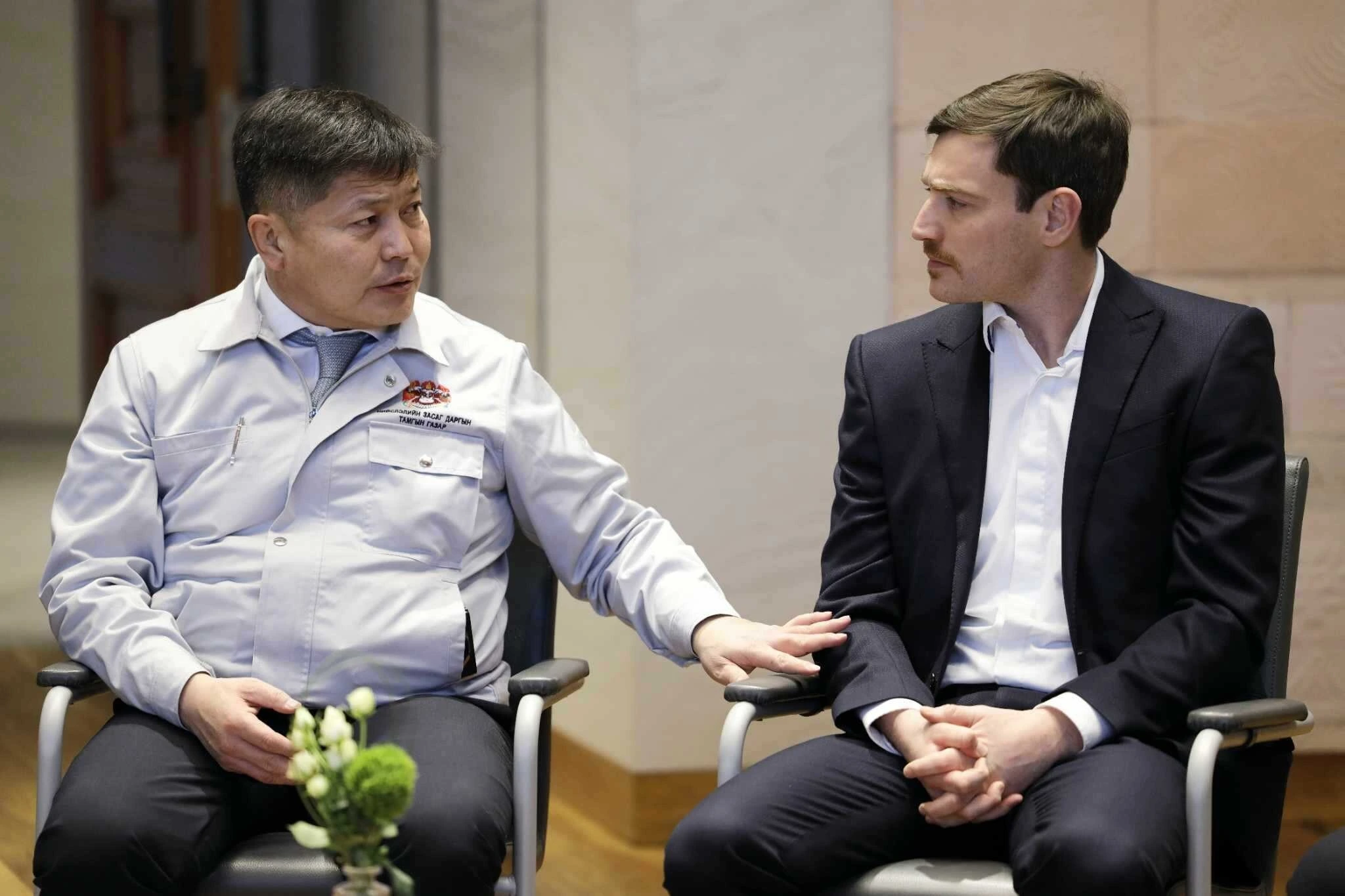
With 7,000 deaths a year linked to toxic air, Ulaanbaatar has turned to British software firm Skyral to model traffic flows, guide new infrastructure and help transform the city into a cleaner, faster and more efficient ‘20-minute city’
A British technology company has signed a contract with the Mongolian capital, Ulaanbaatar, to deploy advanced traffic modelling aimed at cutting congestion and air pollution, which is linked to thousands of deaths each year.
Skyral, a London-based software firm specialising in digital twin technology, has agreed a five-month pilot deal worth USD 1.7 million with the city’s authorities.
The project will use AI-driven simulations to map traffic flows, predict congestion and guide infrastructure planning. It is expected to play a key role in Mongolia’s Vision 2050 transport strategy, which seeks to modernise Ulaanbaatar’s road and public transport network.
City officials believe the platform could save between $240 million and $520 million in economic costs by 2030, while helping to reduce the 7,000 annual deaths attributed to polluted air.
The World Bank estimates that road crashes and congestion currently cost Mongolia $438 million a year – 3.9% of the country’s GDP.
The pilot scheme, signed by Ulaanbaatar’s mayor Khishgeegiin Nyambaatar, is part of plans to turn the city into a “20-minute city”, where residents can reach work, education and essential services more easily. Major infrastructure projects already announced include the Tuul Expressway, the Circular Expressway, two tram lines and a metro system.
Skyral’s technology combines large-scale transport modelling with data on human behaviour, such as commuter patterns and school-run routes, to give planners a detailed picture of how the city functions. Its digital twin will allow city authorities to test different infrastructure options virtually before construction begins.
Nyambaatar said: “This year, our city will implement projects aimed at reducing traffic congestion, developing multimodal public transportation, and reducing air pollution.
“We have already announced international tenders in phases for major infrastructure projects such as the Tuul Expressway, the Circular Expressway, two tramway lines, and a metro line.
“To implement these projects, all engineering planning will be based on AI-powered big data models. That is why we have initiated collaboration with Skyral to develop Ulaanbaatar’s data-driven digital models.”
Nick Blair, Skyral’s chairman and co-founder, said the project would showcase the flexibility of British modelling and simulation technology in addressing global challenges. “Our technology will provide the capital’s leaders with the insights needed to create a safer, healthier, and more efficient city,” he said.
“By partnering with Skyral, Ulaanbaatar will become one of the first cities in the world to implement this unique combination of massive scale transportation modelling and human behaviour simulation to efficiently tackle its traffic crisis.
“This project showcases the versatility of our proprietary, breakthrough British technology, and its application in resolving urgent problems around the globe.”
Founded in 2023, Skyral has built simulation software for the UK and US governments as well as NATO. The company, which began in the defence sector, now derives 60% of its contracts from non-government clients, including infrastructure and healthcare organisations.
Main image: The Mayor of Ulaanbaatar, H. Nyambaatar and Nick Blair, Chairman of Skyral. Photo: PRNewsfoto/Skyral
TOP STORIES
-
 Housing costs hit recruitment at 77% of large London firms, survey finds
 -
SpaceX to launch one-tonne orbital factory for European space firm in 2028
-
Estonia’s e-residents launch more than 4,200 companies as business creation jumps 36%
-
Small business bank lending falls £27bn in three years as nine-in-10 areas see decline
-
Europe’s healthcare sector lags on AI uptake – but leads once it starts using it
-
Stranded drivers could soon call for help even with no mobile signal
-
NASA backs space ‘air brake’ that could cut years off missions to Uranus and Neptune
-
MPs and peers call for UK ban on AI that could evade human control
-
France orders €1.3bn in extra cuts as growth falls behind European neighbours
-
Bioweapons research, Russian-linked spies, guided rockets and cyber-attacks on Europe used Claude AI, Anthropic reveals
-
Cadbury Takes a Break as KitKat tops Britain’s social media sweet rankings
-
European network alliance doubles in size as digital sovereignty drive accelerates
-
European insurance giants join New York summit on future of AI
-
Oxford leads £10m international study as resistance threatens new TB treatments
-
Inside the world’s wildest new mini golf course with caves, 13ft waterfalls… and sharks
-
Apple’s new boss bets £1,999 on first folding iPhone
-
‘Double delight’ as rare red pandas born at Whipsnade Zoo
-
This Japanese ski resort has just been named the world’s best place for seasonal work
-
Nearly 4m Londoners experienced mental health challenges last year, study finds
-
Card fraud accounts for more than one-in-three UK identity fraud cases
-
Breast cancer campaigners target Burnham at PMQs over £20m research fund
-
Europe leads world in quantum research despite deep industry scepticism
-
Australia plans social media algorithm ‘off switch’ in move Europe could follow
-
European central banks move gold out of U.S as 'geopolitical risks' mount
-
Volkswagen plans another 50,000 job cuts in sweeping overhaul