Germany boosts its climate fund with €60bn injection

John E. Kaye
News & Features
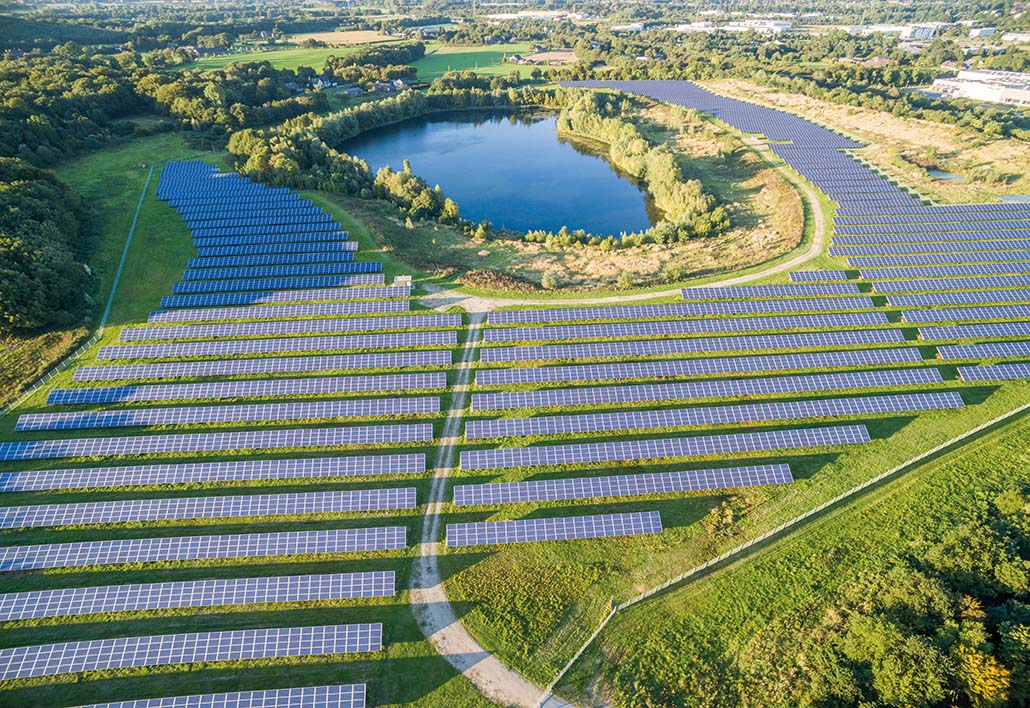
Germany’s new government passed a supplementary budget to supercharge its climate and transformation fund with a debt-financed injection of €60bn to allow more investments in the shift towards a green economy.
The supplementary budget, passed unanimously by Chancellor Olaf Scholz’s cabinet, will channel €60bn of unused debt in 2021’s federal budget into the government’s climate and transformation fund for future spending.
The budget manoeuvre was agreed in November by the centre-left Social Democrats (SPD), pro-spending Greens and fiscally more cautious Free Democrats (FDP) in their coalition deal, allowing the parties to make the most of a temporary, pandemic-related suspension of borrowing limits in the constitution.
The budget compromise helps Germany’s new finance minister and FDP leader Christian Lindner to eye a return to the debt brake rule from 2023 and still enable more public investments needed to reduce carbon emissions in Europe’s largest economy.
“The €60bn for future investments are a booster for the economy,” Lindner said. The step will help the government to cope with the economic consequences of the coronavirus pandemic and enable a powerful leap into a carbon-neutral and more digital future, he added.
The coalition wants to deploy the funds to make critical public investments in climate protection measures – from charging points for electric vehicles to better insulating homes – and the digitalisation of the economy. The debt-financed injection of €60bn will increase the fund’s volume to €76.2bn at the start of 2022, Lindner said.
In addition, the government will channel up to €18bn of additional tax revenue, mainly stemming from eco taxes and the CO2 emission trading scheme, into the climate and transformation fund in the course of next year, bringing its fiscal reserve for investments close to €95bn.
TOP STORIES
-
 France calls in army after riots sweep cities
 -
An Italian affair – Stanley Johnson takes London's society set on the Silk Road
-
Himalayan mountainside moved 40cm before avalanche killed 1,451 in Nepal, scientists reveal
-
Scientists and engineers quitting jobs as AI changes roles ‘beyond recognition’, study finds
-
UK profit warnings hit near two-year high as businesses struggle with rising costs
-
Microsoft pulls out of major UK AI data centre project amid power grid delays
-
Russia takes control of more European corporate assets amid Ukraine tensions
-
EU leaders resist calls to delay carbon rules as energy costs soar
-
‘A big step forward’ – PM Andy Burnham hails plans for Great British Railways HQ in Derby
-
UK economy grows just 0.1 per cent as construction falls and services stall
-
Germany risks losing €155bn a year under tighter AI data rules, new study warns
-
Pope Leo XIV diagnosed with lung cancer after surgery in Rome
-
France faces freezer meltdown as hackers strike supermarket chains
-
Bumble shares soar 50% amid $1bn takeover talks
-
China slump drives Volkswagen to sharpest quarterly fall in more than four years
-
Hollywood mega-powerhouse created as Paramount completes Warner Bros Discovery takeover
-
Gamers face gridlock as latest Grand Theft Auto download 'nears two days'
-
Samsung profits soar ninefold to record £61bn amid AI chip boom
-
New Springer books put the UN’s struggling sustainability goals to the real-world test
-
Europe’s solar boom set for two-year slowdown after record growth
-
Let it pea. Musicians turn vegetables into instruments at Beatles' Abbey Road studios
-
Golden naked Trump statue unveiled at European Parliament
-
Jaguar puts controversial rebrand on the road with £130K 1,030PS Type 01
-
Deepfakes and identity fraud drive new wave of post-hire background checks
-
Spain crowned Europe’s top retirement destination