The Society of Antiquaries of Scotland is seeking £1.5 million to buy a building in Edinburgh’s historic centre before a January deadline, in a move it says would give the country its first national heritage hub ahead of the charity’s 250th anniversary
Scotland’s oldest heritage charity has launched a £1.5 million fundraising campaign to secure a permanent home in Edinburgh, warning that it has until January 2027 to buy a “once-in-a-lifetime” building it says could become the country’s first national heritage hub.
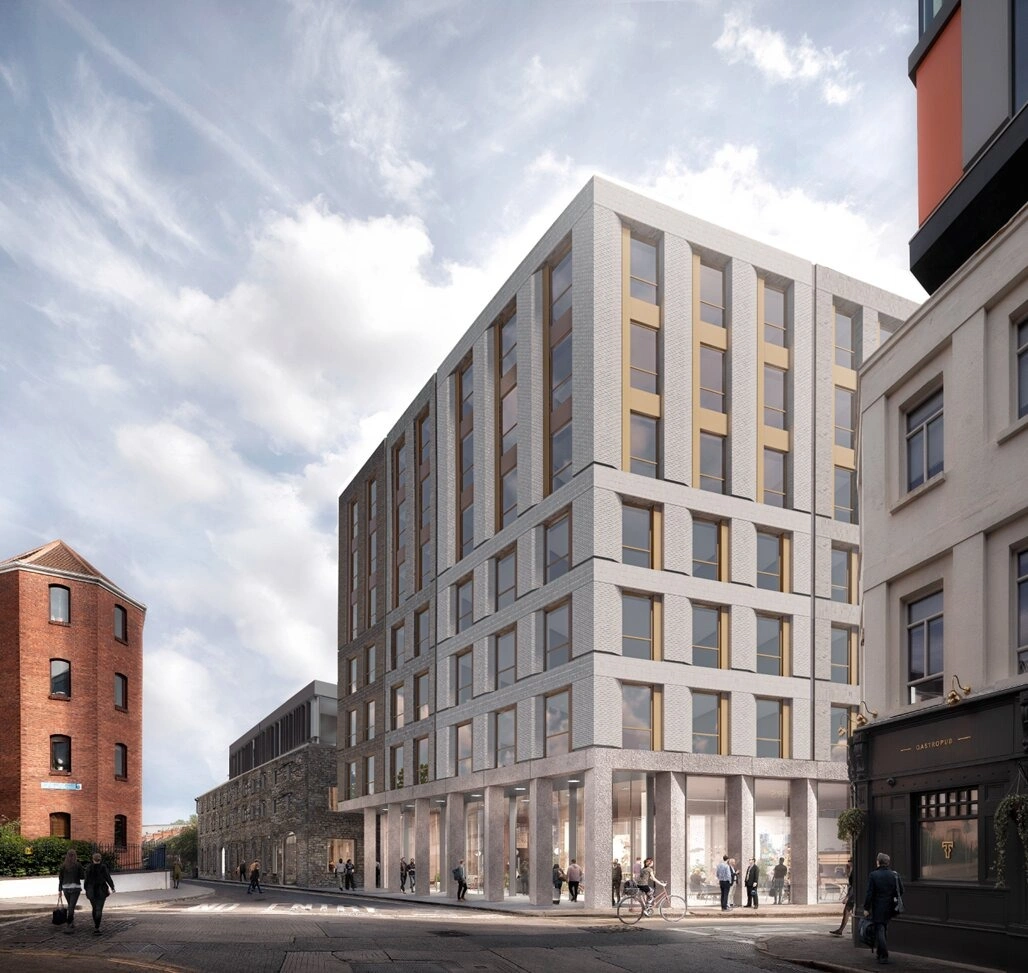
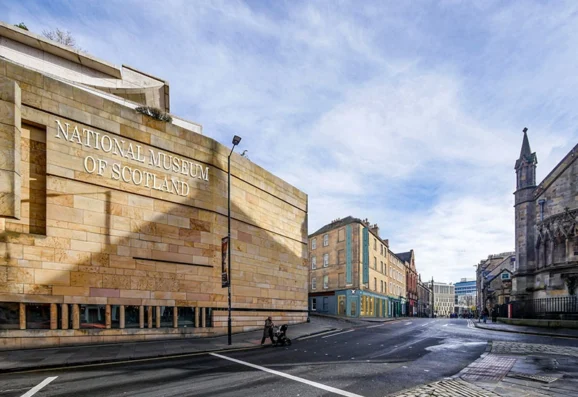
The Society of Antiquaries of Scotland, founded in 1780 and incorporated by Royal Charter in 1783, said it was trying to buy a property in Edinburgh’s southern gateway area, beside the National Museum of Scotland and within the capital’s UNESCO World Heritage Site.
The building is being offered at a fixed price of £2.1 million until January next year. The Society said it would contribute £600,000 from its own investments and needed to raise the remaining £1.5 million to complete the purchase.
The appeal comes as the charity prepares for its 250th anniversary in 2030. It said a permanent base would allow it to expand public access to its work after years of operating from what it described as an inaccessible top-floor flat within the National Museum of Scotland complex.
The Society said the proposed hub would create a permanent space where academics, visitors and members of the public could explore Scotland’s past and engage more directly with heritage research and protection.
It said the site sat in a cultural quarter attracting more than 10 million visitors a year, giving the charity a chance to establish a more visible public presence in one of the country’s busiest heritage districts.
The Society traces its roots to the late 18th century and says its early Fellows helped assemble collections that later became the foundation of the National Museum of Scotland’s Scottish history and archaeology galleries.
It now funds research through grants and awards, advocates on heritage issues, and runs lectures and related resources.
Diana Murray CBE HonFSAScot, president of the Society of Antiquaries of Scotland, said: “For centuries, this small corner of Edinburgh has been a gateway to Scotland’s past. We now have a rare and time-limited opportunity to secure this building and open our doors properly for the first time in our modern history, ensuring that Scotland’s past belongs to everyone, at home and across the world.”
Dr Simon Gilmour FSAScot, director of the Society of Antiquaries of Scotland, added: “This is a once-in-a-lifetime alignment of opportunity, affordability and historic significance.
“The building sits at the very heart of Edinburgh’s cultural quarter, beside the National Museum of Scotland, within a UNESCO World Heritage Site, in an area attracting more than ten million visitors a year. We invite everyone who cares about Scotland’s past to help us secure it.”
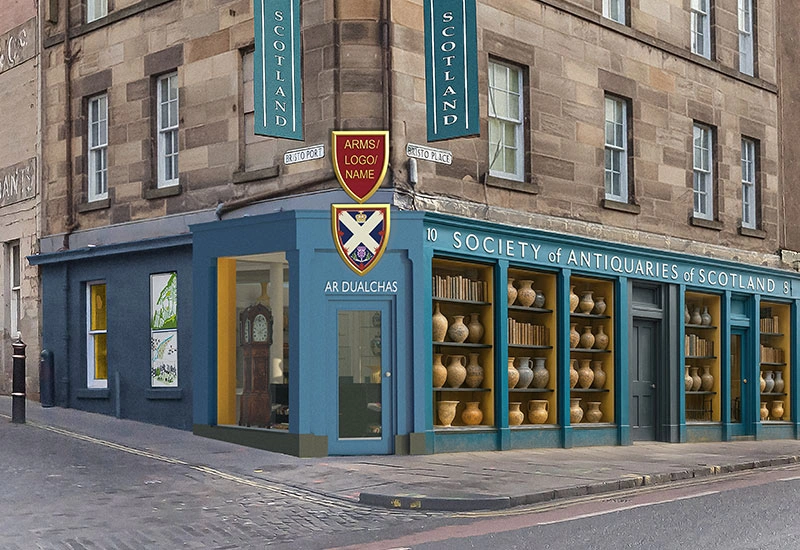
The Society said a primary donor giving £1 million or more could name the building, while those donating £200,000 or more would be recognised in the boardroom. Donors giving £10,000 or more would join what it calls the 21st-Century Founding Circle, while those offering £2,000 or more would enter The Antiquaries Circle.
It added that all donors would be recognised in a special edition of the Proceedings of the Society of Antiquaries of Scotland, its peer-reviewed journal, which it said has been published since 1851.
Professor Elizabeth Ewan FSAScot, professor emerita of Scottish Studies and History at the University of Guelph in Ontario, said: “From Canada I have seen first-hand how deeply Scotland’s history runs in people across the world.
“The Society of Antiquaries of Scotland has been at the heart of Scottish historical scholarship for nearly 250 years, connecting researchers and heritage enthusiasts across the globe. A permanent home would transform what the Society can offer to that global community.”
READ MORE: ‘New guide to the NC500 calls time on ‘tick-box tourism’‘. Often dubbed Britain’s Route 66, Scotland’s North Coast 500 has become one of the most photographed drives in the world — and one of the busiest. As the route grows ever more popular on social media, Highland photographer and author Steve Campbell says many visitors are missing what makes it special by rushing from stop to stop in search of familiar photo spots. Drawing on his new book about the route, Campbell — who has completed the full circuit nearly 20 times — explains why most travellers are getting the NC500 wrong, and how it looks when you take the time to know it properly.
Do you have news to share or expertise to contribute? The European welcomes insights from business leaders and sector specialists. Get in touch with our editorial team to find out more.
Main image: Primary Donors giving £1 million or more will be recognised with their logo, coat of arms, or name featured on the building. Credit: The Society of Antiquaries of Scotland