Private aviation is reshaping luxury travel across Europe as wealthy travellers turn to smaller airports, flexible schedules and multi-country itineraries to make better use of their time. Here, Rhiannon Dixie examines how these changing travel habits are influencing the way affluent travellers experience the continent
Across Europe, affluent travellers are placing greater value on privacy and the freedom to shape their own itineraries. Instead of working around commercial airline schedules, many are looking for ways to spend more time at their destination and less time navigating airports, queues and flight connections.
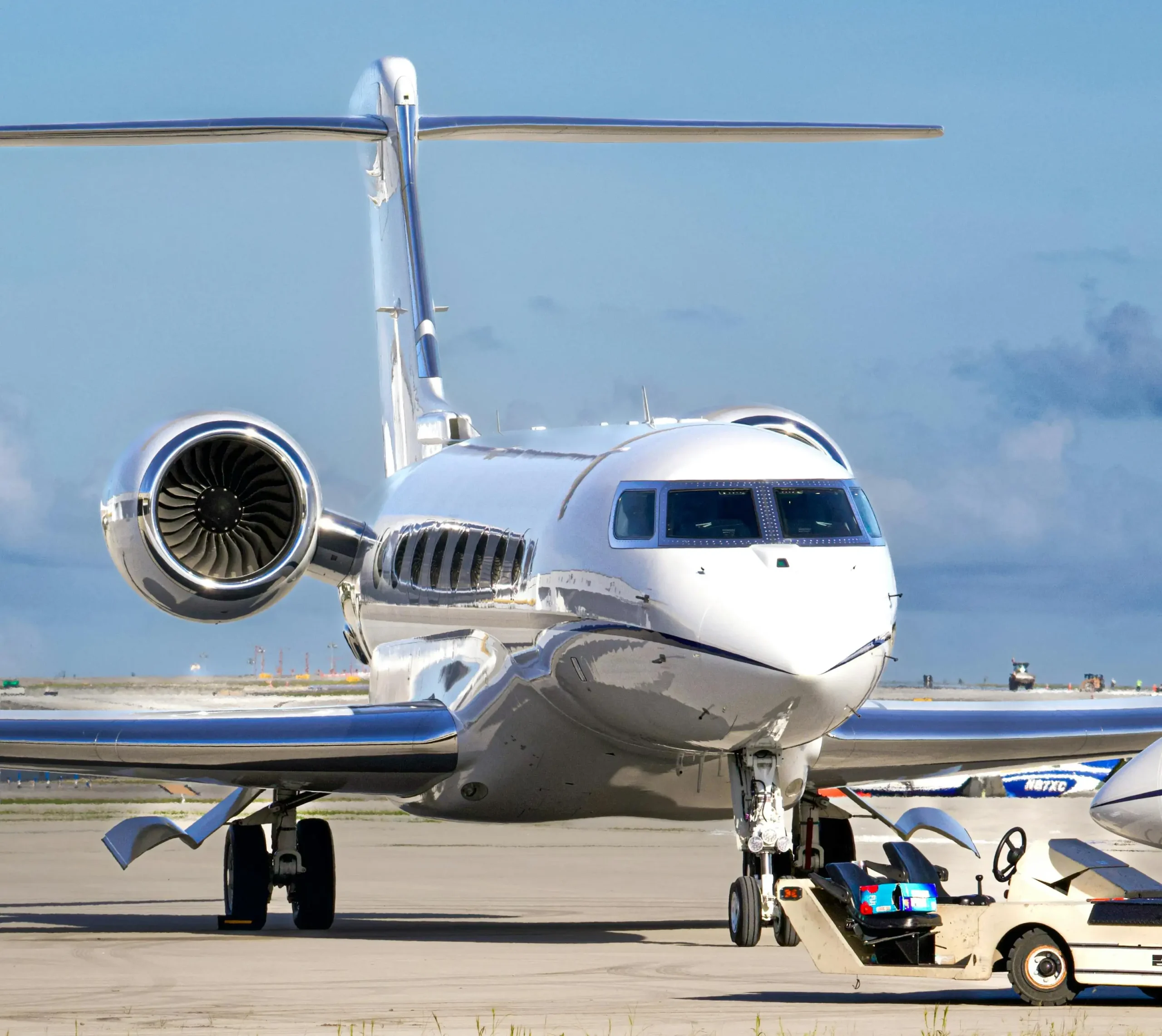
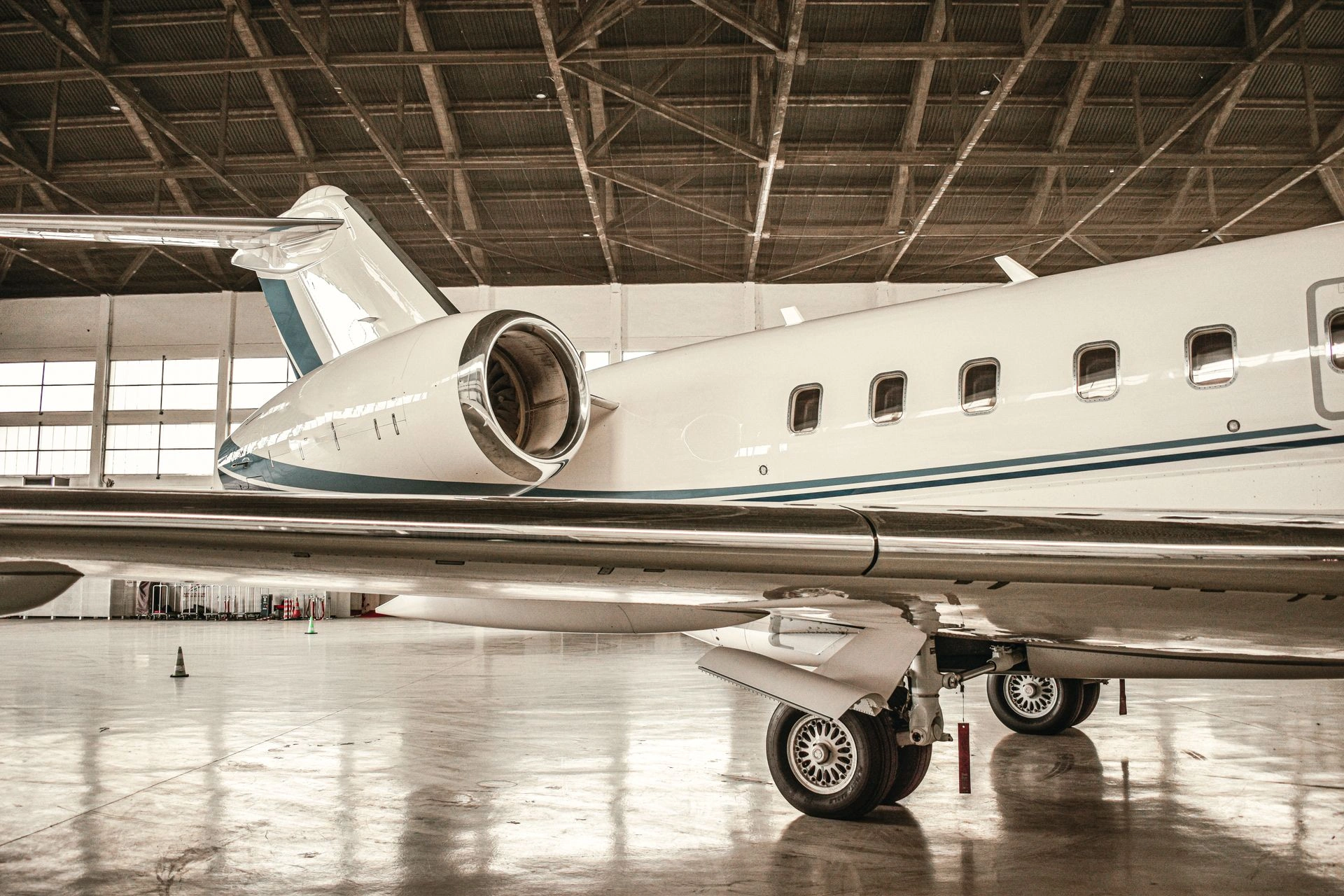
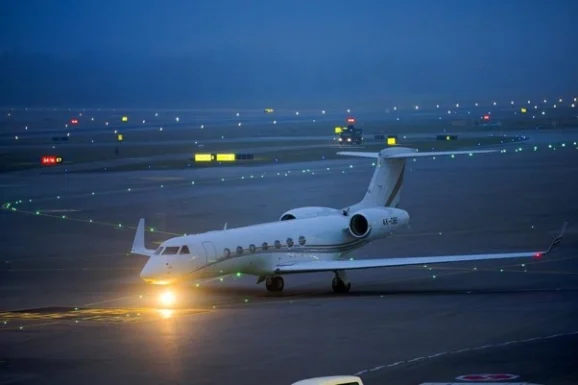
For those wanting to tailor a journey across Europe to specific needs, arranging a private jet charter can make that possible. Travellers can choose departure times that suit them, fly into smaller regional airports and adapt plans as they go, rather than following fixed airline routes.
Private travel is also changing what tourism looks like in Europe. Weekend breaks are turning into multi-country itineraries, business trips increasingly include time for leisure, and destinations once considered inconvenient are now much easier to reach.
Why flexibility is more important than ever
Luxury has always meant different things to different people, but today, many frequent travellers define it as having control over their time.
When travelling commercially, passengers will inevitably have to make some compromises. Departure times are fixed, connections can be unpredictable, and even a short delay can disrupt a carefully planned schedule. With private aviation, travellers can decide when to leave, which airport to use and how long to spend in each destination.
Someone might, for example, leave London in the morning for a meeting in Zurich, spend the evening in Milan with clients and return home the next day. With a more flexible travel arrangement, that itinerary becomes entirely achievable, rather than being dictated by scheduled flights.
The same applies to leisure travel. Families touring Europe have the option to extend a stay somewhere they enjoy, change course if the weather turns or add another destination to the trip.

Europe’s smaller airports are opening new possibilities
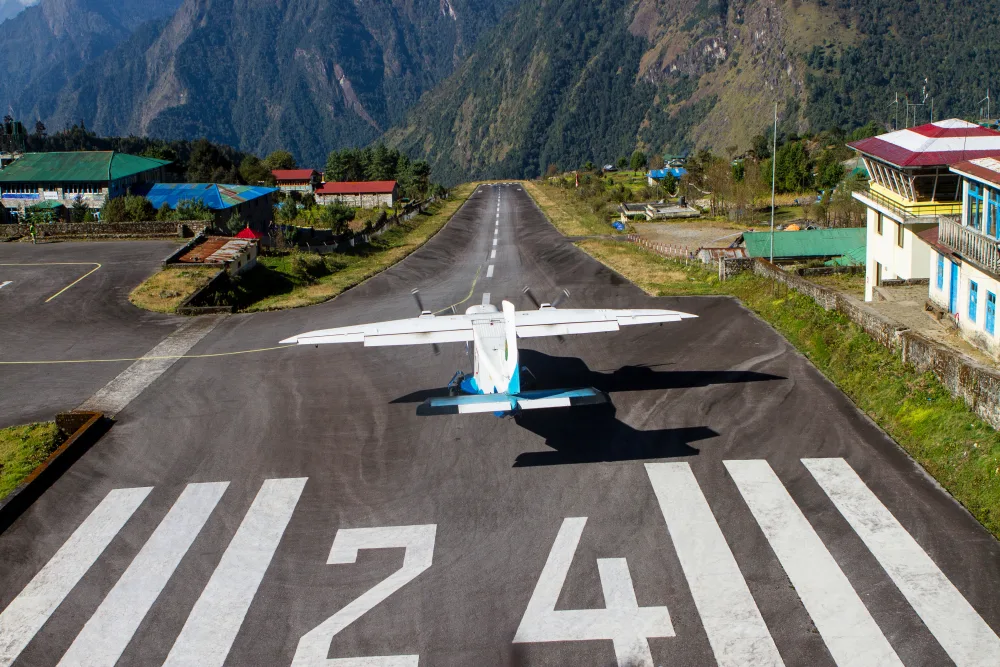
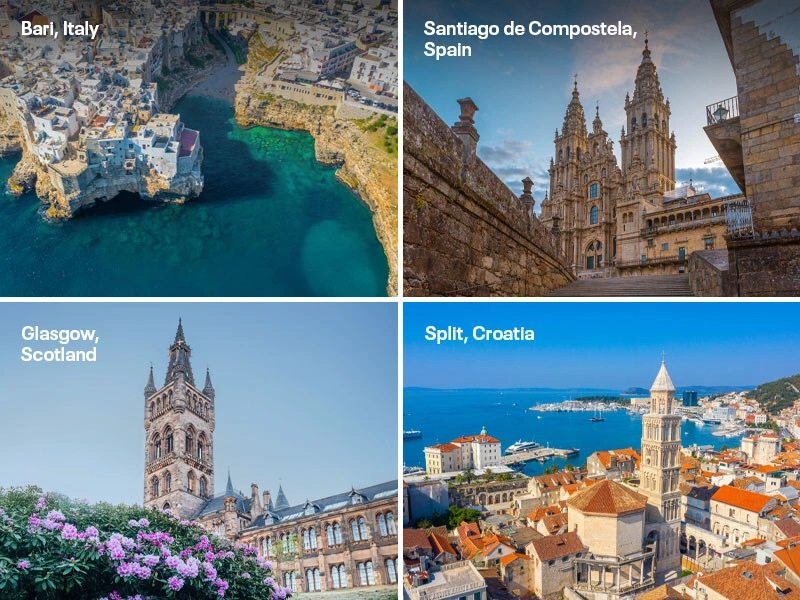
Most commercial airlines operate through major airports, but that is only part of Europe’s aviation network. There are thousands of regional airports serving destinations much closer to ski resorts, vineyards, coastal towns and countryside retreats.
Instead of arriving at a busy international airport and facing another long transfer, travellers can land much closer to their final destination. Whether visiting the vineyards surrounding Bordeaux, the slopes of the Alps or the beaches of Sardinia, a shorter onward journey can provide more time to enjoy the trip.
Regional airports are also making destinations that receive less international traffic easier to reach, allowing travellers to venture beyond Europe’s most familiar tourist hotspots.
All of this means travellers can choose routes that avoid hours of additional road travel after landing.
Multi-destination travel is becoming the new normal
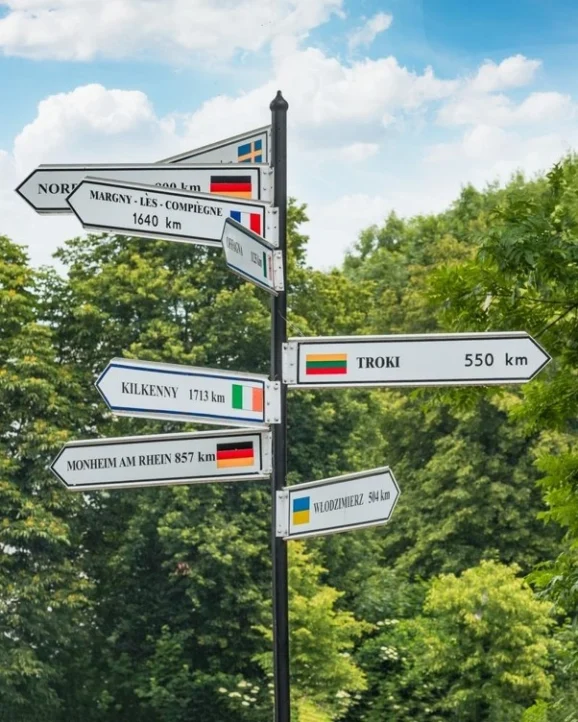
Many affluent travellers are no longer content with spending two weeks in one place, and Europe’s compact geography makes it surprisingly easy to combine several destinations in a single trip, especially when commercial flight schedules do not dictate travel arrangements.
A holiday might begin with a few days in London before continuing to Lake Como, followed by the French Riviera and finishing in Mallorca. Others build itineraries around sporting events, art exhibitions, music festivals or seasonal celebrations, moving across borders with the freedom to act on each opportunity.
The journey itself becomes more adaptable, making it easier to respond to unexpected opportunities along the way.
Convenience has overtaken exclusivity
Private aviation will always carry a sense of luxury, but for many travellers, convenience has become the bigger attraction. Anyone who has travelled during the height of the summer season knows how quickly delays, congestion and long security queues can eat into valuable time.
Being able to choose departure times, use quieter terminals and avoid multiple flight connections makes travelling much easier.
Business leaders can hold confidential conversations uninterrupted. Public figures can travel with greater discretion, while families often appreciate the quieter, more relaxed environment compared with busy commercial terminals.
These practical benefits have become just as important as comfort, particularly for people balancing demanding work schedules with family life.
Planning more ambitious European itineraries
Travelling across several countries requires more coordination than booking a single return flight. Experienced aviation providers can help travellers plan routes, choose suitable airports and organise journeys involving several destinations over the course of a week.
With that flexibility, it becomes much easier to combine meetings in financial centres with a few days away, or extend a business trip into a family holiday without unnecessary backtracking across Europe.
Europe is being experienced differently
Ultimately, private aviation is changing how people experience Europe. Instead of seeing the continent as a series of isolated destinations linked by commercial airline schedules, many affluent travellers now treat Europe as one cohesive, connected region.
A meeting in Switzerland, dinner in northern Italy and a weekend on the Mediterranean can all become part of the same journey.
As international lifestyles continue to evolve, flexibility is becoming a defining feature of luxury travel. Private aviation reflects that shift, giving travellers more freedom to decide where they go, how they get there and, perhaps most importantly, how they spend their time once they arrive.
Further Information
Produced with support from Air Charter Service. To find out more about Air Charter Service and its private jet charter services, visit www.aircharter.co.uk
READ MORE: What Elon Musk’s US$1,100,000,000,000 fortune could buy. Musk’s paper fortune has crossed US$1.1tn after SpaceX’s record stock market debut. From fighter jets and aircraft carriers to private islands, mega-yachts, NASA and decades of UN emergency aid, here is what one million million dollars looks like in the real world.
Do you have news to share or expertise to contribute? The European welcomes insights from business leaders and sector specialists. Get in touch with our editorial team to find out more.
Main image: Abdelmoughit Lahbabi via Pexels