Former Formula One champions, Le Mans winners and touring car greats were among the big names at the 83rd Goodwood Members’ Meeting, reports Mark G. Whitchurch, with Jenson Button drawing one of the weekend’s biggest crowds in the Brawn that took him to the 2009 world title
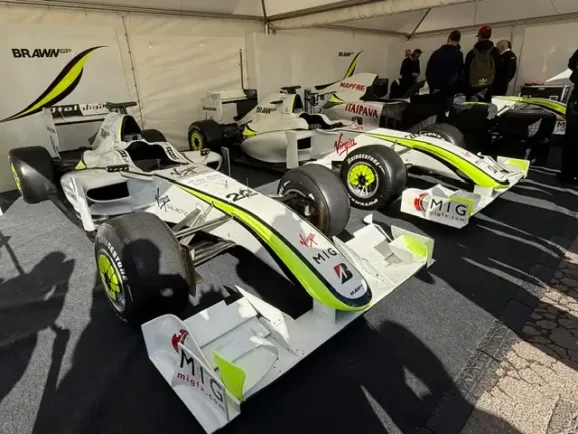
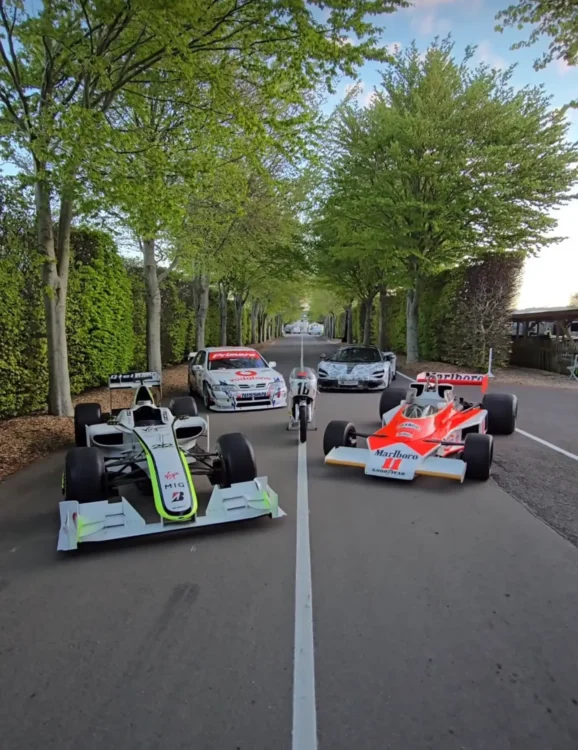
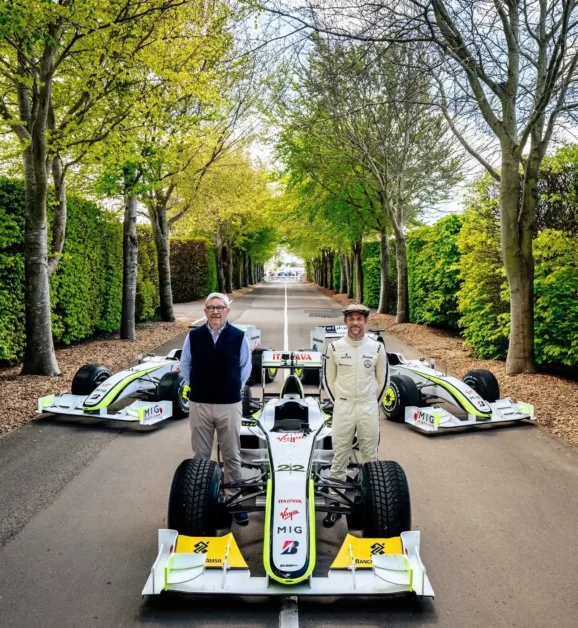
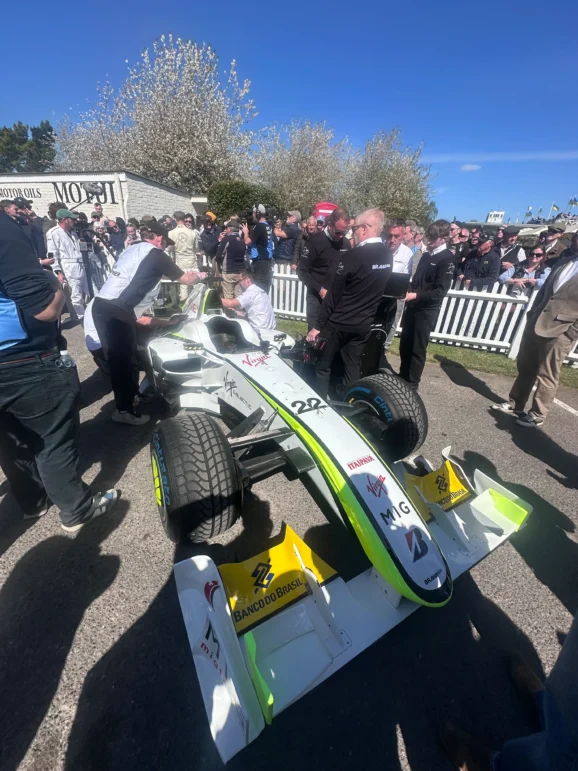
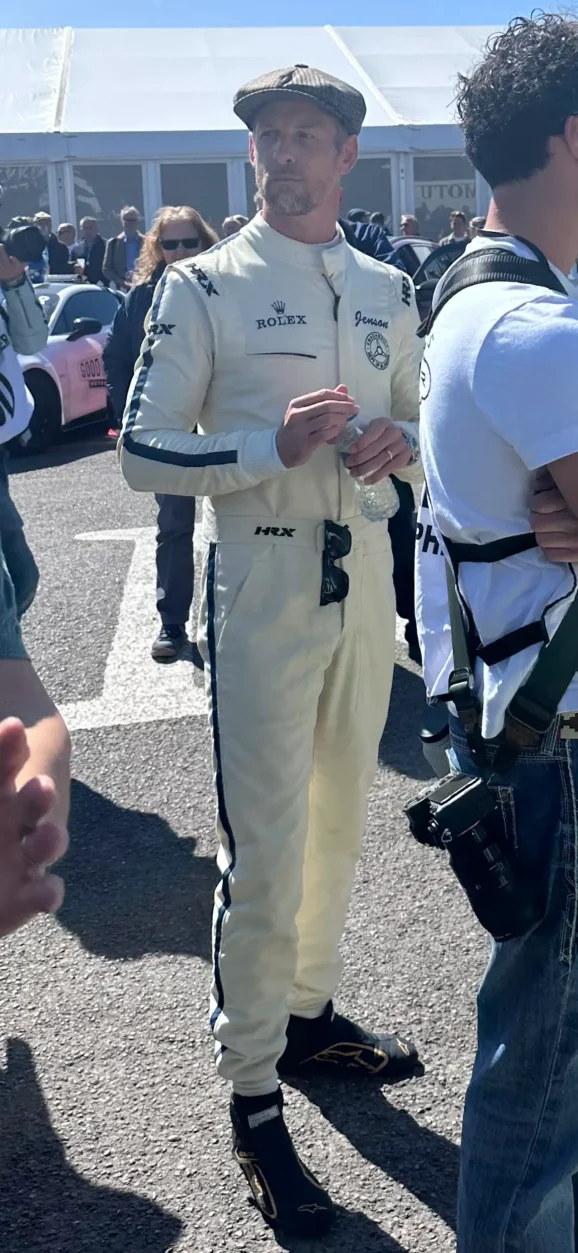
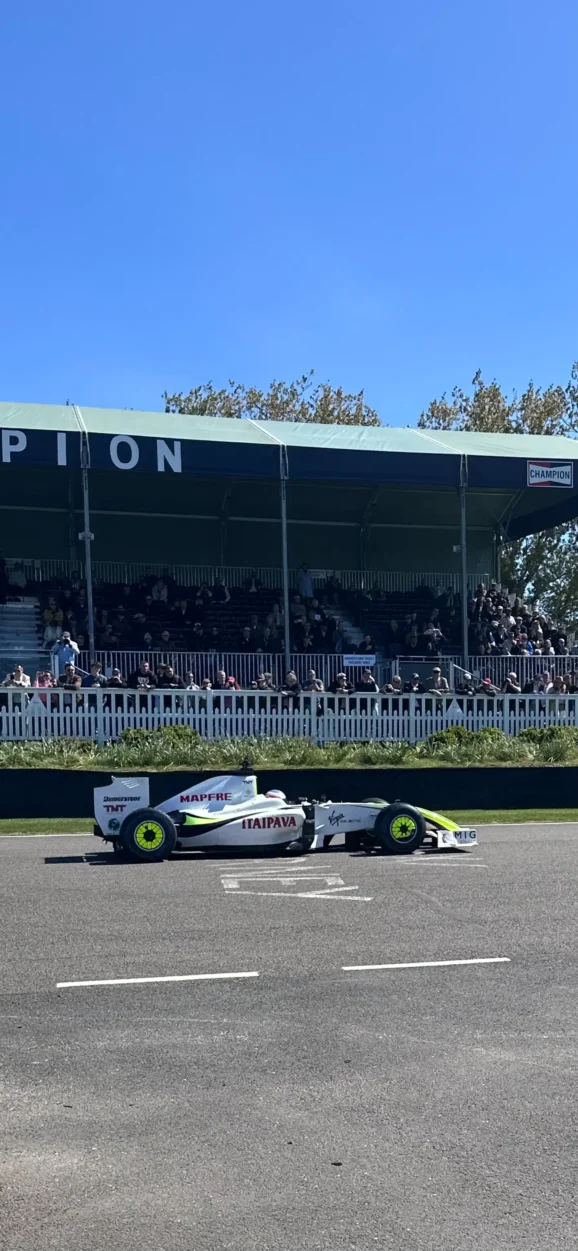
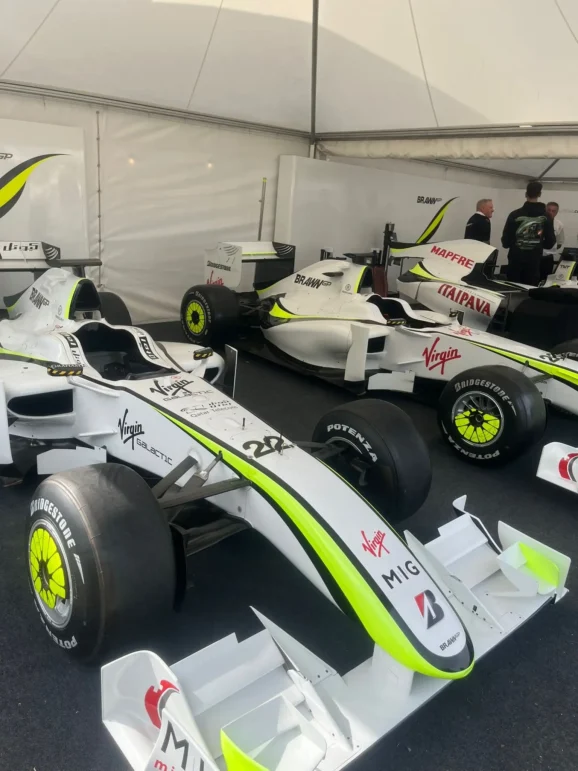
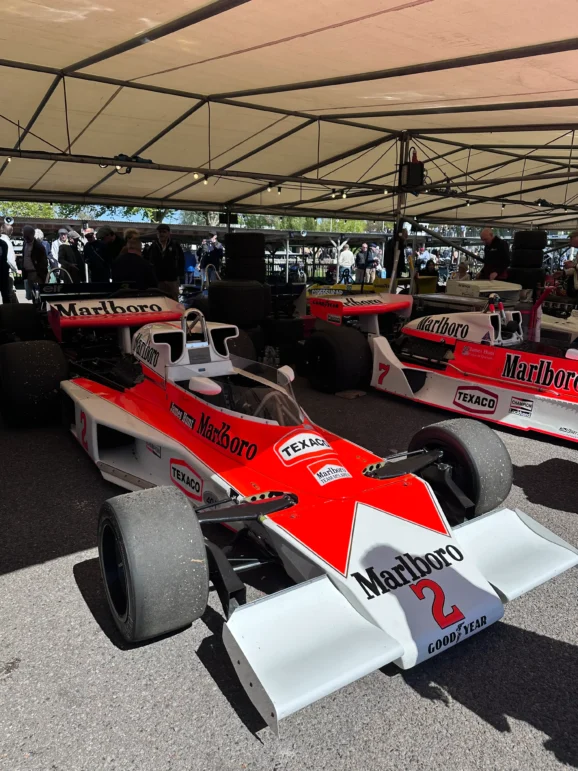
Jenson Button led the star names at the 83rd Goodwood Members’ Meeting by returning to the Brawn BGP001, the car in which he won the 2009 Formula One world championship.
The demonstration was one of the weekend’s main attractions, reviving the story of Brawn GP’s £1 buyout, the double diffuser and one of the sport’s most unlikely title wins. In a paddock dominated by older machinery, the car’s white and fluorescent green livery stood out as Button spoke with engineers and greeted fans before taking it onto the circuit.
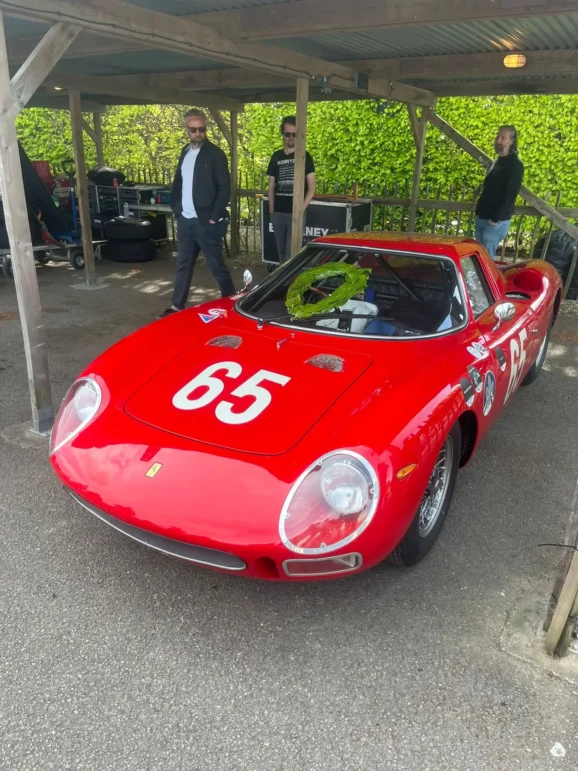
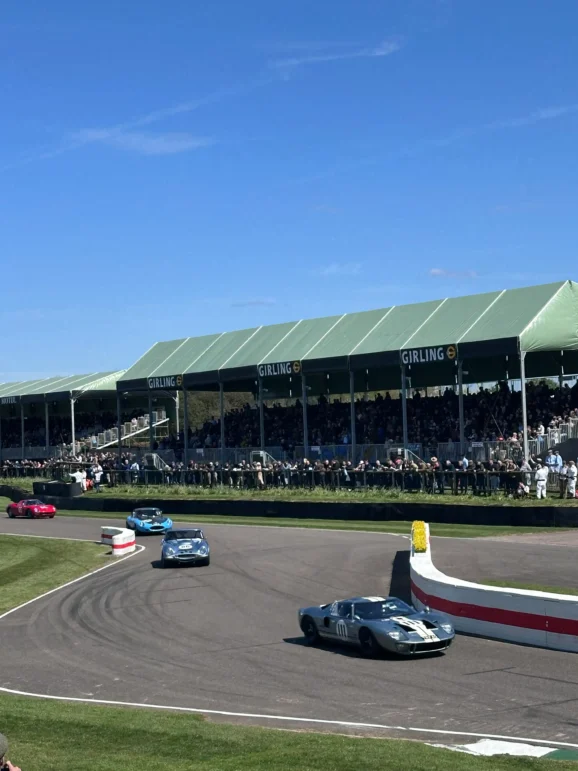
He then switched from F1 machinery to historic GT racing in the Phil Hill Cup, a race for early-1960s closed-cockpit sports cars and one of the most anticipated events of the day.
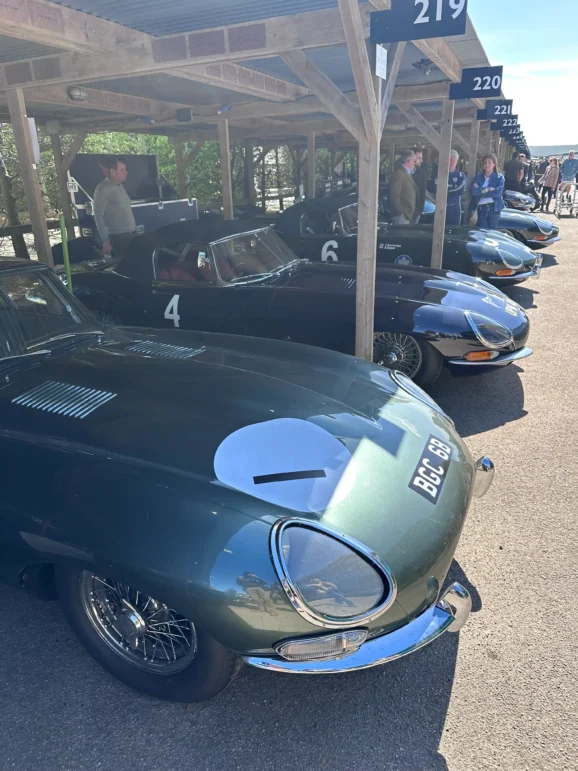
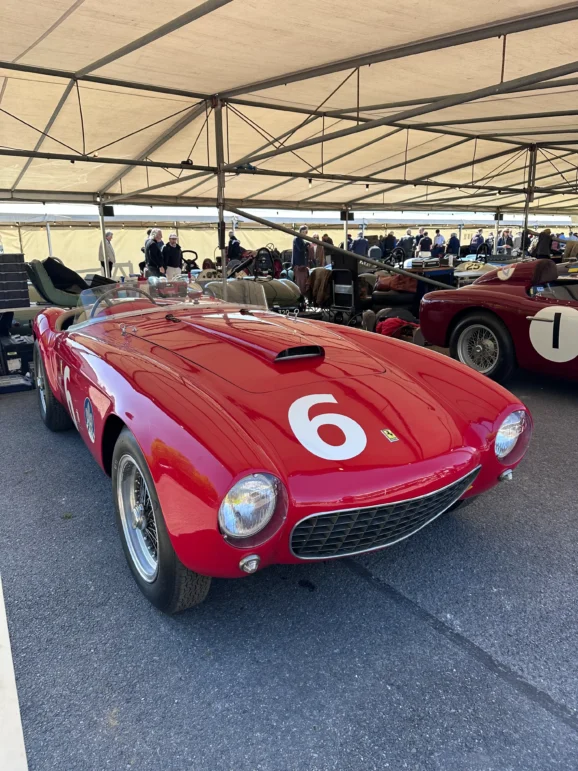
Driving his own Jaguar E-type, the 1960s British sports car made famous on road and track, Button built an early lead, lost it under the safety car, then worked his way back in front. Yelmer Buurman, another front-runner in the field, set the fastest lap in a Ferrari 250 LM, while Nikolaus Ditting finished third in a Ford GT40.
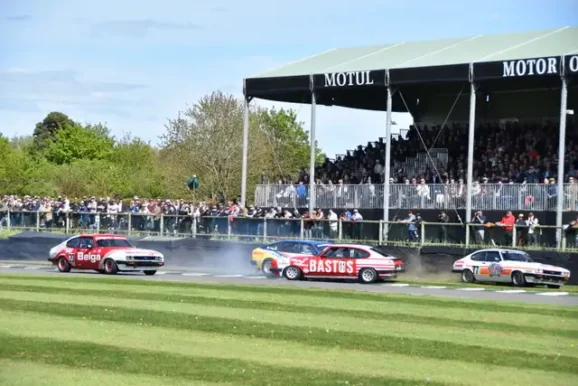
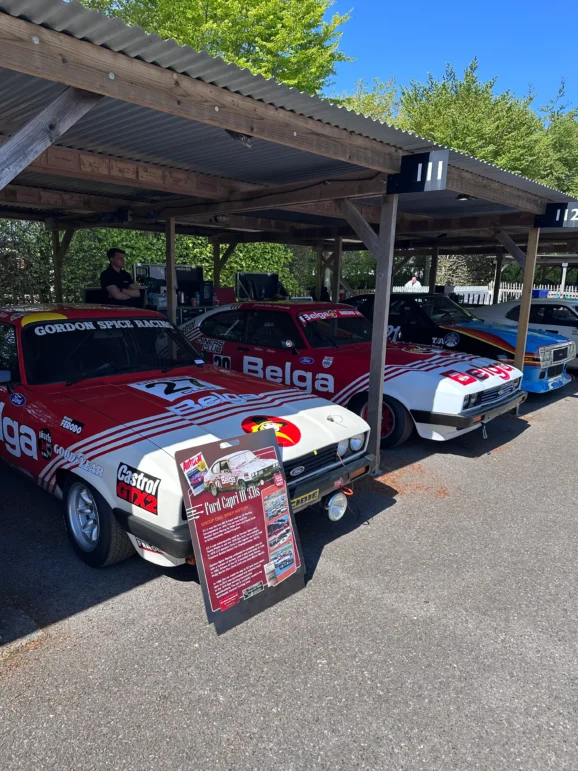
Button also featured in the Gordon Spice Trophy, Goodwood’s race for big-engined saloon cars, where he drove a Chevrolet Camaro against a field that included Tom Kristensen, the Danish great best known for his record at Le Mans, in a Rover SD1. The race was won by Romain Dumas and Bill Shepherd in a Ford Mustang Boss 302, but the battle between Kristensen and Button was one of its main talking points.
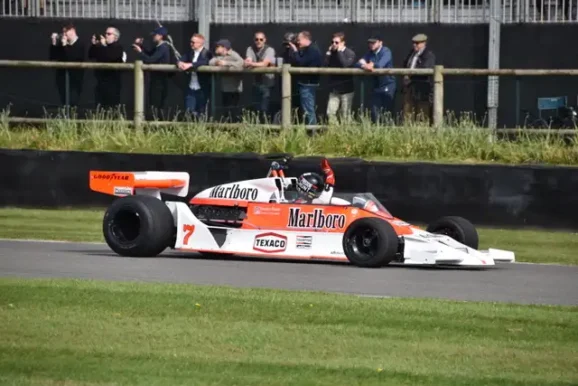
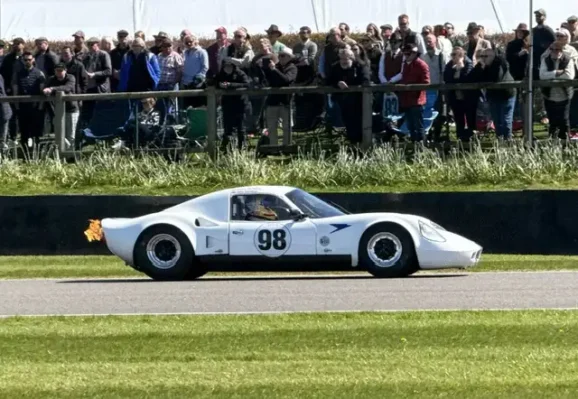
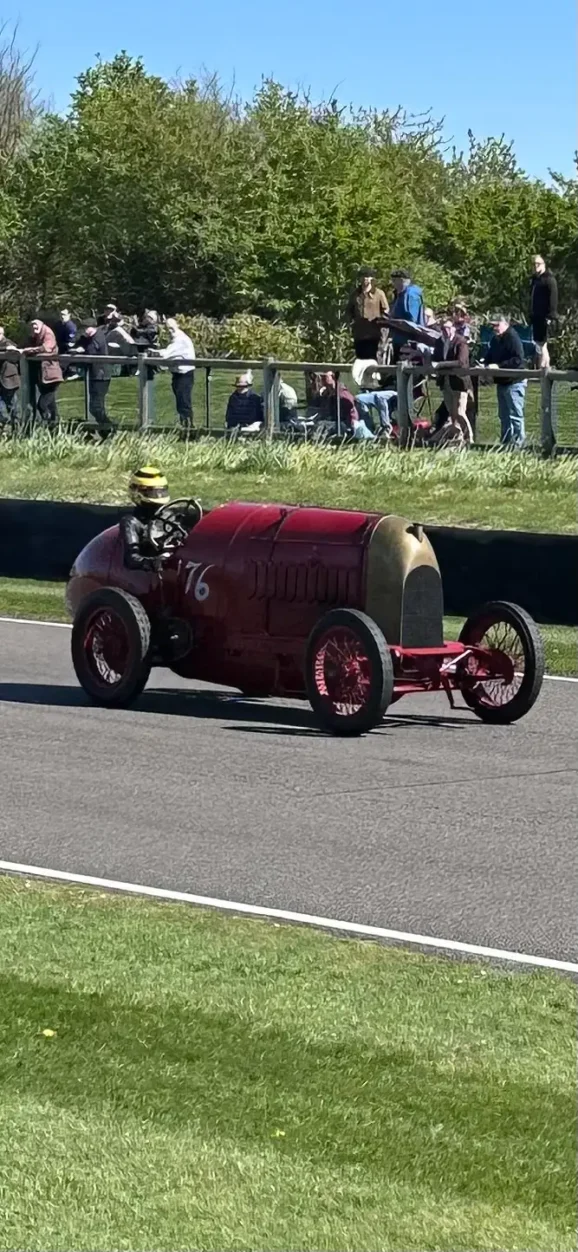
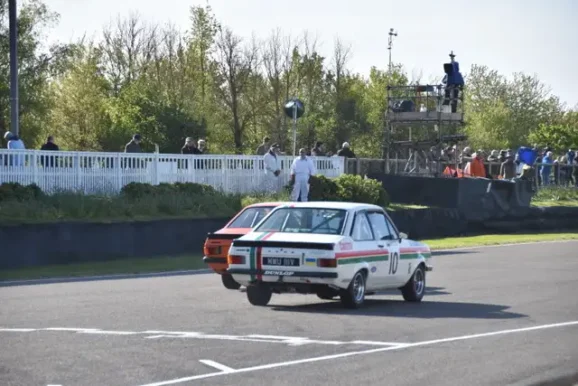
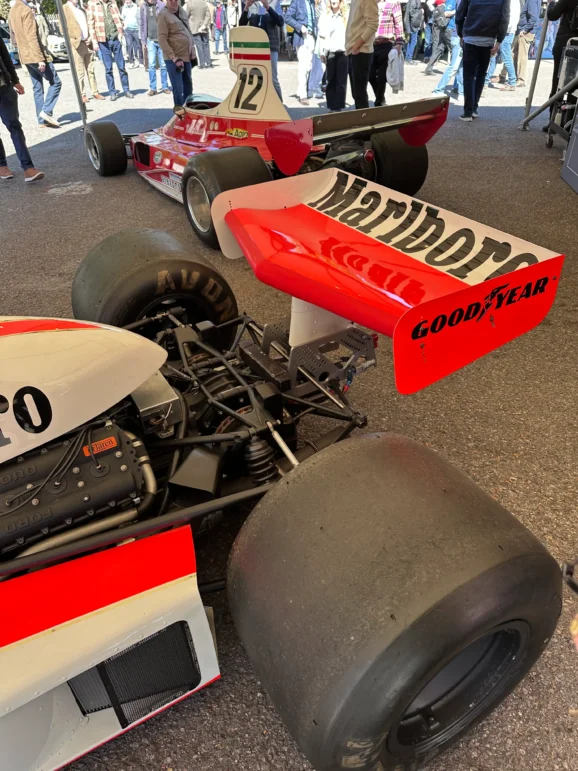
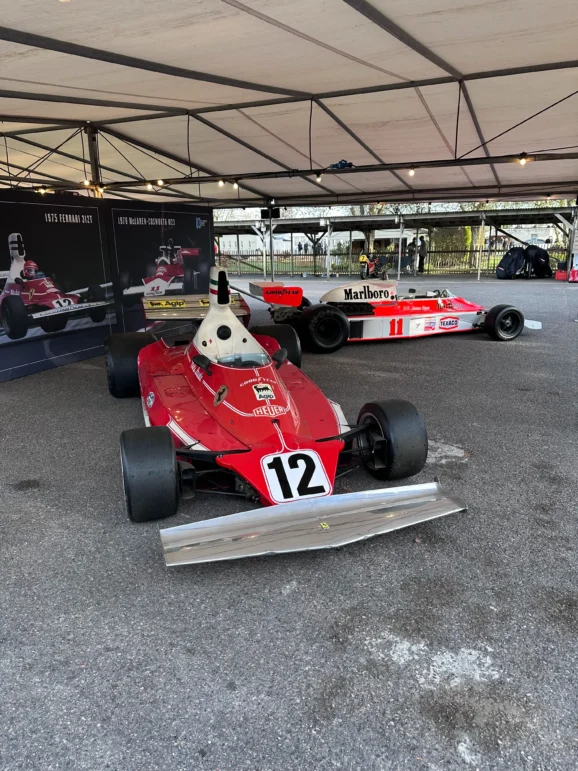
A tribute to James Hunt’s 1976 Formula One world championship also carried one of the more poignant moments of the weekend, as his son Freddie Hunt drove one of his father’s former F1 cars wearing a replica helmet in James’ colours adapted with his own name. Spectators lined the fences as the car was fired up and sent onto the circuit, with the appearance serving as a direct link to one of the sport’s most famous champions. The car was powered by a Cosworth DFV, the engine most closely associated with that era of F1.
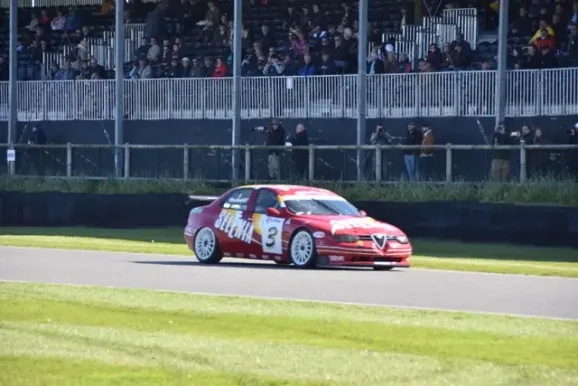
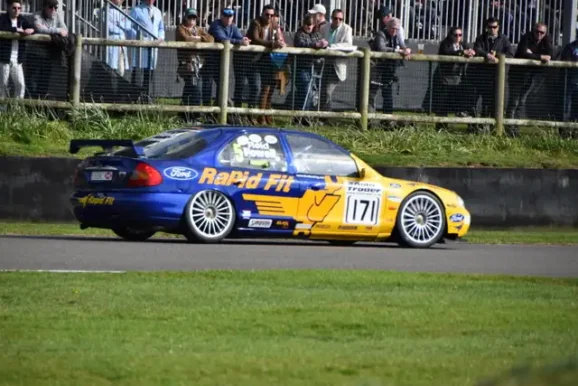
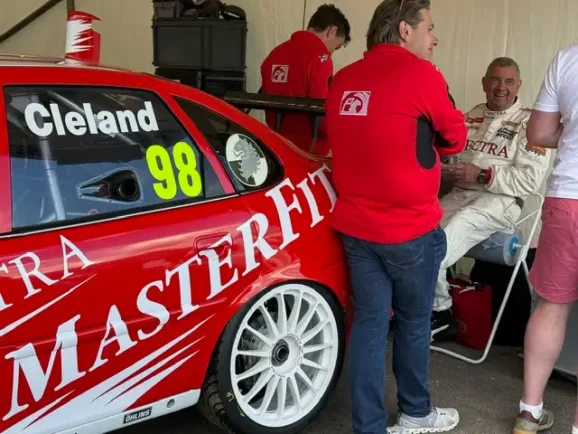
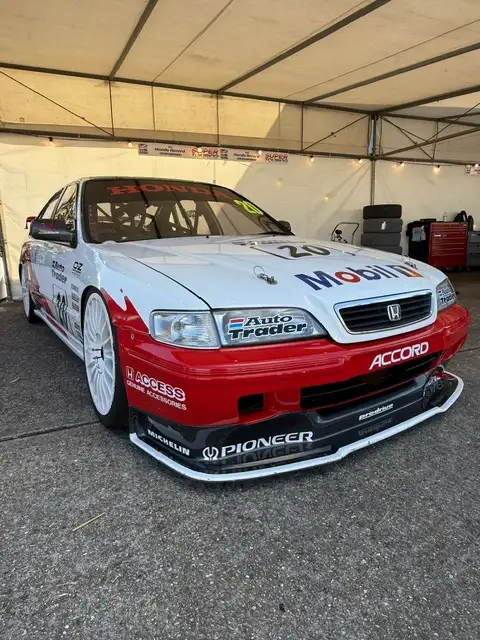
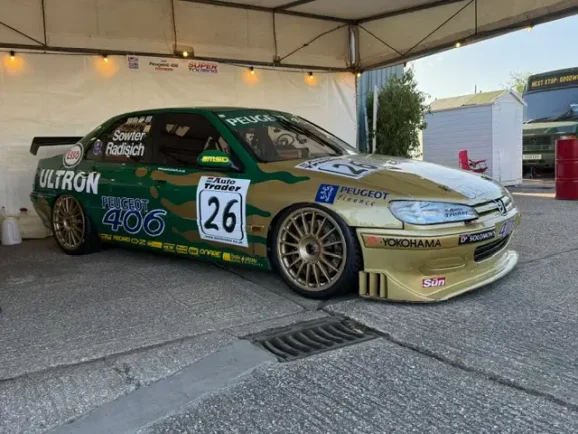
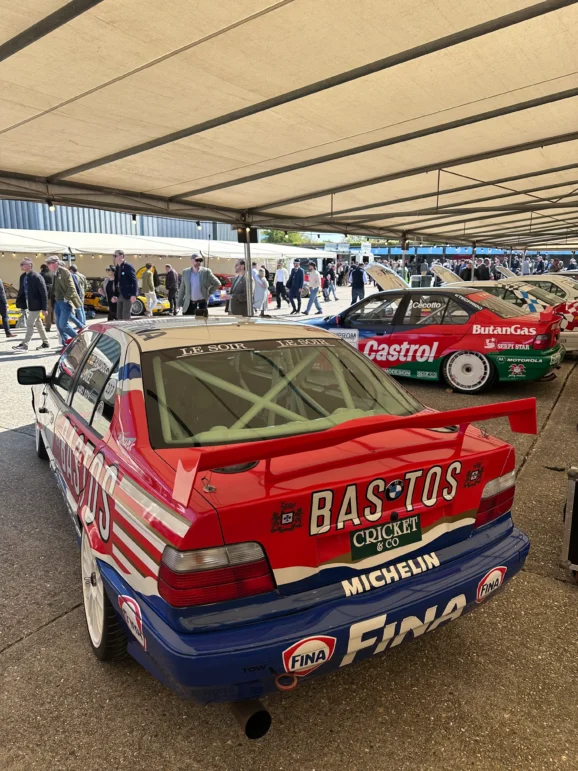
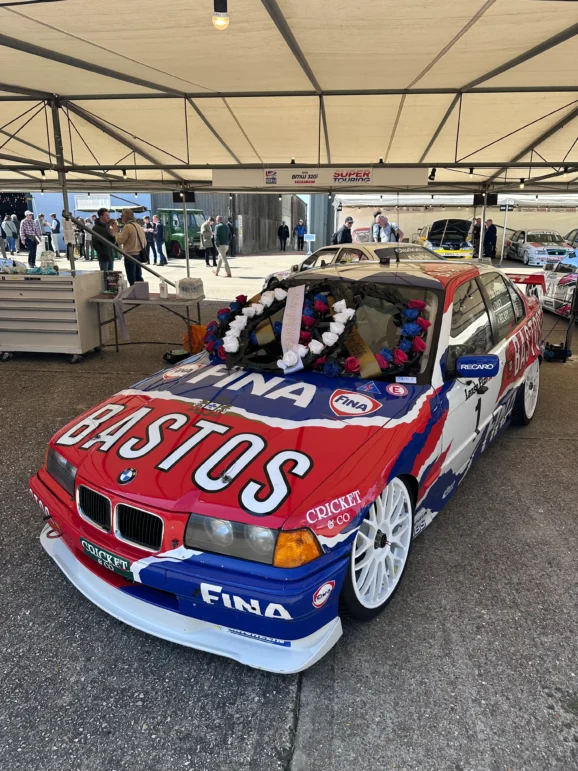
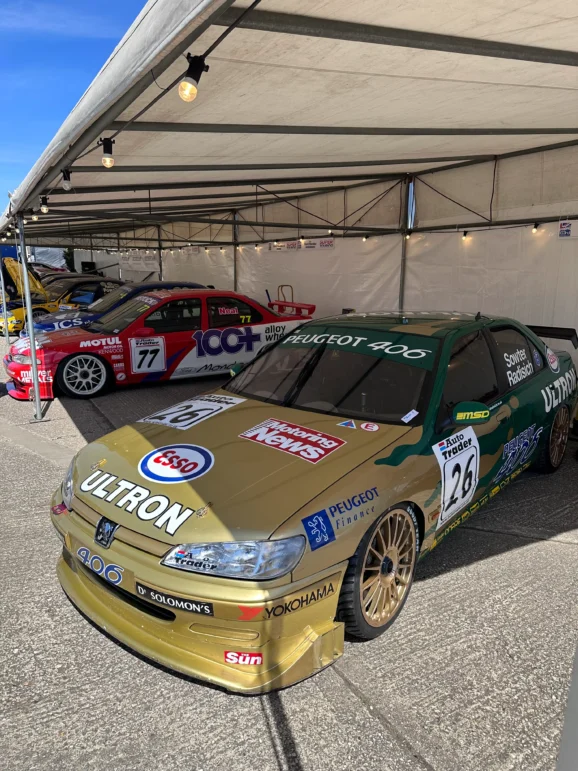
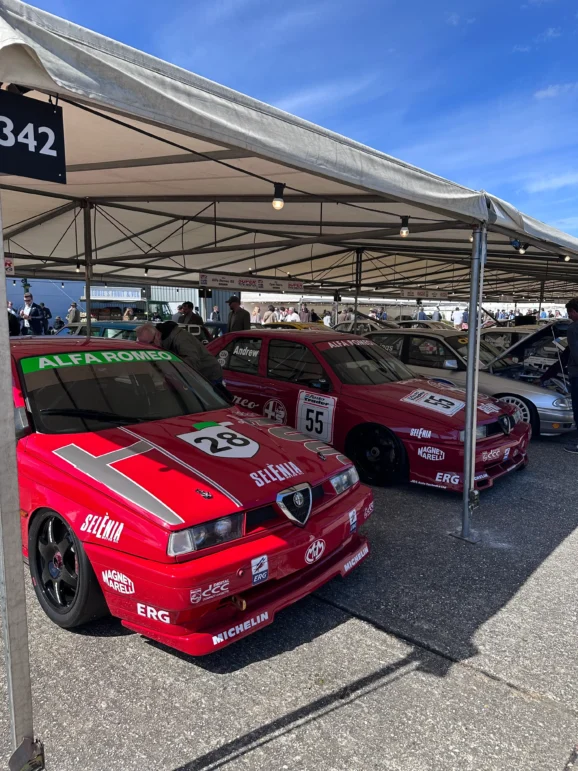
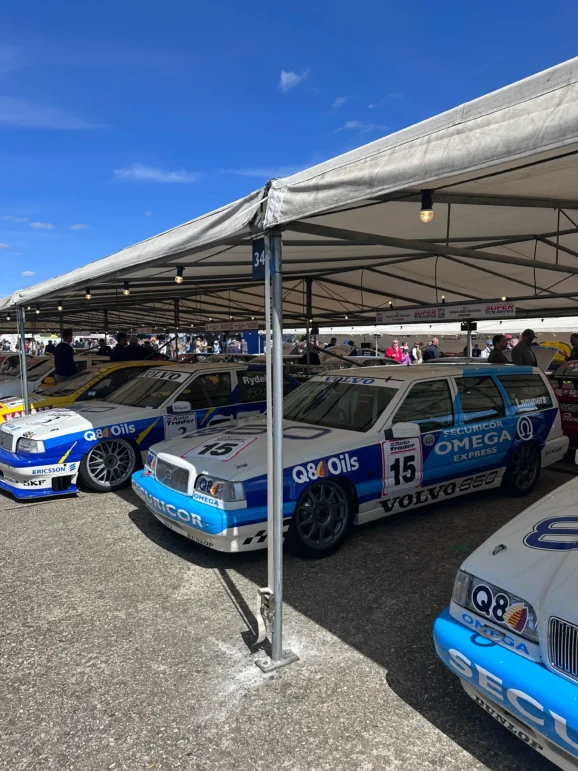
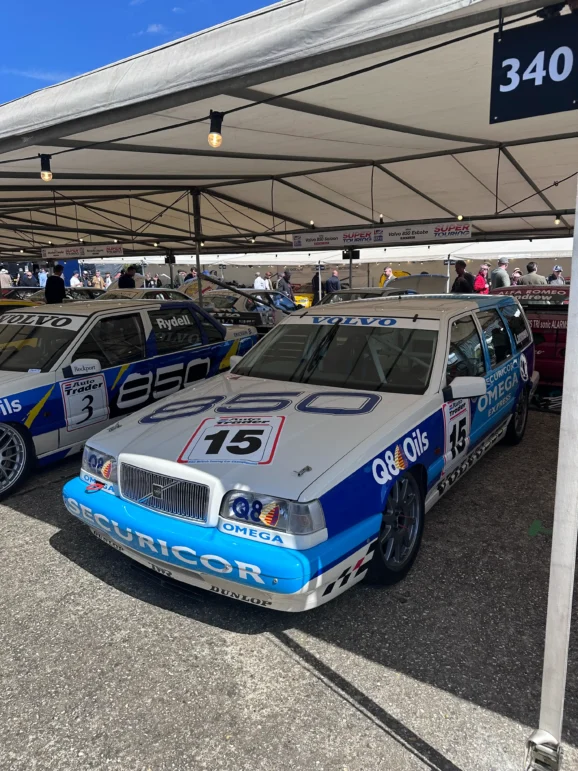
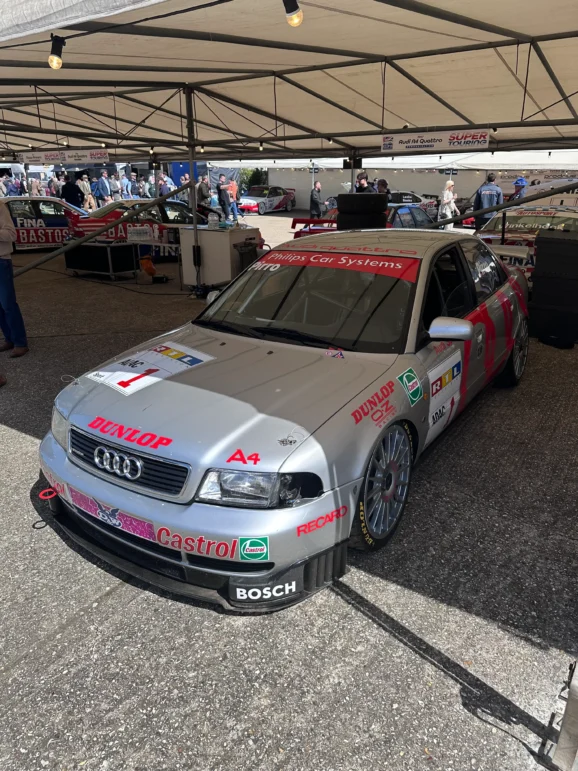
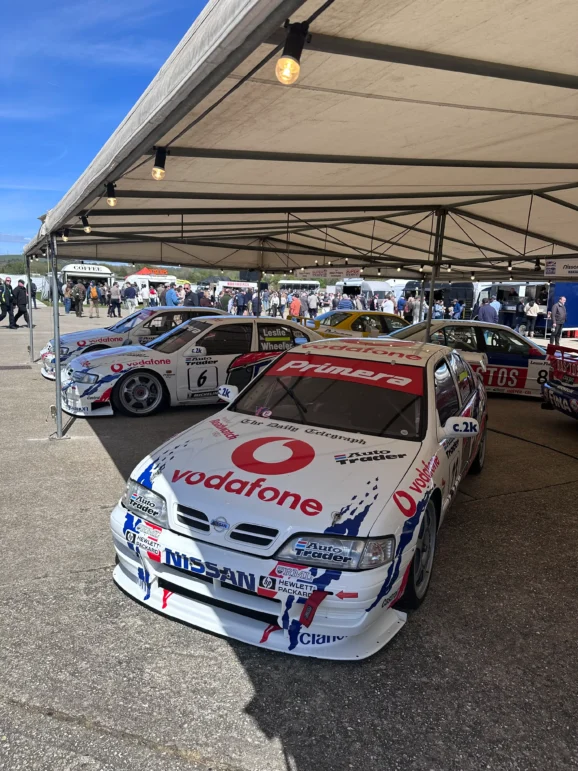
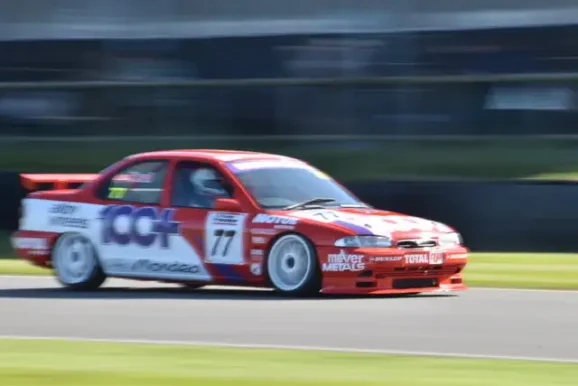
This year’s meeting also brought back one of the biggest names of 1990s touring cars. Steve Soper, one of the defining drivers of the Super Touring era, was part of the Super Touring Shoot-out, a demonstration celebrating the highly developed saloon racers of the late 1990s. The Shoot-out played out over the weekend. Reflecting on that period, Soper said: “I don’t think anyone knew how large and successful it was going to be. They got huge crowds… it was probably the best in the world during that window. Certainly, there wasn’t anything close anywhere else.”
The shoot-out revisited a period when touring car racing briefly reached a level of manufacturer involvement and technical sophistication that rivalled F1. Alfa Romeo, Audi, BMW, Ford, Honda, Peugeot and Vauxhall were among the marques that defined that era, and the scale of the demonstration echoed it.
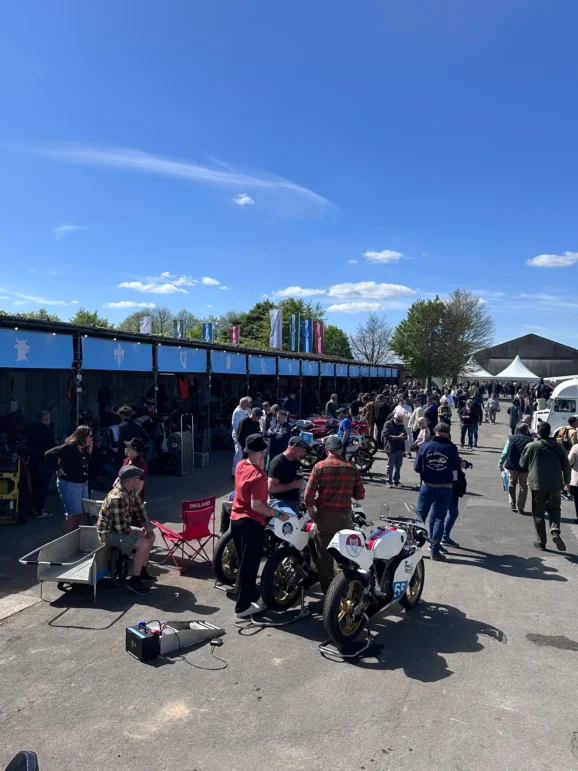
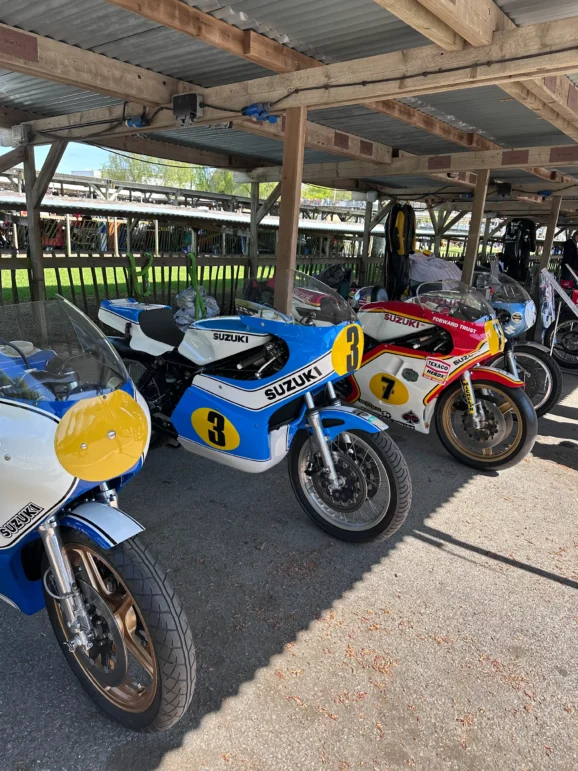
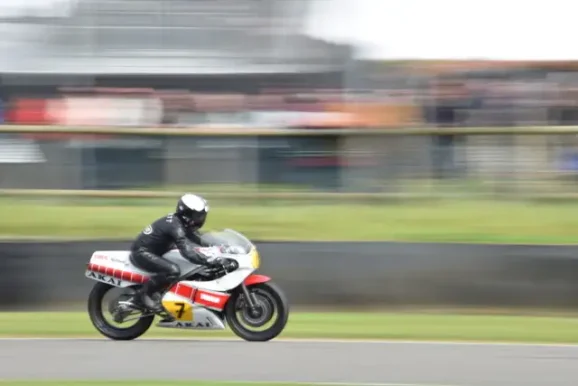
Motorcycle racing also featured one of the programme’s best-known names in Michael Rutter, the British rider whose career has included success at the Isle of Man TT, in British Superbikes and in major international road races. He finished third overall in the Hailwood Trophy featuring the Sheene Trophy, Goodwood’s race for classic Grand Prix-era motorcycles named after Mike Hailwood and Barry Sheene. The overall winner was Storm Stacey, a rising British rider who completed a weekend double after also winning on Saturday, with Jeffery Vermeulen second after the pair traded the lead.
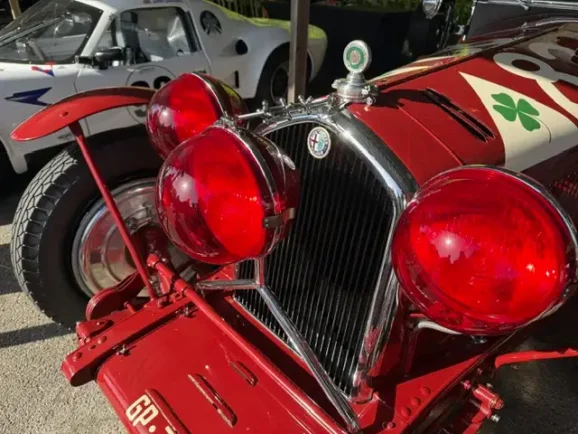
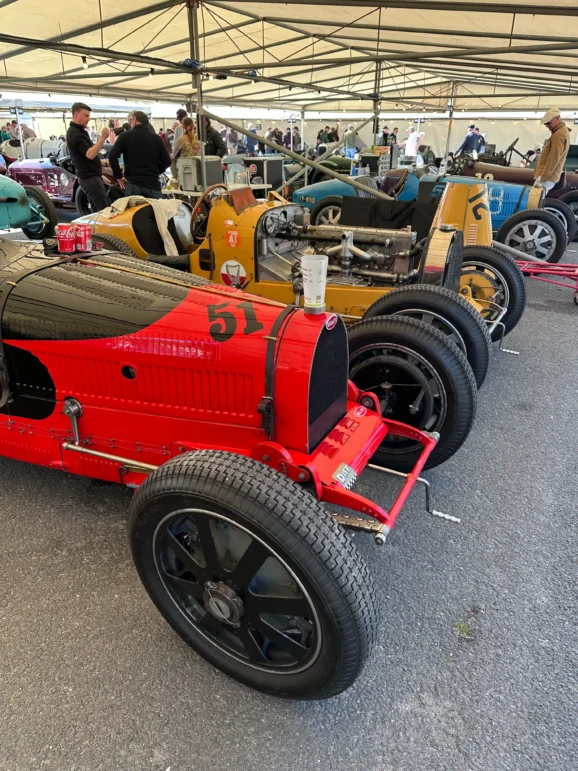
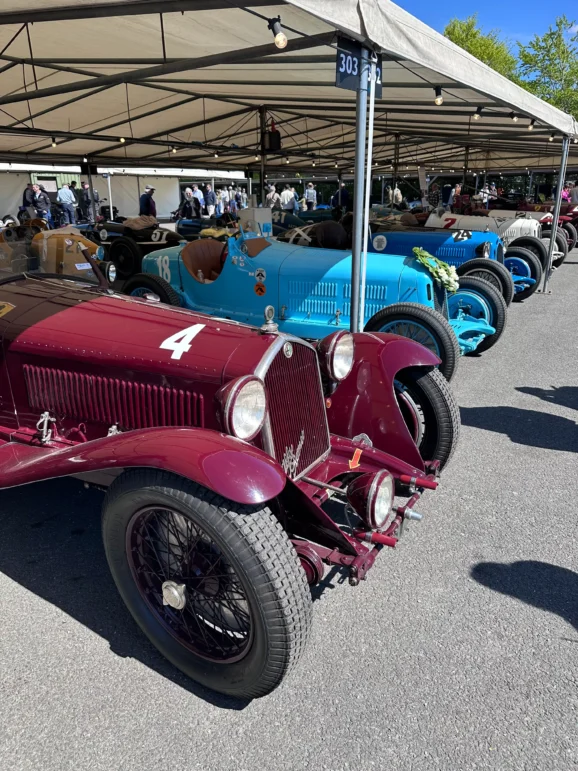
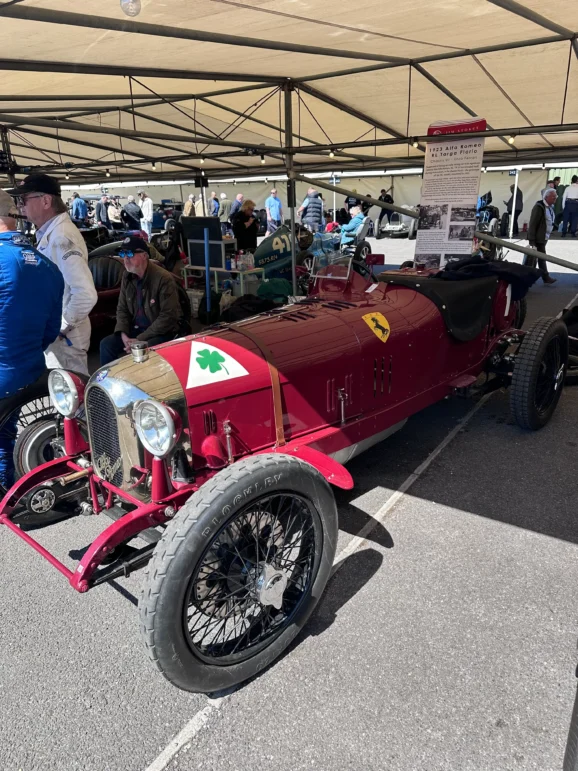
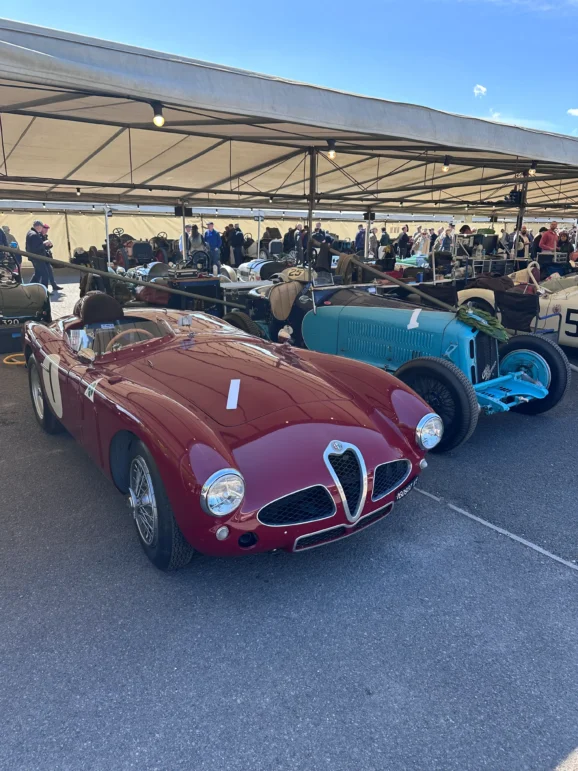
Away from the celebrity names, the meeting delivered a full supporting race programme as it always does. Patrick Blakeney-Edwards won the Varzi Trophy for pre-war Grand Prix cars in an Alfa Romeo 8C 2300 Monza, with Matt Walton second in a Bugatti Type 51 and setting fastest lap, and Christopher Mann third in an Alfa Romeo 8C 2600 Monza. Eight cars retired, including polesitter Johnathan Bailey and Julian Majzub.
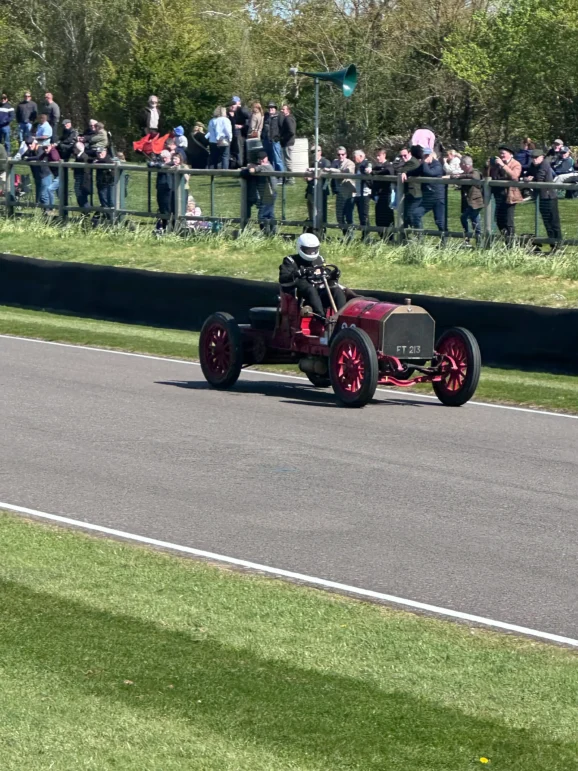
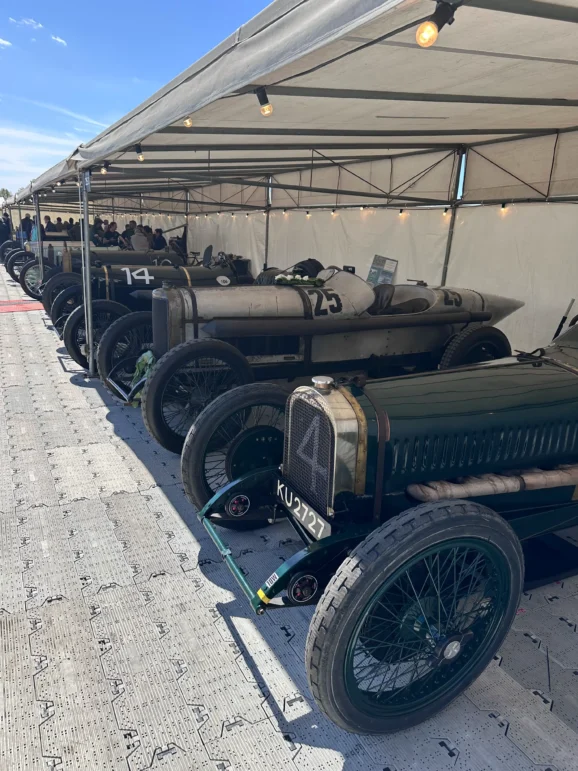
In the S.F. Edge Trophy for Edwardian racers, Archie Bullet won part two and Majzub secured the overall result in his Sunbeam across both races, with Lewis Fox and Ben Collings also among the drivers in one of the meeting’s most physical contests.
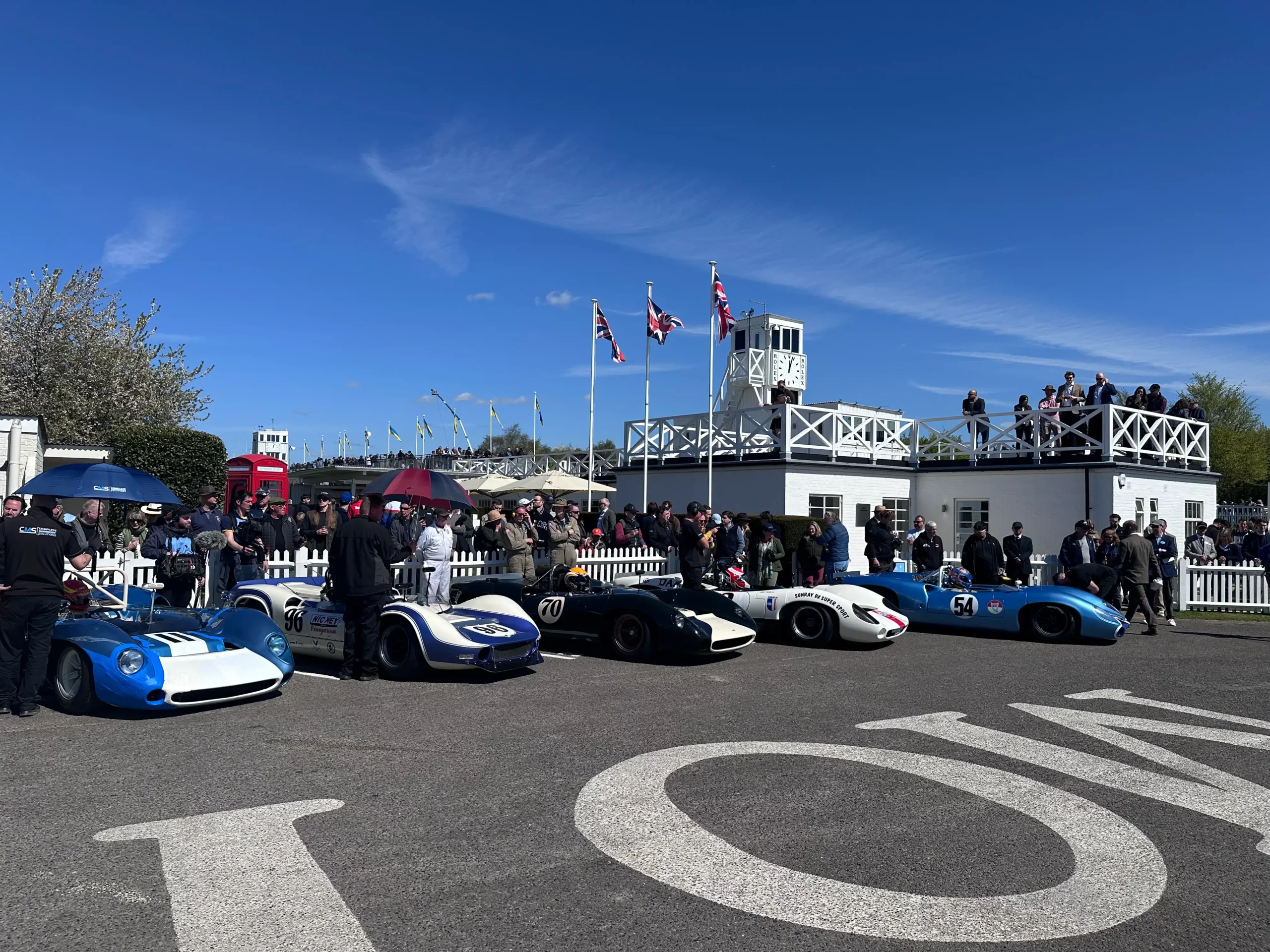
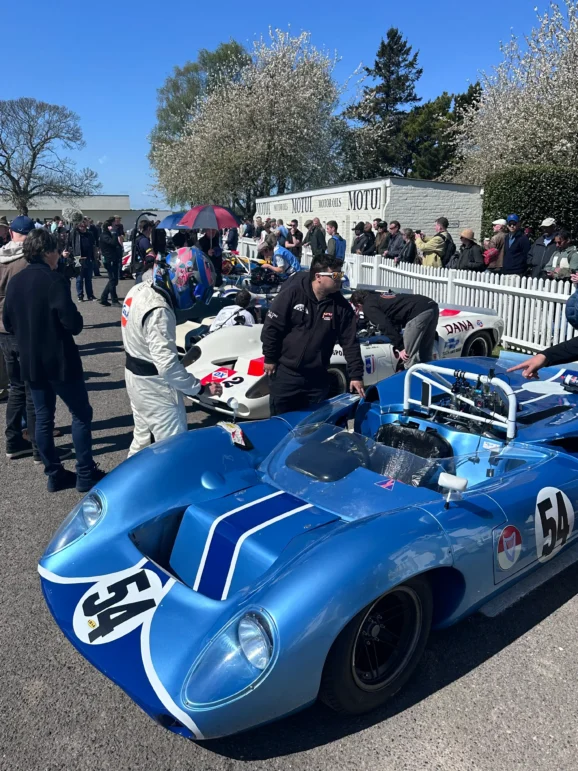
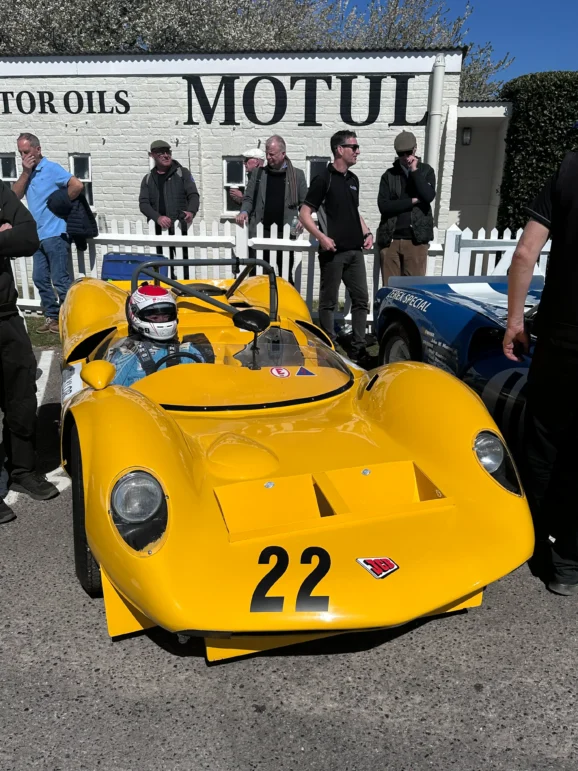
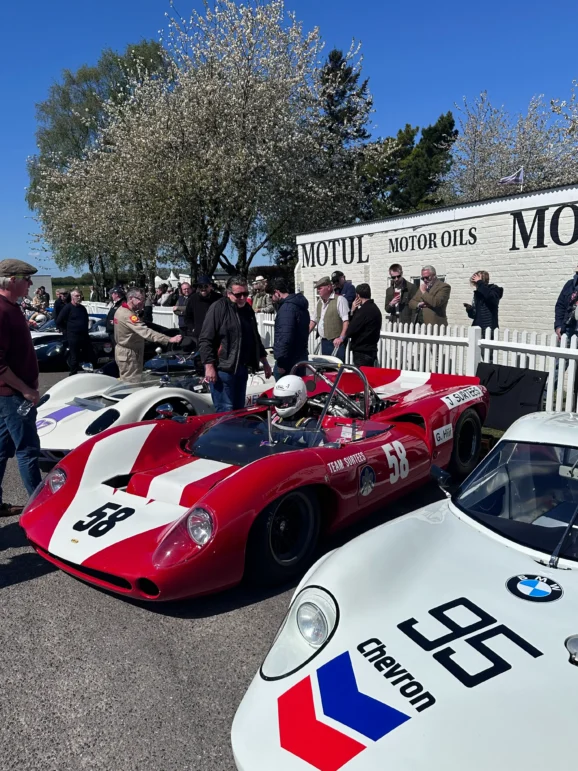
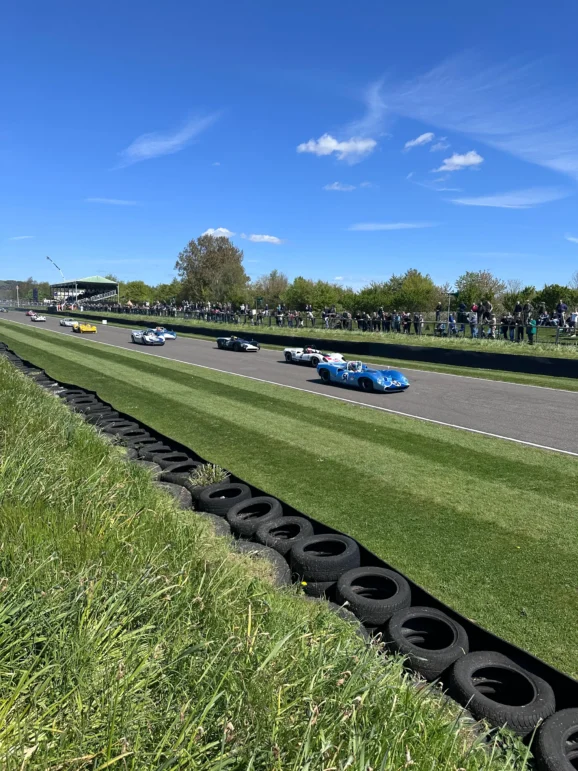
Phil Keen, meanwhile, took the Bruce McLaren Trophy for pre-1966 Can-Am and Group 7 sports cars before and after a red-flag restart, finishing ahead of Stuart Hall in another Lola T70 Spyder and John Spiers in a McLaren M1B.
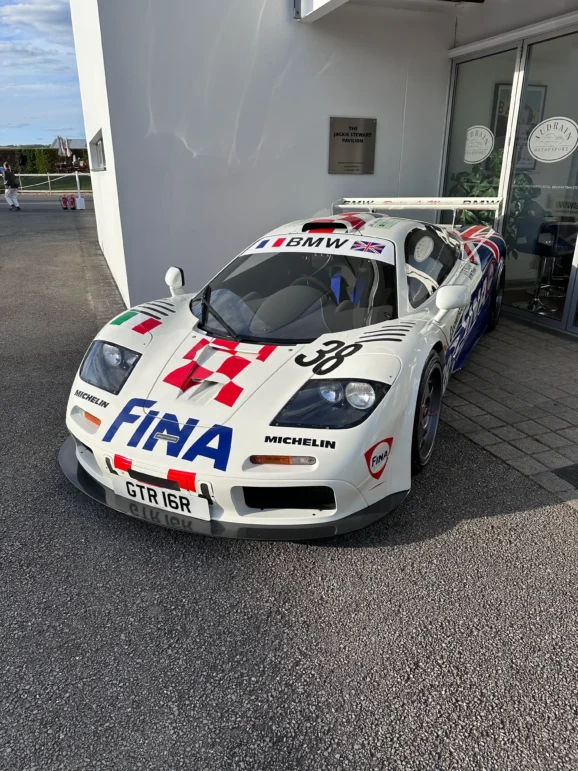
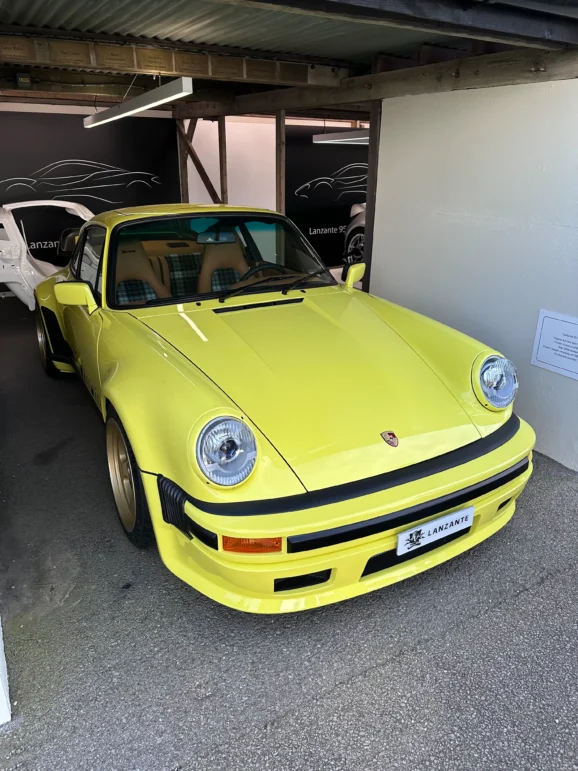
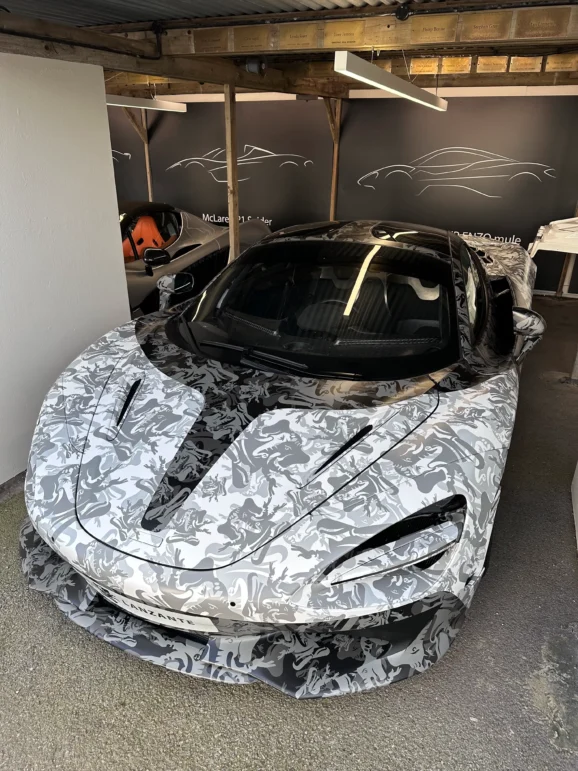
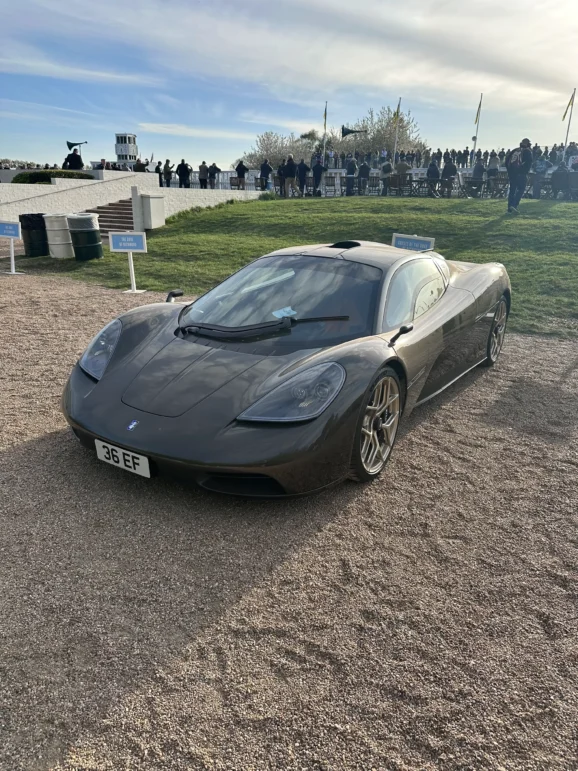
There was also a modern star turn in the paddock, with the global debut of the Lanzante 95 59, a new £1.2 million three-seat supercar created to mark 30 years since the McLaren F1 GTR’s victory at Le Mans in 1995. Developed from a re-engineered McLaren platform, it was presented as a 1,200kg road car with more than 850bhp, a 4.0-litre twin-turbo V8 and a central driving position inspired by the original McLaren F1.
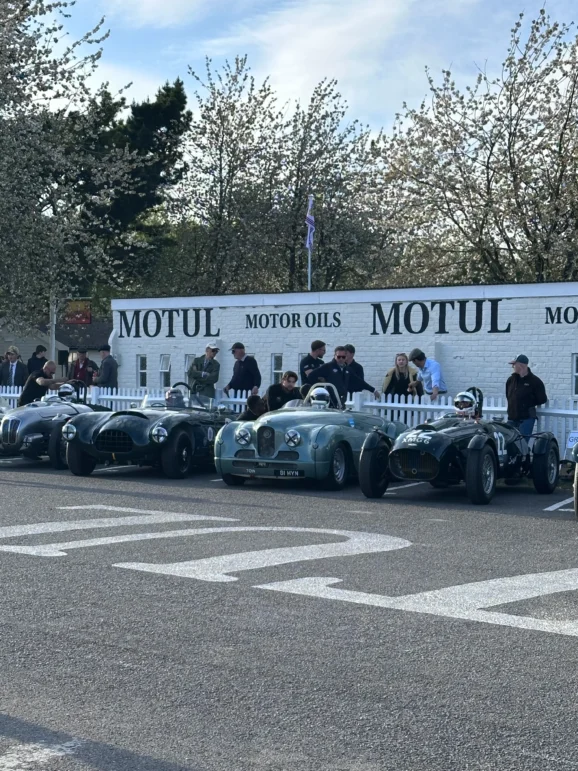
Later races included the Derek Bell Cup for 1,000cc Formula 3 cars – the so-called “screamers” – and the Peter Collins Trophy for early-1950s sports cars. In the Derek Bell Cup, Dan Eagling and Andrew Hibberd retired with mechanical trouble, leaving Enrico Spaggiari to win in a Lotus 41X ahead of Jeremy Timms and Charlie Martin. The Peter Collins Trophy then produced one of the closest finishes of the weekend, with Gary Pearson’s Jaguar XK120 Mistral beating Martin Stretton’s Frazer Nash Mille Miglia by 0.160 seconds.
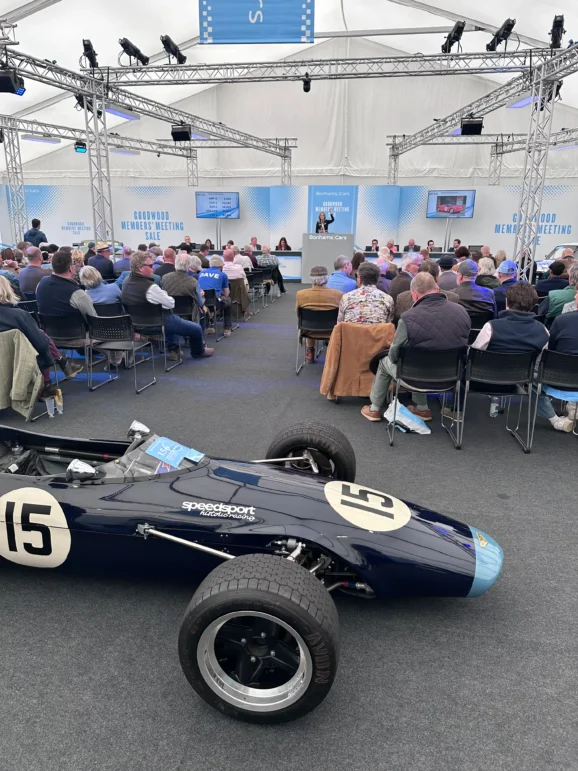
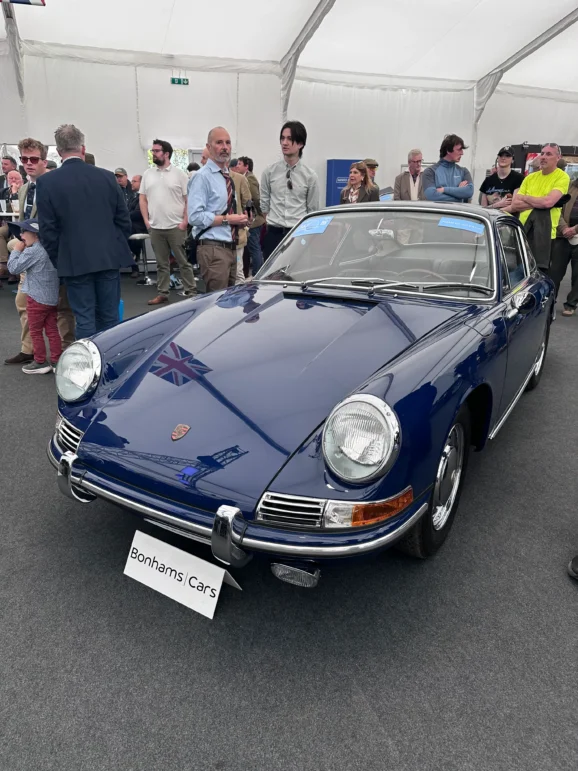
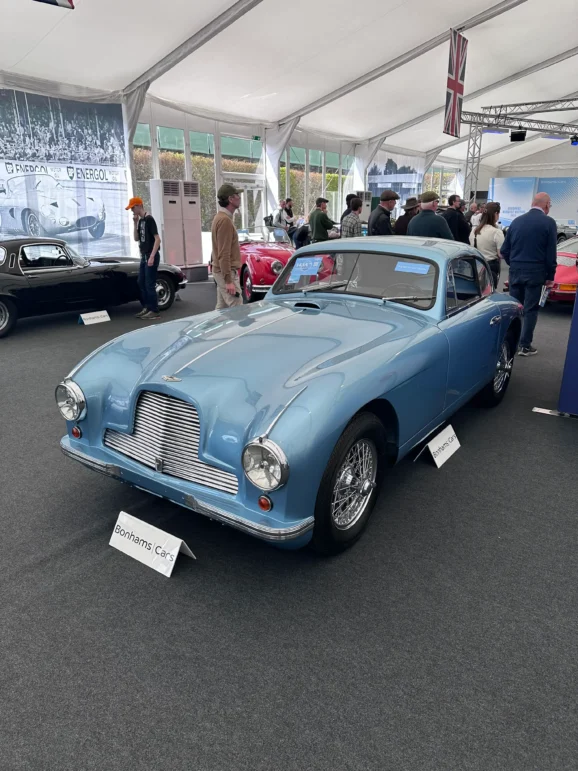
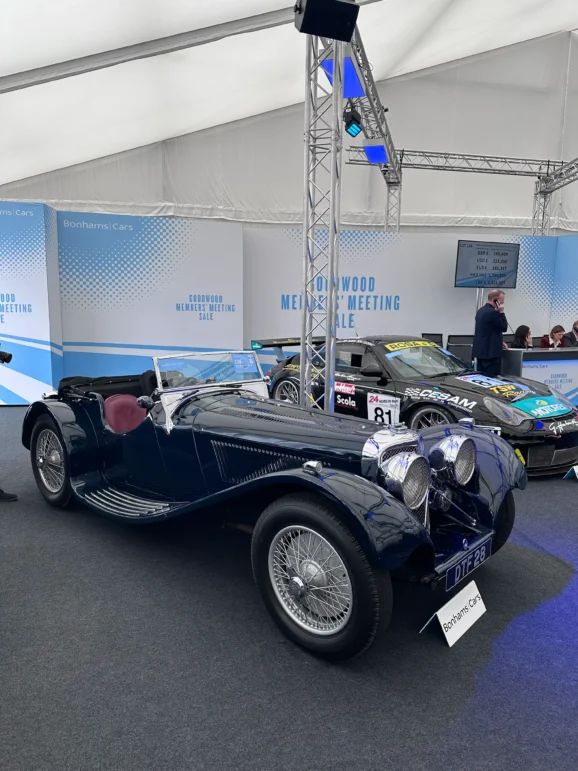
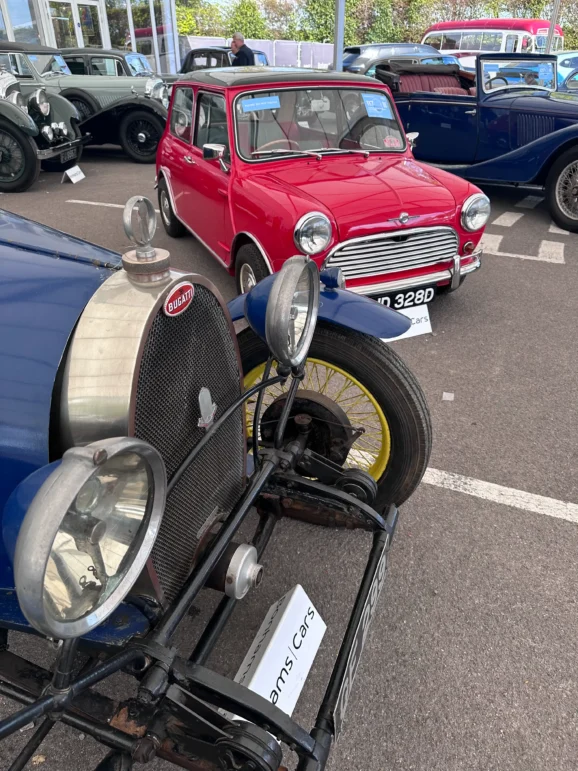
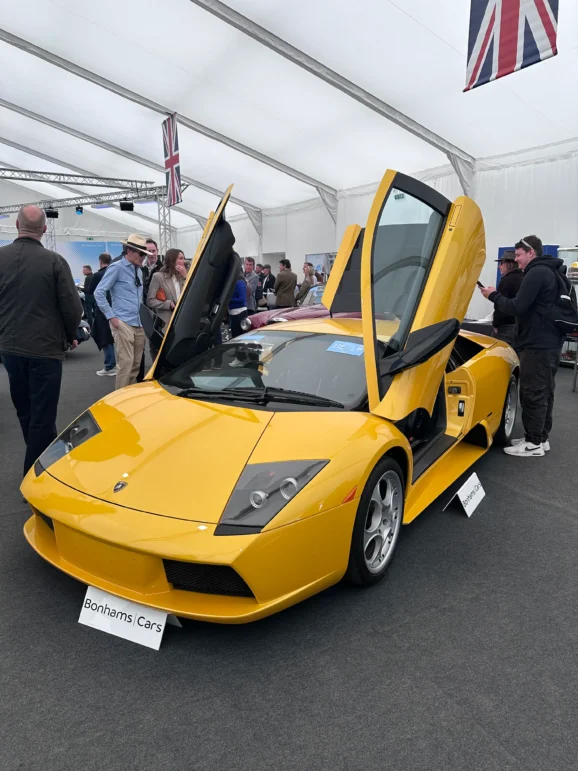
Off the track, Bonhams’ sale added another layer of interest for visitors, topped by a 1939 SS 100 Jaguar 3½ Litre Sports, which sold for £218,500.
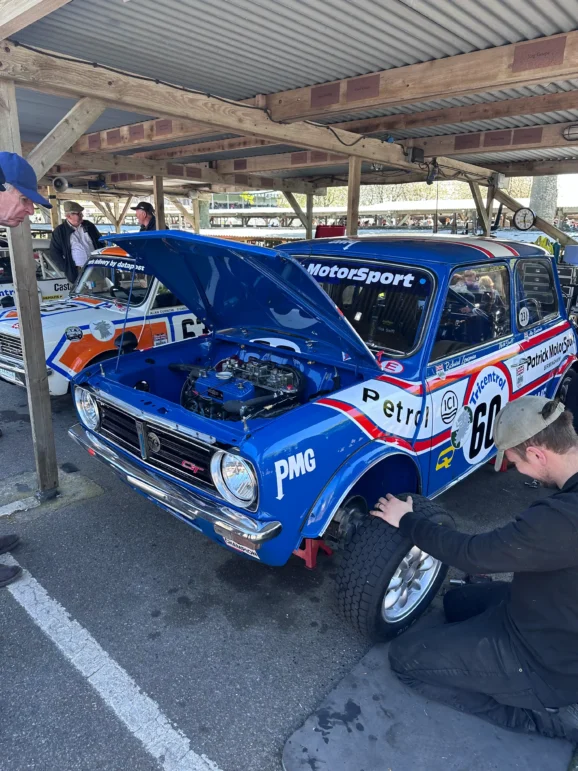
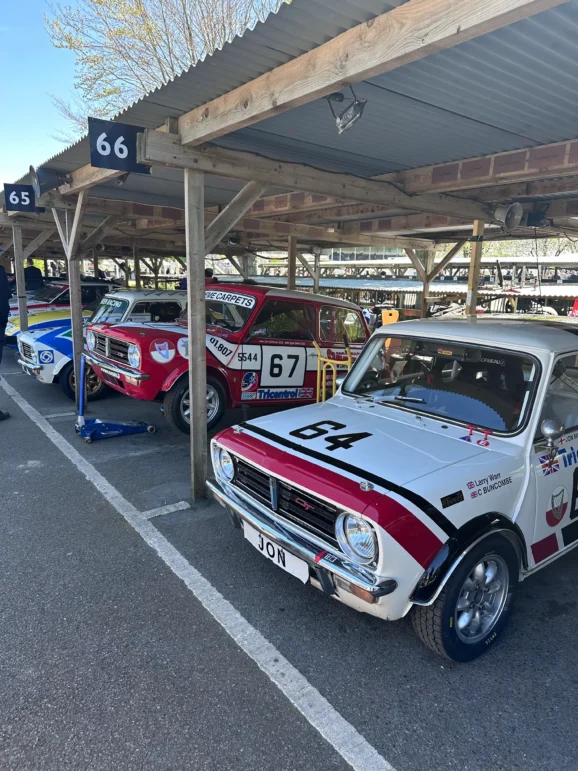
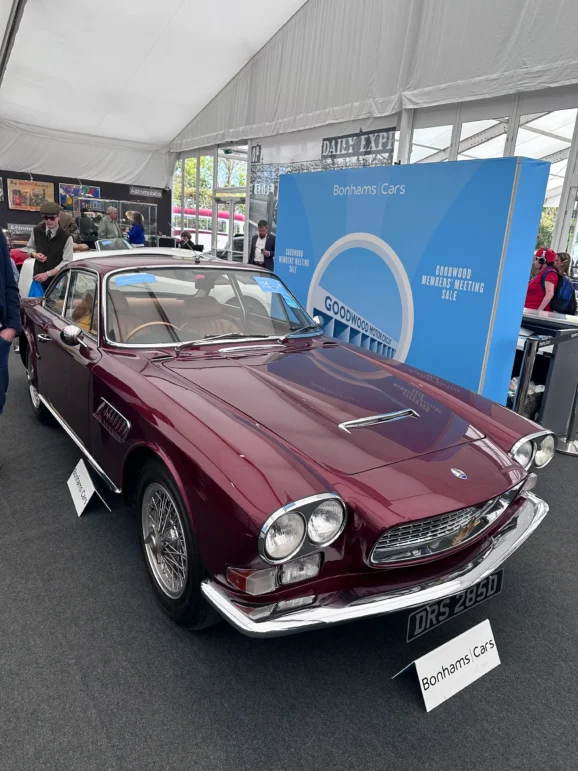
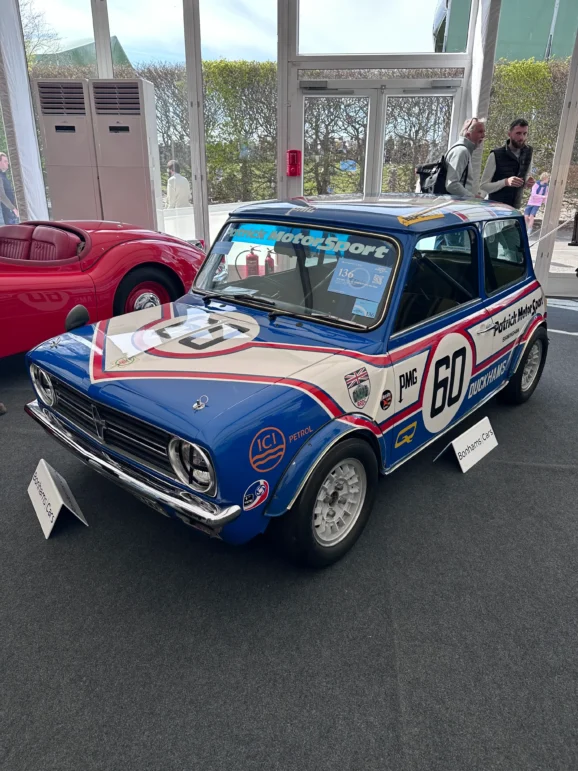
Other notable results included £92,000 for a 1952 Bentley Mark VI 4½ Litre Drophead Coupé, £105,000 for a 1974 Jaguar E-Type Series 3 V12 Commemorative Roadster, £80,500 for an ex-Richard Longman 1978 Mini 1275 GT Competition Saloon, £98,900 for a 1966 Maserati Sebring Series II Coupé, £126,500 for a 1965 Porsche 911 2.2 Litre Coupé, £115,000 for a 1972 Porsche 911S 2.2 Litre Coupé, and £101,200 for a 1928 Bugatti Type 40 Sports, chassis 40667.
As ever, the breadth of the sale mirrored the breadth of the event itself and of Goodwood’s spring auction, now a fixture of the historic car calendar.
Why Goodwood appeals to families and non-petrolheads
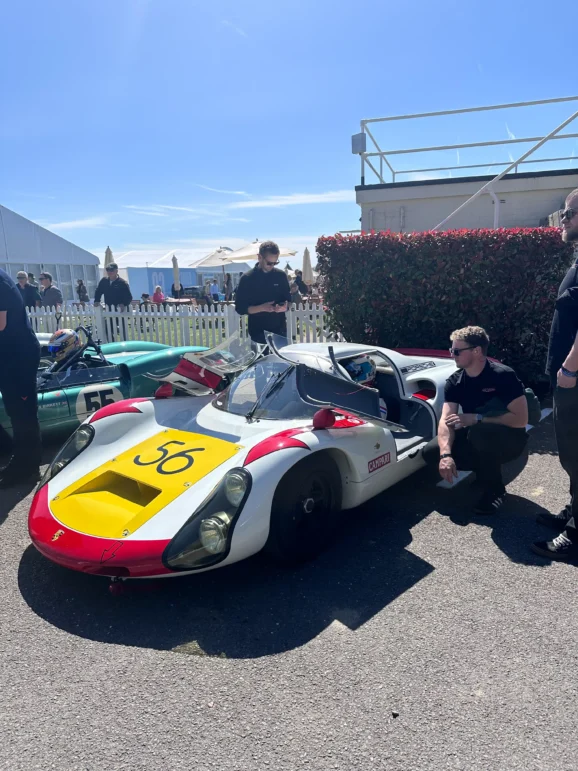
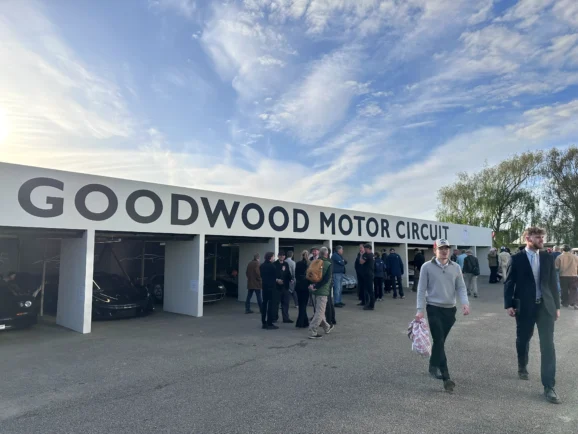
The Members’ Meeting’s roots stretch back to 1949, when Goodwood hosted race weekends for members of the British Automobile Racing Club, and the event was revived in 2014. Unlike most race meetings, it is an ideal day out for those with little interest in motorsport. You needn’t know the difference between a Fiat and a Ferrariand a McLaren, or follow the results closely, to enjoy the Members’ Meeting. Much of the appeal lies in the atmosphere, the access and the variety of things to see away from the racing itself.
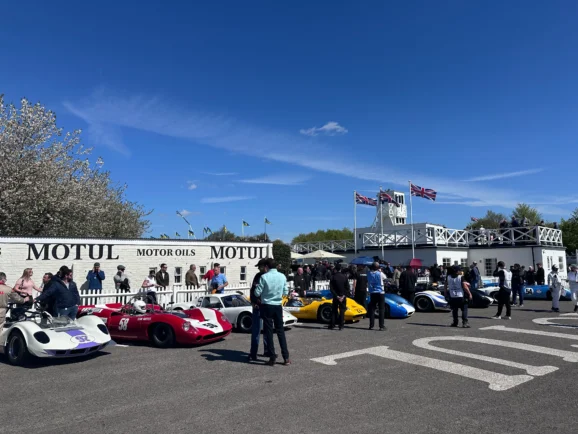
The paddocks are open, which means families and casual visitors can get close to the cars, bikes, drivers and mechanics rather than watching from a distance all day. Children can see teams working on the machinery, ask questions and look at details that would normally be hidden at larger events. For adults who are less interested in lap times and technical detail, that access makes the day easier to follow and more engaging.
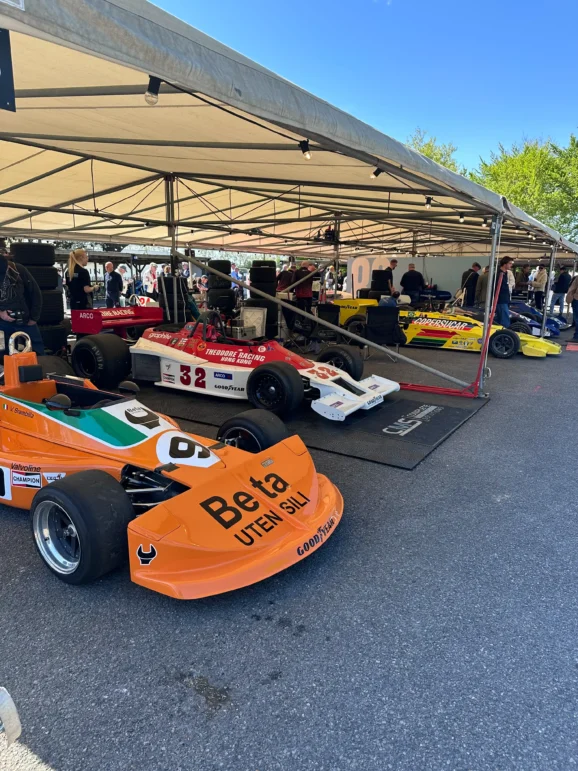
In the Win Percy paddock this year, for instance, drivers could be seen reviewing data and discussing overnight set-up changes, while engineers from different teams compared notes on tyre temperatures. In the motorcycle area, mechanics were checking clearances on two-stroke engines. Edwardian teams, meanwhile, were tightening leather straps, checking magnetos and adjusting carburettors.
Attendance is also limited, which helps make the site easier to move around.
There is also plenty to hold the attention away from the circuit. Food stands, market stalls and general people-watching all form part of the experience. Visitors this year could choose from wood-fired pizza, gourmet burgers, bao buns, fresh pastries, Sussex sausages and coffee. The on-site marketplace, meanwhile, mixes vintage clothing, motorsport art, enamel badges, hand-stitched leather goods and other specialist items, alongside sculptures made from aeroplane parts, including turbine housings turned into lamps and propeller blades repurposed as furniture.
The Members’ Meeting also feels more relaxed than many major sporting events. Despite the high level of machinery and the famous names involved, the atmosphere is informal and approachable. Spectators can see well-known drivers in the paddock, families can move around comfortably, and the whole event feels social rather than intimidating. In the paddock, one father could be seen explaining the difference between a Lola T70 and a McLaren M1B to his teenage daughter – the kind of small moment that helps explain why Goodwood works so well for people who have come for more than just the racing.

Mark G. Whitchurch is a seasoned motoring journalist whose work—covering road tests, launch reports, scenic drives, major races, and event reviews—has appeared in The Observer, Daily Telegraph, Bristol Evening Post, Classic & Sports Car Magazine, Mini Magazine, Classic Car Weekly, AutoCar Magazine, and the Western Daily Press, among others. He won the Tourism Malaysia Regional Travel Writer of the Year in 2003 and is a member of The Guild of Motoring Writers.
READ MORE: ‘The European road test: the Audi A6 Avant Hybrid‘. Motoring editor Mark G Whitchurch takes the 2026 Audi A6 Avant Hybrid to North Cornwall, pairing a springtime coastal escape with a close look at Audi’s refined new executive estate.
Do you have news to share or expertise to contribute? The European welcomes insights from business leaders and sector specialists. Get in touch with our editorial team to find out more.
Images, courtesy @thetravellingginger and Mark Feetham