
Middle East tensions expose Europe’s energy vulnerability as flexibility reshapes clean energy investment

The smarter E Europe
- Published
- Sustainability
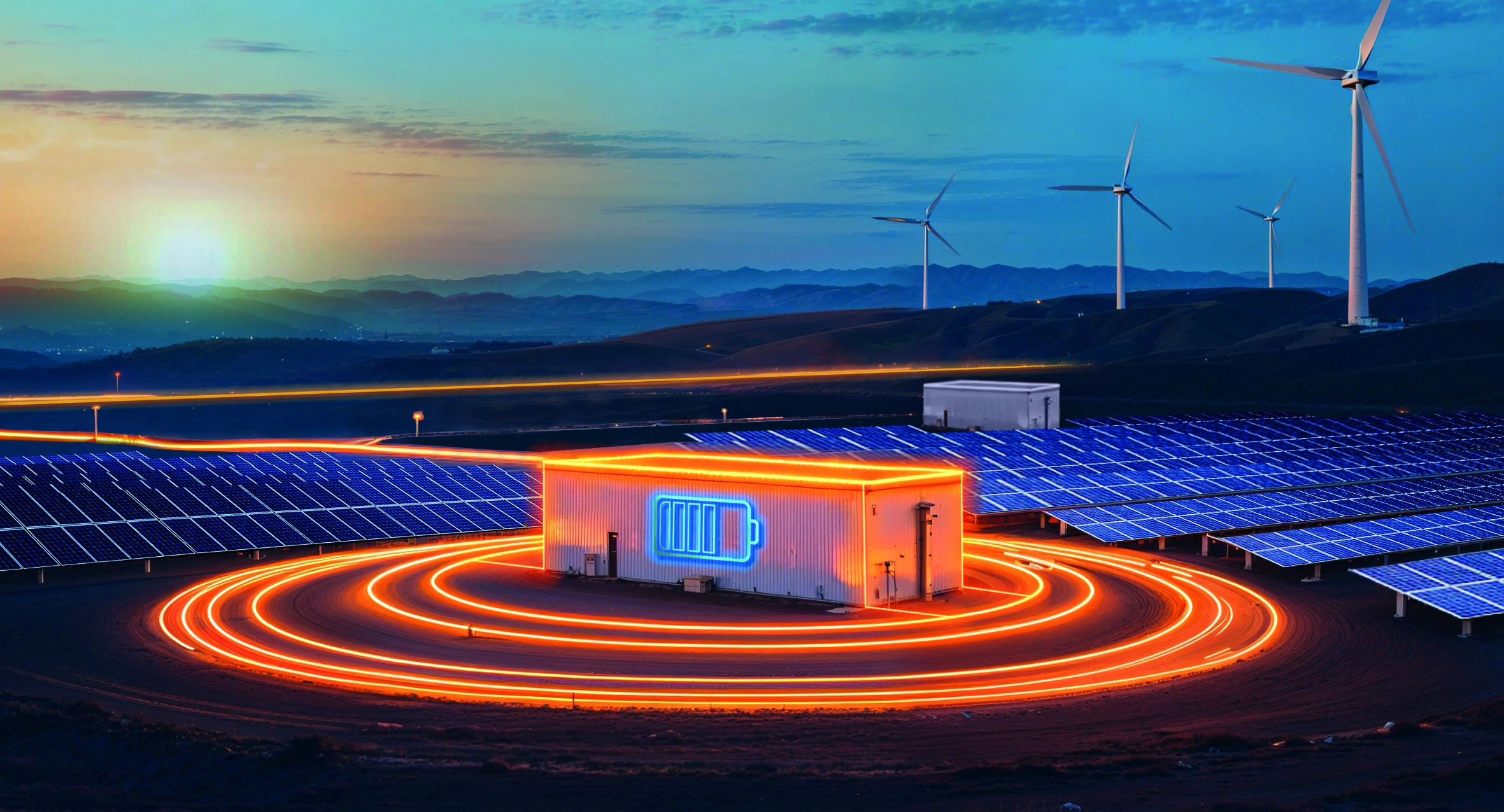
The latest tensions in the Middle East have delivered another warning to Europe about the fragility of fossil-fuel dependence and the strategic urgency of the energy transition. In this exclusive analysis, The smarter E Europe sets out why flexibility is becoming a key factor in future clean-energy investment
For Europe, recent geopolitical tensions in the Middle East and renewed attacks in Ukraine have once again brought into sharp focus the extreme vulnerability of an energy system dependent on imported fossil fuels.
These risks mean Europe needs to speed up the move to clean energy, not slow it down, so it can secure its energy supply, stay economically competitive and rely less on other countries.
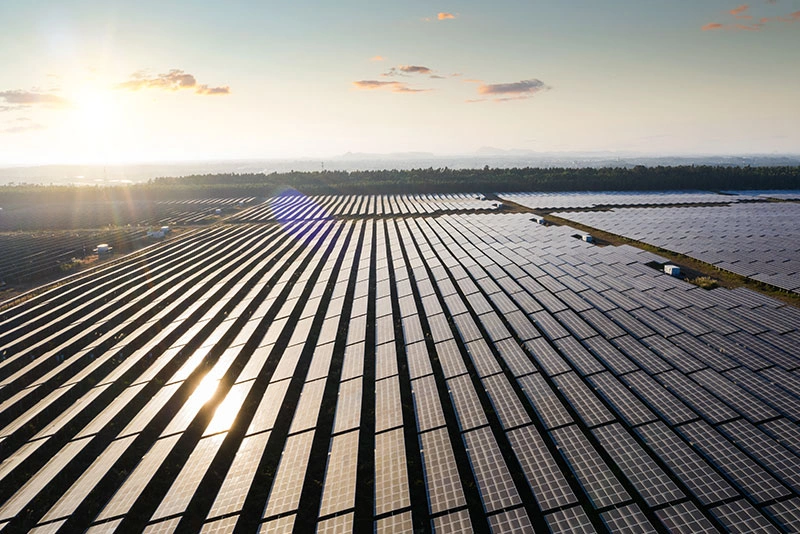
This is already reflected in investment trends, with the International Energy Agency reporting around US$2.13 trillion invested in clean energy technologies globally in 2025, compared with US$1.1 trillion in fossil-based energy generation. In 2024, the levelised cost of electricity from free-standing solar power (photovoltaic, PV) was around 41 per cent lower than the cheapest fossil fuel alternative.
As renewable markets in Europe have expanded and matured, however, new challenges are beginning to emerge. The growing number of negative or very low spot price hours is becoming a central concern, putting pressure on the market value of solar power, a trend analysts expect to persist for the next two to three years.
At the same time, higher interest rates, grid congestion, lengthy approval processes and increased revenue risk are making financing more demanding, driving up risk premiums and tightening lending conditions.
In response, the industry is moving towards more integrated, market-oriented systems that combine generation, flexibility and commercial strategy. In the utility-scale segment, the focus is shifting away from standalone solar (photovoltaic, PV) assets towards hybrid projects that combine PV with battery storage (BESS), wind and other technologies behind a single grid connection. These solutions make better use of existing infrastructure, provide a more consistent supply of power and are easier for the grid to handle.
Alongside this shift, projects are selling electricity in a wider range of ways, including direct sales, hybrid power purchase agreements (PPAs) and grid services. Combining these income streams is becoming standard practice.
As part of this, flexibility is becoming a tradable commodity, driven by the intelligent management of controllable demand, storage, charging and generation. This is creating a new ecosystem of services and providers, including energy-as-a-service models, white-label solutions for utilities and software platforms that automatically adjust systems in response to price and grid signals.
Financing frameworks are also evolving, with investors increasingly bundling solar (PV), wind and battery storage (BESS) assets into diversified portfolios. This change is directing more capital towards scalable platforms with strong pipelines, standardisation and professional asset management. Diversification helps manage risk and price volatility, while battery storage is becoming an important driver of long-term value.
At the same time, energy infrastructure is becoming more decentralised and digital, moving away from centralised, analogue systems. Grids and assets are becoming smarter, allowing flexibility to be used more effectively and reducing pressure on the system.
Consumers are also taking a more active role, generating, storing and using their own electricity while benefiting financially. This is helping to build public support and attract private investment.
What remains important is that policymakers put in place subsidies and market rules that ensure the benefits of renewables are shared across society and prevent long-term reliance on fossil fuels.
Further information
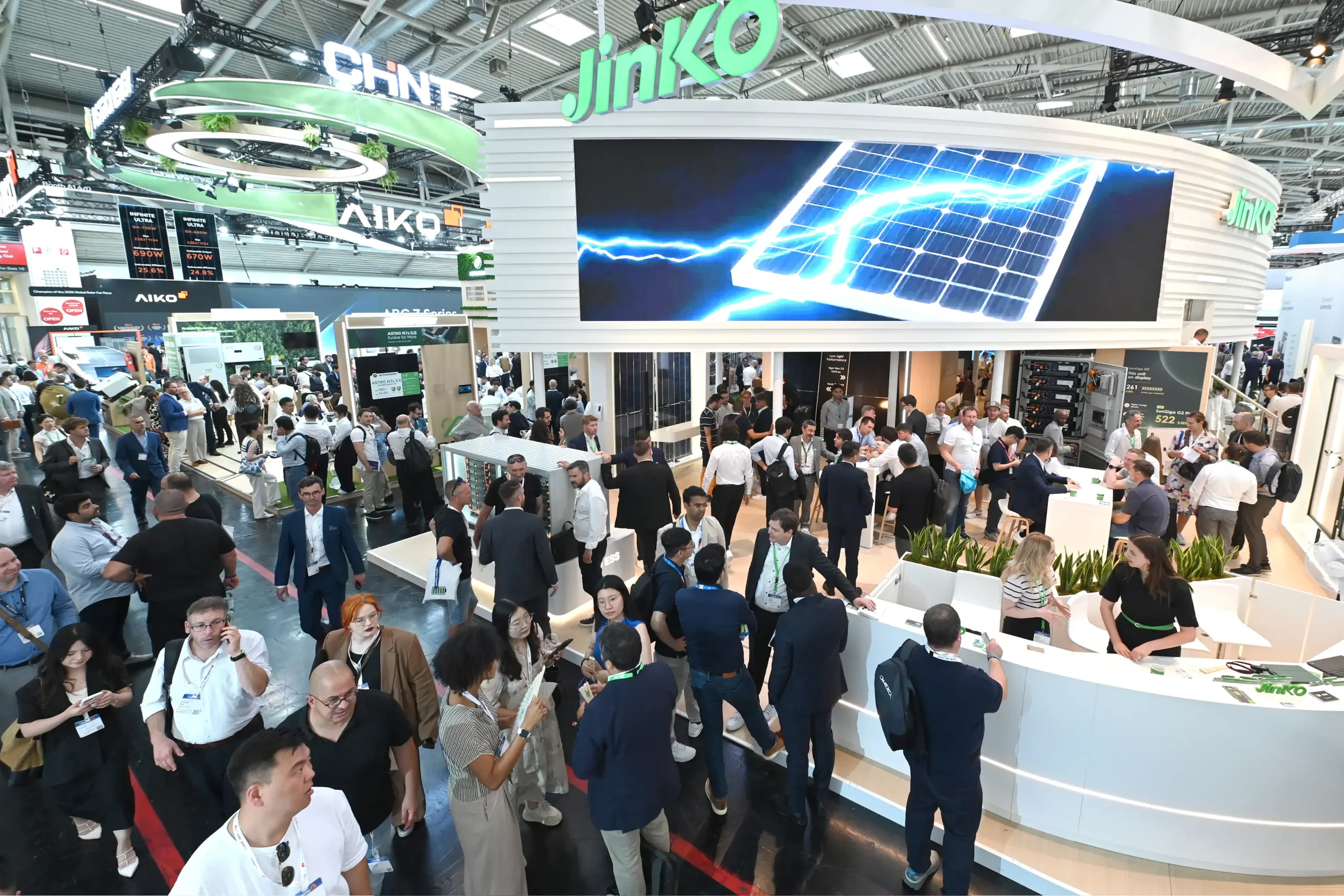
Produced with support from The smarter E Europe. Technologies, business models and digital solutions including bidirectional charging and hybrid PPAs will be presented at The smarter E Europe, Europe’s largest alliance of exhibitions for the energy industry, taking place from 23–25 June 2026 at Messe München.
To read The European’s interview with Horst Dufner, Head of The smarter E Europe, and to find out more about the exhibition and its programme, visit www.the-european.eu
READ MORE: ‘Landmark UK nuclear deal to cut reliance on foreign energy after Middle East tensions‘. With the war in the Middle East again exposing Britain’s vulnerability to fossil-fuel shocks, the government says it will begin work on the UK’s first small modular nuclear reactors as part of its push for more secure homegrown power.
Do you have news to share or expertise to contribute? The European welcomes insights from business leaders and sector specialists. Get in touch with our editorial team to find out more.
TOP STORIES
-
 Britain faces higher winter energy prices as reliance on European electricity imports grows
 -
New Springer books put the UN’s struggling sustainability goals to the real-world test
-
Europe’s solar boom set for two-year slowdown after record growth
-
Scientists develop new chemicals to tackle devastating oil spills at sea
-
Giant wind turbine with 252-metre rotor could mean fewer machines and cheaper offshore power
-
Rescuers scramble to protect pod of 25 whales in Thames Estuary
-
Costa Rica’s research moment
-
Loch Lomond’s 'Bonnie Banks at risk’ from major road upgrade
-
Only 14% of companies can show supply chain safeguards are working, study finds
-
Hackers could plunge Britain into darkness in less than two minutes, report warns
-
Europe adds enough new wind power for 7m homes as record year beckons
-
New global map reveals 800 businesses trying to cut plastic waste
-
Six young sea eagles released on Exmoor after 200-year absence
-
Firms with political pals ‘get away with greenwashing’
-
Germany could run on full renewables by 2045, study reveals
-
Rewilding improves wellbeing and community connection, charity report says
-
A new energy era: full renewable energy supply is possible
-
Students unveil world’s first solar-powered ambulance
-
Nobel laureate Omar Yaghi launches global science network
-
Volunteers collect 11m rare seeds to restore Scotland’s native forests
-
Facebook owner Meta signs Texas solar deal with Turkish renewables firm
-
Street-by-street maps to reveal where England’s poorest communities face worst environmental risks
-
Stanley Johnson: the Government must ‘follow Ukraine back into Europe’s green network’
-
Ukraine joins European environment network in major conservation step after war damage to land and wildlife
-
China offers UK coastal rescue lessons as Yancheng wetlands hailed by conservation figures





Middle East tensions expose Europe’s energy vulnerability as flexibility reshapes clean energy investment
The smarter E Europe
- Published
- Sustainability
TOP STORIES
-
Britain faces higher winter energy prices as reliance on European electricity imports grows
-
New Springer books put the UN’s struggling sustainability goals to the real-world test
-
Europe’s solar boom set for two-year slowdown after record growth
-
Scientists develop new chemicals to tackle devastating oil spills at sea
-
Giant wind turbine with 252-metre rotor could mean fewer machines and cheaper offshore power
-
Rescuers scramble to protect pod of 25 whales in Thames Estuary
-
Costa Rica’s research moment
-
Loch Lomond’s 'Bonnie Banks at risk’ from major road upgrade
-
Only 14% of companies can show supply chain safeguards are working, study finds
-
Hackers could plunge Britain into darkness in less than two minutes, report warns
-
Europe adds enough new wind power for 7m homes as record year beckons
-
New global map reveals 800 businesses trying to cut plastic waste
-
Six young sea eagles released on Exmoor after 200-year absence
-
Firms with political pals ‘get away with greenwashing’
-
Germany could run on full renewables by 2045, study reveals
-
Rewilding improves wellbeing and community connection, charity report says
-
A new energy era: full renewable energy supply is possible
-
Students unveil world’s first solar-powered ambulance
-
Nobel laureate Omar Yaghi launches global science network
-
Volunteers collect 11m rare seeds to restore Scotland’s native forests
-
Facebook owner Meta signs Texas solar deal with Turkish renewables firm
-
Street-by-street maps to reveal where England’s poorest communities face worst environmental risks
-
Stanley Johnson: the Government must ‘follow Ukraine back into Europe’s green network’
-
Ukraine joins European environment network in major conservation step after war damage to land and wildlife
-
China offers UK coastal rescue lessons as Yancheng wetlands hailed by conservation figures



