Europe’s shrinking middle class is turning to the radical right, new study suggests

John E. Kaye
News & Features
- Published
- News

WU Wien research shows falling middle-class numbers and rising economic insecurity across Western Europe are linked to growing support for far-right parties
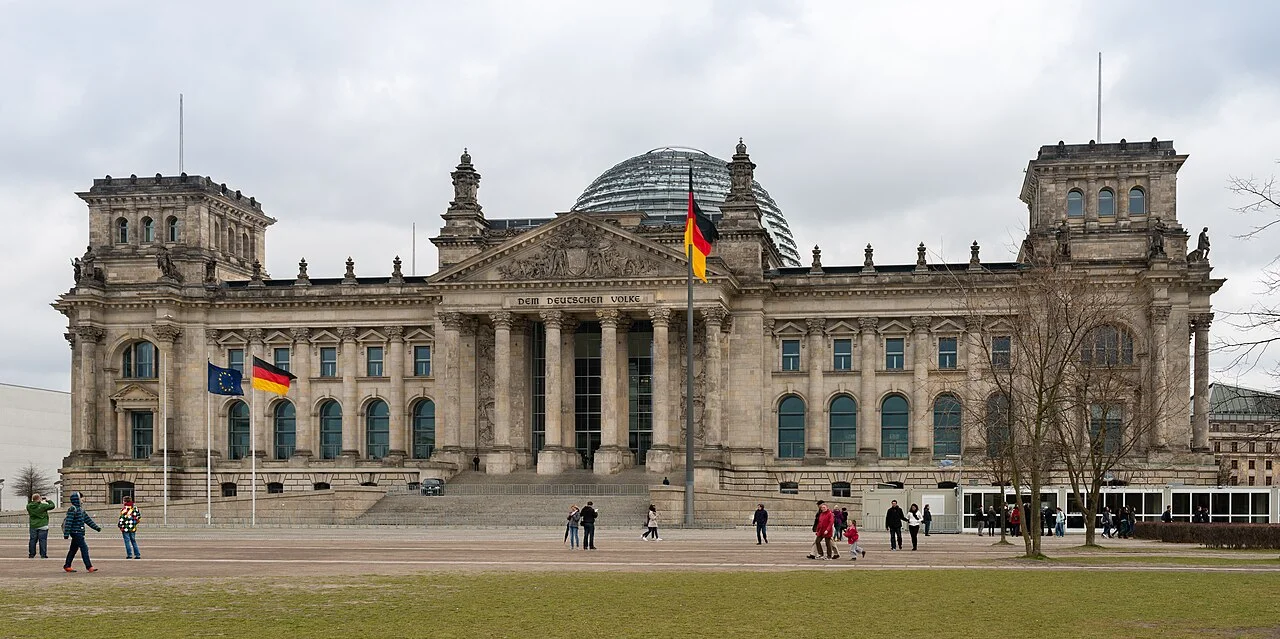
Western Europe’s middle class is getting smaller — and voters who fear dropping out of it are more likely to back radical-right parties, a new study has found.
Researchers at the Vienna University of Economics and Business (WU Wien) looked at EU-SILC data from 13 Western European countries and found that the middle class has thinned out sharply.
Far fewer workers now fall into middle-income brackets than they did a decade earlier. Among low-skilled workers, the share counted as middle class dropped by 8.9 percentage points between 2005 and 2018.
Skilled workers also slipped, with their middle-class share falling by six points over the same period.
The share of skilled workers in the middle class also shrank, dropping by a further six points over the same period.
But those who feel at risk of losing their middle-class position show a higher chance of supporting far-right parties, the study suggests.
Judith Derndorfer, from the Chamber of Labour and the Research Institute Economics of Inequality at WU Wien, said these parties are attracting voters who feel uncertain about their economic future and let down by mainstream politics.
The research also shows that some jobs face more risk than others. Business owners, skilled workers and low-skilled workers have far higher chances of downward mobility than higher- and lower-grade service workers.
Derndorfer said the pressure on social status creates conditions in which radical-right parties grow.
She said: “This erosion of social standing, feeds status anxiety and resentment toward political elites and minorities, which are all conditions under which the radical right thrives.
“Welfare regimes shape levels of economic insecurity, with social-democratic states displaying the lowest risk, while Mediterranean and liberal welfare states show the highest, with corporatist states in between.”
The findings are published in the Review of Income and Wealth.
READ MORE: ‘Brexit still hitting poorest hardest as food costs rise and mental health worsens‘. Low-income families, migrants, young adults and small businesses remain the most negatively affected groups five years after the UK left the EU, with household budgets and wellbeing deteriorating.
Do you have news to share or expertise to contribute? The European welcomes insights from business leaders and sector specialists. Get in touch with our editorial team to find out more.
Main image: Leon Warnking/Pexels
TOP STORIES
-
 We're talking to almost twice as many people on the phone as a decade ago, study finds
 -
TalkTalk sells majority stake in Telecom Acquisitions as founder Nigel Barnett regains control
-
Company closures soar ahead of tax rises as new Budget looms
-
France calls in army after riots sweep cities
-
An Italian affair – Stanley Johnson takes London's society set on the Silk Road
-
Himalayan mountainside moved 40cm before avalanche killed 1,451 in Nepal, scientists reveal
-
Scientists and engineers quitting jobs as AI changes roles ‘beyond recognition’, study finds
-
UK profit warnings hit near two-year high as businesses struggle with rising costs
-
Microsoft pulls out of major UK AI data centre project amid power grid delays
-
Russia takes control of more European corporate assets amid Ukraine tensions
-
EU leaders resist calls to delay carbon rules as energy costs soar
-
‘A big step forward’ – PM Andy Burnham hails plans for Great British Railways HQ in Derby
-
UK economy grows just 0.1 per cent as construction falls and services stall
-
Germany risks losing €155bn a year under tighter AI data rules, new study warns
-
Pope Leo XIV diagnosed with lung cancer after surgery in Rome
-
France faces freezer meltdown as hackers strike supermarket chains
-
Bumble shares soar 50% amid $1bn takeover talks
-
China slump drives Volkswagen to sharpest quarterly fall in more than four years
-
Hollywood mega-powerhouse created as Paramount completes Warner Bros Discovery takeover
-
Gamers face gridlock as latest Grand Theft Auto download 'nears two days'
-
Samsung profits soar ninefold to record £61bn amid AI chip boom
-
New Springer books put the UN’s struggling sustainability goals to the real-world test
-
Europe’s solar boom set for two-year slowdown after record growth
-
Let it pea. Musicians turn vegetables into instruments at Beatles' Abbey Road studios
-
Golden naked Trump statue unveiled at European Parliament