Part village fête, part global car boot sale, Beaulieu’s Spring Autojumble has drawn thousands of enthusiasts from around the world for decades—and remains one of Britain’s most charmingly eccentric motoring traditions, writes Mark G. Whitchurch
If you’ve never seen someone haggle over a 70-year-old spark plug, you’ve never been to Beaulieu. Twice a year, this otherwise peaceful corner of England’s New Forest is transformed into a pop-up city of spanners, nostalgia and unexpected treasure for one of Britain’s most eccentric shopping rituals: the Autojumble.
Visitors come from across the globe—America, Japan, Australia, South America, continental Europe—adding an international flair to what is otherwise an unmistakably British tradition. As one American journalist once put it: “If you can’t buy it at Beaulieu… it doesn’t exist.”
The Spring Autojumble took place on 17–18 May across the grounds of the National Motor Museum. More than 1,000 stalls were packed with classic car parts, vintage oddments and motoring ephemera. From Morris Minors to Marilyn Monroe-painted Rolls-Royces, the atmosphere was part boot sale, part village fête, part pilgrimage.
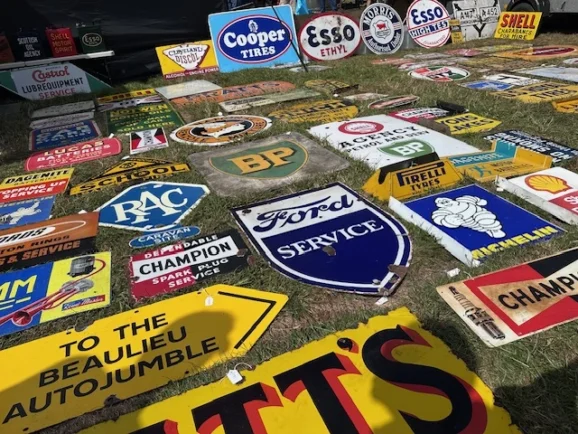
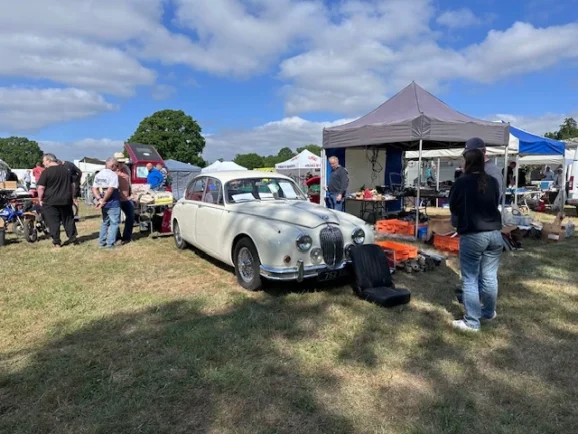
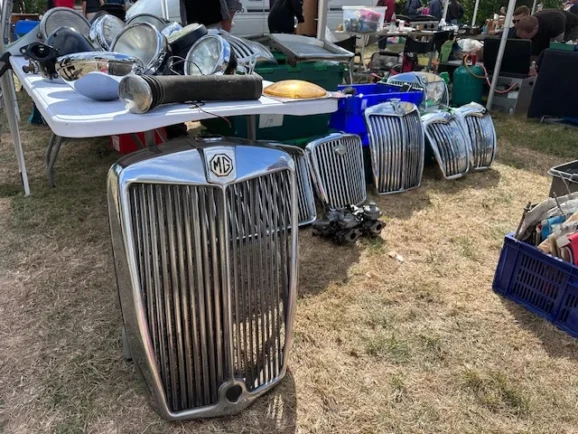
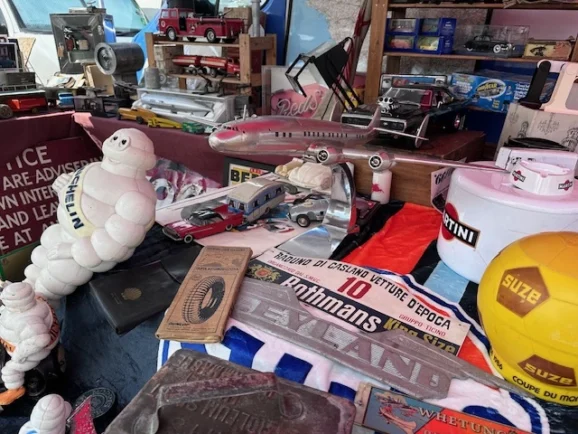
The event’s origins date back to 1967, when then-museum director Michael Ware coined the term ‘autojumble’ and launched the very first one with just 75 stands. This year, an estimated 20,000 enthusiasts passed through the gates.
To mark the 75th anniversary of the Sprite caravan brand, a colourful display of vintage caravans greeted visitors, including a bright 1971 Sprite 400 affectionately named ‘Chatty Caravan’, now on permanent display in the museum.
Elsewhere, ‘MoggyFest’ brought together 200 Morris Minors in every conceivable variant—convertibles, vans, Travellers, saloons—lined up like a pastel-toned celebration of post-war Britain.
One of the most talked-about exhibits was Spirits of Genius!, a 1995 Rolls-Royce Silver Spirit turned rolling gallery by artist Maxime Xavier. Each panel was airbrushed with a different artwork: The Great Wave by Hokusai, The Kiss by Klimt, A Bigger Splash by Hockney, and Warhol’s Marilyn Monroe. The craftsmanship was breathtaking.
There was serious heritage on display, too. A 1954 Austin Healey that was originally built as a ‘Special Test Car’ for international races and record attempts drew a major crowd, as you might expect. Not seen in Britain since 1955, it raced in green at Le Mans before being repainted red for the Mille Miglia. Now restored, it looked right at home on the Beaulieu lawns.



Cash burns a hole in your pocket almost immediately. There’s even a Bureau de Change on site for those needing to top up mid-spree. Fatal for your bank account.
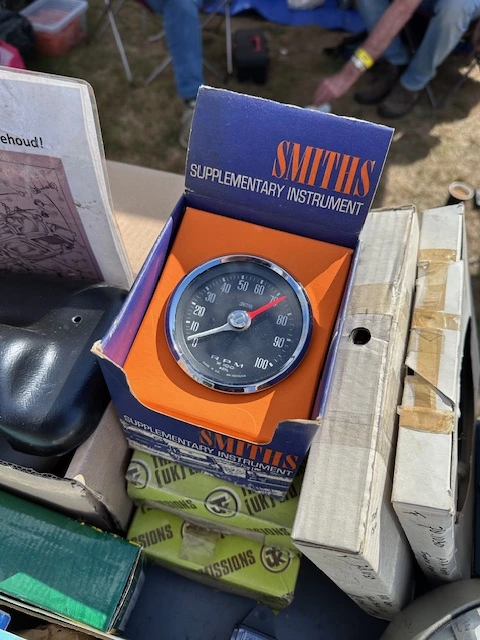
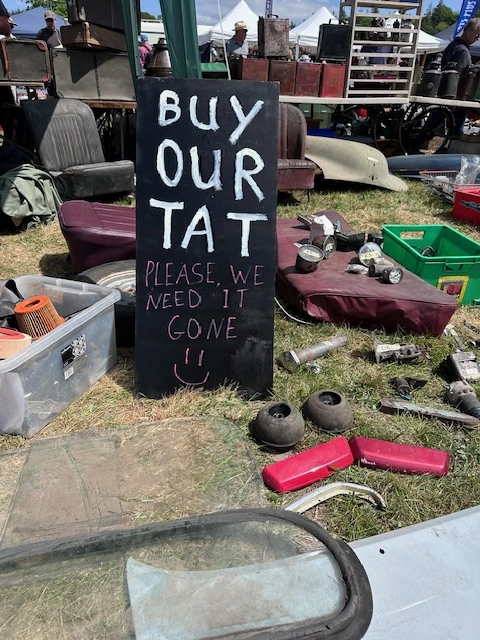
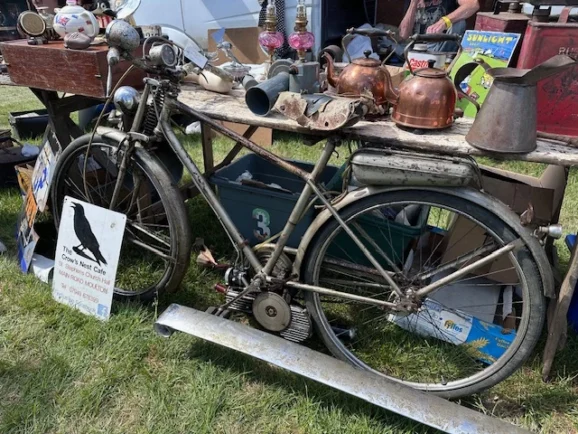
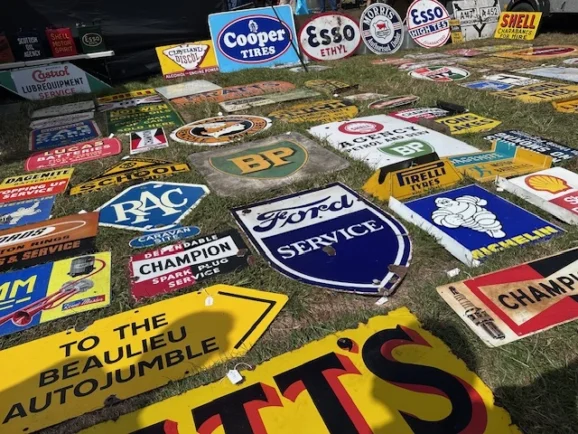
While oily old engine parts are still the lifeblood of the event, you’ll find everything from Bakelite radios and enamel signs to vintage gramophones and leather suitcases. This year’s event lived up to its adage: anything can be sourced at Beaulieu—if you’ve got the patience to look.
It’s not all second-hand, either. Many garages use the event to offload brand-new old stock, often for models that haven’t been made in decades. Classic Mini parts were abundant again this year, with remnants of the MG Rover dealer network still surfacing more than 20 years after the company folded.
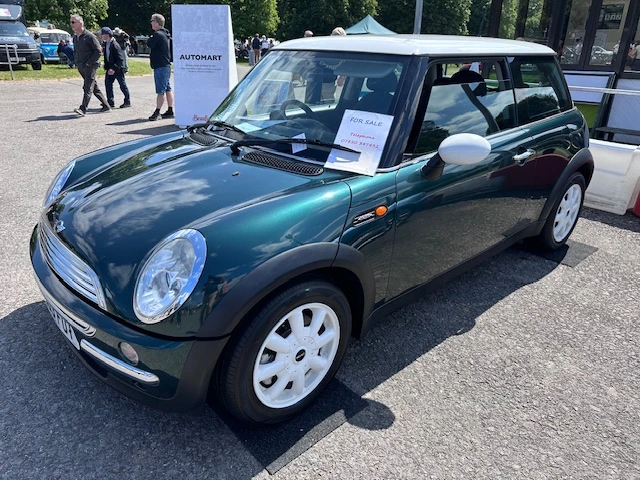
There were complete cars for sale too, although fewer than usual. Among them: a tidy BMW MINI Cooper Works for just under £3,000 and a 1956 Bedford ‘Green Goddess’ fire truck going for £6,500.

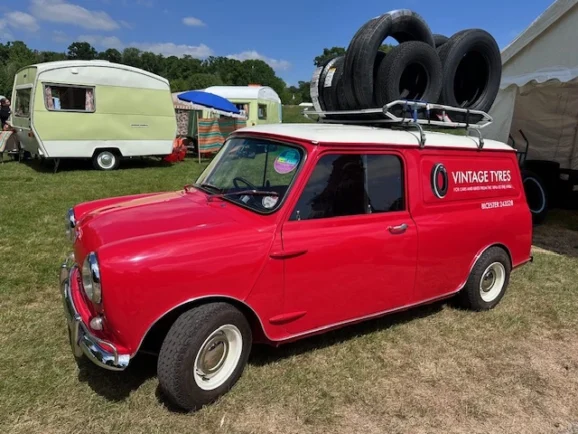
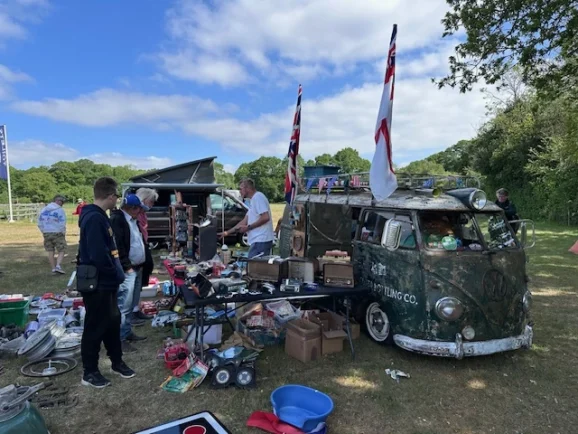
Sunday brought an extra treat for Land Rover enthusiasts, with a dedicated ‘Rummage’ section bringing together spares, accessories and even full project vehicles for the marque. Meanwhile, the Trunk Traders field let amateur sellers flog their surplus motoring paraphernalia straight from the boots of their cars—tools, spare parts and motoring books included.
Even if you’re not in the market for engine bits, it’s an eye-opening day out. “Being a Beaulieu exhibitor is rather like belonging to an extended family,” Lord Montagu, the museum’s founder, once said.
The social side is important, too, with many traders using the weekend as a reunion as much as a marketplace.
And if you missed the Spring event? The big one is still to come. Beaulieu’s International Autojumble returns on 6–7 September 2025. It’s the largest of its kind in Europe, with over 2,000 stands spread across four vast fields, complete with an Automart and its own auction.
Photos: Mark Whitchurch