Great leaders prevent workplace conflict before it happens by managing toxic employees with mindfulness, writes our health and wellbeing correspondent, Andrew Horn
Conflict in the workplace costs British businesses nearly £30billion a year in staff turnover and lost revenue. Yet most leaders handle it badly – and many make it worse.
Some take a hardline approach by dominating conversations, issuing ultimatums, and ruling – or attempting to rule – through fear. And others avoid confrontation entirely, allowing resentment and inefficiency to fester, go septic, and spread.
In my experience, neither method works.
The world’s best leaders take a different, more nuanced, approach. They don’t react impulsively or impose their will through sheer authority. Instead, they lead with clarity, composure, and the ability to transform tension into growth. It’s an approach rooted in ancient Indian wisdom, and one that modern business leaders would do well to study.
Elon Musk, for example, is often lauded for his ‘vision’, but his leadership style – marked by abrupt firings, high-pressure demands, and little tolerance for dissent – has led to well-documented employee dissatisfaction. Twitter’s chaotic restructuring to X under his ownership saw mass layoffs and plummeting morale, illustrating what happens when leadership is driven by control rather than collaboration.
By contrast, Satya Nadella’s transformation of Microsoft shows the power of a different approach. When he took over as CEO, Microsoft was reportedly struggling with internal divisions, siloed teams, and an outdated corporate culture. Rather than forcing change through intimidation and domination, Nadella is said to have embraced emotional intelligence, championed a culture of learning, and encouraged employees to think of Microsoft as a “team of teams.” The result? Microsoft’s market value soared from $300 billion in 2014 to over $2.5 trillion today.
There are plenty of self-published ‘experts’ offering advice about holistic, thoughtful leadership. But in my experience, the blueprint that actually works can be found in the Bhagavad Gita. In it, Krishna, though possessing ultimate wisdom, does not dictate. Instead, he advises, guiding Arjuna to find clarity in his own decisions. This is what true leadership looks like: empowering others to perform at their best rather than micromanaging or overpowering them.
The concept of “a-manina, mana-dena”, or “seeking no honour but freely giving it, “aligns with what the best business leaders readily understand: that the success of a company depends on the strength of its people. The Mahabharata tells the cautionary tale of Duryodhana, whose envy and fear of being outshone led to his downfall. In the corporate world, we see similar patterns. Adam Neumann, former CEO of WeWork, reportedly built a company on hype, ego, and personal excess, allegedly alienating his team and investors until the business collapsed around him. Meanwhile, leaders like Richard Branson appear to thrive by building an internal culture of respect and collaboration.
So how can business leaders put these philosophical principles into practice? One of the most underrated tools is also one of the simplest: breath control (or “pranayama”). This foundational practice in Indian tradition allows leaders to stay composed in high-stress situations, preventing emotional reactions that escalate conflict. A moment’s pause before responding to a difficult colleague can mean the difference between a productive resolution and a damaging confrontation.
Perspective also plays a part. Hindu philosophy teaches the doctrine of impermanence – that is, no situation, good or bad, lasts forever. Leaders who understand this don’t react impulsively but take a long-term view, resolving conflict with patience and strategy rather than force.
Being a true leader isn’t about wielding authority but about mastering oneself first. The leaders who succeed in the coming years won’t be those who dominate their teams, but those who guide them with wisdom. Whether in ancient epics or modern boardrooms, the old adage is as true as it ever was: the greatest leaders don’t demand respect, they earn it.
My top five tips for leaders dealing with toxic employees are:
1. Stay Professional
Difficult employees can be frustrating, but reacting emotionally will only escalate the situation. If someone is rude in a meeting, undermines your authority, challenges your decisions, or are just plain pessimists, take a breath before responding. Keep your tone calm, focus on facts, and avoid mirroring their negativity. If a passive-aggressive email lands in your inbox, resist the urge to fire back without considering the options.
2. Set Clear Expectations
Underperformance, resistance, or disruptive (or lazy) behaviour often stems from unclear expectations. Instead of vague complaints like “You need to improve,” be specific: “This report needs to be completed by Friday with X, Y, and Z included.” If an employee consistently ignores deadlines or shifts their workload onto others, set firm boundaries and don’t be afraid to enforce consequences when necessary.
3. Separate the Person from the Problem
Not all difficult employees are bad workers. Some may be struggling with stress, insecurity, or personal issues. Instead of immediately disciplining someone for a bad attitude, ask why they’re acting that way. Are they overwhelmed? Do they feel unheard? If they resist a new policy, do they have a valid point? Address the behaviour, not the individual, and give constructive feedback rather than personal criticism.
4. Document Key Issues and Address Them Privately
If an employee repeatedly causes problems – by missing deadlines, making inappropriate remarks, or through a lackadaisical attitude, for instance – keep a written record of key incidents. This protects you if HR needs to step in and ensures accountability. Also try to address concerns privately. Naming and shaming a bad employee breeds resentment.
5. Know When to Lead and When to Cut Ties
Good leadership means balancing guidance with accountability. If an employee struggles but shows willingness to improve, help them to improve. But if despite multiple interventions, they remain disruptive, toxic, or incapable of doing the job at hand, it may be time to escalate to HR or consider letting them go. The team’s success is more important than one difficult individual.

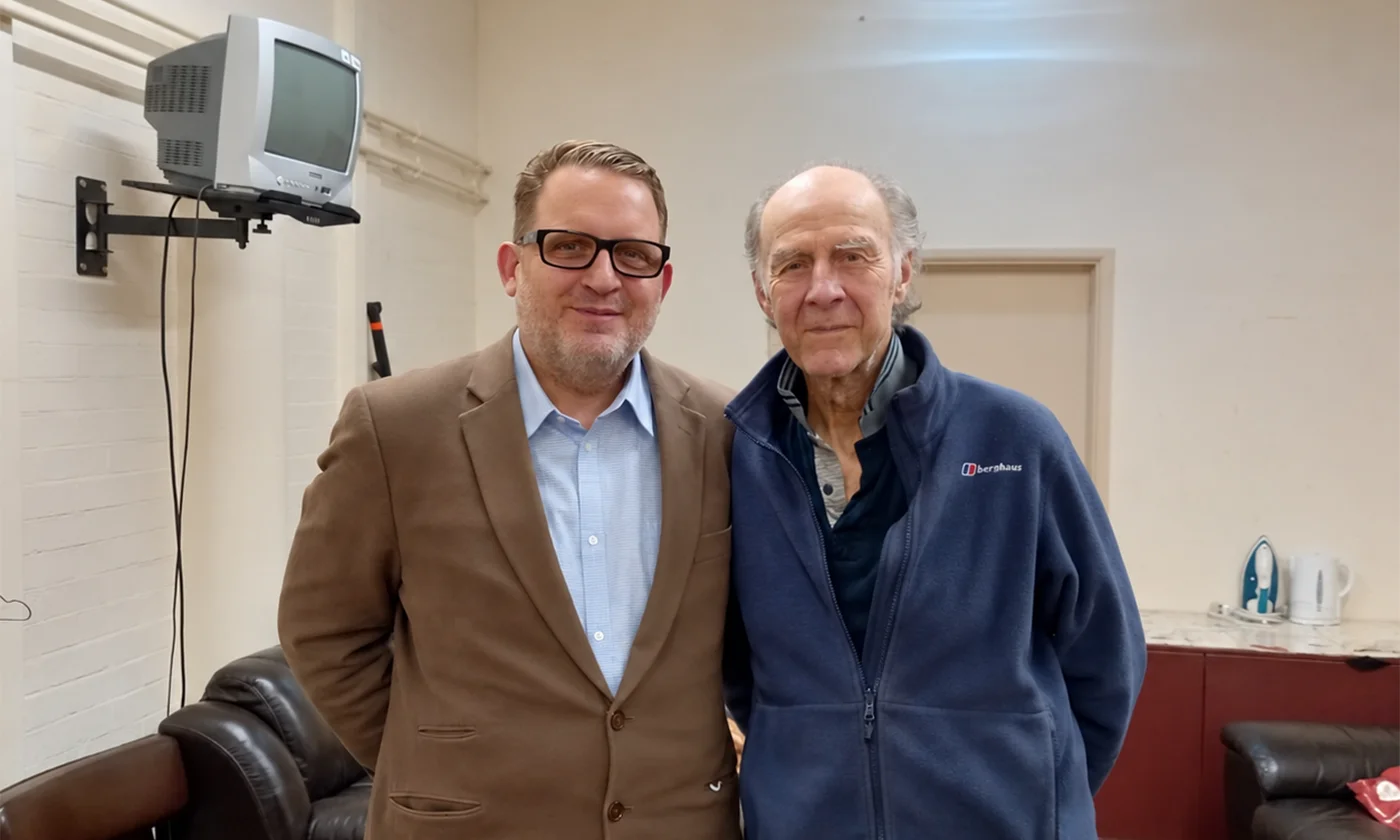
Author Andrew Horn, the son of the great neuroscientist Sir Gabriel Horn and grandson of the socialist peer Baron Soper, is widely regarded as one of the world’s leading experts on traditional Indian and Sanskrit drama whose English translation of the epic 16th-Century Vidagdha Madhava by Rupa Goswami is considered the most accurate ever published. Despite his notable lineage, Andrew chose a different path, becoming a Hare Krishna monk for 20 years. During this time, he was given the name ‘Arjundas Adhikari’, signifying devotion to the hero Arjuna from the Mahabharata. He also appeared on Top of the Pops with Boy George for the singer’s 1991 hit, Bow Down Mister.
Main image: Courtesy Kaboompics.com/Pexels