Kroll, the world’s premier provider of services and digital products related to governance, risk and transparency, revealed that the world’s biggest companies were feeling the greatest impact of corruption and illicit activity in 2020.
- 57% of respondents at $15 bn+ turnover companies reported “very significant” impacts of corruption and illicit activity
- Proactive data analytics to mitigate risks employed by nearly all respondents (86%)
- Nearly half (46%) of respondents put lack of visibility over third parties as their top vulnerability related to bribery and corruption risk
Kroll’s Global Fraud and Risk Report shows that 57% of respondents at companies with a turnover of more than $15 billion (bn) reported a very significant impact of illicit activity, such as fraud, corruption and money laundering on their organisation, with a further quarter (25%) describing the impact as somewhat significant. This trend continued for firms with an annual revenue of between $10 bn–$15 bn, with 48% of respondents saying their organisation had been very significantly impacted and 44% reporting the impact was somewhat significant.
The survey highlighted that corporates were placing an increased focus on proactive measures to manage bribery and corruption risk, including enterprise-wide risk assessments (82%) and the use of proactive data analytics (86%). Furthermore, nearly three quarters (72%) said bribery and corruption issues were being given sufficient board-level attention and investment. However, despite these defences being employed, 82% overall still felt corruption and illicit activity were having a significant impact on their organisation.

Zoe Newman, Managing Director, Forensic Investigations and Intelligence at Kroll, commented:
“It has been an unprecedented year for corporate risk, with firms simultaneously facing threats from all angles, including increasingly complex supply chains and the impact of COVID-19 measures. While it is good news that so many organisations are bolstering defences with proactive measures such as data analytics and that bribery and corruption risk is on the boardroom agenda, the findings from this year’s report leave us with an important question: Why are bribery and corruption threats persisting and still having such a big impact? Poor record-keeping or the inability to adequately monitor frontline teams and regional offices are typical vulnerabilities that are often overlooked. Then there’s the human factor: An organisation can have the best possible compliance program in place on paper, but if the human elements of the chain aren’t well managed, educated or equipped to act, non-compliance or illicit behaviour will continue to prevail and go undetected.”
This year’s findings showed that global organisations were feeling vulnerable to both internal and external threats, with nearly half (46%) of respondents citing lack of visibility over third parties as the number one threat relating to bribery and corruption risk. Weaknesses in internal record-keeping was second on the list of top concerns (31%) followed by employees’ actions at 23%.
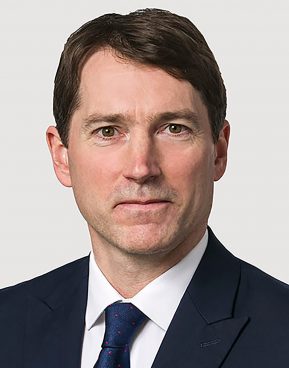
Howard Cooper, Managing Director, Forensic Investigations and Intelligence at Kroll, added:
“In today’s complex environment, businesses need to see the wood and the trees; in other words, they need to have a tight grasp of their internal data as well as the ability to zoom out to the external environment. This is only possible if a business is able to look outward and close the gap between internal policies and external developments. If a business can pass on some of its wisdom to one of its long-term suppliers through training or ‘meeting the team’ sessions, for example, that supplier will become less vulnerable, making it a stronger link in the chain. Company culture is a key component of any successful strategy to curb bribery and corruption risk.”