LATEST: U.S. prepares crackdown on Huawei’s global chip supply

John E. Kaye
- Published
- News, Technology
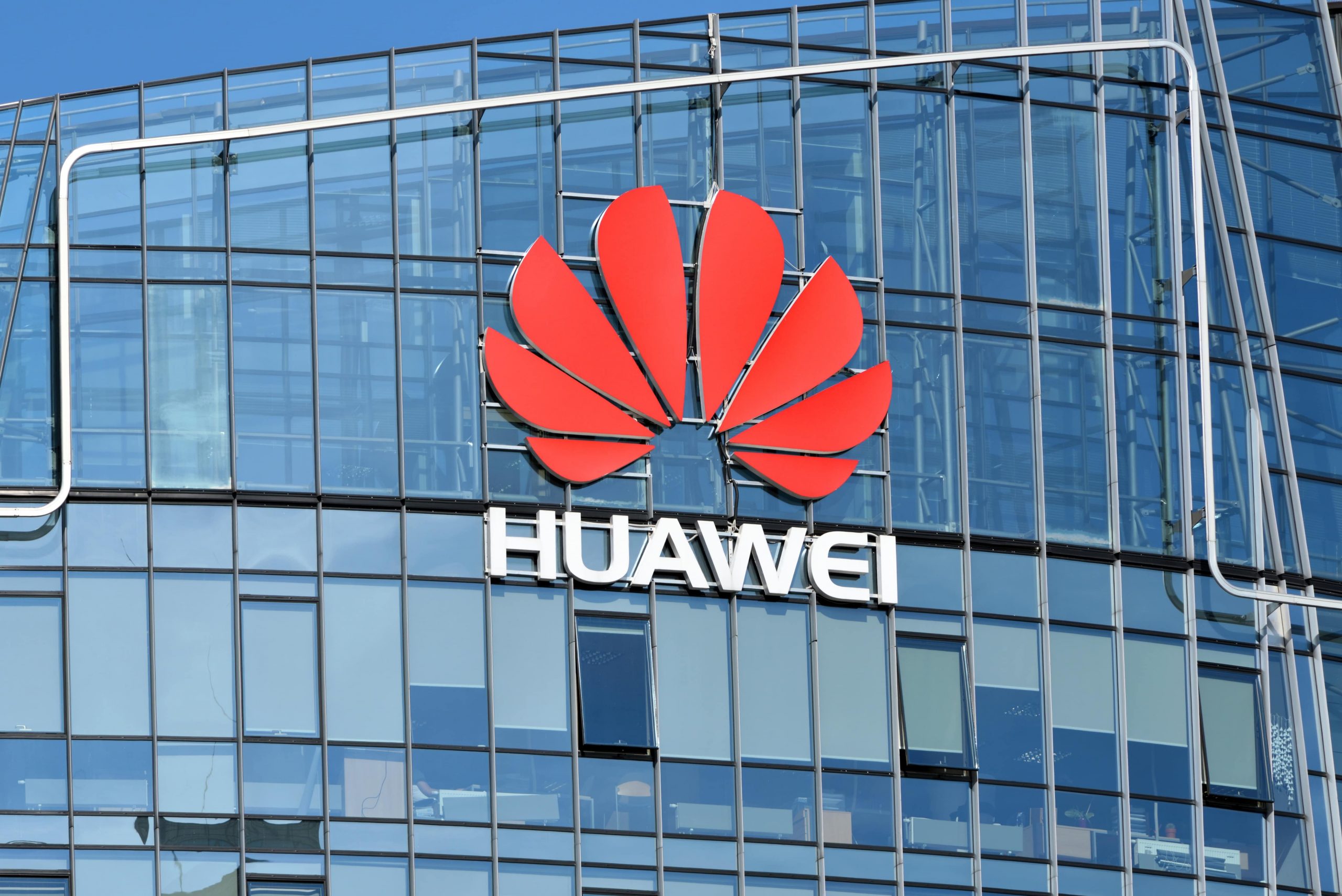
Senior officials in the Trump administration agreed to new measures to restrict the global supply of chips to China’s Huawei Technologies, sources familiar with the matter said, as the White House ramps up criticism of China over coronavirus.
With Washington and Beijing trading barbs over who is to blame for the spread of the disease, the move comes as ties between both sides grow more strained and an escalating tit-for-tat over the expulsion of journalists from both countries.
Under the proposed rule change, foreign companies that use U.S. chipmaking equipment would be required to obtain a U.S. license before supplying certain chips to Huawei. The Chinese telecoms company was blacklisted last year, limiting the company’s suppliers.
The rule-change is aimed at curbing sales of chips to Huawei by Taiwan Semiconductor Manufacturing Co, a major producer of chips for Huawei’s HiSilicon unit, as well as the world’s largest contract maker, one of the sources said.
It is uncertain if President Donald Trump, who appeared to push back against the proposal last month, will sign off on the rule change. However if finalized, it could deal a blow to Huawei and TSMC, hurting U.S. companies as well, sources said.
“This is going to have a far more negative impact on U.S. companies than it will on Huawei, because Huawei will develop their own supply chain,” trade lawyer Doug Jacobson said. “Ultimately, Huawei will find alternatives.”
A person familiar with the matter said the U.S. government has gone to great lengths to ensure impacts on U.S. industry will be minimal.
The move could anger Beijing, which has spoken out against a global campaign by the United States to compel allies to exclude Huawei from their 5G networks over spying concerns. Huawei has denied the allegations.
Most chip manufacturers rely on equipment produced by U.S. companies such as KLA Corp, Lam Research and Applied Materials, according to a report last year from China’s Everbright Securities.
The equipment makers did not immediately respond to requests for comment.
The decision came when U.S. officials from various agencies met and agreed on Wednesday to alter the Foreign Direct Product Rule, which subjects some foreign-made goods based on U.S. technology or software to U.S. regulations, the sources said.
Attendees likely included top officials from the National Security Council and the U.S. Departments of State, Defense, Energy and Commerce. None of them responded to requests for comment.
Huawei declined to comment. TSMC said it “is unable to answer hypothetical questions and does not comment on any individual customer.”
One of the sources said the rule-change is aimed at restricting the sale of sophisticated chips to Huawei and not older, more commoditized and widely available semiconductors.
“It’s impossible to tell the impact until we know the technical thresholds that may apply,” said Washington lawyer Kevin Wolf, a former Commerce Department official.
“Different foundries make different chips at different capabilities so you wouldn’t know which foundries are affected the most until you know thetechnical thresholds,” he said.
U.S.-CHINA TENSIONS
The United States placed Huawei on a blacklist in May last year, citing national security concerns. The entity listing, as it is known, allowed the U.S. government to restrict sales of U.S.-made goods to the company and some more limited items made abroad that contain U.S. technology.
But under current regulations, key foreign supply chains remain beyond the reach of U.S. authorities, fueling frustration among China hawks in the administration and prompting a push to toughen up export rules for the company, Reuters reported in November.
The hawks’ efforts appeared in jeopardy last month when Trump reacted strongly against the proposed crackdown, after Reuters and the Wall Street Journal reported that a move to block global chip sales to Huawei was under consideration.
“I want our companies to be allowed to do business. I mean, things are put on my desk that have nothing to do with national security, including with chipmakers and various others. So we’re going to give it up, and what will happen? They’ll make those chips in a different country or they’ll make them in China or someplace else,” Trump said.
Reported by Karen Freifeld, David Shepardson and Alexandra Alper
Sourced Reuters
For more Technology and Daily news follow The European Magazine
TOP STORIES
-
 ‘Sleeper-cell’ hackers are stealing company data now for future attacks, warns ISF chief
 -
 Juncker and Keller-Sutter to address Zurich finance summit as banks face AI and regulation shake-up
 -
Liechtenstein keeps Triple-A rating as S&P points to low debt and deep reserves
-
UK hedgehog charity backs bid to put endangered mammal on new banknotes
-
Nature loss could trigger ‘grim’ debt crisis for governments, economists warn
-
Lisbon named ‘world’s most liveable city’ for expats
-
Could these animals replace Churchill, Austen, Turner and Turing on Britain’s banknotes?
-
Universal’s £5bn Bedfordshire theme park will become 'UK's most popular tourist attraction'
-
Holiday hotspots fight back as tourist numbers surge
-
Costa Rica’s US$10bn medtech boom defies global investment chill
-
Could this mile-long floating city become the world’s most extreme property market?
-
WATCH: this tiny plane could let passengers fly from rooftops instead of airports
-
‘Shadow AI’ poses growing boardroom cyber risk as staff feed company data into chatbots
-
UK net zero economy worth £105bn and supports 1.1m jobs
-
BOC Macau strengthens role as China finance bridge after six award wins
-
Top British chefs warn restaurants are fighting for survival as closures hit three-a-day
-
Claude maker Anthropic valued at nearly $1tn after record AI funding round
-
Felled Sycamore Gap tree ‘to speak again’ in UK national memorial
-
NASA to send rabbit-like drones to scout site for first Moon base
-
Apollo, Artemis, Ali and Live Aid satellite station set for new Moon role in £37m deal
-
BrewDog founder pours free shares into new beer firm
-
Inside gaming billionaire Gabe Newell’s next-level gigayacht
-
Machiavell-AI? Autonomous artificial intelligence systems ‘could become dangerously manipulative’, experts warn
-
Prague targets high-value business travellers after global congress ranking boost
-
eBay rejects GameStop bid